For over 25 years, the U.S. Forest Service’s "Roadless Rule" has stood as one of the most significant conservation achievements in American history. By safeguarding approximately 58.5 million acres of undeveloped National Forest System lands from the encroachment of industrial road construction and commercial timber harvesting, the policy has functioned as a silent guardian of the nation’s most pristine watersheds. However, a recent announcement from the U.S. Department of Agriculture (USDA) regarding a potential revocation of this policy has sent shockwaves through the environmental community, sparking a fierce debate over the future of clean water, public health, and the economic viability of rural communities across the United States.
The Foundation of the Roadless Rule: A Brief Chronology
The origins of the Roadless Rule date back to the late 20th century, emerging from a growing public consensus that the nation’s remaining "wild" forests—those lacking permanent road infrastructure—held intrinsic value that transcended timber extraction.
- October 1999: President Bill Clinton directed the U.S. Forest Service to develop regulations to provide long-term protection for inventoried roadless areas within the National Forest System.
- January 2001: Following an exhaustive public comment period that drew over 1.6 million responses—a record at the time—the Roadless Area Conservation Rule was officially finalized.
- 2001–2026: For a quarter of a century, the Rule has survived numerous legal challenges, administrative shifts, and partisan debates. It has successfully maintained the integrity of vast forest tracts by prohibiting the construction of new roads and the harvesting of timber, with narrow, common-sense exemptions allowed for public safety, wildfire management, and essential access.
- October 2026: The USDA signals an intent to revisit and potentially rescind the Rule, triggering widespread concern from stakeholders who argue that the policy is a cornerstone of modern watershed management.
The Vital Role of Roadless Areas in Watershed Health
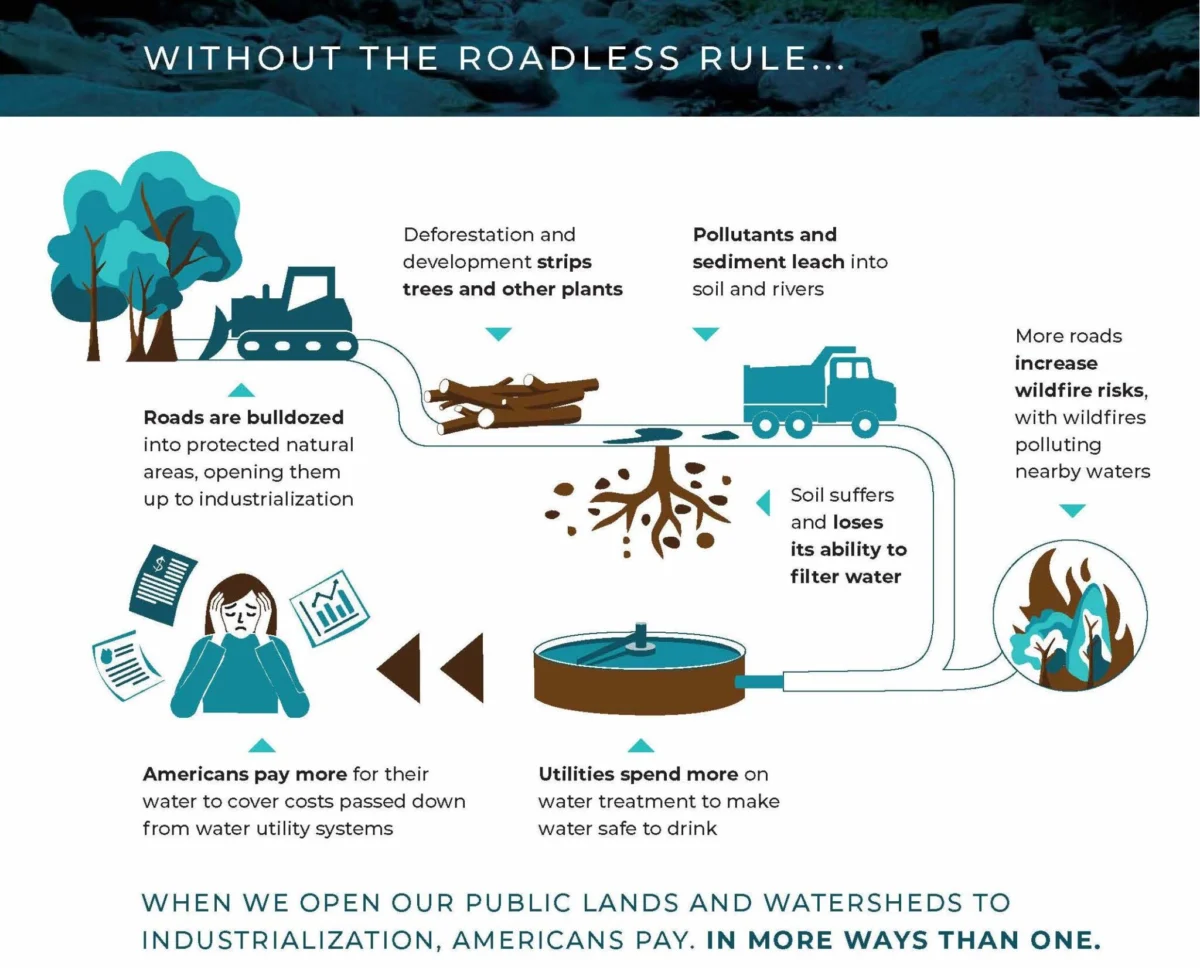
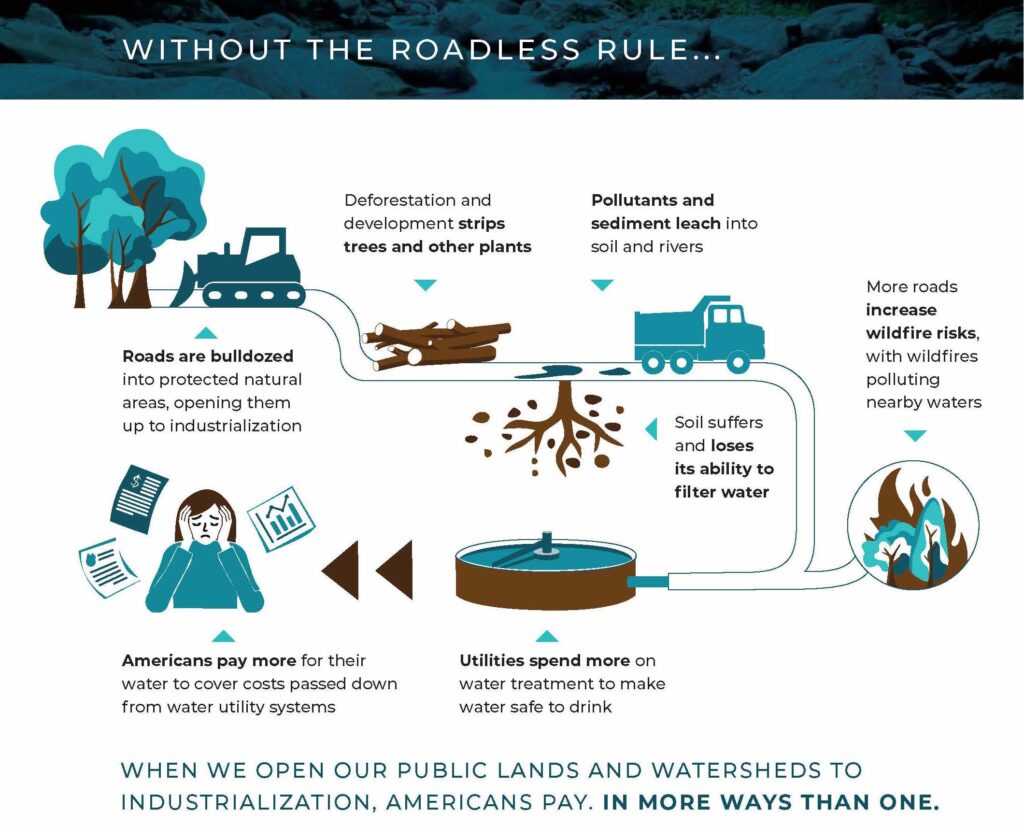
While much of the public discourse surrounding the Roadless Rule has focused on the expansive, rugged landscapes of the American West, the policy is equally vital to the densely populated landscapes of the East. These forests act as "natural water filters." When rain falls on a roadless forest, the undisturbed soil and vegetation absorb the water, filtering out pollutants and regulating the flow into rivers and streams.
When roads are introduced into these sensitive ecosystems, they fragment the landscape. The construction process requires massive earthmoving, which leads to soil erosion and sedimentation. Once roads are in place, they become conduits for pollutants—such as road salts, oils, heavy metals, and litter—to travel directly into the headwaters that feed municipal drinking water systems. By maintaining the "roadless" status of these lands, the Forest Service effectively protects the drinking water supply for millions of Americans, providing a service that would otherwise require multi-billion-dollar investments in water treatment infrastructure.
Regional Impacts: A Deep Dive into the East
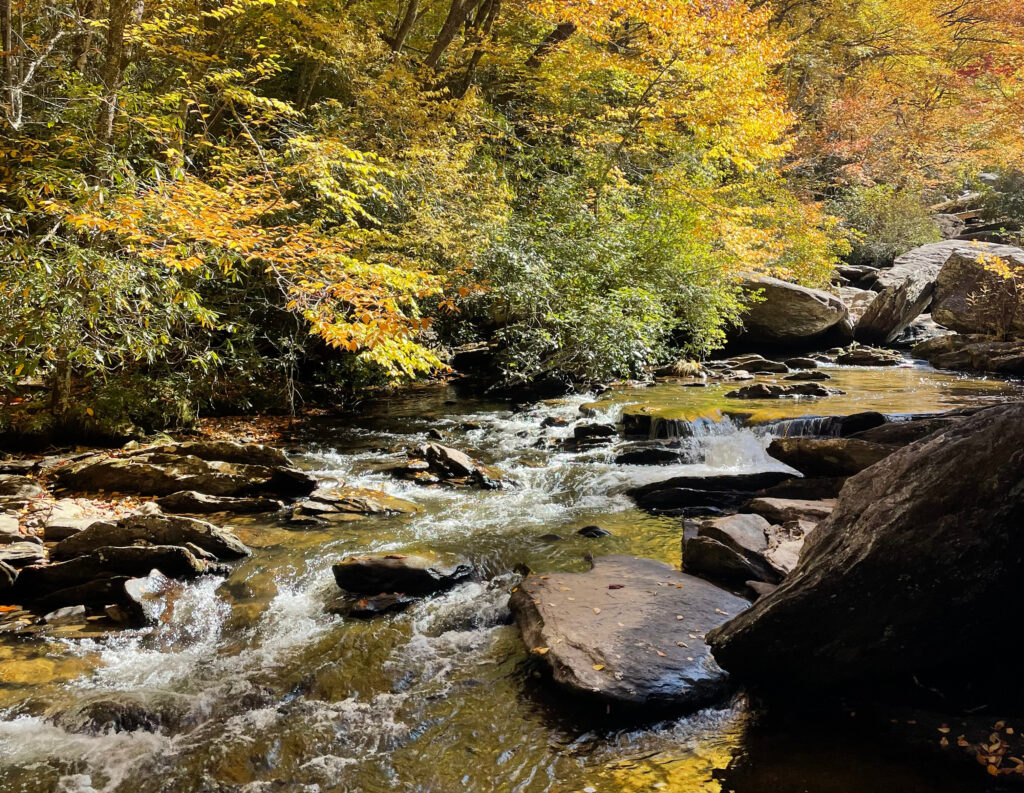
The proposed rollback is not merely an issue of federal policy; it is a localized crisis for states like Virginia and North Carolina, where roadless areas provide critical economic and ecological services.
The Virginia Perspective
In Virginia, the stakes are exceptionally high. The Roadless Rule currently protects nearly 400,000 acres of public land and upwards of 700 miles of rivers from the industrialization that accompanies new road networks. Analysis suggests that if the Rule were rescinded, 80% of the river miles currently protected by Inventoried Roadless Areas (IRAs) in the state would be stripped of their primary safeguard.
Local governments are already pushing back. Shenandoah County, for instance, recently issued a formal letter to the U.S. Forest Service, highlighting that these lands are essential to their identity and economic survival. The county emphasized that these forests harbor the state’s premier native brook trout streams—some of the most robust populations south of the Mason-Dixon line—which are highly sensitive to the sediment pollution that inevitably follows road construction.
The North Carolina Context
Similarly, North Carolina faces significant threats, with over 170,000 acres of protected public land potentially opened to development. If the Roadless Rule is dismantled, more than 44% of the river miles protected by IRAs in the state would lose their immunity from industrial interference. For the residents of the Tar Heel State, this means not only a potential decline in water quality but also a direct threat to the outdoor recreation economy, which relies on the "wild" character of these forests to draw tourists, anglers, and hunters.
The Economic and Fiscal Implications
Proponents of the rollback often cite economic development through resource extraction as a justification. However, critics argue that such a perspective is fiscally shortsighted. The U.S. Forest Service currently faces a staggering maintenance backlog for its existing road network—a debt that runs into billions of dollars.
Building new roads into previously untouched areas adds to this liability. In an era of limited federal budgets, the construction of new infrastructure that the agency cannot afford to maintain is, by definition, fiscally irresponsible. Furthermore, the economic value of these forests as recreational assets—supporting jobs in tourism, hospitality, and specialized retail—often dwarfs the marginal revenue generated by opening small, difficult-to-access pockets of timber for harvest.
Moreover, the "externalized" costs are significant. If downstream water treatment facilities in the Chesapeake Bay Watershed, for example, must deal with increased sediment and pollutants due to upstream logging and road construction, the cost is passed directly to the ratepayer. The irony is that while the federal government may see a temporary increase in timber revenue, local businesses and municipal water providers will pay the price in long-term capital improvements and increased utility fees.
Official Responses and the Path Forward
The U.S. Department of Agriculture faces an uphill battle in justifying the rescission of a rule that has enjoyed 25 years of operational success. Environmental advocacy groups, including American Rivers, have mobilized to point out that the rollback is in direct contradiction to current federal goals regarding climate resilience and watershed protection.
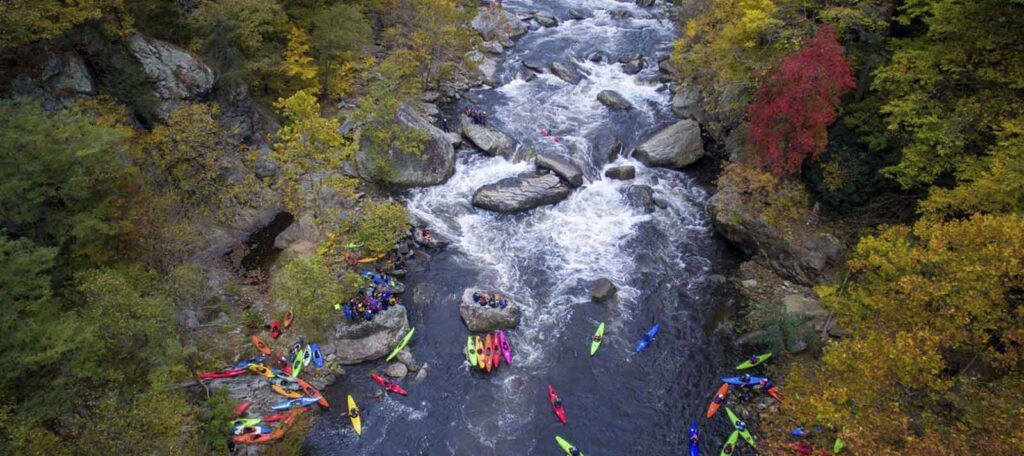
For the Chesapeake Bay, which is the subject of one of the largest and most expensive ecosystem restoration projects in history, the introduction of new road-related pollutants would actively sabotage progress. The cleanup plan relies on reducing sediment and toxic runoff; to introduce new sources of these pollutants through forest fragmentation would be an act of policy incoherence.
Conclusion: The Choice Between Infrastructure and Heritage
The potential rescission of the Roadless Rule is a litmus test for the future of American conservation. The policy has proven that it is possible to balance the needs of the present with the necessities of the future. By maintaining these 58.5 million acres in their current state, the United States is essentially "banking" clean water, biodiversity, and carbon storage for future generations.
As the debate intensifies, the voice of the public—from rural counties in the Blue Ridge Mountains to urban water boards in the Chesapeake basin—will be the deciding factor. The Roadless Rule is not just an administrative regulation; it is the infrastructure of our natural world. To remove it would be to trade the permanent health of our rivers for the ephemeral gains of short-term industrial expansion.
For those who rely on these rivers for their drinking water, their livelihood, or their solace, the message to the U.S. Forest Service is clear: The cost of losing the Roadless Rule is simply too high. Protecting these wild spaces is a testament to the nation’s ability to value its heritage, its health, and the health of the ecosystems upon which all human endeavor ultimately depends.