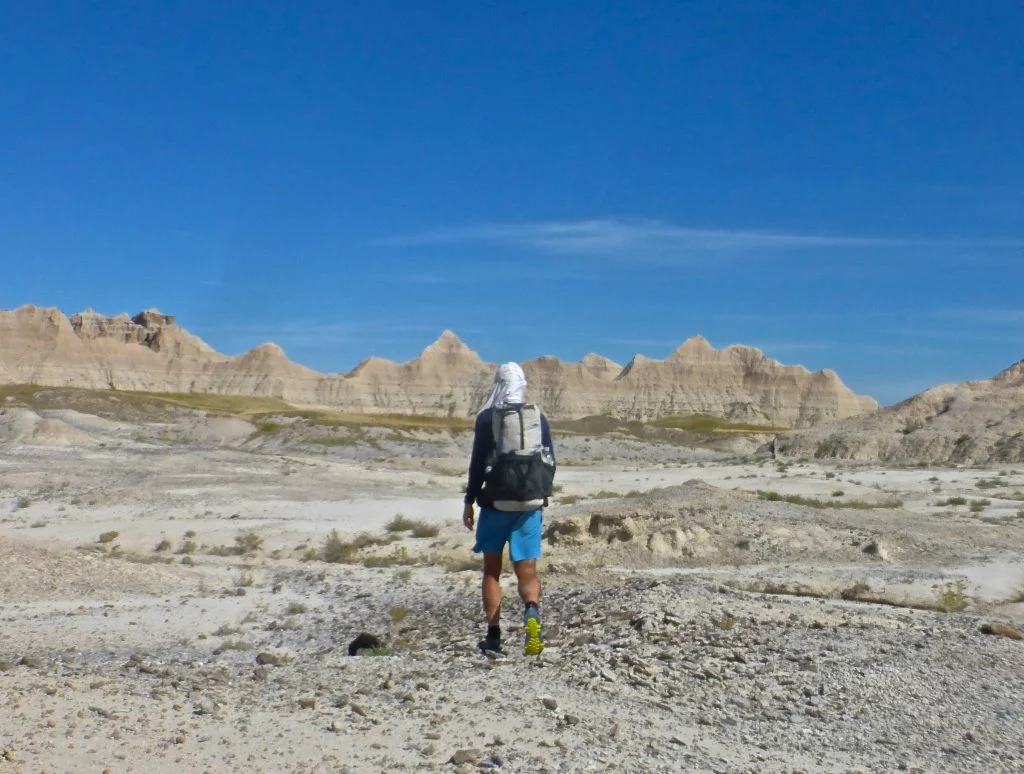
In late summer 2023, an ambitious expedition took two seasoned hikers—Kate “Swept Away” Pickett and myself—across the rugged, unforgiving terrain of Iceland. The journey was split into two distinct phases: a trek through the remote Hornstrandir Peninsula and a comprehensive north-to-south traverse of the country’s interior. Combined, the expedition spanned approximately 720 kilometers (448 miles), testing the limits of human endurance and the reliability of modern ultralight gear.
This report serves as both a reflection on our journey and a technical manual for those looking to traverse Iceland’s volatile wilderness.
Main Facts: The Scope of the Expedition
The expedition was a masterclass in logistics and physical preparation. We covered 120 kilometers (75 miles) in the Hornstrandir Peninsula, an area renowned for its isolation, followed by a 600-kilometer (373-mile) north-to-south traverse of the mainland.
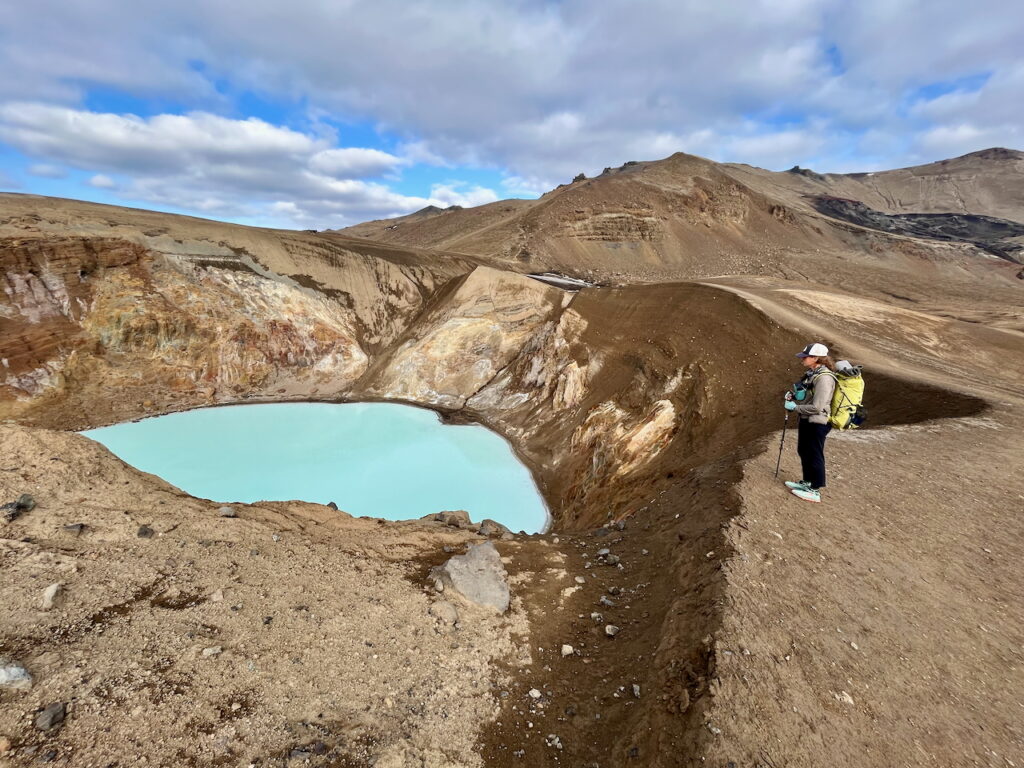
The environment proved to be the primary antagonist. Temperatures oscillated between the mid-teens Celsius (low 60s F) and a biting -5°C (23°F). While the Hornstrandir phase presented initial challenges, it was the Iceland Traverse in early September that truly demanded the most from our equipment. Navigating the Central Highlands, we faced a relentless gauntlet of rain, snow, and cyclonic winds that frequently clocked in at 100 km/h (62 mph).
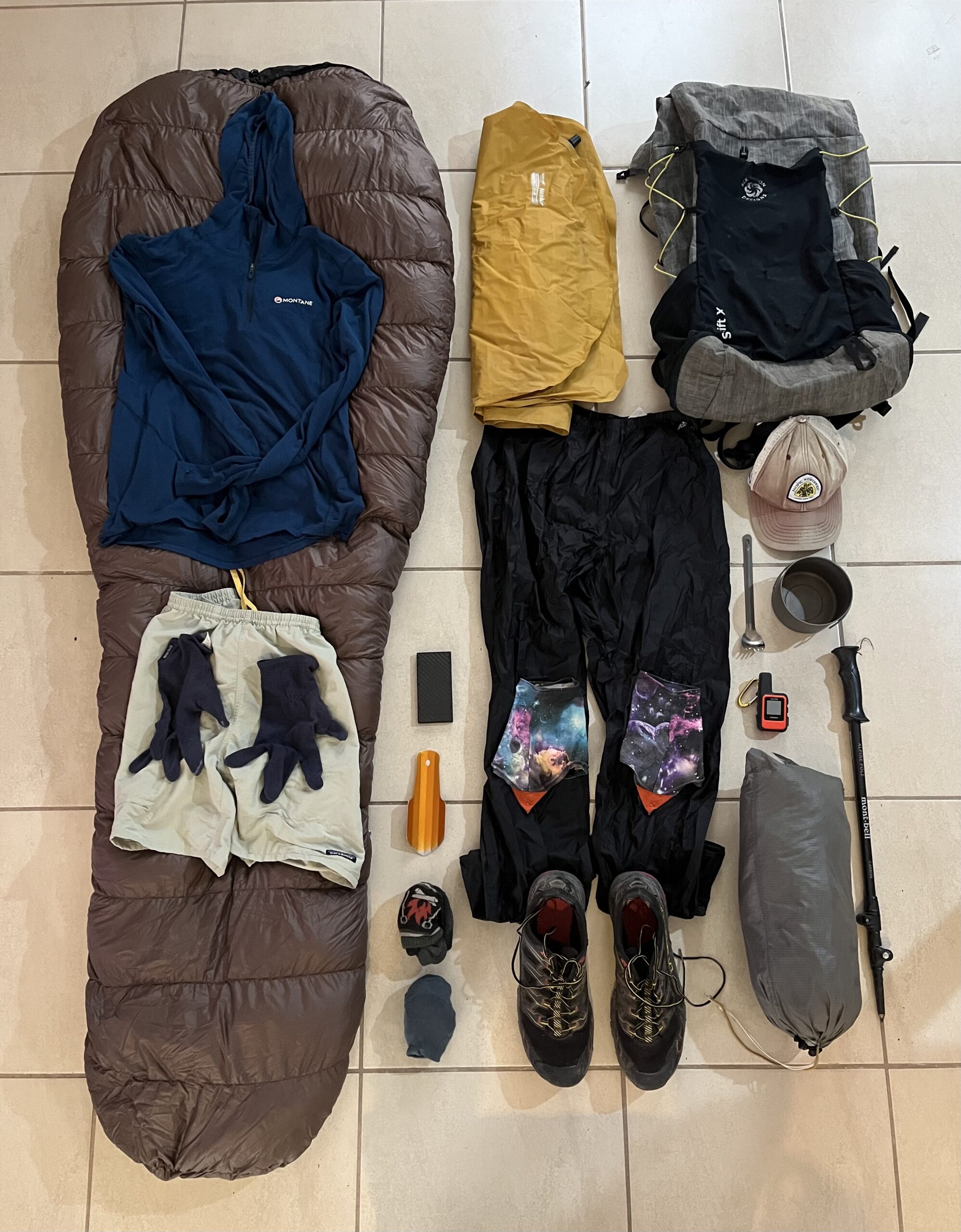
My base weight for this expedition—the weight of my pack without food, water, or fuel—was approximately 13.1 lbs (5.7 kg). While this is heavy by my personal standards for the current millennium, it was a necessary concession to the extreme conditions. The gear did not merely survive; it performed.
Chronology: Navigating the Highlands
The expedition followed a tactical progression, beginning in the northern reaches of the country.
Phase I: Hornstrandir Peninsula
In late summer, Hornstrandir served as our proving ground. The terrain here is unforgiving, with deep fjords and steep coastal cliffs. We operated with 5.5 days of food, prioritizing speed and agility. Water management was straightforward here, as we rarely needed to carry more than a liter at any given time.
Phase II: The Central Highlands Traverse
The shift to the interior in early September marked a transition from coastal trekking to high-altitude survival. Carrying seven to eight days of food and supplies required a more robust pack, the Six Moon Designs Swift X, chosen specifically for its ability to handle heavy, sustained loads over uneven volcanic substrate.
The period from September 1 to September 4 remains the most critical juncture of the trip. During this 72-hour window, we were locked in a persistent battle against a storm system that brought heavy precipitation and extreme gale-force winds. Our progress was dictated entirely by our ability to navigate between natural windbreaks and planned hut stopovers.
Supporting Data: The Gear Philosophy
The success of a long-distance traverse in Iceland relies heavily on the "bombproof" nature of one’s shelter and the versatility of one’s clothing layers.
Shelter and Structural Integrity
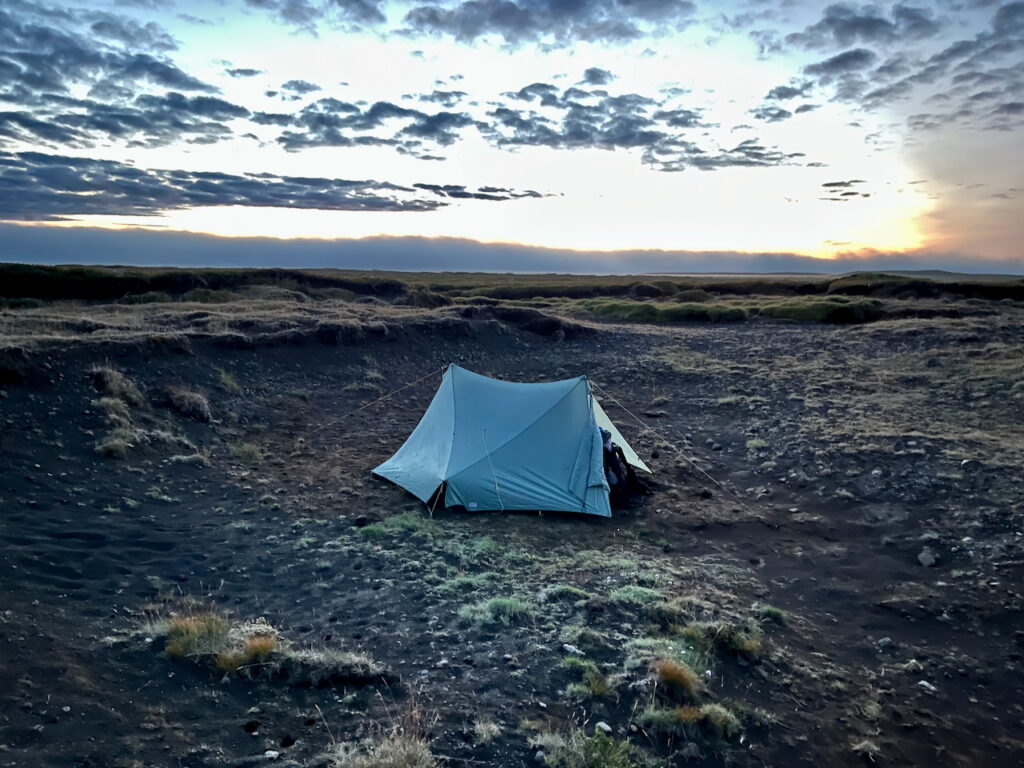
The choice of the Tarptent Stratospire 2 (silpoly) was the most vital equipment decision. When pitched in "storm mode," this shelter remained stable despite wind gusts reaching 80 km/h. It provided the necessary dual-vestibule space for two people to manage wet gear and sit up comfortably, which is essential for maintaining morale during multi-day storms.
- Key Insight: Never rely on natural windbreaks alone in the interior volcanic deserts. The terrain is often "pancake flat," meaning your shelter must be capable of standing against the wind without aid.
- Best Practice: Always carry a mix of stakes (MSR Groundhogs, Easton "Nails," and shepherd’s hooks) to account for varying soil types, from loose volcanic ash to frozen mud.
Footwear and Endurance
I opted for the La Sportiva Akasha trail runners. Over the course of the 720-kilometer journey, these shoes proved remarkably durable. While many hikers opt for heavy leather boots in Iceland, I have found that trail runners with excellent drainage and a wide toe box—like the Akasha or the La Sportiva Ultra Raptors—are superior for high-mileage days. They dry faster, and their grip on slick, wet rock is superior to most traditional hiking boots.
Clothing Layers: The Active System
Our layering system was designed for dynamic changes:
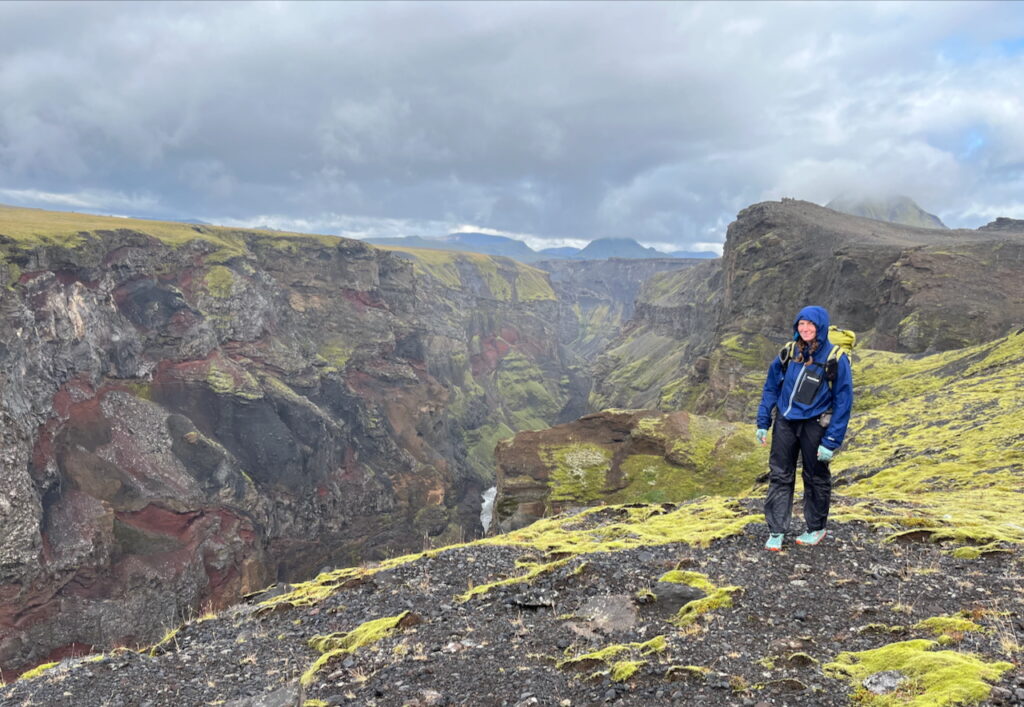
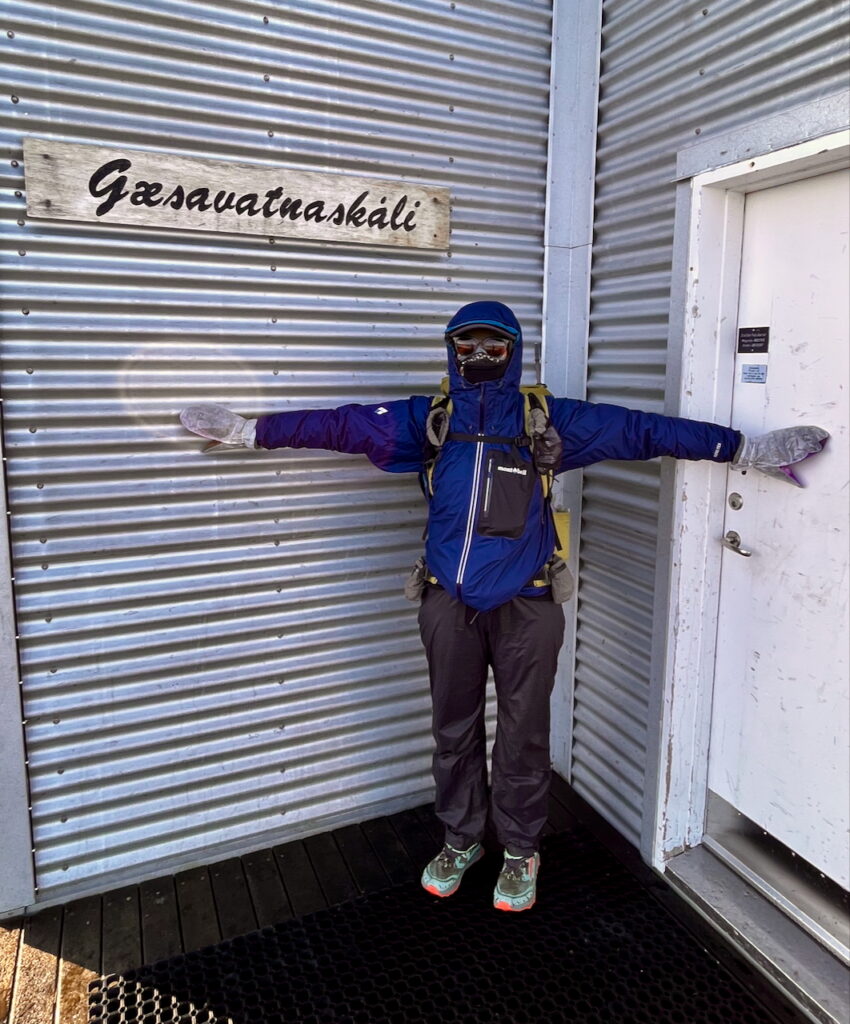
- Rain Shell: The Montbell Storm Cruiser was selected for its 3-layer protection, which provided the necessary defense against the sustained, heavy rainfall characteristic of the Icelandic autumn.
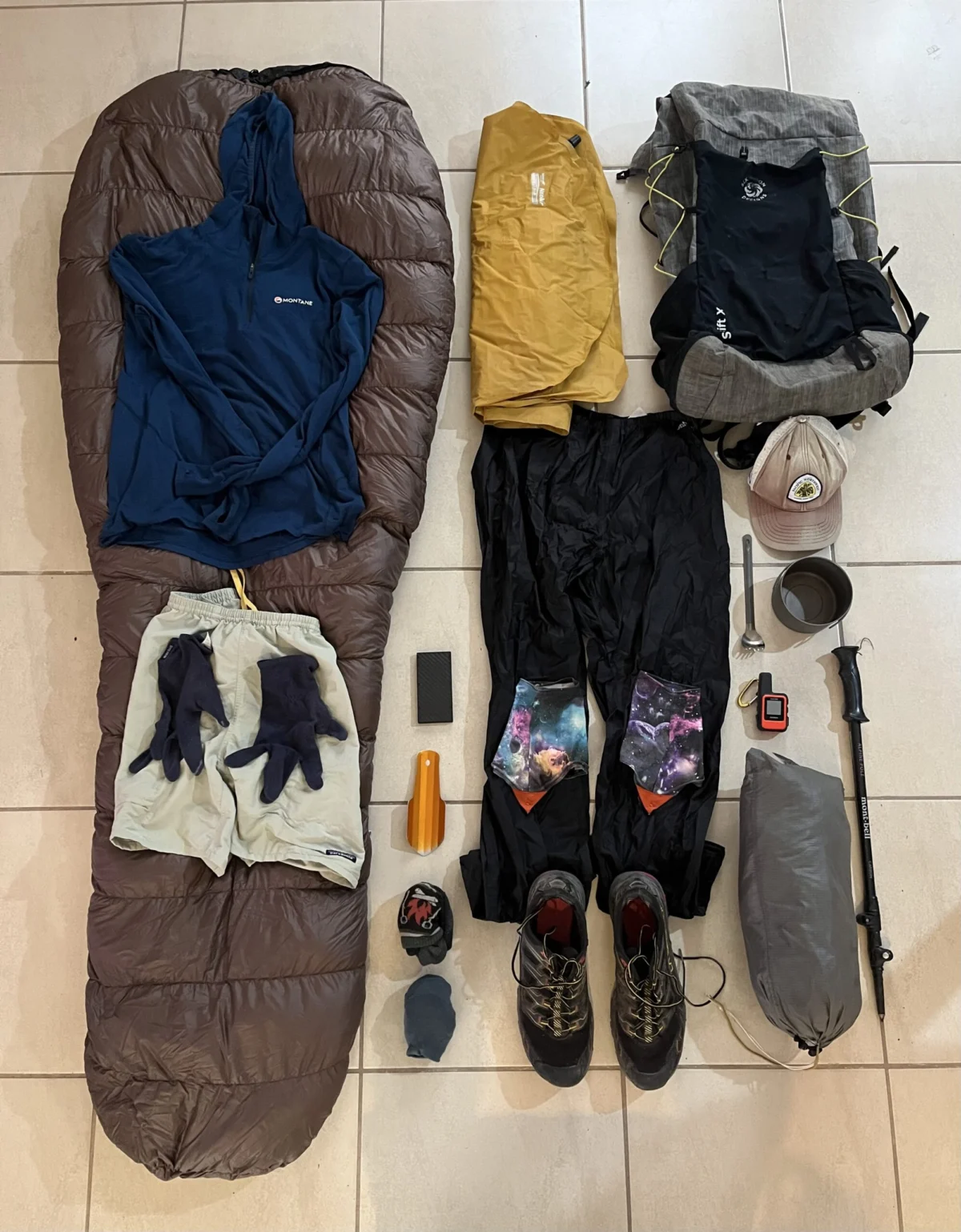
- Insulation: The combination of the Montbell Plasma 1000 Alpine Down Parka and the Montane Allez Micro Hoodie (a grid-fleece layer) provided the necessary warmth-to-weight ratio.
- Extremities: Mountain Laurel Designs Rain Mitts and Montbell Chameece Liner gloves were indispensable. Even in summer, the wind-chill factor in the Highlands can lead to rapid onset hypothermia without proper hand protection.
Official Observations and Field Notes
The Icelandic wilderness is not a place for experimental gear. Every item in our kit had been tested over years of previous use.
Fuel and Logistics
Fuel procurement was a significant logistical challenge. We picked up canisters in Akureyri and coordinated with the Ferðafélag Íslands staff to cache supplies at the Dreki mountain hut. This level of planning is mandatory for any traverse of the interior, as there are no resupply points in the volcanic desert.
The Role of Technology
While we relied on traditional navigation (Suunto M-3G Global Pro compass), we also utilized essential digital safety tools. The Garmin inReach Mini was our lifeline, offering battery life that stretched to a month between charges.
From a safety perspective, I recommend three digital resources for any traveler in Iceland:
- SafeTravel.is: Essential for real-time weather alerts.
- Vedur.is: The national weather service, providing the most accurate wind and precipitation forecasting.
- Map.is: A highly detailed topographic mapping resource.
Implications for Future Expeditioners
The 2023 Iceland traverse underscores a fundamental truth about long-distance trekking: your gear is an extension of your survival instinct.
- The "Bombproof" Requirement: If you are planning a traverse, do not attempt to shave ounces at the expense of your shelter’s structural integrity. A shelter failure in the Highlands is not an inconvenience; it is a critical safety event.
- Psychological Preparation: The landscape of the interior is stark, vast, and often featureless. The psychological toll of the wind and the isolation is as significant as the physical demands.
- The Importance of Hot Springs: While they are recreational highlights, the hot springs we visited at Landmannalaugar served a practical purpose: recovery. The inclusion of a small microfiber towel is, in my view, mandatory. It is one of the few luxury items that provides a disproportionate return in terms of comfort and hygiene.
Final Thoughts
This expedition reinforced my commitment to the "kit-testing" philosophy. By bringing items that had already proven their worth over hundreds of nights in the field—such as the Katabatic Alsek quilt and the SmartWater bottle hydration system—we were able to focus on the terrain rather than managing equipment failures.
Iceland is a country of extremes. It demands respect, preparation, and the willingness to accept that the weather will always have the final say. Whether you are traversing the coastal fjords of the north or the volcanic deserts of the interior, success lies in the intersection of thoughtful preparation and the ability to adapt to the shifting whims of the North Atlantic.
Disclosure: This post contains affiliate links. The Hiking Life receives a small commission if you purchase an item after clicking on these links. This support allows us to continue providing detailed, field-tested content for the global backpacking community.