By Samuli Haapasalo
Originally published in "Vuosi luonnossa" (A Year in Nature), October 20, 2026
In the vast, undulating expanse of the Arctic tundra and the rugged highlands of Finnish Lapland and Northern Norway, there exists a bird of ethereal beauty: the long-tailed skua (Stercorarius longicaudus). With its slender silhouette and elongated, ribbon-like tail feathers, it is perhaps the most graceful of its kind. Yet, despite its delicate appearance, this predator is a master of the harsh northern wilderness—a bird whose presence is as unpredictable as the climate it inhabits.
Main Facts: A Master of the Northern Wilds
The long-tailed skua is a small, agile seabird of the skua family (Stercorariidae). Unlike its larger, more aggressive cousins, the long-tailed skua is characterized by its elegance, lightness in flight, and a distinct, high-pitched call that often echoes across the desolate mountain heaths.
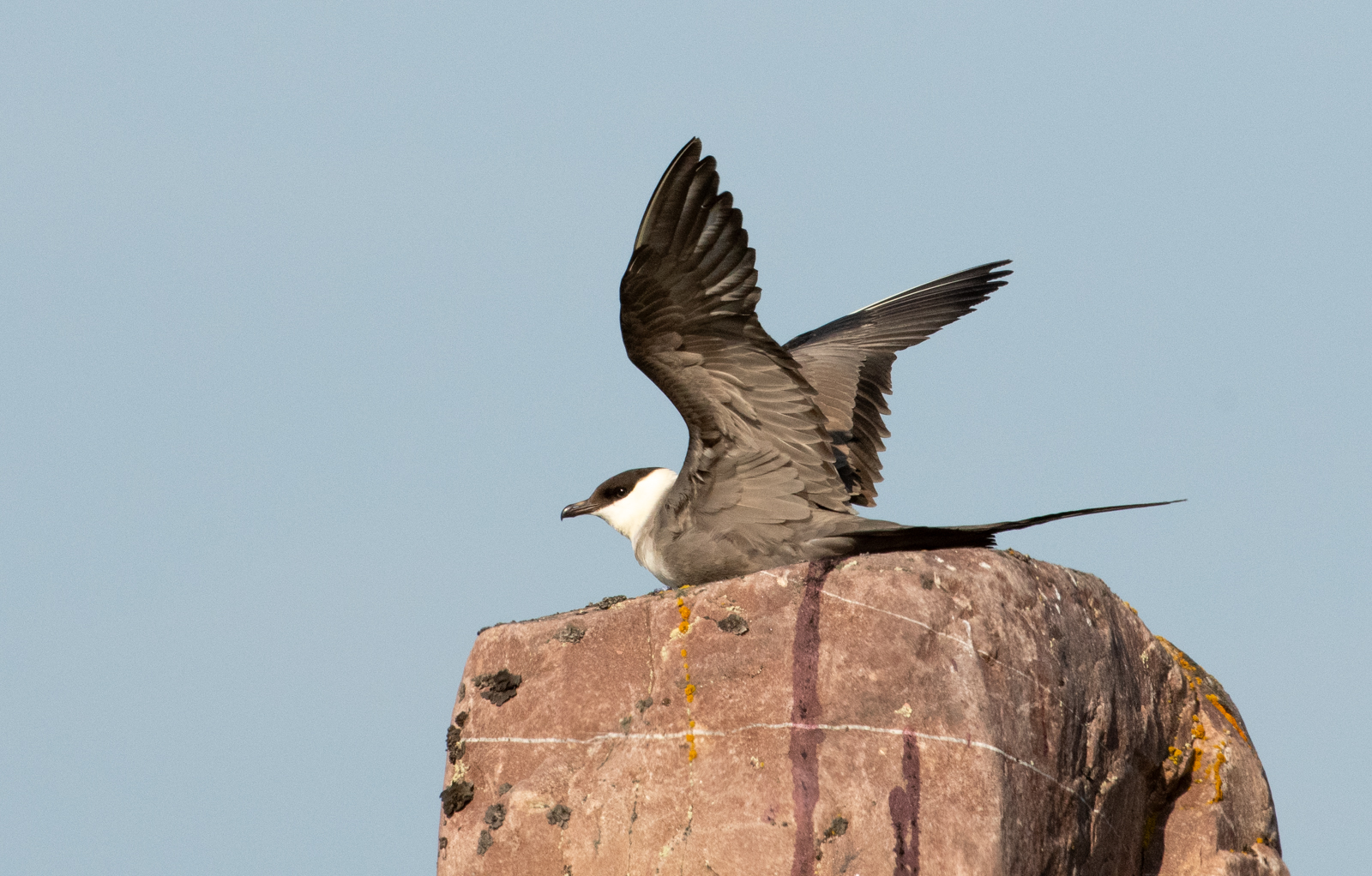
Its most identifying feature is, of course, its tail. The central feathers can extend significantly beyond the rest of the tail, giving the bird an unmistakable silhouette. When in flight, the long-tailed skua is a study in fluid motion, displaying a level of agility that allows it to capture insects in mid-air or navigate the turbulent winds of the high Arctic with ease.
While they are globally distributed across the Arctic, their breeding success in the Fennoscandian regions is highly localized and notoriously fickle. They are not merely birds of the coastline; they are true masters of the inland tundra, often venturing far from the sea to raise their young in the quiet solitude of the fell country.
Chronology: The Pulse of the Tundra
The presence of the long-tailed skua in the Finnish and Norwegian highlands is governed by the rhythm of the ecosystem. Looking back through decades of ornithological observation, we see a pattern of extreme variability.
- 1970s – The Insect Boom: Historical records, such as those from the early 1970s in the Utsjoki region, provide a rare glimpse into the opportunistic nature of these birds. Near Piesjärvi, observers documented a massive gathering of 62 long-tailed skuas. This was not a typical hunting scenario; rather, it was a response to a swarming hatch of mosquitoes that darkened the surface of the mountain lakes. It remains one of the most remarkable displays of communal insect foraging ever recorded in the region.
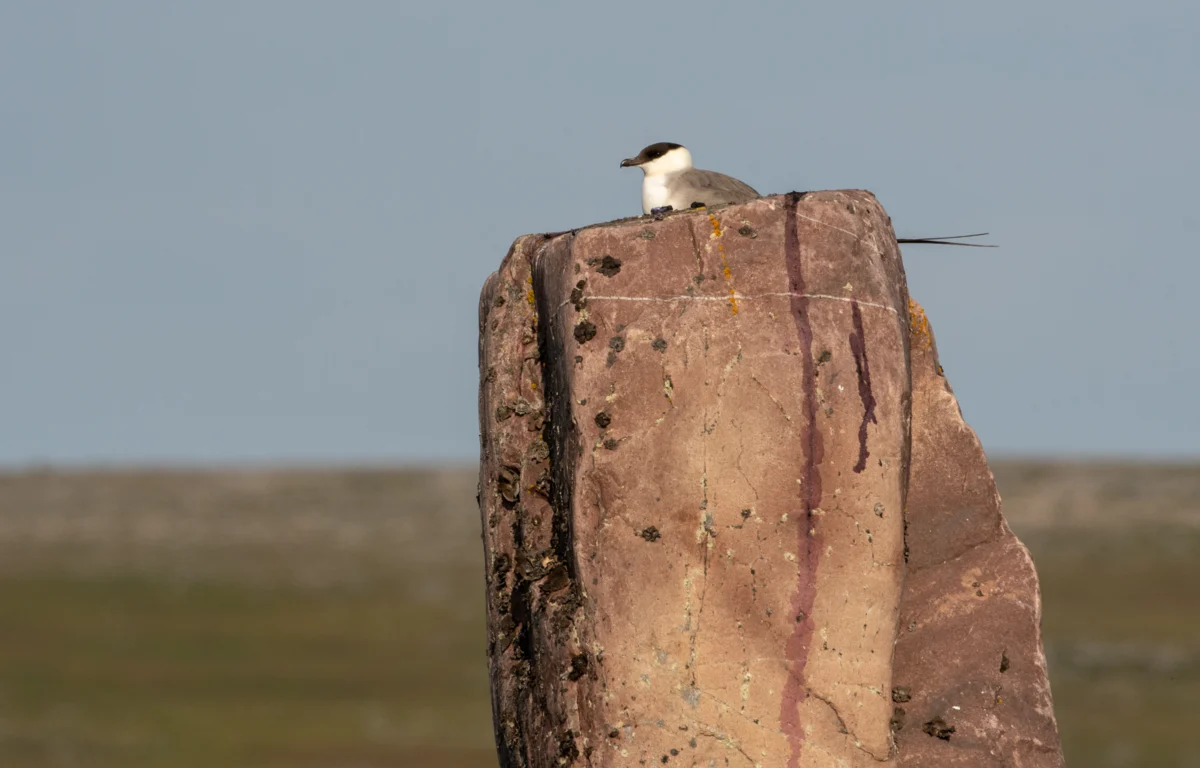
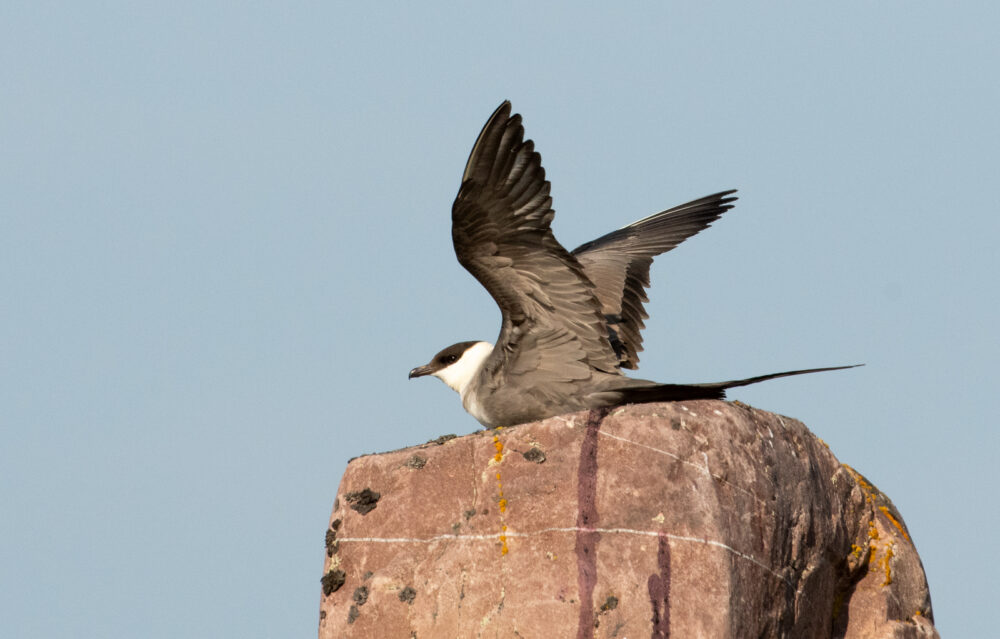
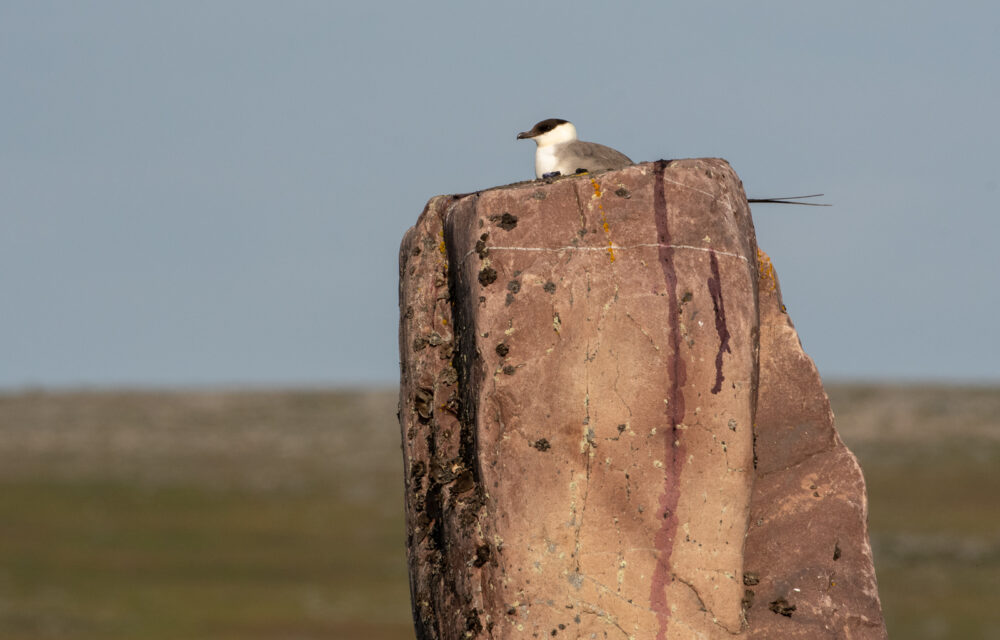
- The Modern Era (2026): As of October 2026, field observations on the Varanger Peninsula indicate that the long-tailed skua continues to act as a bellwether for the health of the tundra. During recent expeditions, specimens were observed perched stoically on stone monoliths, acting as sentinels of the landscape. These birds were likely guarding nesting sites, though they remained discreet—a stark contrast to the more aggressive territorial behavior of other skua species.
Supporting Data: The Cycle of Predators and Prey
The "boom or bust" population dynamics of the long-tailed skua are inextricably linked to the population cycles of small mammals. In the Arctic, the availability of lemmings and voles acts as the primary engine for breeding success.
The Lemming Connection
When lemming populations are high, the long-tailed skua flourishes. The abundance of prey allows for successful chick rearing and, in peak years, a higher percentage of the population participates in breeding. Conversely, in years where small mammal numbers crash, the skuas may remain in the region as non-breeding wanderers, or they may bypass the area entirely, leaving the tundra eerily devoid of their presence.
Comparative Biology: The Skua Family
To understand the long-tailed skua, one must compare it to its peers. The skua family is a diverse group, each occupying a specific niche:
- The Long-tailed Skua: The specialist of the inland tundra. It relies heavily on insects and small rodents rather than the piracy that defines its larger relatives.
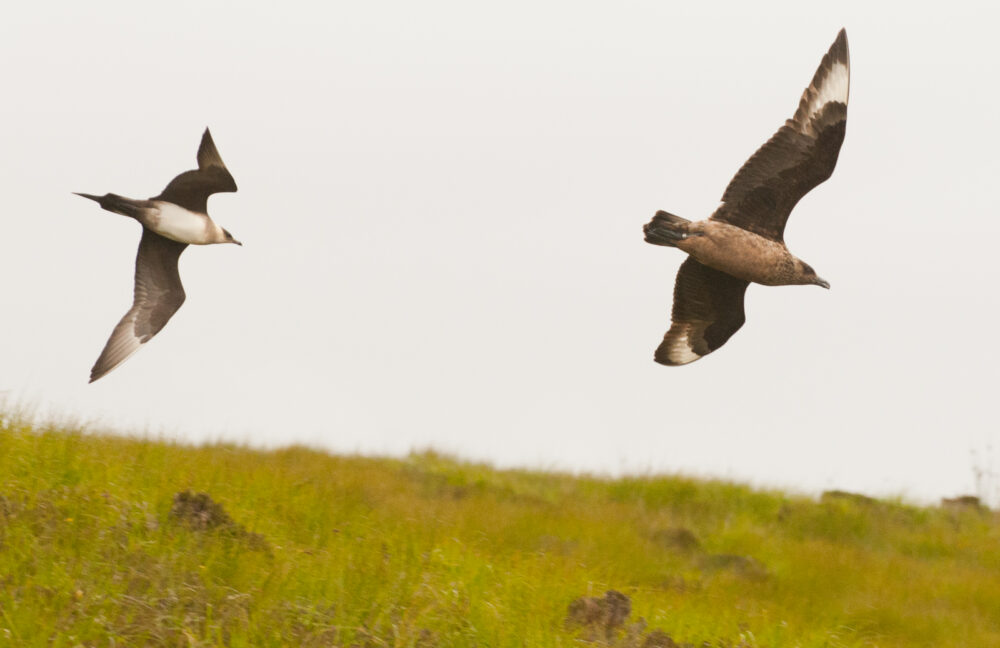
- The Arctic Skua (Merikihu): Often called the "poop-chaser" or "pirate" by coastal locals, this bird is known for its kleptoparasitic behavior. It harries terns and gulls, forcing them to regurgitate their hard-won catch. While the long-tailed skua is capable of this when forced to forage at sea, it is not its primary survival strategy.
- The Great Skua (Isokihu): A robust, powerful predator. It is the heavyweight of the family, capable of dominating other birds and often acting as an apex predator in its nesting grounds.
- The Pomarine Skua (Leveäpyrstökihu): Distinguished by its "spoon-shaped" tail feathers and a prominent breast bulge in flight. While it also feeds on small mammals, its migratory behavior often brings it into contact with coastal environments where it may scavenge or harass other seabirds.
Official Responses and Conservation Observations
While the long-tailed skua is not currently listed as globally endangered, its reliance on specific Arctic habitats makes it vulnerable to climate change. Ornithological organizations in the Nordic countries emphasize that the disruption of the "tundra cycle"—the predictability of snow cover, spring melt, and prey availability—poses a significant long-term threat.
Field researchers have noted that the long-tailed skua’s behavior is highly sensitive to human presence. In the Varanger region, observers exercise extreme caution. If a human approaches a nesting site too closely, the bird’s demeanor shifts from passive sentinel to aggressive defender. In extreme cases, they have been known to dive-bomb intruders, aiming their sharp bills at hats or heads to drive away the threat. This is a crucial defense mechanism, yet it is one that researchers try to avoid triggering to ensure the survival of the chicks.
Implications: A Future in Flux
What does the shifting population of the long-tailed skua mean for the future of the North?
Ecological Indicators
The long-tailed skua is a sentinel species. When they are absent or failing to breed, it is a clear signal that the underlying food web of the tundra is struggling. As we move through the late 2020s, monitoring these populations is not just a matter of ornithological interest; it is a way to track the stability of the Arctic ecosystem.
The Global Migration
One of the most profound aspects of the long-tailed skua is its incredible journey. Once the brief Arctic summer concludes, these birds depart for the world’s great oceans. Some individuals travel as far as the Southern Hemisphere, crossing the equator to spend the winter in the vast blue expanses of the southern seas. This migratory feat highlights the interconnectedness of our planet—the same bird that hunts insects on a remote Utsjoki lake in June may be soaring over the Antarctic currents in January.
A Call for Continued Research
As we look toward the future, the preservation of the long-tailed skua requires the protection of the vast, undisturbed tracts of the Arctic. Unlike species that adapt to urban sprawl, the long-tailed skua requires the silence and the space of the wilderness.
The beauty of these birds lies in their mystery. Whether they are perched on a lichen-covered rock in the Varanger wilderness or performing aerial acrobatics in the high winds of the North Atlantic, they represent a vital link to the primal state of our natural world. We must ensure that their cycles of arrival and departure continue for generations to come, providing us with a glimpse into the resilient, albeit fragile, life of the high north.
For those interested in supporting the ongoing documentation of these species, consider subscribing to "Suomen Luonto" (Finnish Nature). Our commitment to expert-led, environmental journalism helps ensure that the stories of our wilderness—and the creatures that call it home—are told, studied, and protected.