The Reality of Risk in the Amazon Headwaters
In the remote, unforgiving depths of the Peruvian Andes, the Marañón River cuts a path through the earth that defies casual exploration. For Sam Johnston, a seasoned lead guide with Montana River Guides and a technical instructor for the Whitewater Rescue Institute (WRI), this expedition was meant to be the pinnacle of self-supported kayaking. Instead, it became a profound masterclass in the fragility of human judgment when stripped of modern support systems.
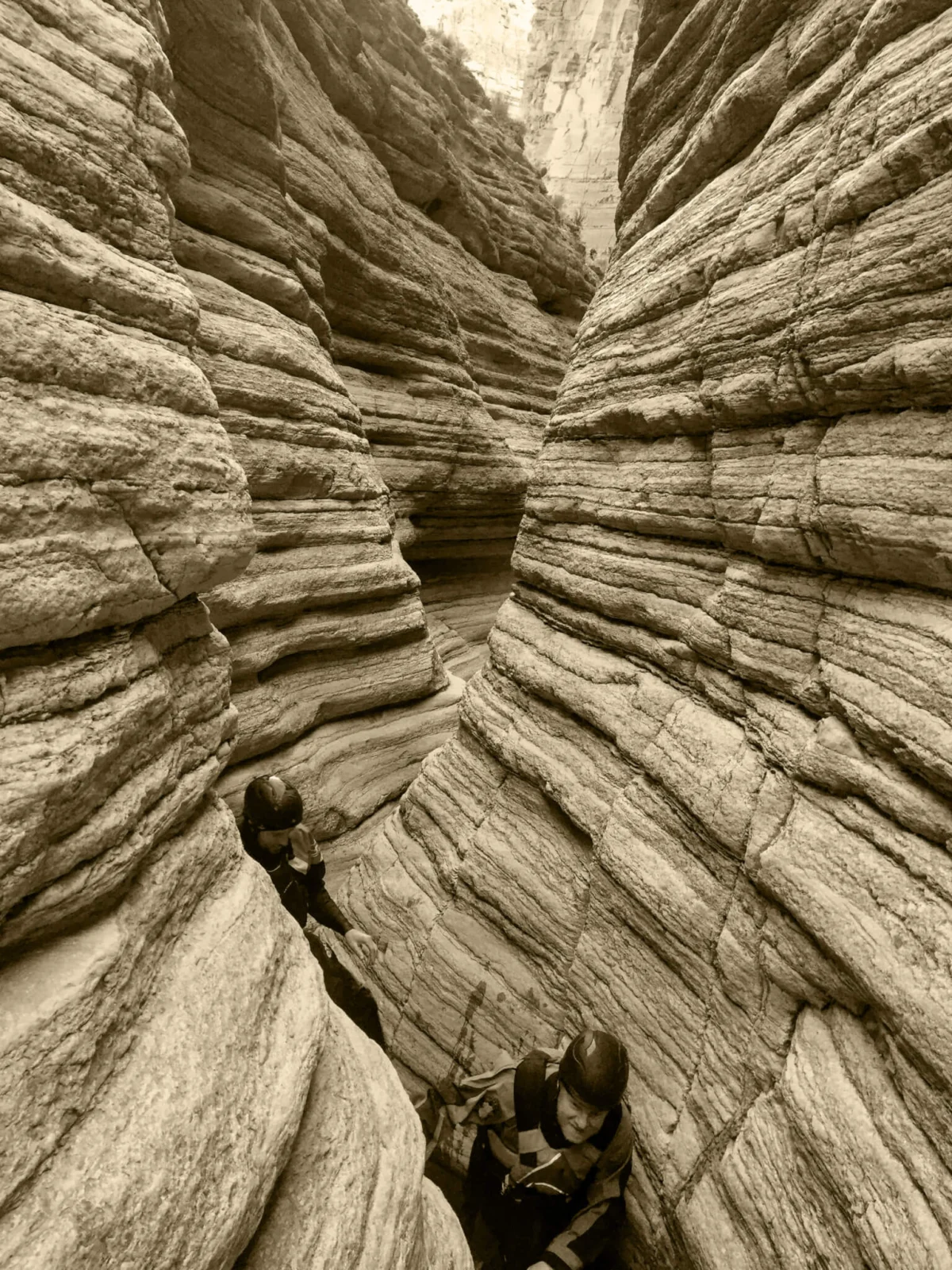
The Marañón is not merely a river; it is a commit-or-die environment. Within its Inner Gorge, canyon walls soar hundreds of feet, effectively sealing off the river from the outside world. Here, the nearest medical clinic or emergency extraction point is often a multi-day trek away. When Johnston and his team navigated this treacherous corridor, they weren’t just battling rapids—they were engaged in a constant, high-stakes negotiation with their own survival instincts. The expedition, which was recently detailed in the Downriver Journal, serves as a stark reminder that even the most elite rescue professionals are susceptible to the psychological erosion that occurs in extreme environments.
Chronology of an Expedition
The journey began with the standard logistical preparation expected of professional paddlers, but the reality of the Marañón quickly outpaced their training simulations.

The Near-Miss at Wasson’s Slide
The turning point for the team occurred at Wasson’s Slide, a notorious section of the river that requires extensive portaging. Under the relentless, blistering heat of the Peruvian sun, the team was physically and mentally taxed. Johnston, while scouting a new line, placed his weight on what he assumed to be a stable boulder. The rock, roughly the size of a washing machine, shifted instantly. His instinctive shout of "Rock!" barely preceded the movement of the massive stone as it tumbled toward his teammate, Dayton. The rock wedged between two others just inches from where Dayton stood in the shallow water. This incident, while avoided, served as a chilling realization: the "safe" zones—the lunch spots and portage routes—are often where the guard is let down, and the consequences of a lapse in focus are immediate.
The Crucible of Illness
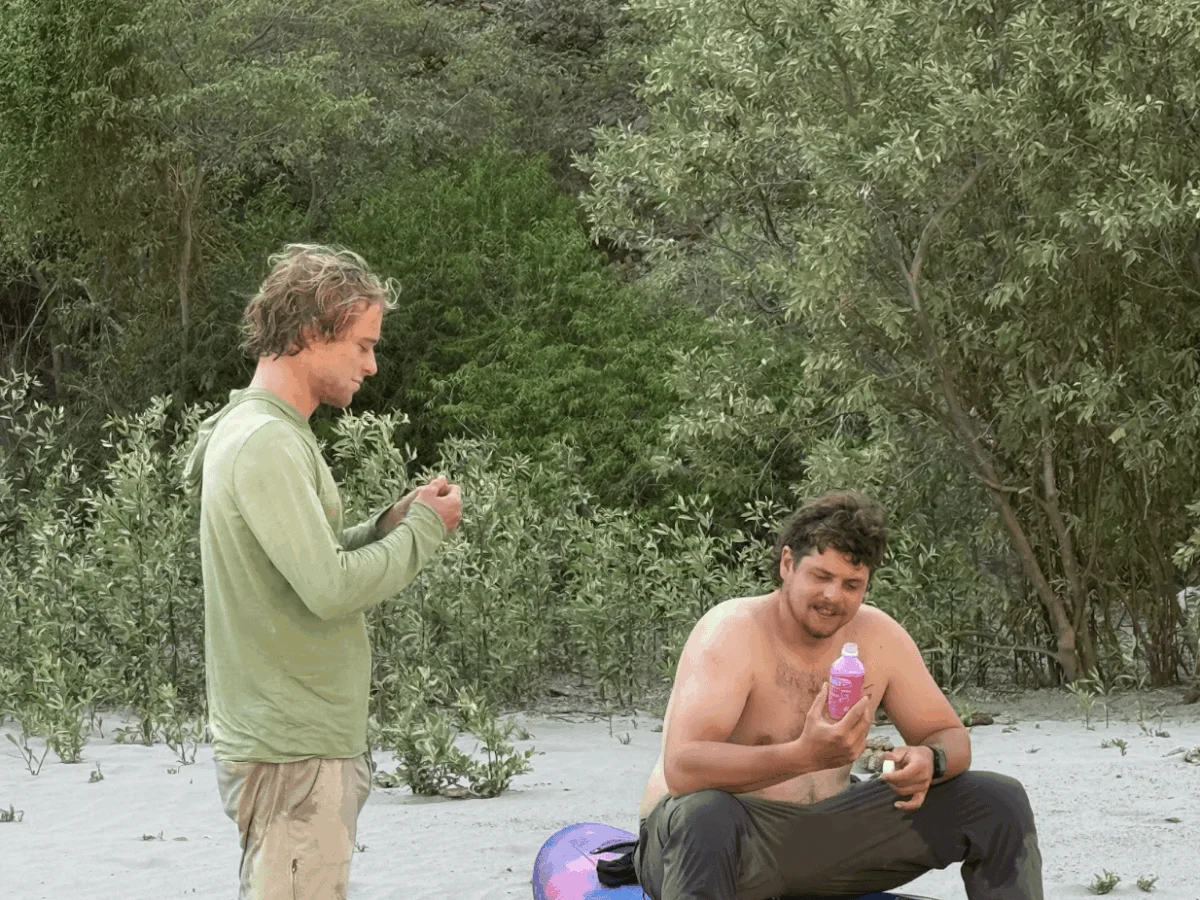
As the team progressed into the Upper Canyon, a new, biological threat emerged. Three of the five members contracted a severe illness, rendering them physically incapacitated. Sheltered beneath a bridge in a small town in Ancash, the team faced a crisis of logistics. With limited medical supplies, Johnston and Jack were forced to navigate a foreign, and increasingly hostile, local environment to secure resources. They returned with basic supplies and unlabeled antibiotics provided by villagers who were growing wary of the strangers in their midst. This period of the trip stripped away the veneer of the "expedition athlete," leaving behind only dehydrated, sleep-deprived individuals tasked with life-or-death decision-making.
The Psychological Barrier
Later in the journey, the team faced the Samosera Rapid. Standing on the bank, Johnston performed an honest, uncomfortable self-assessment. He questioned his motivations for running the massive feature: Was it a calculated, tactical choice, or a reaction to the pressure of group dynamics? By acknowledging the role of ego, Johnston was able to navigate the rapid successfully, but the moment highlighted the danger of "performance pressure" in remote wilderness settings.

Supporting Data: The Anatomy of Safety
The lessons gleaned from the Marañón translate directly into the rigorous standards taught at the Whitewater Rescue Institute (WRI). The following five pillars of swiftwater safety form the backbone of modern rescue doctrine, as validated by Johnston’s experience:
- Continuous Scene Size-Up: Hazards are not limited to the active current. They include the terrain, the structural integrity of the banks, and the proximity of gear.
- Cognitive Degradation: Decision-making ability decays rapidly under physiological stress—dehydration, lack of sleep, and extreme heat. Checklists and systemic protocols exist to mitigate this inevitable mental decline.
- Containment as Strategy: True containment requires a pre-planned, tactical layout of rescuers and backup systems, rather than a hopeful "wish" that things will go well.
- Ego-Management: The "most dangerous piece of equipment" on the river is the human ego. Recognizing one’s own limitations is a skill as vital as the ability to roll a kayak.
- Coexistence, Not Conquest: The river is an ancient, indifferent force. Professional rescuers do not "conquer" water; they achieve the proficiency necessary to work within its parameters safely.
Official Perspectives on Professional Preparedness
From the perspective of organizations like the Whitewater Rescue Institute, Johnston’s account is a sobering validation of why technical training must be recurrent. WRI, which operates on the Clark Fork River in Alberton, Montana, emphasizes that skills are perishable.
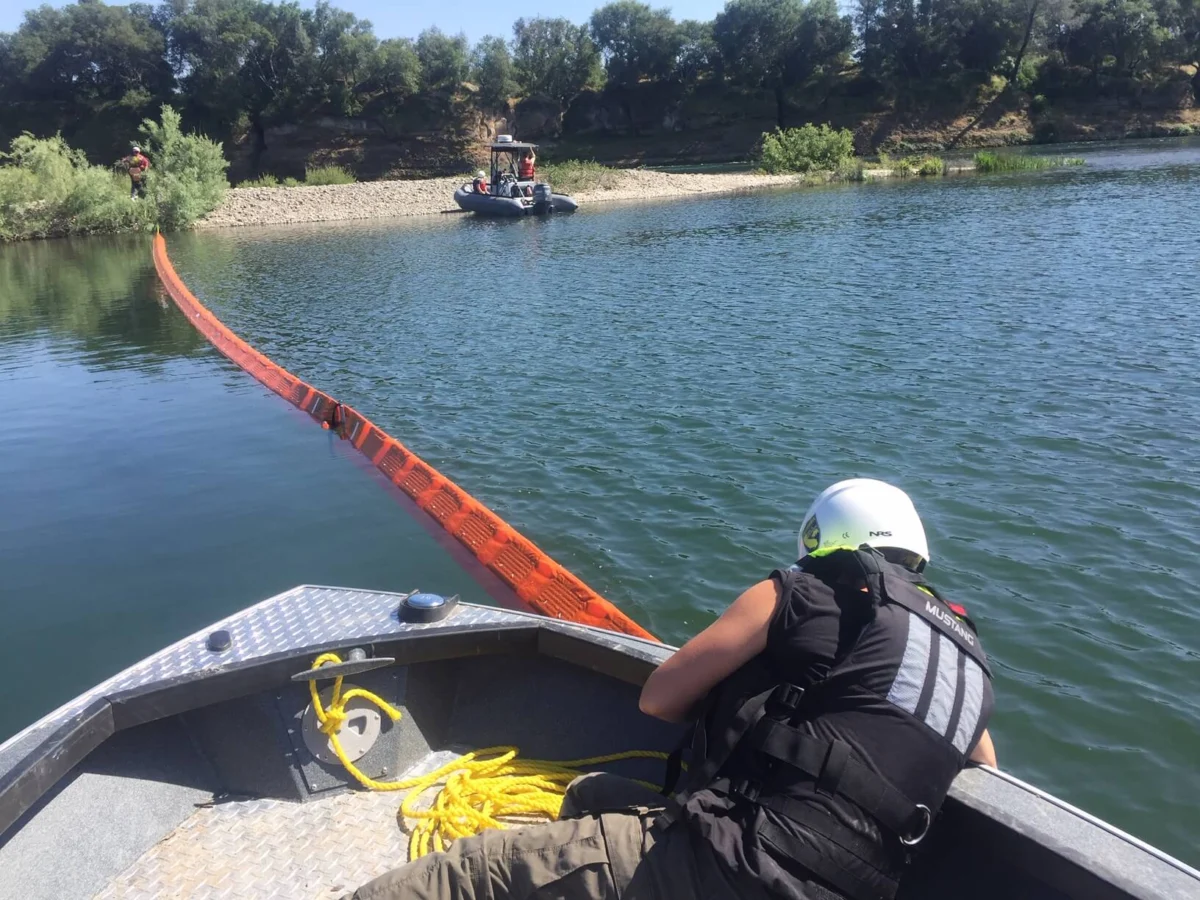
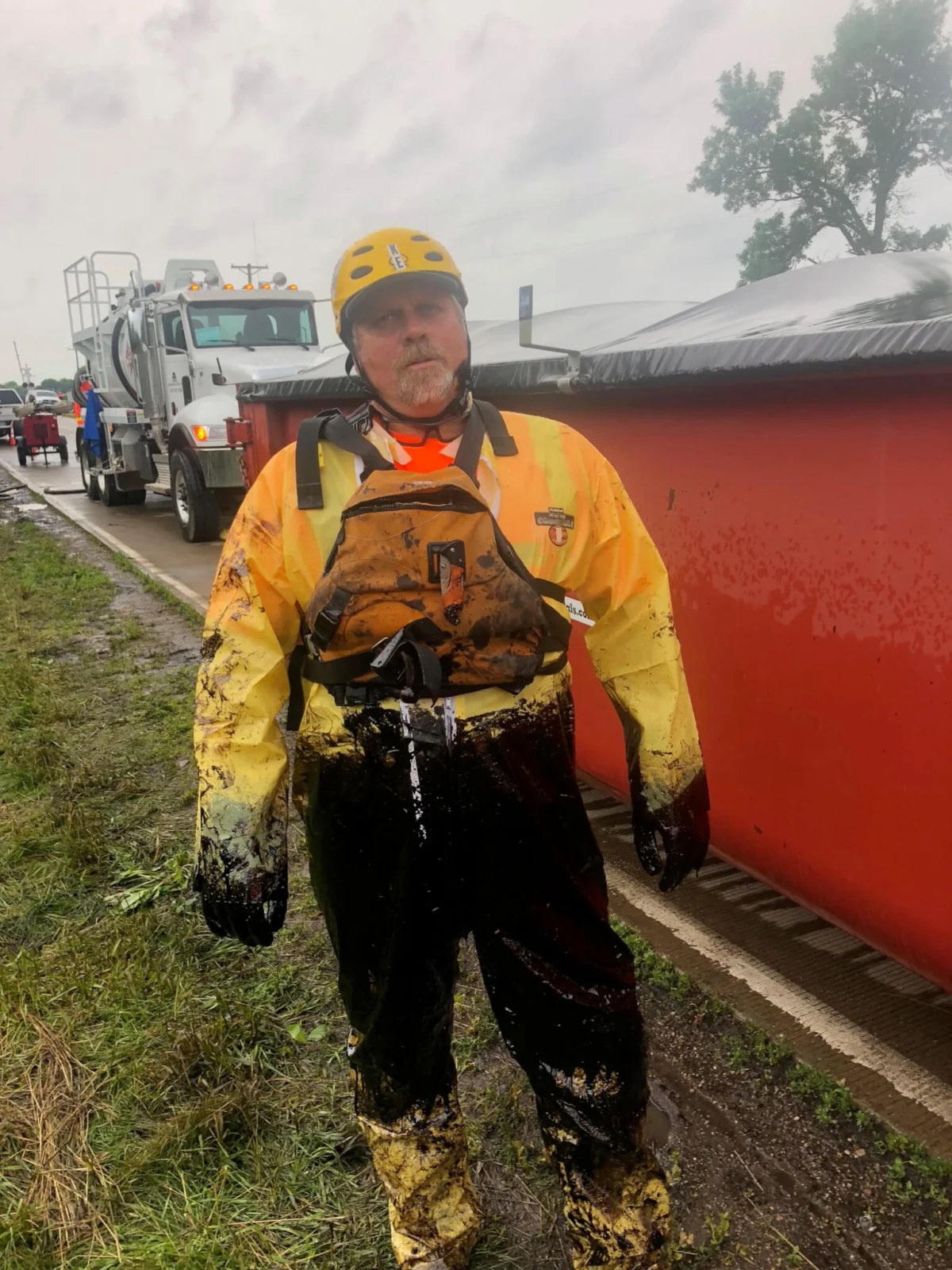
"The only thing more dangerous than never taking a rescue course is taking one once and assuming you still remember it a decade later," Johnston notes. WRI’s curriculum, which adheres to NFPA 1006 and 2500 standards, is designed to simulate the high-pressure environment of a real-world incident. Whether for boat operations, rope rescue, or fastwater spill response, the institute’s focus remains on creating a mental framework that survives the loss of clear-headedness. As a USCG-classified Oil Spill Removal Organization, WRI emphasizes that their methodologies are not just academic—they are the standard for agencies tasked with protecting lives and the environment in the most volatile conditions.

Implications for the Future of Swiftwater Rescue
The implications of the Marañón expedition are clear: the difference between a successful mission and a tragedy is often a matter of seconds and inches. The transition from a controlled training environment to a remote, high-stakes wilderness setting reveals the gaps in an individual’s readiness.
For the professional rescue community, the takeaway is an increased emphasis on "human factor" training. Technical proficiency—the ability to throw a rope or set a mechanical advantage system—is useless if the operator cannot maintain their situational awareness or if the team’s decision-making structure collapses under the weight of illness or exhaustion.
As Johnston prepares for his next season as a lead guide and WRI instructor, his message to his students is unified: treat every training session as if the lives of your teammates depend on it, because, eventually, they will. The Marañón proved that even a master of the craft is not immune to the river’s demands. The key to longevity in the field is not just physical strength or technical knowledge, but the humility to keep showing up for training, the discipline to follow established protocols, and the wisdom to recognize when the river has provided a warning.

The expedition stands as a testament to the fact that while we may venture into the headwaters of the Amazon or the cold currents of the Clark Fork, the challenges remain universal. We do not master the river; we master ourselves in the presence of the water. For those who choose to work in this environment, the commitment to ongoing education is not merely a professional requirement—it is the ultimate act of respect for the power of the water and the safety of the team.