Iceland is a land of extremes, but even by Icelandic standards, the Hornstrandir Peninsula stands apart. Located in the far reaches of the Westfjords, this pristine nature reserve is defined by its profound isolation. With no permanent human inhabitants, no road network, and access strictly limited to maritime transport during the short summer window, Hornstrandir is a vestige of the primeval North Atlantic. For the intrepid hiker, it offers a rare opportunity to traverse a landscape where the forces of nature remain completely uninhibited.
Main Facts: The Last Frontier
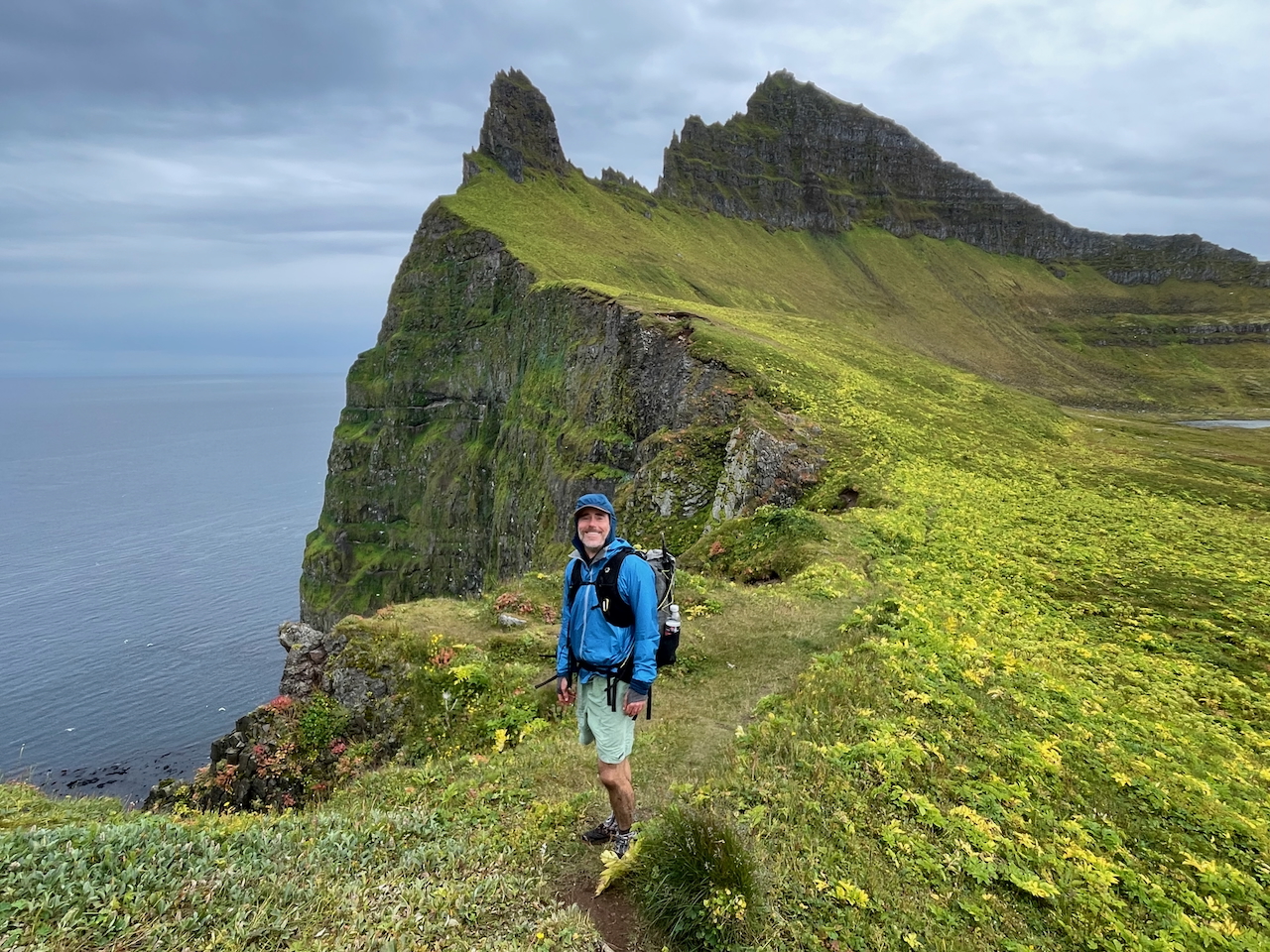
Hornstrandir is not merely a destination; it is an experience of raw, untamed geography. Declared a nature reserve in 1975, the peninsula covers a rugged expanse of dramatic sea cliffs, deep fjords, and high-altitude tundra.
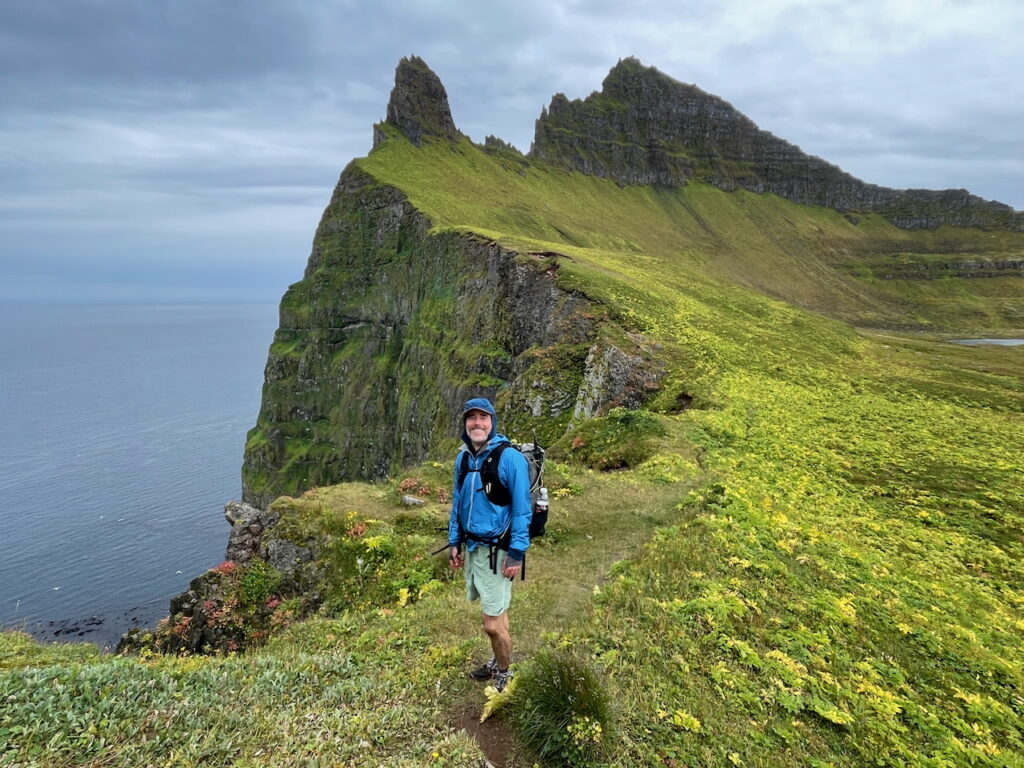
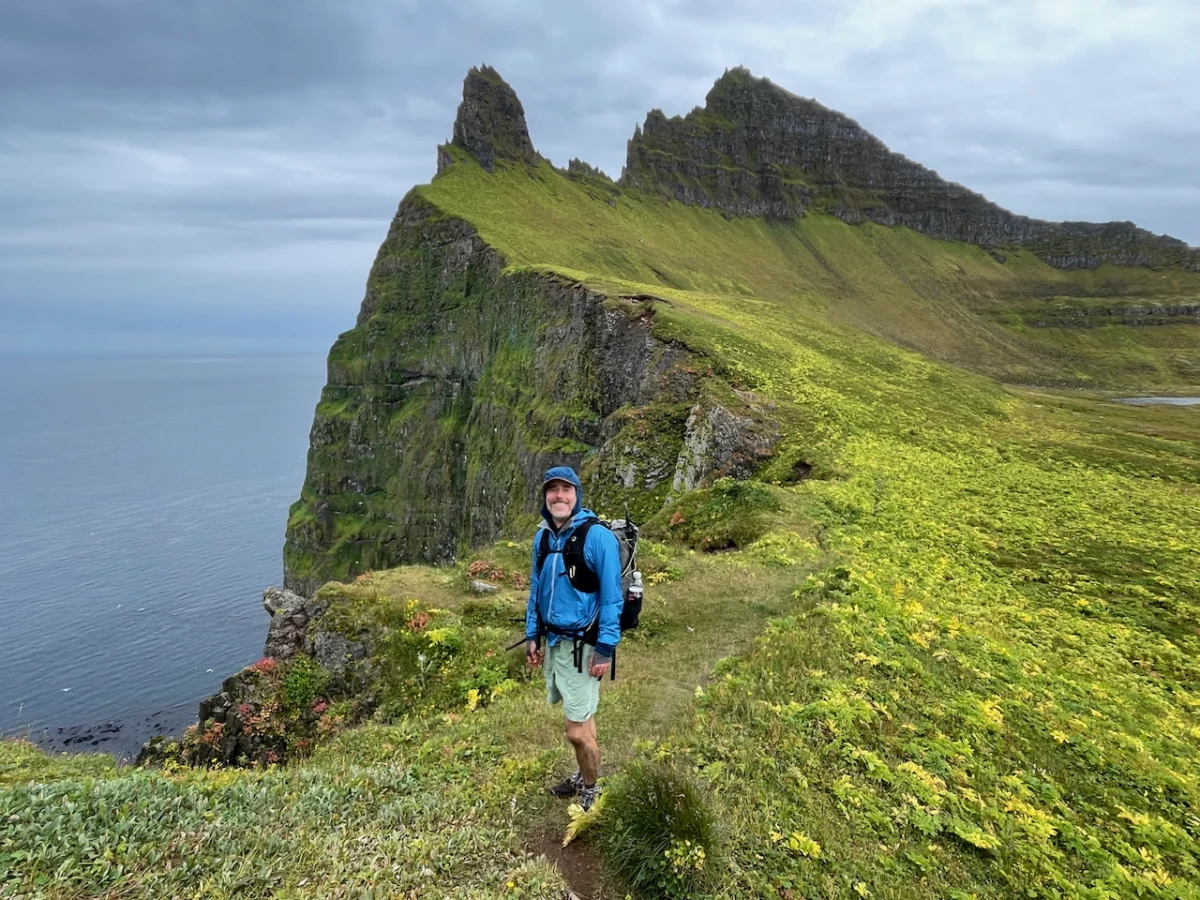
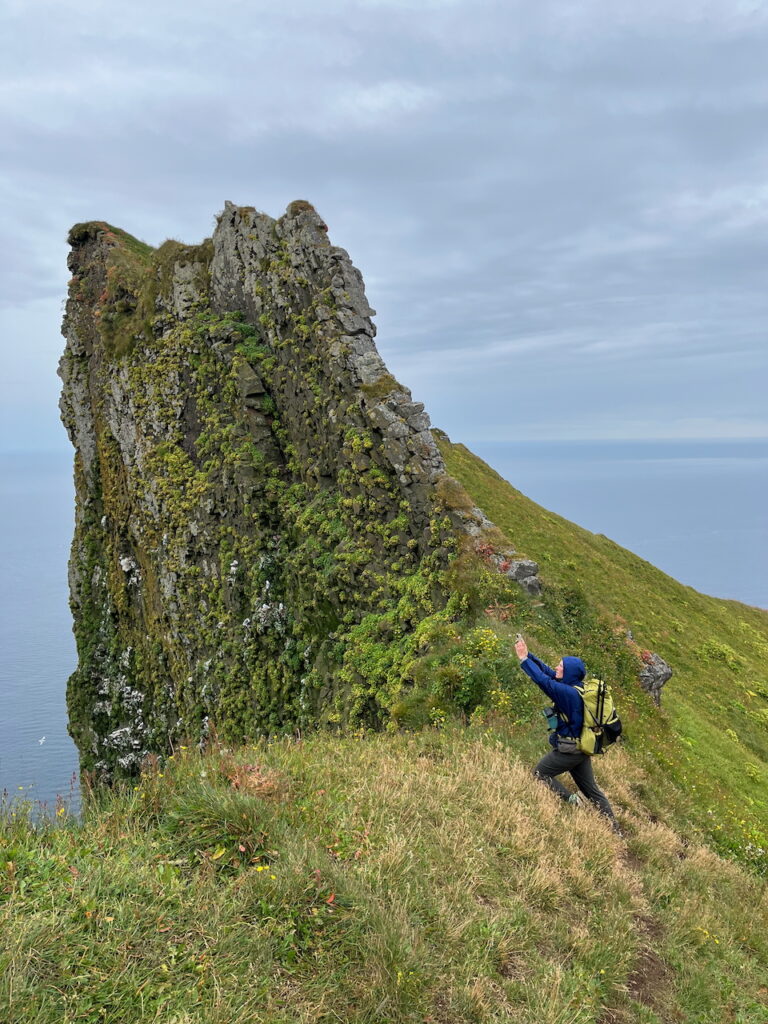
- Geography: The terrain is defined by its verticality. Massive sea cliffs, such as those at Hornbjarg, rise over 500 meters directly from the churning North Atlantic, creating a formidable barrier against the elements.
- Climate: The region is notorious for its volatile weather. Even in the height of summer, hikers must be prepared for sudden shifts from sunshine to dense, low-hanging mist or fierce, gale-force storms.
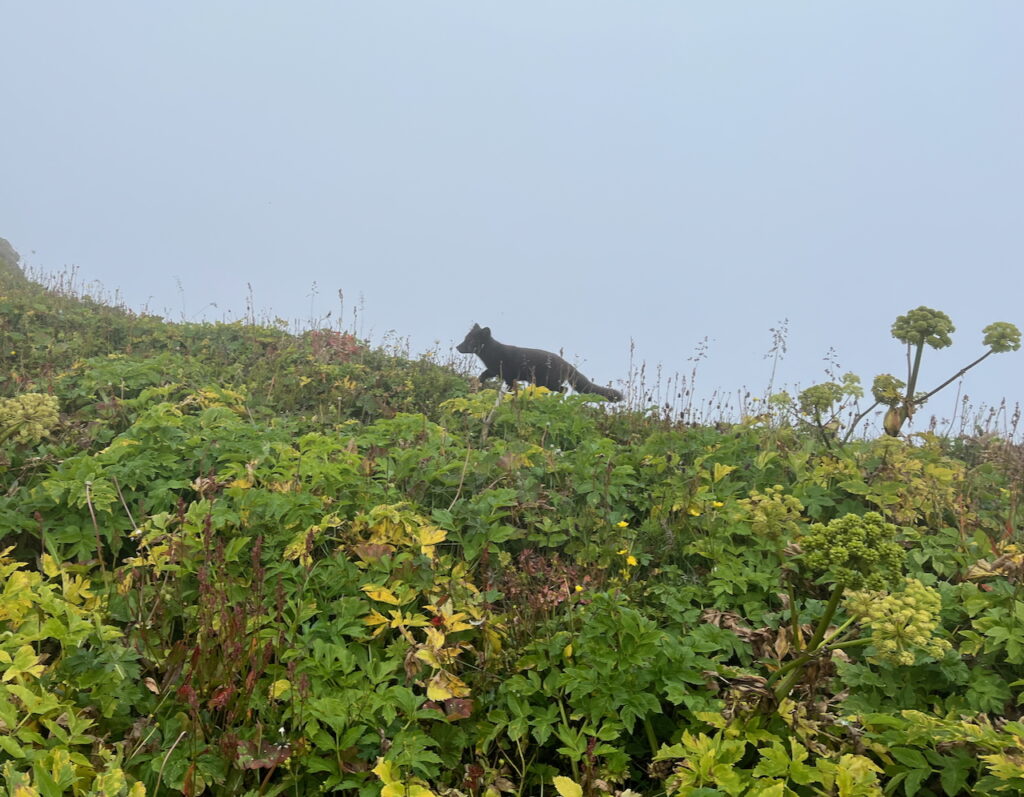
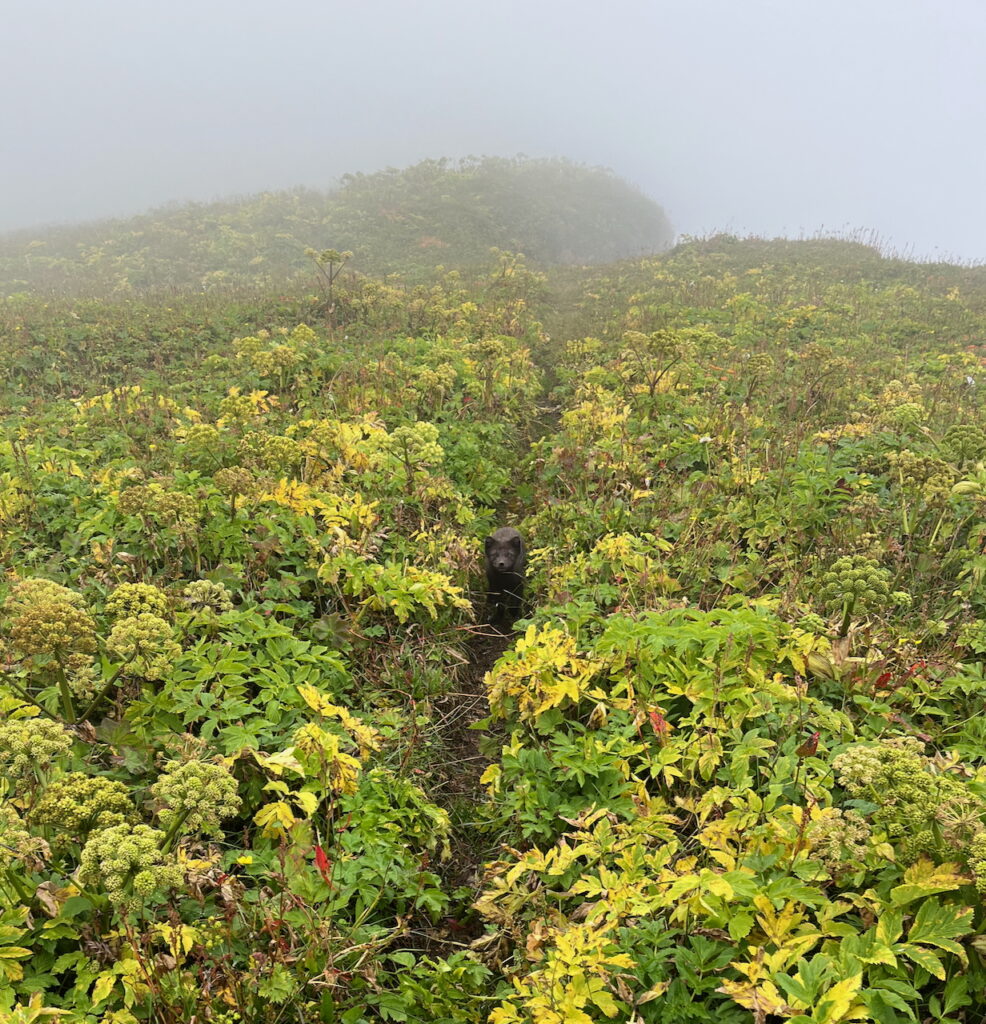
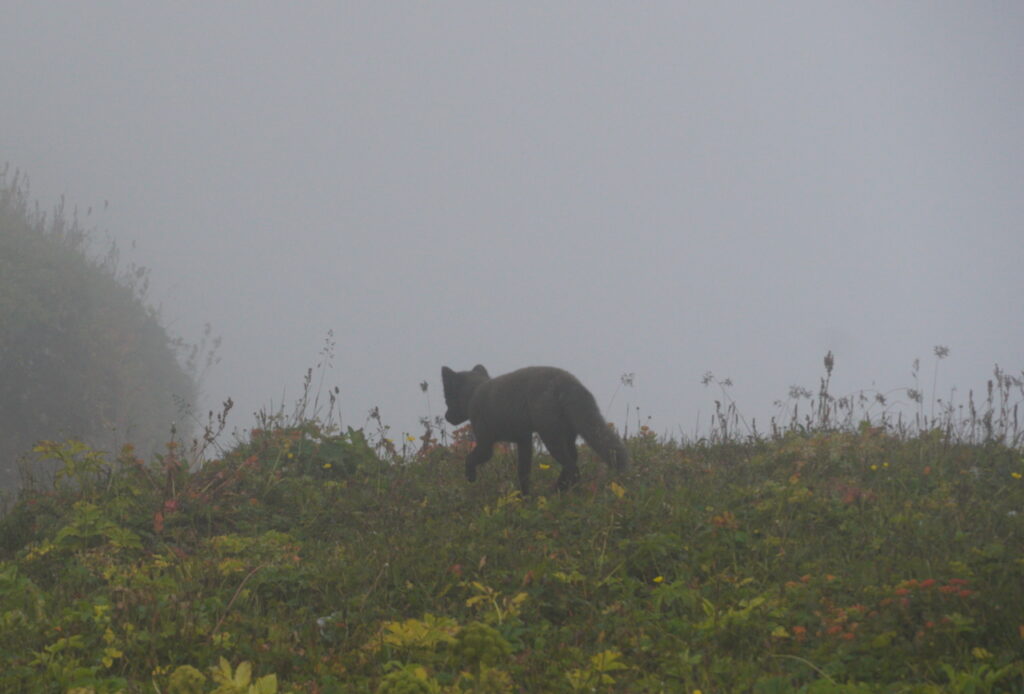
- Biodiversity: The lack of human presence for over half a century has allowed for a remarkable recovery of the ecosystem. The area boasts more than 260 species of vascular plants and serves as a vital sanctuary for arctic foxes—the only native land mammal in Iceland—and vast colonies of seabirds including puffins, guillemots, and razorbills.
Historical Context: From Outpost to Sanctuary
The history of Hornstrandir is one of gradual abandonment. Up until the mid-20th century, the region supported small, hardy communities reliant on subsistence farming and fishing. However, the economic shifts of the 1930s—specifically the collapse of the salt-fish market—and the subsequent closure of the herring station at Hesteyri in the 1940s rendered life in these remote fjords increasingly untenable.
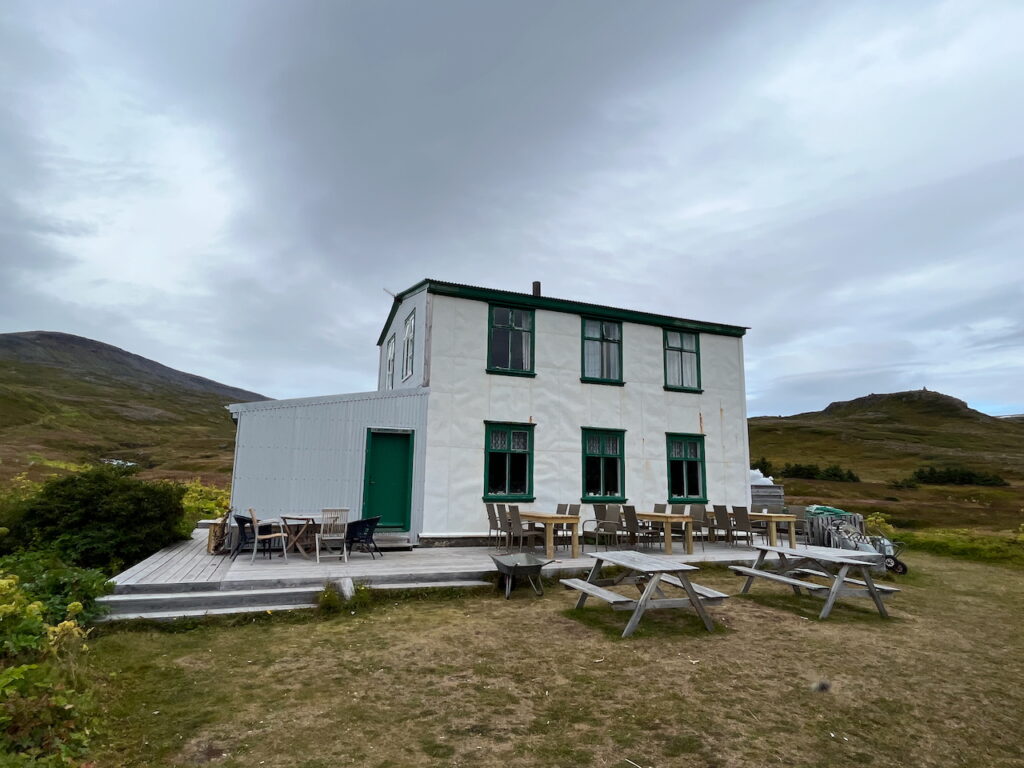
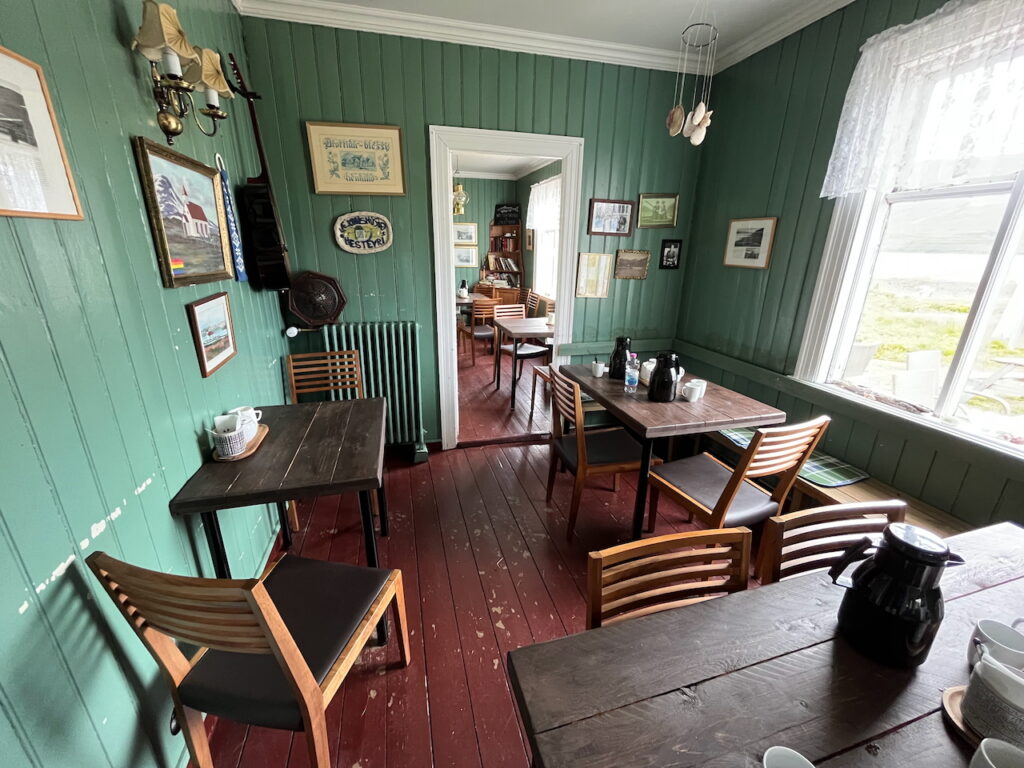
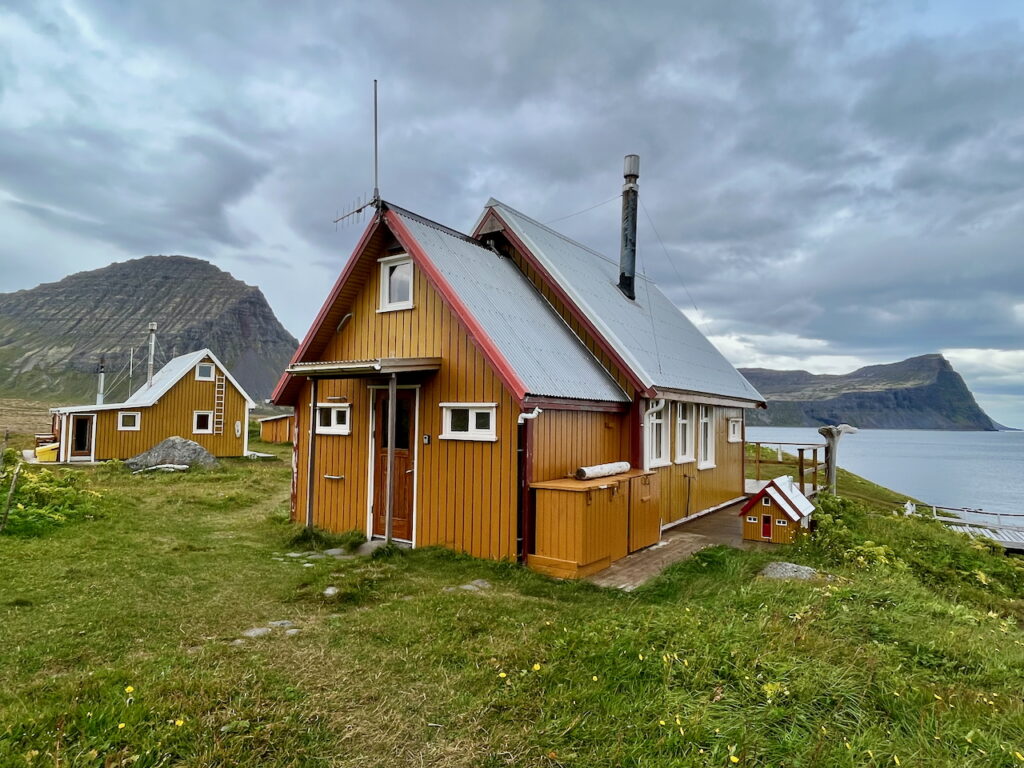
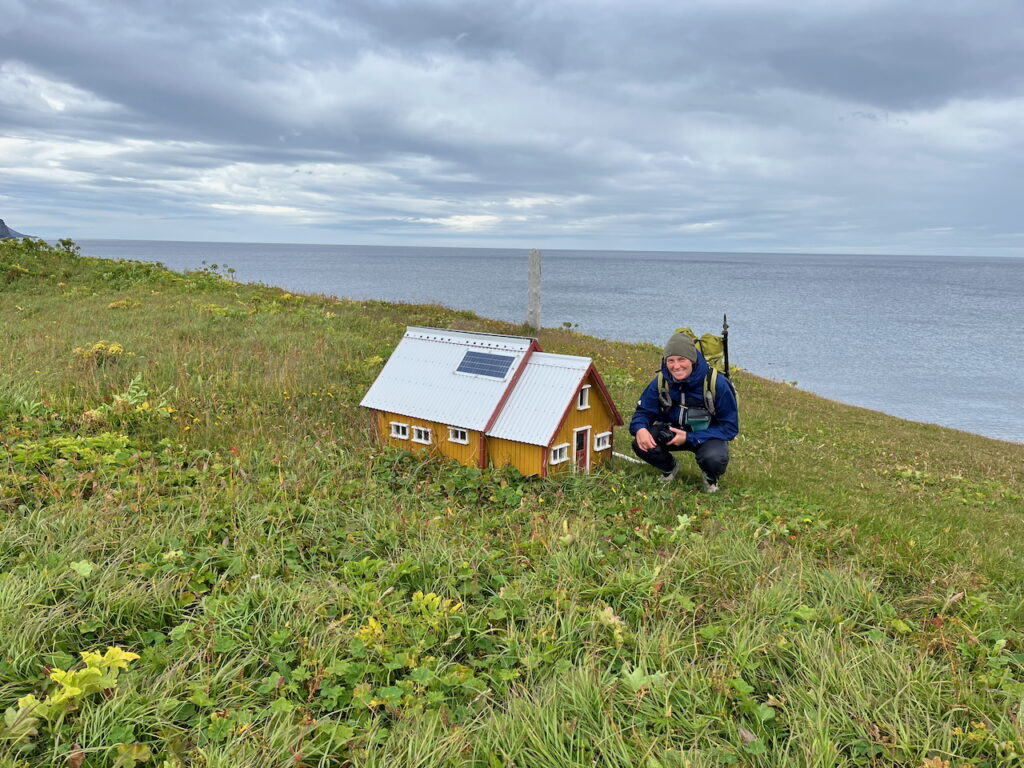
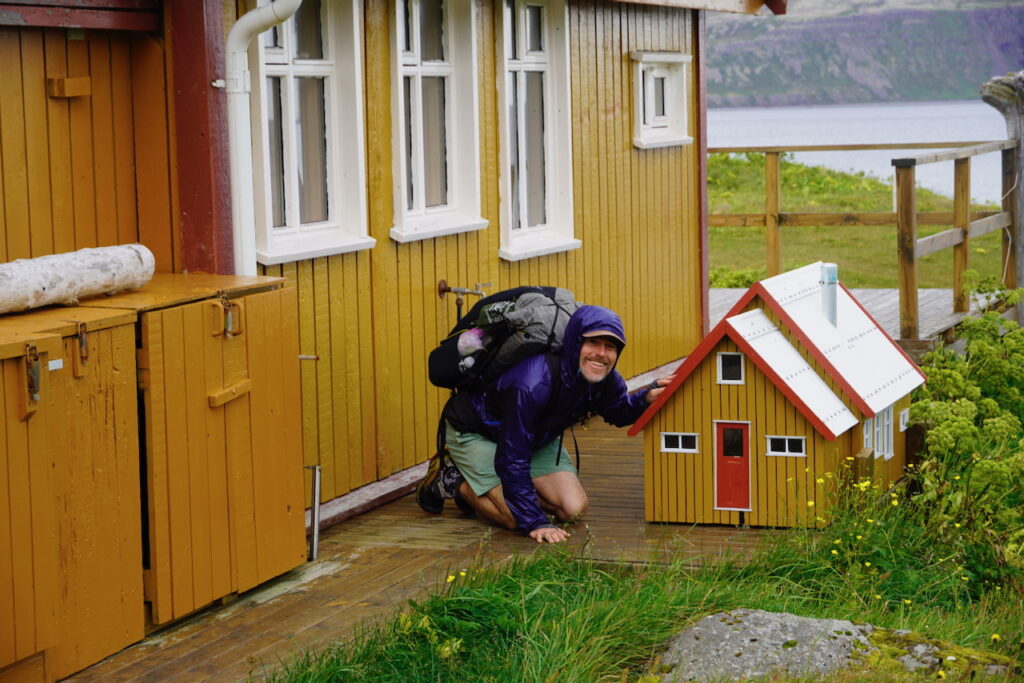
By the 1950s, the final permanent residents had departed, seeking the modern amenities and economic stability of larger Icelandic settlements. Today, the peninsula remains largely empty, though descendants of the former residents continue to maintain family cottages. These structures, along with the "Old Doctor’s House" in Hesteyri, serve as poignant reminders of a life once lived in the shadow of the cliffs.
Chronology: A Six-Day Traverse
A journey through Hornstrandir is a logistical undertaking that demands self-sufficiency. The following is a breakdown of a standard six-day expedition:
Day 1: The Gateway of Hesteyri
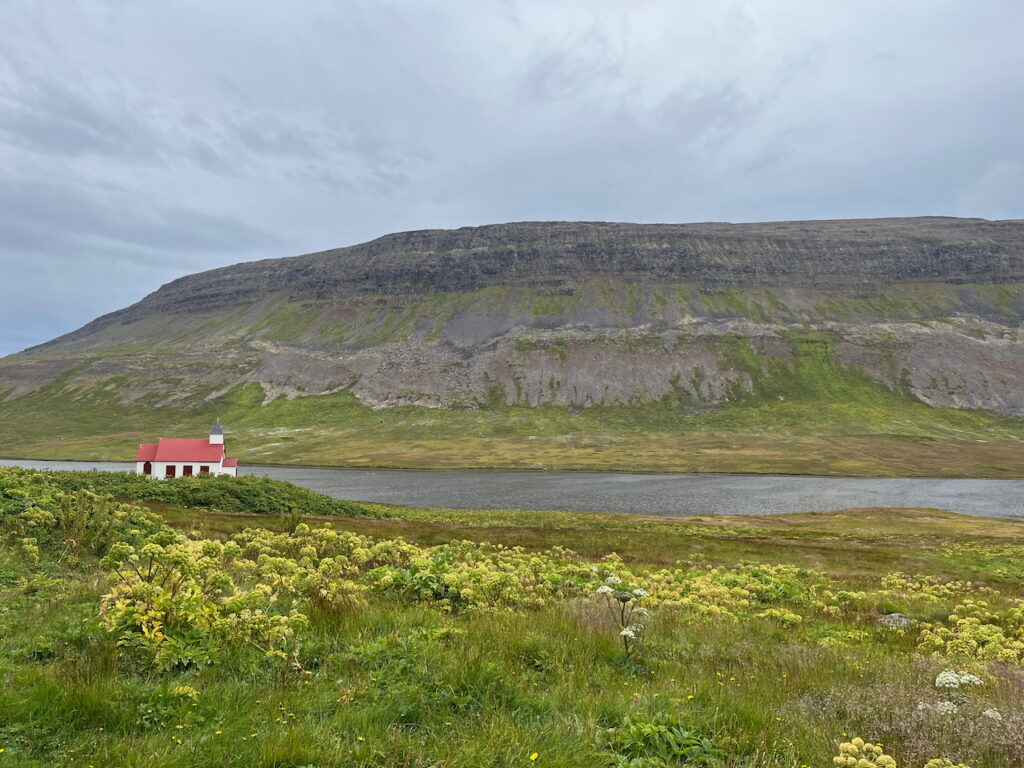
The journey begins at the old Hesteyri dock. After passing the historic Old Doctor’s House—a century-old refuge that offers a warm welcome to weary travelers—the trail heads toward the interior. The first day involves navigating from the Hesteyrarfjörður fjord toward the scenic Staðarvatn Lake, often requiring careful footing across dramatic, cliff-side terrain.
Day 2: The Plateau of Tarns
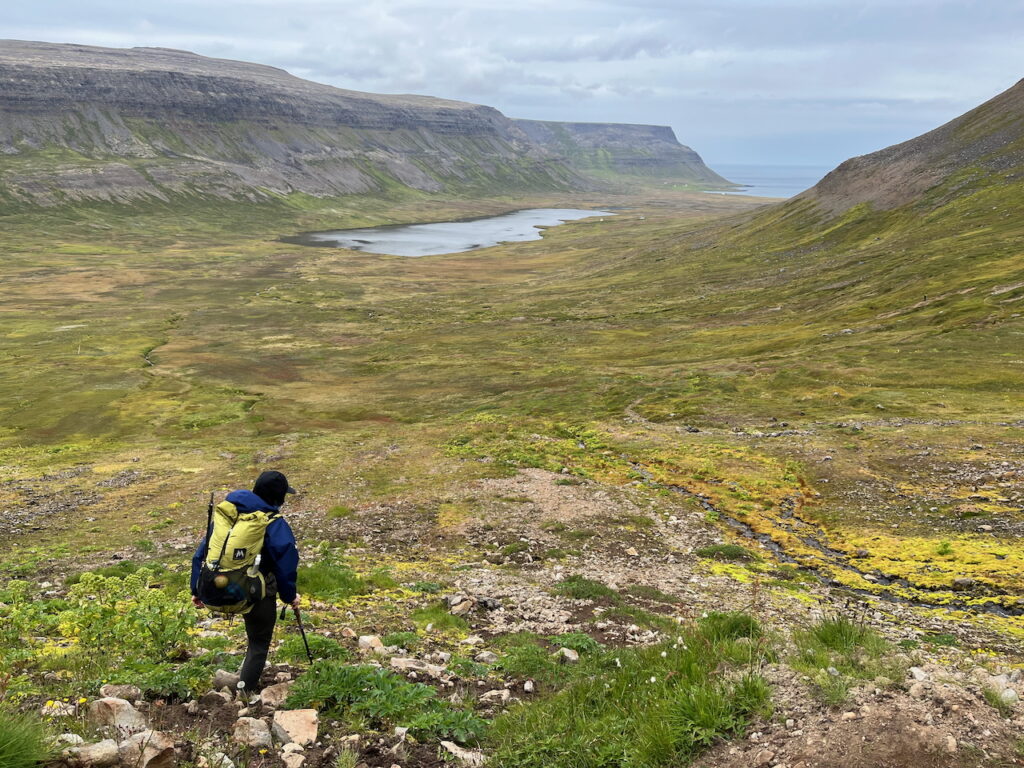
The route shifts toward the northeastern plateaus. Hikers traverse rocky, undulating terrain punctuated by small, crystal-clear tarns. The descent into the Fljótavík Bay area offers a spectacular transition from high-altitude windswept plains to coastal meadows teeming with Arctic flora, such as the vibrant Sea Thrift and the hardy Arctic Root.
Day 3: The Black Sands of Hornvík
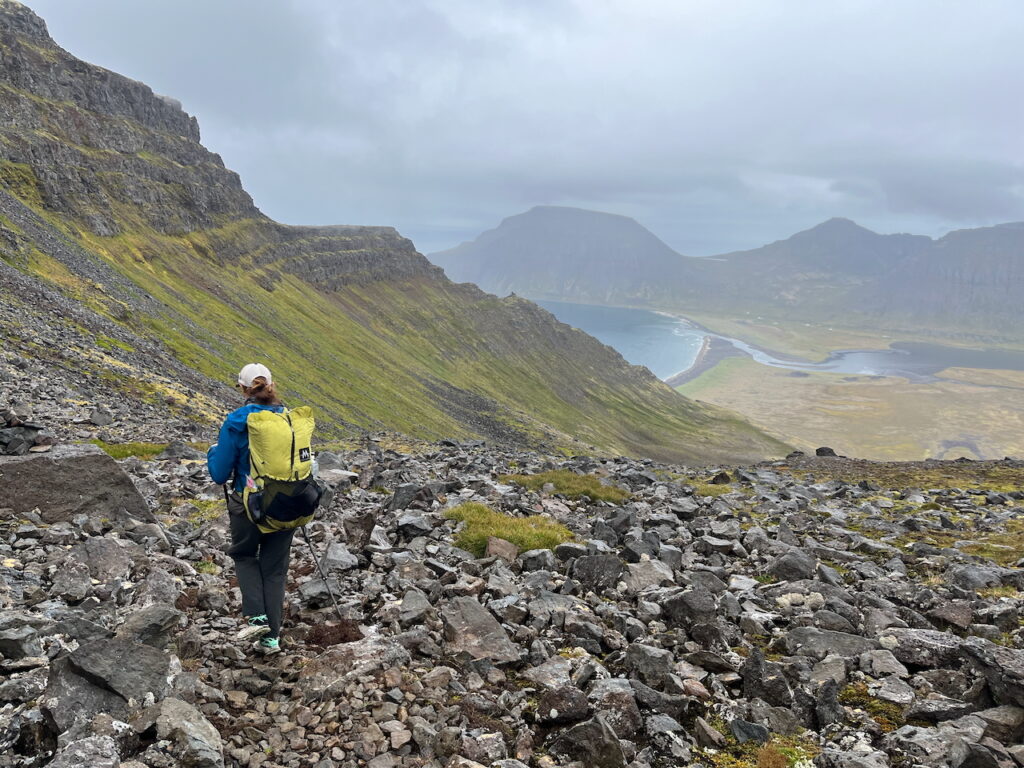
The path leads toward the iconic Hornvík bay. This section involves challenging rock-hopping north of the Einbúi peak. The reward is a breathtaking view of the black sands of the bay, a stark, volcanic aesthetic that contrasts sharply with the vibrant green mosses clinging to the cliff faces.
Day 4: The Sentinel of the North
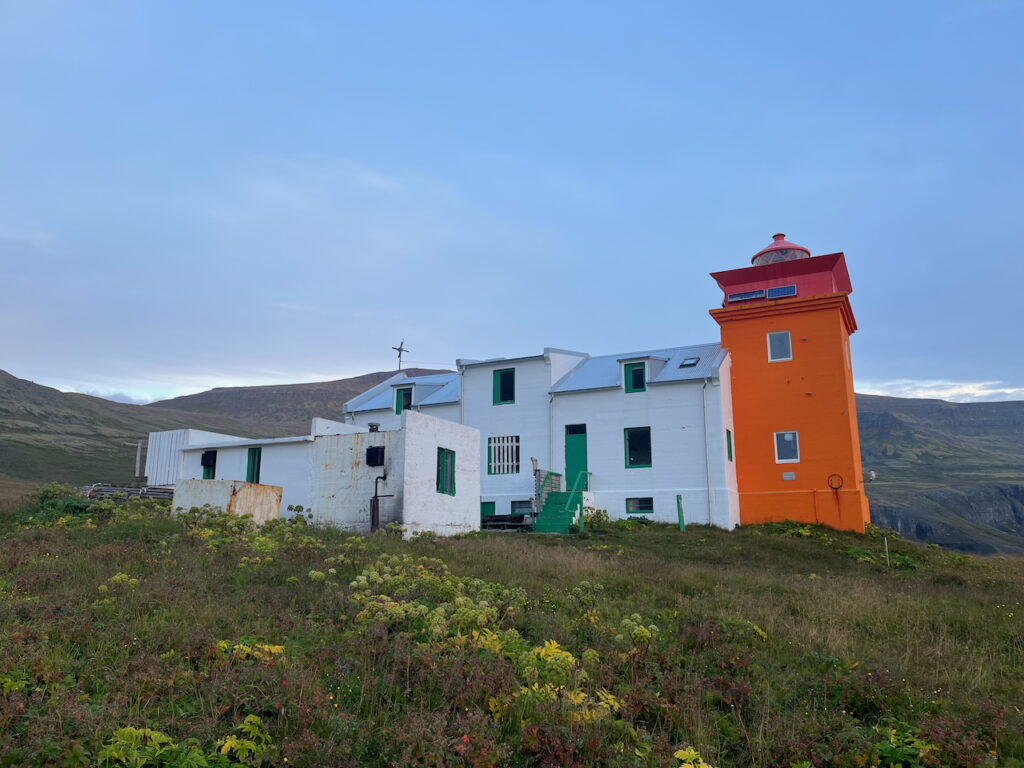
The fourth day is the climax of the trek: the ascent to the Hornbjarg sea cliffs. Standing at the edge, one can look down 500 meters to the sea, where the sheer density of bird life creates a sensory overload of sound and movement. The trail follows the coastline toward the Hornbjargsviti Lighthouse, a lonely sentinel guarding the northern tip of the peninsula.
Day 5: The Coastal Lowlands
Leaving the lighthouse, the route traverses the expansive sand dunes of Hornvík before climbing toward the Hafnarskarð Pass. The weather here is notoriously unpredictable; it is a region where the "calm before the storm" is a literal meteorological reality.
Day 6: The Return to Civilization
The final push involves navigating the soggy, cloud-shrouded plains of the Hlöðuvíkurskarð Pass. As the terrain descends back toward the coast, the familiar silhouette of the Hesteyri dock appears. The trip concludes with the classic ritual of enjoying crepes and warm beverages at the Old Doctor’s House while waiting for the boat transport back to the mainland—often accompanied by sightings of humpback whales in the surrounding waters.
Supporting Data: Expedition Metrics
For those planning a similar excursion, the following metrics provide a baseline for the physical demands of the route:
- Total Distance: Approximately 120 km (75 miles), accounting for necessary side trips to viewpoints and coastal features.
- Duration: 6 days.
- Total Elevation Gain: 4,271 meters (14,012 feet).
- Difficulty: Moderate to strenuous, primarily due to weather exposure, navigation in fog, and terrain instability.
Official Responses and Conservation
The Icelandic Institute of Natural History and the Environmental Agency of Iceland (Umhverfisstofnun) oversee the management of Hornstrandir. Their primary directive is the preservation of the "wilderness character" of the reserve.
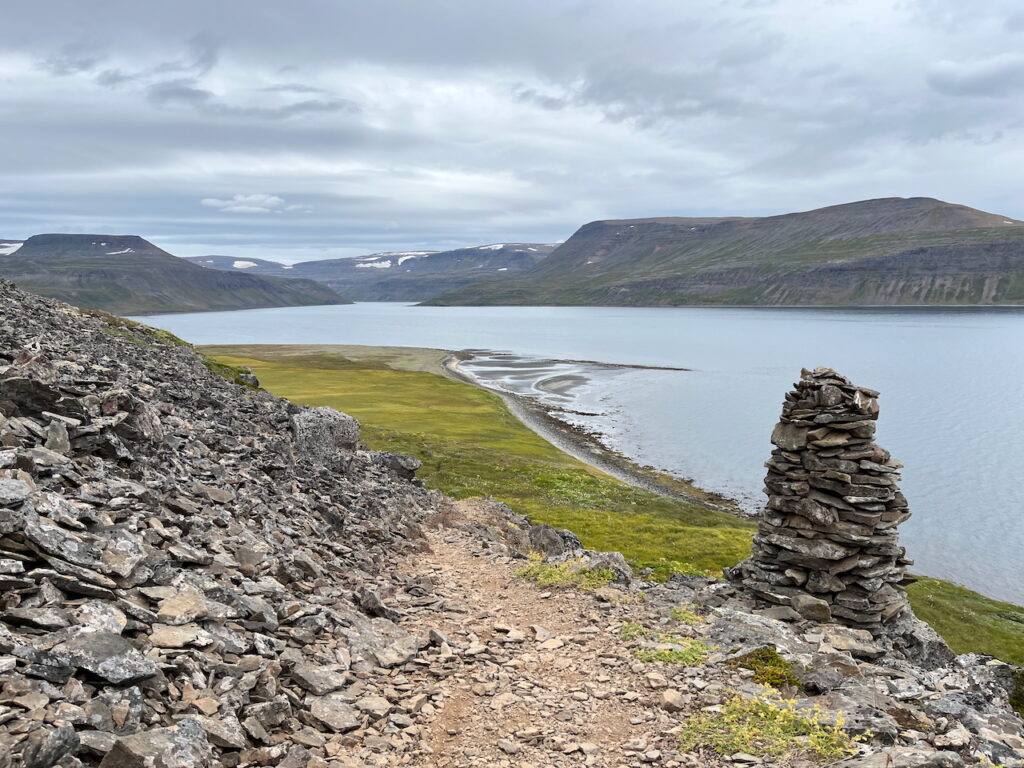
Official guidance emphasizes that there is no infrastructure in the interior. There are no marked trails in the sense of a groomed path; instead, hikers rely on cairns and traditional navigation. The agency strictly prohibits the disturbance of bird colonies, particularly during the nesting season, and mandates a strict "Leave No Trace" policy to protect the fragile tundra vegetation, which can take decades to recover from a single heavy boot print.
Implications for Future Exploration
Hornstrandir serves as a microcosm for the global debate surrounding "wilderness tourism." As Iceland experiences record-breaking visitor numbers, Hornstrandir remains a rare, controlled environment. The requirement for boat access acts as a natural barrier to entry, preventing the over-tourism seen at sites like the Golden Circle.
However, the increasing interest in remote, "bucket-list" hiking presents a long-term challenge. The reliance on delicate alpine ecosystems means that any increase in foot traffic requires a corresponding increase in environmental monitoring. For now, the peninsula remains a sanctuary for those willing to endure its hardships—a place where the silence is broken only by the wind, the cry of a kittiwake, or the distant, muffled bark of an arctic fox.
For the modern traveler, Hornstrandir offers more than just a hike; it offers a perspective. In a world of constant connectivity, the total absence of signal and the lack of permanent human presence provide a rare mental clarity. It is a testament to the resilience of the natural world and a reminder that, even in the 21st century, there are still corners of the globe where nature dictates the terms of engagement.