In recent years, the discourse surrounding wildlife management in Finland has shifted from conservation and ecological balance toward a pervasive culture of culling. While public outcry has been loud regarding the presence of barnacle geese and cormorants, the political response has consistently favored lethal interventions. This trend, often packaged under the antiseptic term "population management hunting," has expanded to include a wide array of species, raising fundamental questions about the state of biodiversity and the ethics of human coexistence with nature in the 21st century.
The Politics of Populist Culling
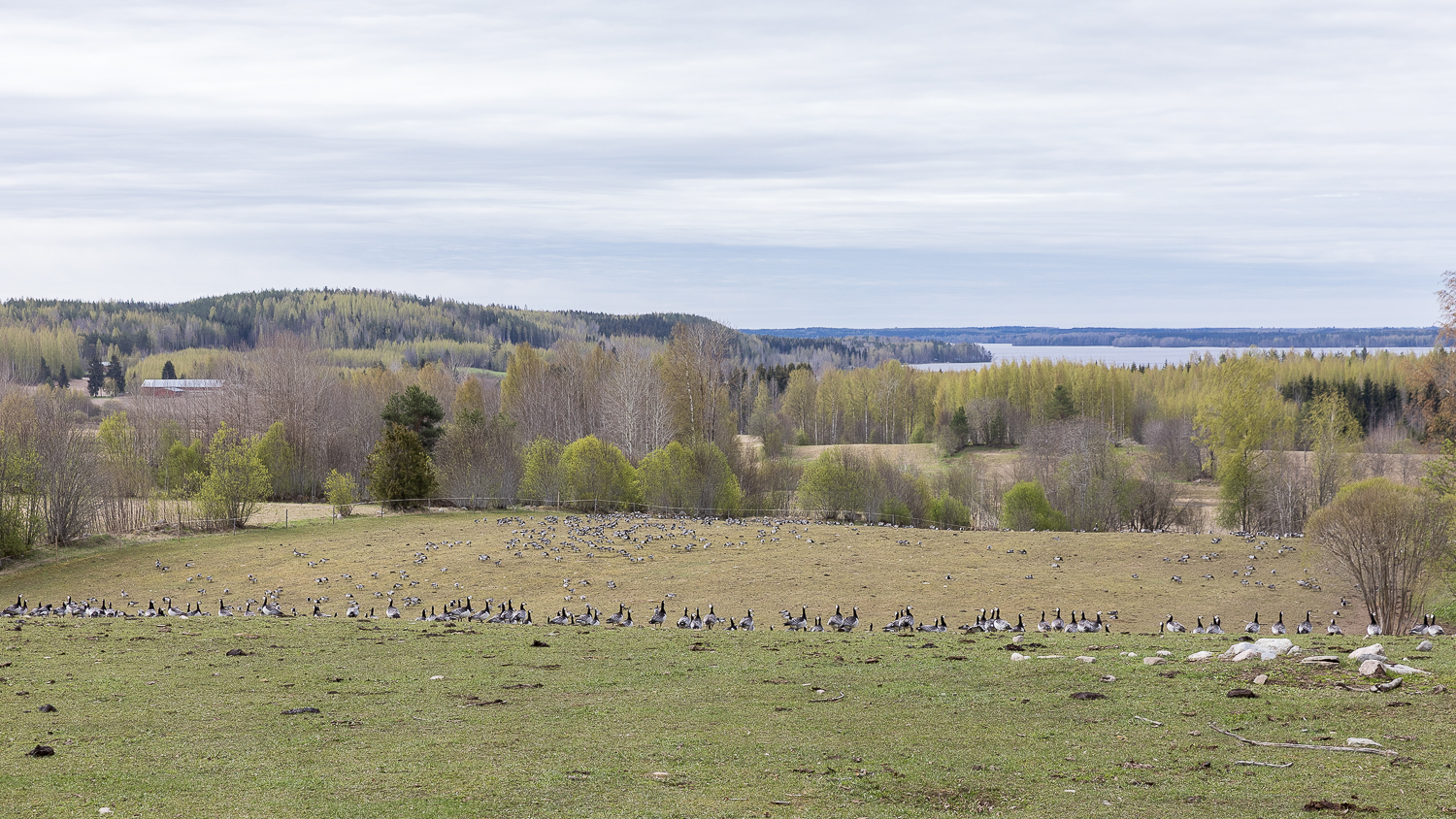
The narrative in Finland often frames rural inhabitants as victims of "problematic" wildlife. Whether it is the crop damage caused by migrating geese or the perceived competition between cormorants and commercial fisheries, the political machinery moves with remarkable speed to authorize hunting permits.
For the barnacle goose, the process has been fraught with regulatory friction. Hunters have criticized what they perceive as "cumbersome" restrictions, such as the requirement for specific "feeding fields" to be set aside for birds to rest, and a quota system that mandates a minimum density of five birds before shooting can commence. Similarly, cormorant hunting is tied to the proximity of fishing gear, effectively forcing hunters to act as temporary fishers to qualify for a permit.
These measures, however, represent only the tip of the iceberg. As populations of larger mammals and various avian species are frequently targeted, the question arises: what will be next? Curlews and swans have frequently appeared in calls for culling, and the relentless pressure to expand hunting seasons suggests that the goal is not merely to mitigate damage, but to satisfy a vocal lobby of hunters.
A Chronology of Declining Populations
The irony of the current situation is stark. While the public and political focus remains fixed on the "overabundance" of certain species, the broader reality—supported by longitudinal data—is one of severe decline. The Finnish Game and Fisheries Research and the annual riistakolmio (game triangle) censuses provide a sobering look at the country’s wildlife status.
According to data compiled over the last 38 years, the abundance of small game has been halved. The findings are consistently grim:
- Mountain Hare: The snow-track index has plummeted by approximately 60 percent.
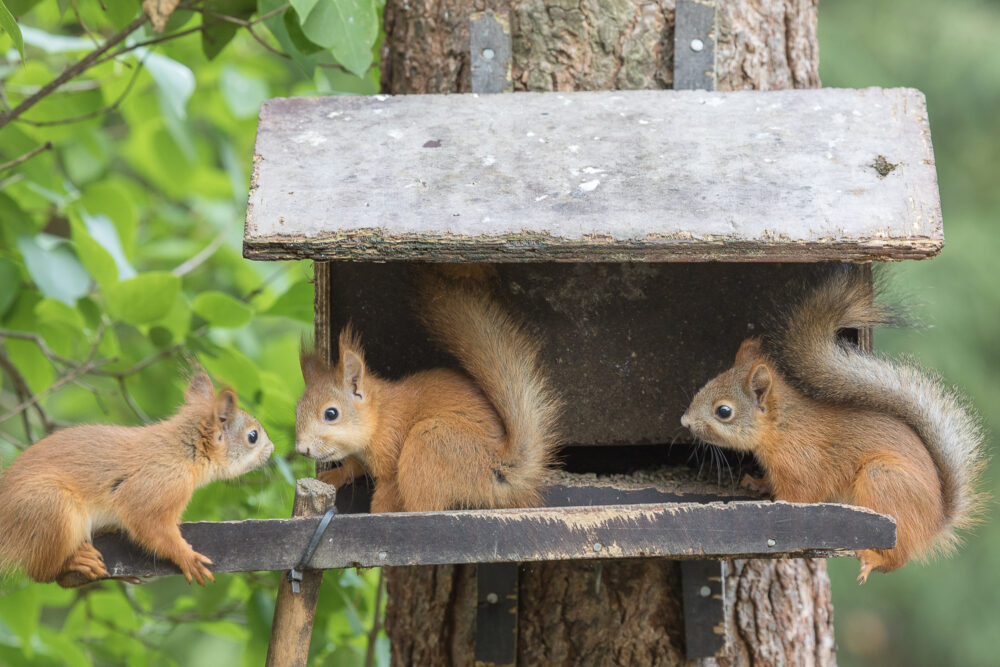
- Red Squirrel: The population has dwindled to less than one-third of its historic levels.
- Red Fox: The population has been halved since tracking began.
- Mustelids: The weasel population has shrunk to about one-sixth of its former size, and the stoat population to less than one-third.
Despite these clear indicators of environmental stress, there is minimal debate regarding the potential benefits of suspending hunting for these species. Instead, the focus remains on maintaining harvest levels, even as climate change—particularly the loss of reliable snow cover—threatens species that rely on white winter camouflage for survival.
Supporting Data: The Case of Waterfowl and Game Birds
The situation for migratory and game birds is perhaps even more alarming. BirdLife Finland reports that 47 percent of hunted waterfowl species in Finland are currently classified as endangered, with 65 percent falling into the "threatened or near-threatened" categories.
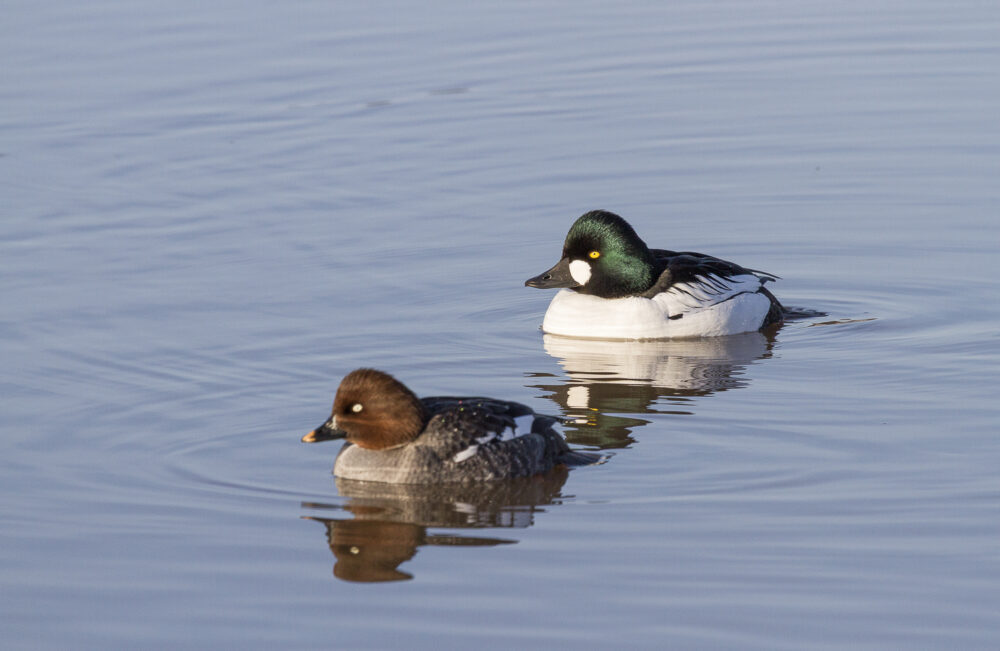
The mallard, traditionally the most common quarry, has seen its population decline by 20 percent over the past decade. Despite this, the hunting season remains open from August until the end of December. The systemic inability to adjust hunting pressure to reflect these declines is evident in the management of forest birds (grouse).
When grouse populations show even a minor, temporary recovery, the immediate political response is not to monitor the long-term trend, but to extend the hunting season, sometimes even authorizing "bonus" winter hunts. Local hunting bans are implemented only when populations are so decimated that hunting becomes physically impossible, suggesting that conservation is a secondary concern to the hobbyist’s access.
The Ethical Dilemma of "Population Management"
Perhaps the most controversial aspect of Finnish wildlife policy is the use of "population management hunting" for large predators, such as wolves and bears. The Ministry of Agriculture and Forestry has long championed the idea that killing is the "best way to manage" these populations.
The stated justification is often the maintenance of "human-shyness." Yet, data from recent hunting seasons suggests that the individuals killed are often those that maintain the greatest distance from human settlements, such as bears taken from the remote wilderness of Ilomantsi. This contradicts the narrative that lethal force is being used specifically to remove "problem" individuals.
Furthermore, the practice of badger hunting remains a major point of contention. The use of dogs to flush badgers from their setts frequently results in brutal subterranean encounters. Permitting these "dog-badger fights" in an era of heightened animal welfare awareness is a relic of a bygone era that many find increasingly difficult to justify.
The Plight of the Lesser-Known Species
Species such as the European polecat, classified as endangered, are still subject to year-round hunting pressure under the guise of being "harmful." While there are regulations against killing mothers with dependent offspring, the practical enforcement of such rules is impossible in the wild.
Additionally, the use of steel traps remains a persistent issue. These devices, intended for mink or pine marten, frequently cause injury and death to protected species like the Siberian jay or the paw of a bear. Despite the obvious suffering and the indiscriminate nature of these traps, efforts to ban their use have repeatedly failed in the political arena.
The woodcock is another case in point. A small, charismatic bird, it is treated as a prize for international hunters. Although some hunters admit that the bird offers little in terms of meat, the justification for continued hunting is that the population is "resilient enough." This commodification of wildlife for the sake of "an incredible experience" for foreign visitors exemplifies the disconnect between modern conservation needs and the preservation of outdated hunting traditions.
Implications for Finnish Biodiversity
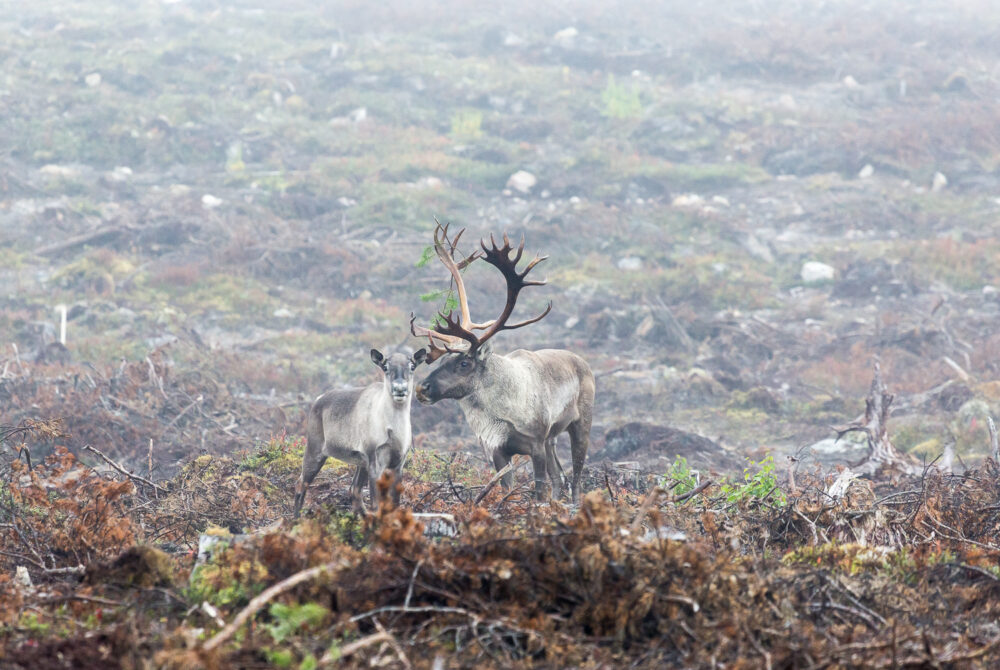
The cumulative effect of these policies is a landscape where wildlife is viewed primarily through the lens of human utility or nuisance. When the state treats hunting as a priority over the protection of declining species, it signals a broader societal attitude toward the environment.
This utilitarian view of nature has severe implications for Finland’s wider ecological health. If the government can justify the culling of endangered species for the sake of a hobby, it is perhaps inevitable that major industrial projects—such as open-pit mines, vast wind farms, and intensive forestry—are given priority over the preservation of vital ecosystems.
The relentless pursuit of "harvests" and the persistent framing of wildlife as an obstacle to economic or recreational activities leaves little room for the rewilding and habitat protection that Finland’s fauna desperately needs. As long as the political establishment continues to prioritize the demands of hunting lobbies over scientific reality, the steady decline of Finland’s biodiversity is likely to continue, leaving future generations with a stripped-back, impoverished natural heritage.
The path forward requires a shift from a culture of extraction and control to one of stewardship. It requires acknowledging that the "problem" is not the wildlife, but our own failure to provide adequate space for it to exist without constant, lethal interference.