The recent spring excursion organized by the Finnish Entomological Society (Suomen Hyönteisseura) to Estonia has yielded significant insights into the regional biodiversity of the Baltic coastline. While the expedition focused on the immediate surroundings of Tallinn—a region geographically closer to Helsinki than many inland Finnish provinces—it revealed a treasure trove of entomological wonders that differ markedly from those found on the Finnish side of the Gulf. This report chronicles the second day of the expedition, detailing the observations of rare beetles, coastal crustaceans, and the ecological challenges faced by these unique habitats.
Main Facts: The Entomological Value of the Baltic Coast
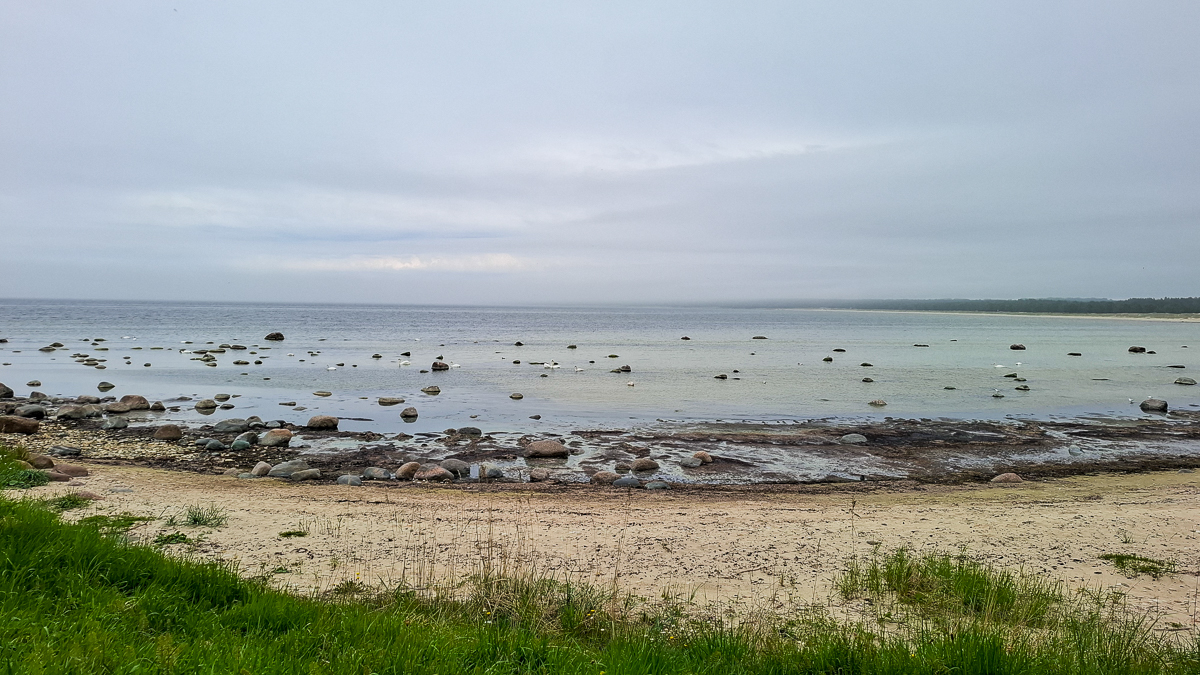
The Estonian coastline, particularly the limestone-rich (klint) areas of the northern coast, offers a distinct ecological niche for invertebrates. The region’s specific geological profile—characterized by eroding limestone cliffs and sheltered, nutrient-rich coastal sands—supports a high density of specialized insects.
Key findings from the second day of the expedition include:
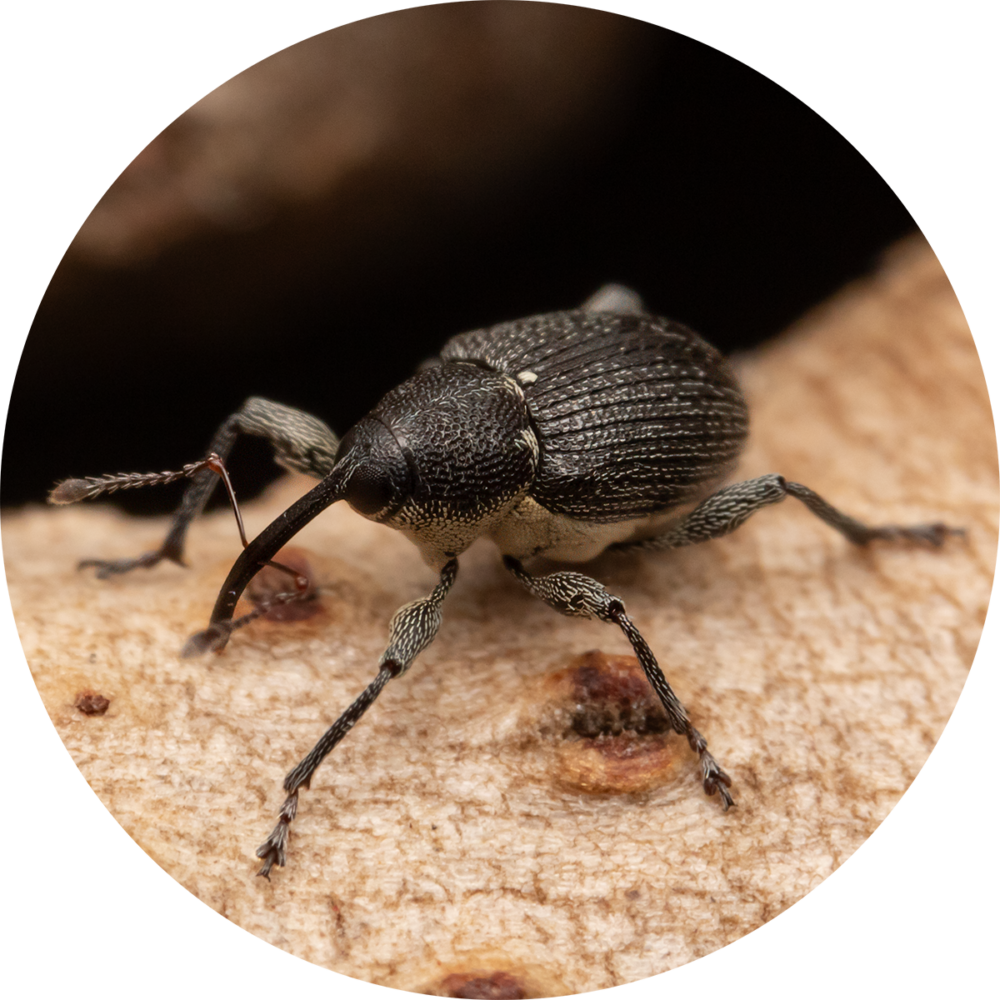
- Archarius salicivorus (Willow Weevil): A small but charismatic species commonly found on willow foliage, notable for its interaction with gall-forming insects.
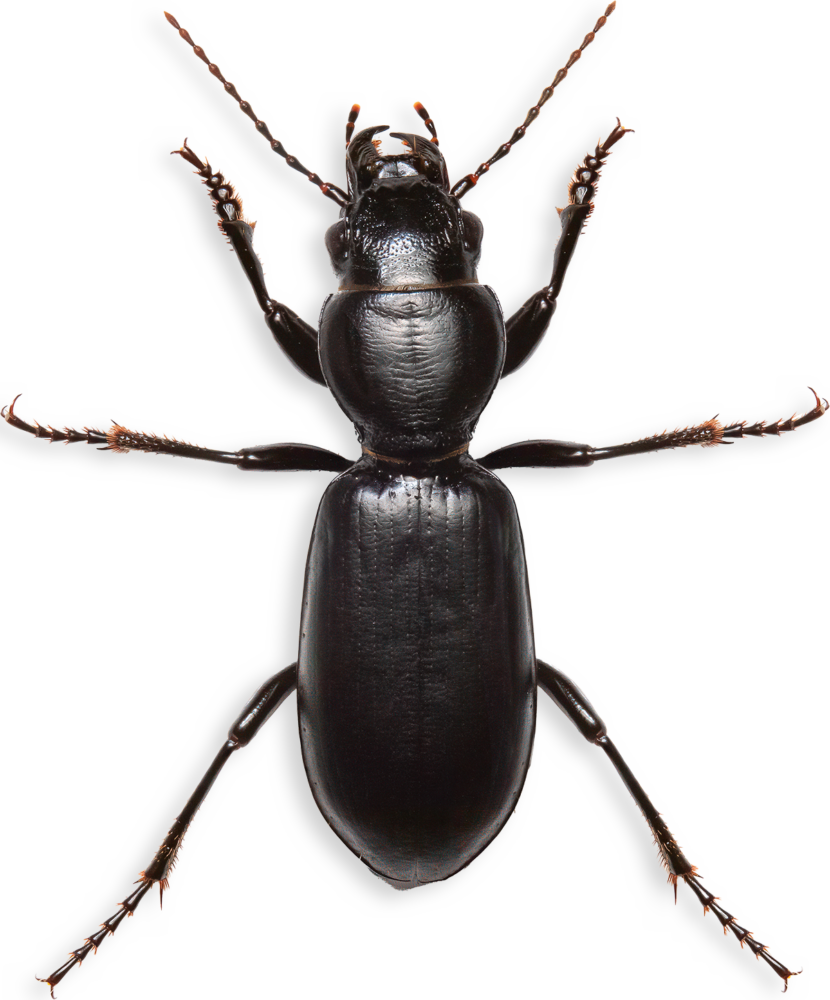
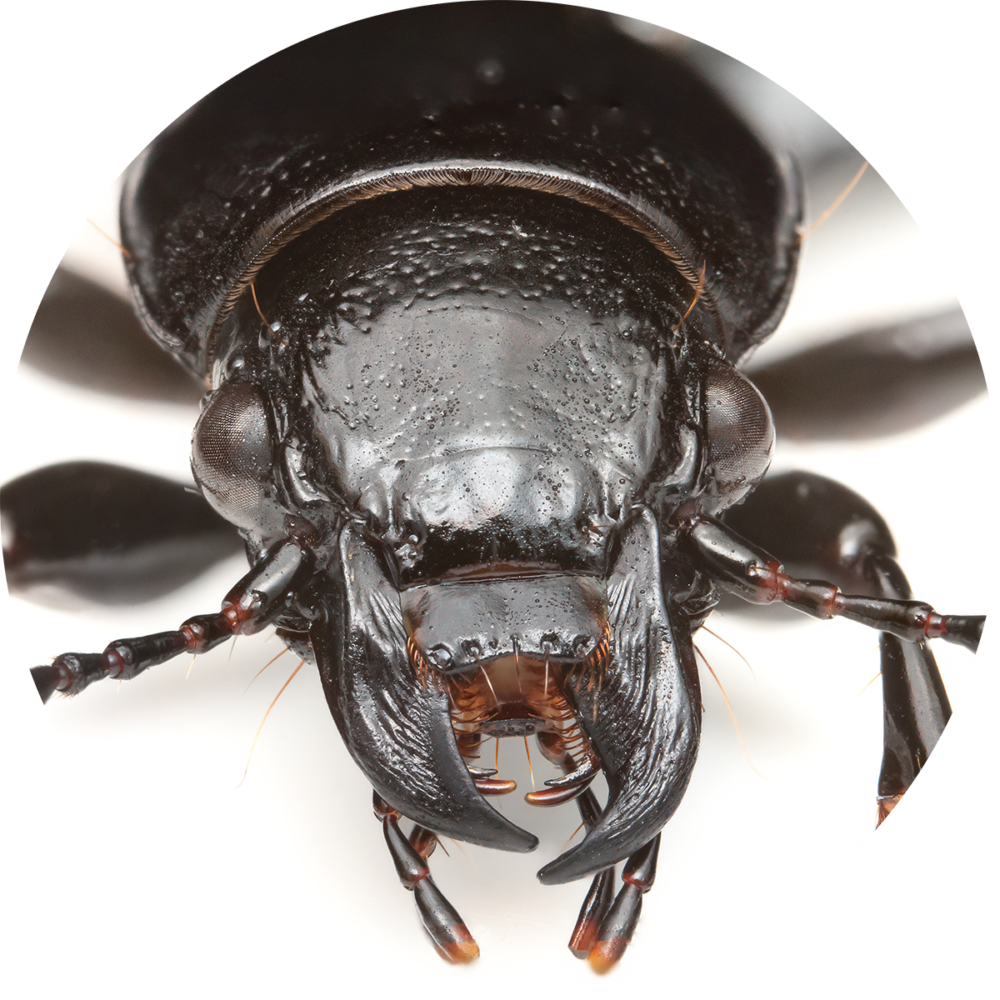
- Broscus cephalotes (Northern Dune Beetle): A large, predatory ground beetle that plays a vital role in coastal food webs.
- Armadillidium zenckeri: A rare, specialized woodlouse species found in coastal wetlands, often referred to by experts as the "mythical creature of the surf."
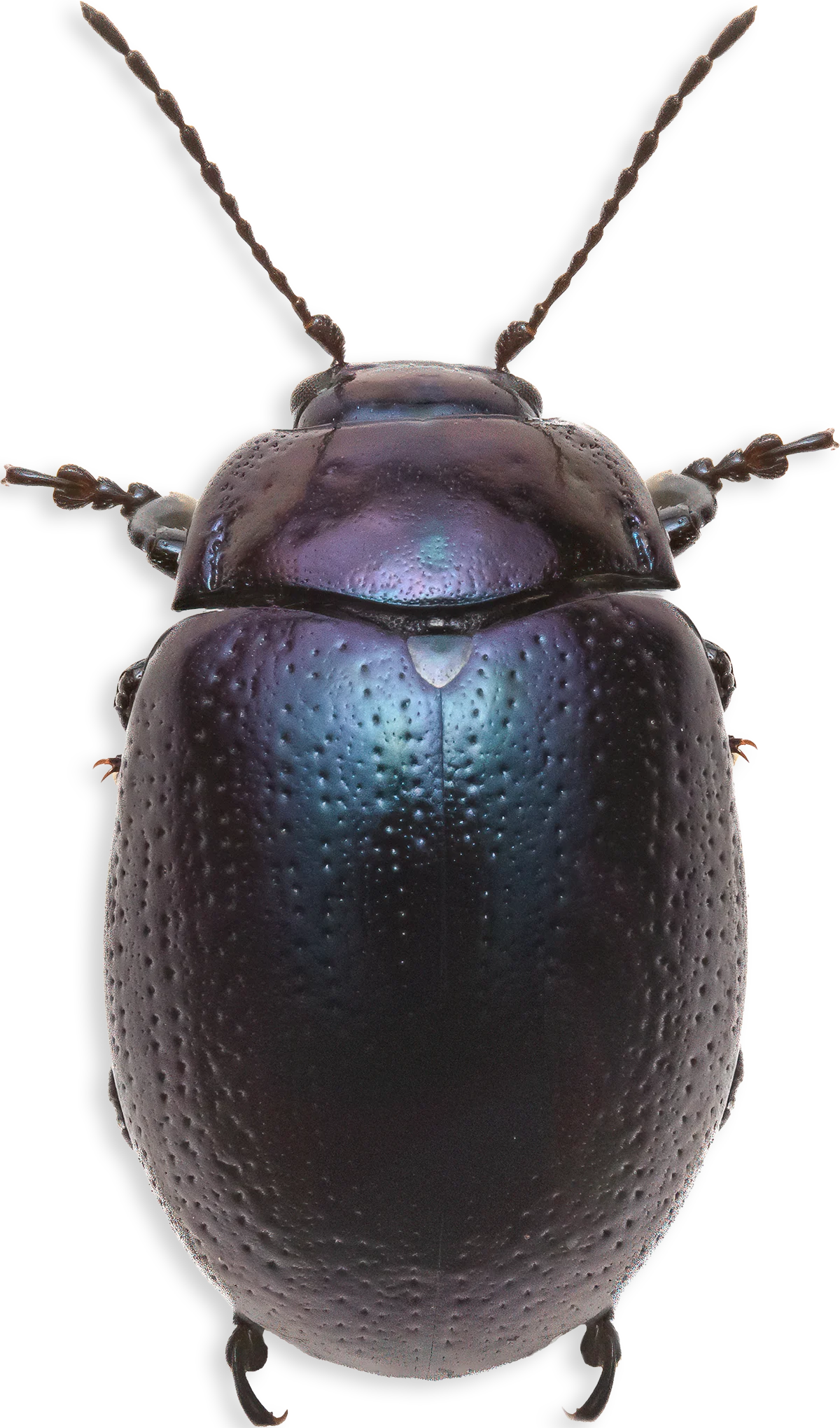
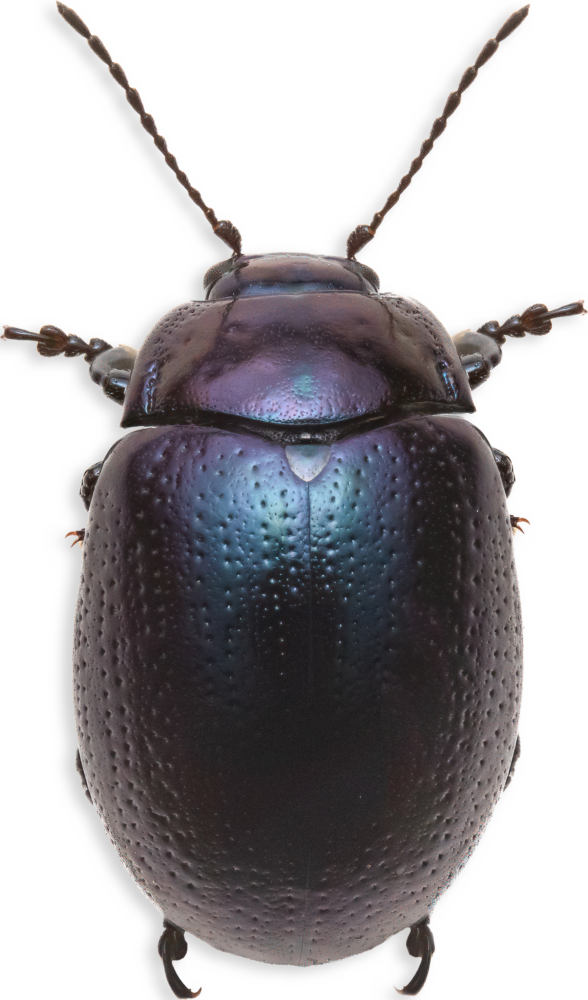
- Chrysolina geminata: A metallic blue leaf beetle, a relatively recent arrival in the Baltic region, historically significant for its role in biological weed control in California.
Chronology of the Expedition: Day Two
The Illusion of "Secret Beaches"
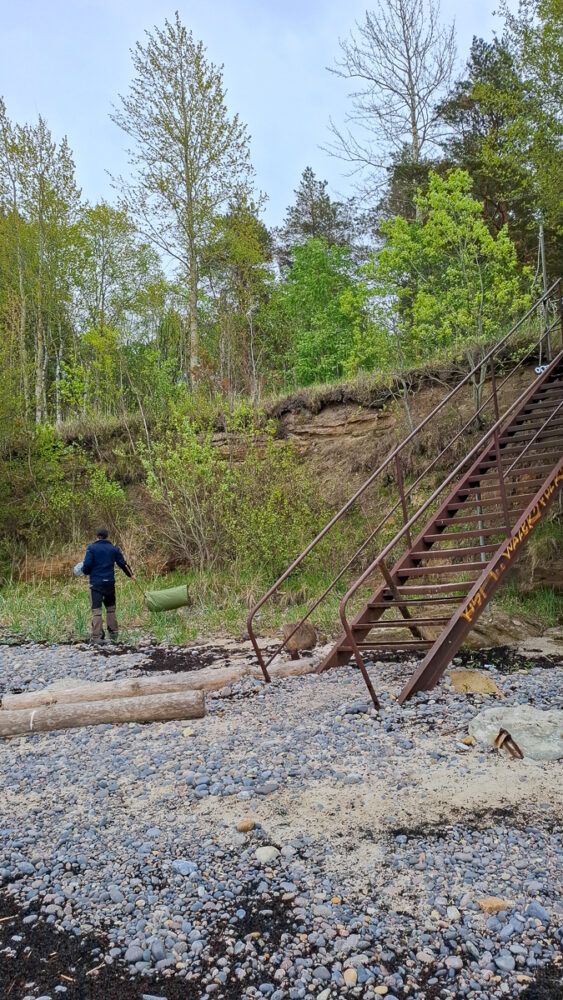
The morning began with a visit to Salarand, or the "Secret Beach." Contrary to the idyllic connotations of its name, the site offered a stark, rugged landscape rather than a pristine paradise. Access was via a series of rusted, precarious metal stairs—a structure that, in many jurisdictions, would be condemned for safety reasons.

The immediate environment was dominated by limestone slabs, some as large as automobiles, recently broken away from the cliff face. A foul-smelling stream, evocative of sewage, trickled into the sea nearby, further dampening the aesthetic appeal. However, for the entomologist, beauty is often found in the minute. A willow shrub near the parking area yielded the first significant find: the Archarius salicivorus. This small weevil, often overlooked due to its size, revealed fascinating behavioral patterns in close-up photography, particularly its habit of inhabiting galls created by sawflies.
The Perilous Heights of Türisalu
Following the beach, the team moved to the Türisalu observation cliff. While the site is a popular destination due to its expansive views, it is also notoriously dangerous. There are no safety railings along the vertical limestone wall, which drops thirty meters into a jagged, rocky shoreline.
The site carries a somber history; markers and small toys left by visitors serve as a reminder of the fragility of life. The experience underscored a broader ecological point: limestone cliffs are deceptive. What appears to be solid ground is often a thin, unstable shelf prone to sudden collapse. This geological instability is exactly what creates the unique, shifting environment required by specific coastal invertebrate species.
The Biodiversity of Vääna-Jõesuu
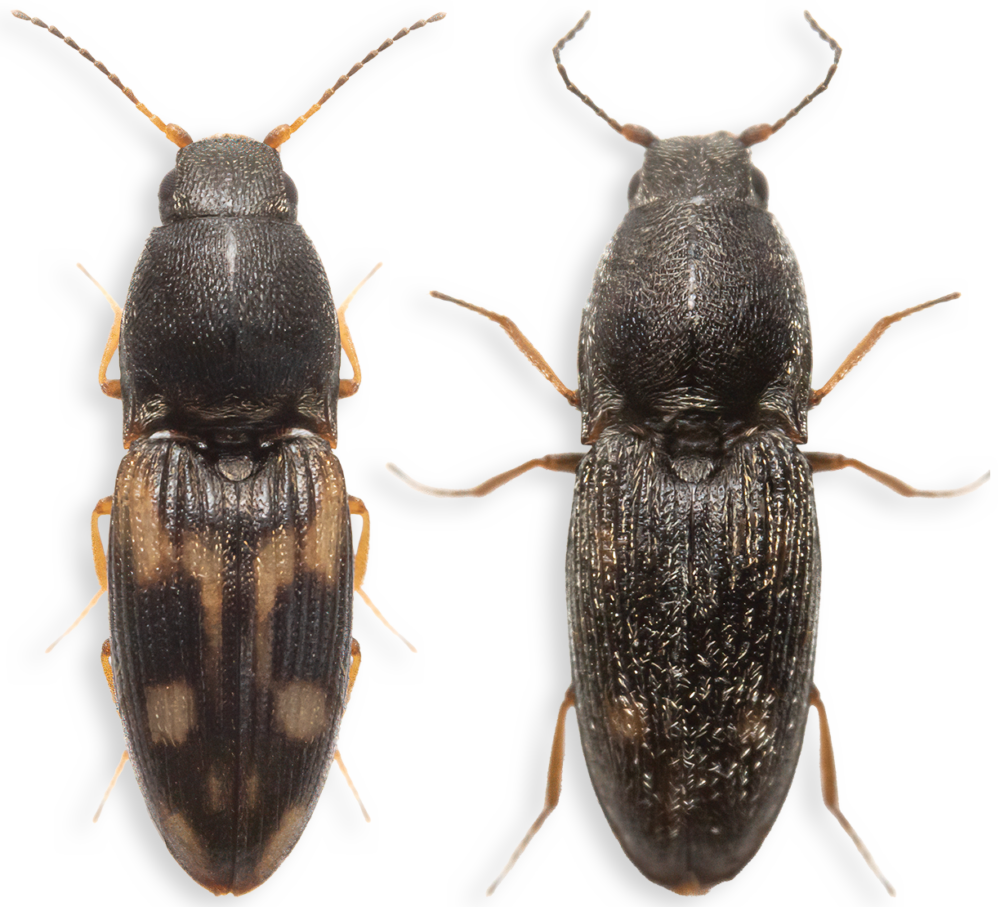
Descending from the cliffs, the team reached the Vääna-Jõesuu beach. The sands here were teeming with life. Of particular note was the genus Negastrius, a group of small click beetles. These insects are essential bio-indicators; their presence in large numbers suggests a healthy, thriving ecosystem along the river estuaries and shorelines.
The highlight, however, was the discovery of several Broscus cephalotes (Northern Dune Beetle). Reaching lengths of over two centimeters, these giants of the sand are aggressive nocturnal predators. They utilize specialized enzymes to pre-digest their prey—primarily woodlice and ants—before consumption. Observations confirmed that these beetles often ingest grains of sand, which are believed to aid in the mechanical breakdown of the tough exoskeletons of their prey.
Supporting Data: Ecological Indicators
The expedition utilized both traditional collection methods and modern citizen-science databases, such as iNaturalist, to verify observations. The data highlights a critical trend: the health of these coastal areas is intrinsically linked to the diversity of "indicator species."
For instance, the Chrysolina geminata (leaf beetle) serves as a fascinating case study in ecological history. Originally exported from Europe to California in the mid-20th century, the beetle was introduced as a biological control agent to manage invasive St. John’s-wort, a plant toxic to livestock. Its successful establishment in the Baltic region serves as a reminder of the historical interplay between European biodiversity and global agricultural history.
Official Responses and Expert Insights
The classification of the Armadillidium zenckeri (surf woodlouse) proved to be the most challenging aspect of the trip. Initially, the specimen was misidentified by the expedition team. It was only through collaboration with crustacean expert Matias Oksanen that the true identity of the "mythical creature of the surf" was confirmed.
Oksanen noted that the specific, yellow-patterned segments of the woodlouse are key identifiers, though they are often absent or poorly documented in standard identification keys. This emphasizes a broader issue in entomological research: the need for updated, regional identification tools that account for subtle variations in species that have adapted to the harsh conditions of northern coastal wetlands.
Implications for Conservation
The second day of the expedition concluded at the Pakri lighthouse, where the team intended to study coastal meadows. However, the biting winds from the Gulf of Finland forced most insects into deep cover, proving that environmental conditions remain the primary gatekeeper for field research.
The broader implications of this expedition are twofold:
- Climate Sensitivity: As weather patterns in the Baltic region become more erratic, the timing of insect emergence is shifting, making field studies more unpredictable.
- Geological Preservation: The rapid erosion of sites like the Pakri peninsula (where original 18th-century lighthouses have already been lost to the sea) suggests that the unique habitats for these specialized beetles and crustaceans are also in a constant state of flux.
The expedition demonstrated that while "secret beaches" and famous landmarks draw the tourists, it is the quiet, often overlooked crevices of the limestone cliffs and the damp sands of the shore that hold the true value of the Estonian landscape. Future efforts by the Finnish Entomological Society will continue to document these species, with the hope that such data will support stronger protective measures for these fragile, shifting coastal ecosystems.
As the expedition team prepares for the final days of the trip, the focus remains on capturing high-quality data to contribute to the ongoing understanding of the Gulf of Finland’s shared ecological heritage.