For experienced backcountry travelers, the mountains are a familiar, if demanding, environment. Yet, even those with decades of experience and baseline physiological acclimatization can find themselves blindsided by physiological collapse. A recent case study, detailed by a veteran guide with over 30 years of experience, highlights a sobering reality: in the high alpine, symptoms are rarely the result of a single cause. Instead, they are often the product of a "perfect storm" of physiological stressors.
The case involves a veteran hiker residing at 7,600 feet in Estes Park, Colorado, who, despite being accustomed to high-altitude living, suffered a severe episode of malaise during a 11,500-foot overnight excursion. This article examines the intersection of workload, nutrition, hydration, and altitude, offering a blueprint for understanding how these variables collide in the backcountry.
The Event: A Descent into Malaise
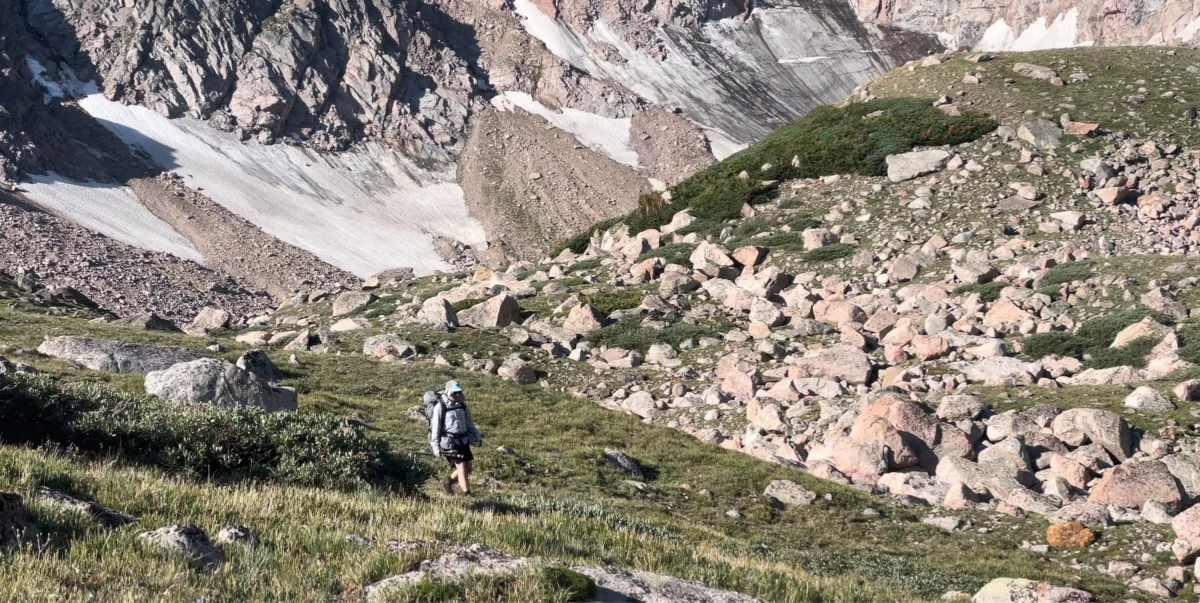
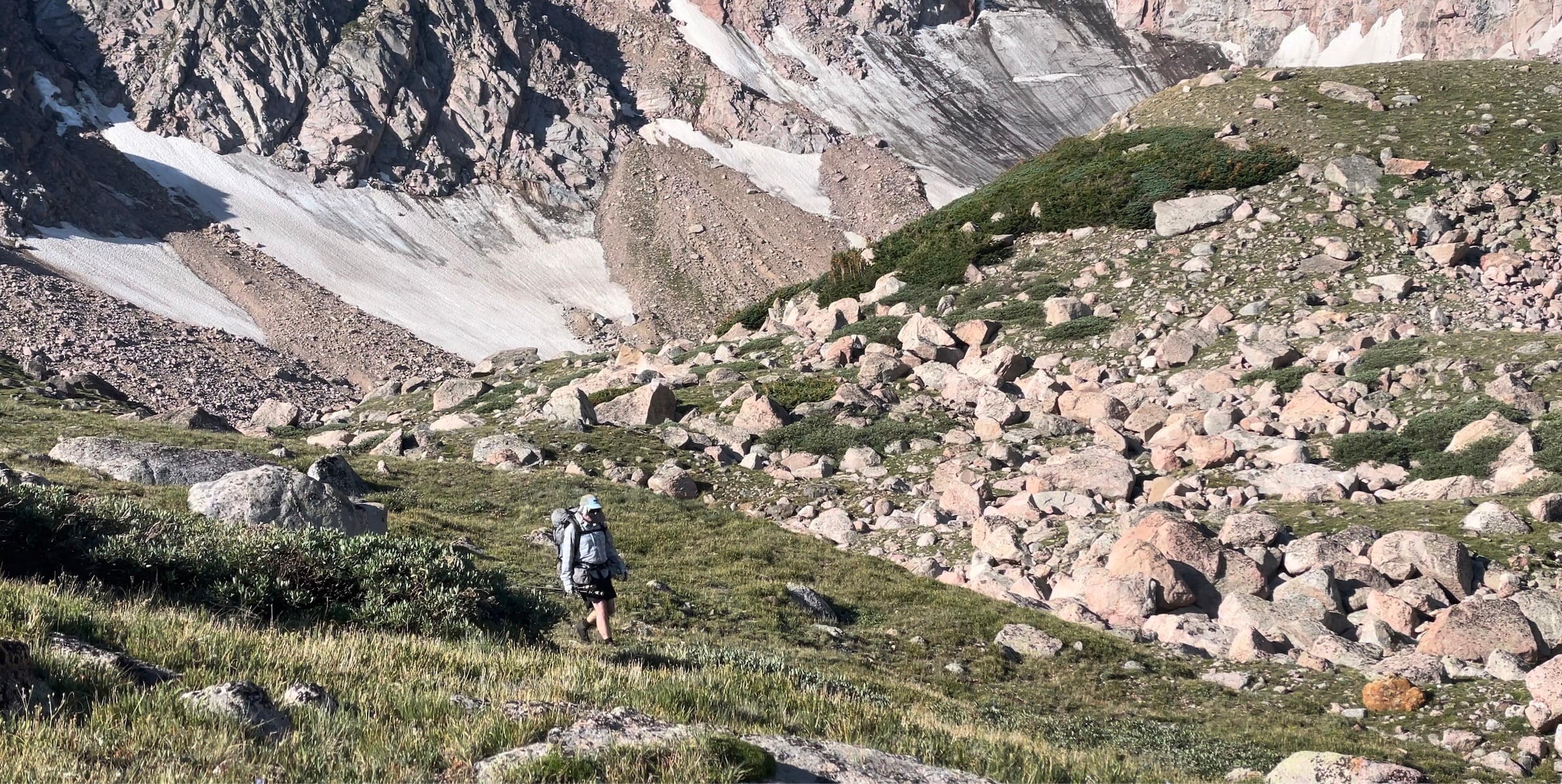
The subject, an expert mountaineer, set out on a trek that—on paper—seemed well within his capability. Departing at 5:30 a.m. and hitting the trail at 8:11 a.m., the itinerary involved a 13-mile trek featuring 3,800 feet of cumulative elevation gain. Much of the route was off-trail, traversing dense forest and rugged alpine terrain.
However, the physical toll was compounded by an unusually heavy load. Carrying a 48-pound pack—plus two liters of water, bringing the total to roughly 52 pounds—the hiker was hauling approximately 32% of his 165-pound body weight. By 6:24 p.m., after a grueling day of navigation, the hiker reached his destination. Within hours of settling at 11,500 feet, he developed a constellation of symptoms: headache, nausea, fatigue, mild dizziness, chills, shakiness, anxiety, and severe temperature dysregulation.
A retrospective analysis using the 2018 Lake Louise Acute Mountain Sickness (AMS) Score yielded a score of 7, firmly placing the episode in the category of "moderate acute mountain sickness."
Chronology of the Expedition
To understand the physiological collapse, one must look at the timeline of the exertion.
- 05:30 AM: Departure from home base (7,600 feet).
- 08:11 AM: Commencement of the hike (8,600 feet).
- 08:11 AM – 06:24 PM: Continuous physical exertion. The hiker navigated off-trail terrain, carrying a 52-pound pack. The work intensity was high, with significant energy expenditure required for bushwhacking and steep ascent.
- 06:24 PM: Arrival at camp (11,500 feet).
- 07:00 PM – 10:00 PM: Onset of symptoms. As the core temperature dropped with the sun and the adrenaline of the hike faded, the hiker’s physical state deteriorated rapidly.
- Overnight: Symptoms persisted, manifesting as sleep disturbance and systemic distress, consistent with moderate AMS.
Supporting Data: The Digital Autopsy
The value of this case study lies in the granular data provided by wearable technology and the retrospective reconstruction of nutritional intake. When the hiker reviewed his Garmin data alongside a log of his calorie and fluid intake, a complex picture emerged.
1. The Energy Deficit
The hiker identified a substantial carbohydrate depletion. Despite the massive caloric burn associated with hauling 52 pounds over 13 miles of off-trail terrain, the subject’s caloric intake was insufficient to match the output. This led to a "bonk"—a state of glycogen depletion—which can mimic or exacerbate the neurological symptoms of AMS, such as dizziness and confusion.
2. Hydration Dynamics
Inadequate hydration was identified as a critical secondary factor. While the hiker consumed water throughout the day, the rate of fluid loss through sweat and respiratory vapor at high altitude outpaced intake. Dehydration reduces blood volume, which in turn hinders the body’s ability to transport oxygen—a catastrophic feedback loop when the partial pressure of oxygen is already low.
3. The Role of Sleep Debt
Prior to the trip, the hiker was managing a pre-existing sleep debt. Fatigue is a known cognitive stressor that lowers the threshold for altitude-related illness. By starting the hike in a state of physiological deficit, the body’s compensatory mechanisms were already operating at a reduced capacity before the first step was taken.
4. Altitude Exposure
While the hiker lived at 7,600 feet, the jump to 11,500 feet represented a net gain of nearly 4,000 feet in a single day. While many acclimatized residents of the Rockies might consider this manageable, the combination of high workload and "sleeping high" likely overwhelmed the body’s ability to maintain homeostasis.
Expert Perspectives and Medical Implications
The medical community has long recognized that diagnosing the "root cause" of backcountry illness is fraught with difficulty. The symptoms of AMS—headache, nausea, and fatigue—are non-specific. They are also the exact symptoms of dehydration, heat exhaustion, hyponatremia, and extreme caloric deficiency.
The Overlap of Symptoms
Medical experts often refer to this as the "Diagnostic Overlap." When a hiker presents with a headache at 11,500 feet, it is easy to default to a diagnosis of AMS. However, if that hiker is also dehydrated and has not eaten enough carbohydrates, the headache may be a symptom of hypoglycemia or electrolyte imbalance.
The significance of this case study is that it rejects the "single-cause" model. Instead, it proposes a "cumulative stress model," where:
- Altitude creates the base-level physiological strain.
- Workload (heavy pack, off-trail) acts as a force multiplier for respiratory demand.
- Nutrition/Hydration are the fuel systems that, when empty, force the body to shut down non-essential functions.
- Sleep Debt acts as the final inhibitor of the body’s autonomic response systems.
Implications for Backcountry Safety
This case offers several critical takeaways for both recreational hikers and mountain guides:
The Weight-to-Body-Mass Ratio
The hiker carried 32% of his body weight. While standard guidelines suggest keeping pack weight below 20-25% of body weight for sustained mountain travel, this case proves that even a "strong" hiker can be undone by overestimating their carrying capacity when combined with elevation gain.
The Importance of "Slow-Burn" Nutrition
The reliance on fast-acting sugars during the hike likely led to a crash. Experts now emphasize the need for sustained, complex carbohydrate intake during high-exertion days, rather than relying on the "sugar-spike-and-crash" cycle common among many outdoor enthusiasts.
Rethinking Acclimatization
Living at 7,600 feet provides a baseline, but it does not grant immunity. The "climb high, sleep low" rule remains the gold standard. In this instance, the choice to push to 11,500 feet for the night—an increase of nearly 4,000 feet—was the tipping point. A more conservative approach, such as camping lower and day-hiking to the higher elevation, might have mitigated the severity of the symptoms.
Conclusion: A Lesson in Humility
The mountain environment is inherently unforgiving of errors. This case study serves as a reminder that even the most experienced individuals are subject to the laws of physiology. The "moderate AMS" experienced by the subject was not just a result of the altitude, but a failure to account for the interplay of physical stressors.
By analyzing wearable data and reconstructing the day’s intake, we gain a clearer understanding of how to prevent such incidents. For future trips, the subject recommends a more rigid adherence to hydration protocols, a reduction in pack weight, and a higher priority on pre-trip recovery. In the high alpine, the best approach to survival is acknowledging that your body is a system—and when one part of that system is pushed to the limit, the whole is at risk of collapse.