By Editorial Staff
In an era defined by rapid urbanization, digital saturation, and the relentless demands of a consumer-driven society, humanity has drifted dangerously far from its ancestral moorings. As the concrete sprawl expands, our collective understanding of the natural world has suffered a profound erosion. While high-definition documentaries and streaming nature series offer a window into the wild, they often serve as mere surrogates for the genuine experience.
William E. Simpson II, a renowned naturalist, author, and conservationist, argues that there is no substitute for physical immersion. True environmental stewardship, he contends, is not born in the classroom or behind a screen, but through the visceral sensory experience of the outdoors. As the global demand for finite natural resources intensifies, the rise of ecotourism has shifted from a niche travel preference to a critical tool for global conservation and economic sustainability.
The Sensory Deficit: Why Nature Matters
The modern human experience is increasingly mediated by screens, often resulting in what psychologists call "nature deficit disorder." The loss of the ability to interpret the natural world has real-world consequences for biodiversity, as public apathy frequently leads to the degradation of protected lands.
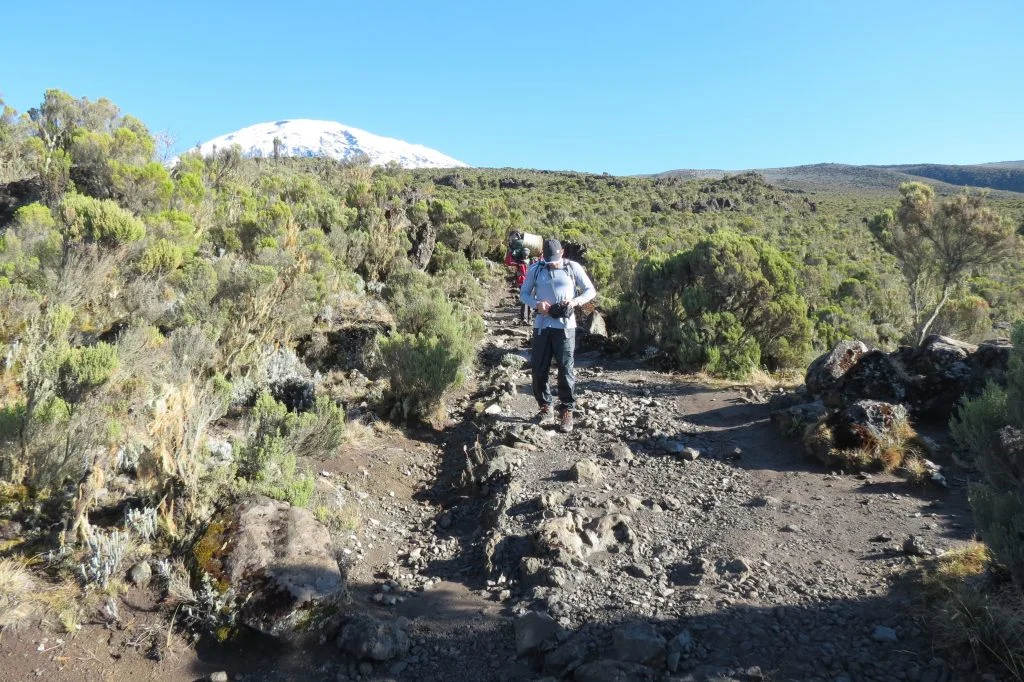
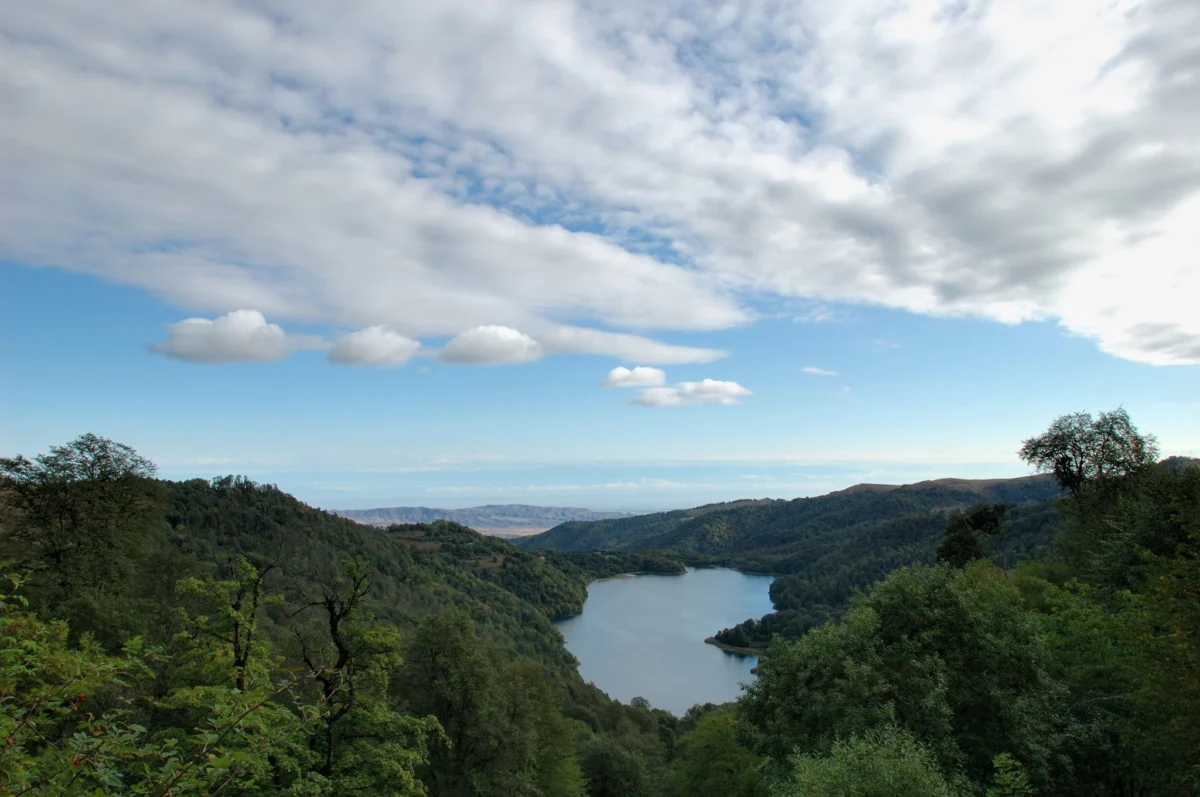
The remedy, according to advocates, is a sensory reconnection. The olfactory richness of a pine-scented forest, the sharp auditory dialogue of eagles soaring above a canyon, the sight of a stallion silhouetted against a mountain ridge, and the rhythmic percussion of a mountain stream—these are the "data points" that ground the human experience. Ecotourism serves as the bridge between this dormant biological imperative and the modern traveler, transforming passive observation into an educational communion. By fostering a sense of awe, ecotourism cultivates the compassion necessary to drive better stewardship of our planet’s remaining wilderness.
Chronology: From Resource Extraction to Sustainable Stewardship
The evolution of land management in the United States has undergone several distinct phases, each reflecting a changing societal value system.
- The Expansionist Era (19th Century – Mid-20th Century): Public policy was largely dominated by the philosophy of resource extraction. Land was viewed primarily through the lens of agriculture, timber, and mining.
- The Conservation Awakening (1960s – 1980s): Following the publication of foundational ecological texts and the rise of the modern environmental movement, the focus shifted toward preservation. Federal agencies began establishing stricter guidelines for wilderness areas.
- The Rise of Ecotourism (1990s – 2010s): As global tourism grew into a multi-trillion-dollar industry, nations began to realize that "non-consumptive" use of land—where the value is derived from observation rather than extraction—often yielded higher long-term economic returns.
- The Current Paradigm (2020 – Present): We are currently in an era of "Integrated Resource Management." The focus is no longer just on locking land away, but on active, ecologically sound management that balances human interaction with wildlife protection.
Supporting Data: The Economic Case for Rewilding
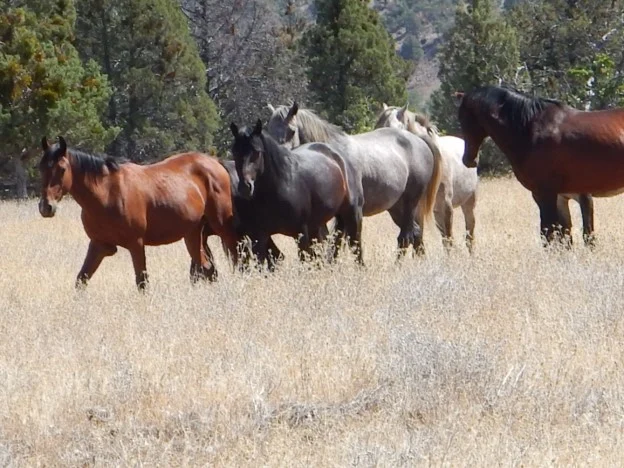
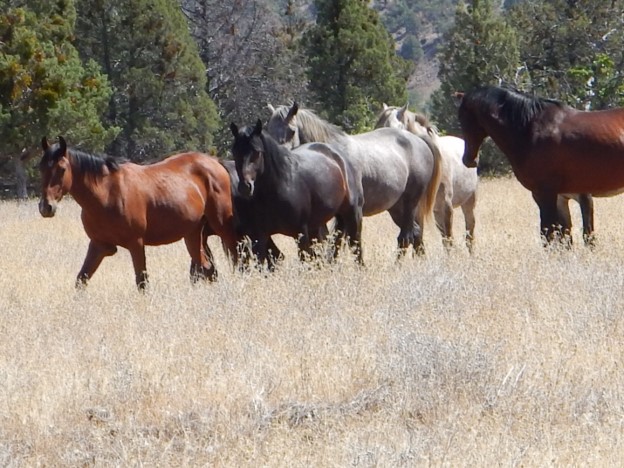
One of the most compelling intersections of ecotourism and conservation is the management of America’s wild horses. Currently, the Bureau of Land Management (BLM) faces a mounting fiscal crisis, spending nearly $100 million annually to manage wild horse populations, often through expensive and controversial roundups.
Proponents, including Simpson, suggest a radical shift: the strategic rewilding of these equines into designated wilderness areas where they can exist without conflict with livestock producers. The economic and ecological benefits are manifold:
- Direct Economic Impact: Studies, such as those conducted in Moffat County, Colorado, demonstrate that wild horse populations act as a catalyst for tourism. Visitors flock to these areas to view the animals in their natural habitat, generating significant revenue for local hospitality and service sectors.
- Wildfire Mitigation: A lesser-known ecological benefit of wild horses is their role in managing vegetation. By grazing on grass and brush, horses reduce the "fuel load" in fire-prone areas. In an age of catastrophic wildfires, this natural, low-cost maintenance could save millions of dollars in suppression costs and protect ecologically sensitive landscapes.
- Fiscal Efficiency: By transitioning horses from feedlots to managed wilderness ranges, the government could significantly reduce the overhead costs associated with long-term captive maintenance, reallocating those funds toward broader habitat restoration.
Official Responses and Perspectives
The debate over the management of public lands remains contentious. Critics often argue that wild horses compete with livestock for forage on federal lands. However, the perspective of conservationists is shifting toward a "coexistence" model.
The International Ecotourism Society (TIES) maintains that when local communities are empowered to manage their own natural assets through tourism, they become the most effective guardians of those resources. When the local economy is tied to the health of the ecosystem, poaching, illegal dumping, and habitat encroachment decrease significantly.
Government agencies have begun to acknowledge these benefits, though implementation remains slow. The challenge lies in balancing the interests of multi-use stakeholders—ranchers, energy companies, conservationists, and the public—each of whom views the value of "wilderness" through a different prism.
Implications: The Path Toward a Sustainable Future
The implications of embracing a robust ecotourism model are profound. If we continue to view wilderness solely as a commodity for extraction, we risk the permanent loss of species and habitats. Conversely, if we treat our wild lands as "natural capital," we create a self-sustaining cycle where the act of visiting and appreciating the land generates the very funds needed to protect it.
The Educational Mandate
Ecotourism is more than a vacation; it is an educational mandate. It forces the traveler to confront the complexity of the food chain, the reality of seasonal cycles, and the fragility of ecosystems. When a person observes a wild stallion leading his band, they are not just seeing an animal; they are witnessing a complex social structure that has evolved over millennia. This understanding is the bedrock of empathy.
Scaling the Solution
To move forward, several systemic changes are required:
- Infrastructure Investment: Improving access to wilderness areas in ways that minimize human footprint (e.g., sustainable trail systems, non-invasive observation points).
- Legislative Reform: Updating outdated land-management mandates that prioritize outdated, industrial-era practices over modern ecological science.
- Community Engagement: Partnering with local rural communities to ensure that the economic benefits of ecotourism remain in the hands of the people who live near these lands.
Conclusion: A Call to Reclaim Our Roots
As we look toward the future, the integration of intelligent natural resource management and ecotourism offers a viable path toward restoring our relationship with the natural world. By rewilding appropriate species and incentivizing the public to visit these landscapes, we can reduce the fiscal burdens on federal agencies, mitigate the risks of climate-driven catastrophes like wildfires, and, most importantly, bridge the "growing abyss" of understanding between man and nature.
The wild is not a distant, abstract concept found only in the pages of a book or the pixels of a movie. It is a living, breathing reality that requires our presence to survive. Through the intentional, respectful practice of ecotourism, we do not just save the land; we save the part of ourselves that was meant to walk within it.
For more information on the intersection of wild horse management, wildfire prevention, and ecological conservation, visit www.WHFB.us or explore the resources provided by The International Ecotourism Society at www.ecotourism.org.