Introduction: A Brush with Fate
In the summer of 1996, while navigating a remote, unmaintained route north of Yellowstone National Park, a sudden thunderstorm descended upon the landscape. As winds began to howl through a wildfire-scarred burn area, the atmospheric pressure dropped, and the forest groaned under the strain. A deafening crack—a sound like a gunshot echoing through a canyon—pierced the air. A massive, fire-weakened lodgepole pine plummeted to the earth, slamming into the ground less than 20 feet behind me and barely 20 feet in front of my hiking partner.
It was a jarring, visceral encounter with a reality that many outdoor enthusiasts prefer to ignore. When you have stood in the shadow of a falling giant, the wilderness ceases to be merely a backdrop of serene beauty; it becomes a dynamic, unpredictable environment where the very structures providing shade can, in an instant, become lethal.
The Legacy of Disturbance: Understanding the "Matchstick" Forests
The 1988 Yellowstone fires, which scorched nearly 1.4 million acres across the greater Yellowstone ecosystem, served as a stark reminder of the forest’s regenerative cycle. Yet, these massive conflagrations left behind more than just ash; they left "matchstick forests"—vast tracts of standing dead timber that have persisted for decades.
Hazard trees, or "widowmakers" in forestry parlance, are not limited to post-fire landscapes. They are a natural component of any forest ecosystem, representing the lifecycle of decay. Whether caused by root rot, insect infestation (such as the mountain pine beetle), severe wind events, or natural senescence, dead and dying trees are omnipresent. The danger lies in our familiarity with them. Because we sleep, eat, and hike under trees thousands of times without incident, we develop a cognitive bias—a sense of complacency that dulls our survival instincts toward one of the few hazards that is constant, pervasive, and capable of inflicting catastrophic injury even when all other safety protocols are followed.
Chronology of Tragedy: A Pattern of Risk
While falling trees are not statistically as common a cause of death as hypothermia or falls from cliffs, their occurrence in the backcountry is far from a statistical anomaly. Recent years have seen a sobering series of fatalities that highlight the indiscriminate nature of tree failure:
- May 2021: A backpacker utilizing a hammock in the White Mountain National Forest was killed instantly when the tree anchoring their suspension system failed, striking them in their sleep.
- August 2019: On the Pacific Crest Trail, a thru-hiker was killed by a falling tree while traversing a trail corridor, emphasizing that movement through a forest is no safer than camping within it.
- August 2019: A backpacker on the Colorado Trail met a similar fate when a tree collapsed directly onto their tent.
- August 2022: A visitor at the Elk Lake wilderness campsite in Olympic National Park was killed when a tree fell onto their tent. The National Park Service’s response required a helicopter extraction the following morning, underscoring the remoteness and gravity of such incidents.
These cases represent only the most publicized instances. Across national forests and parks, "near misses" involving falling branches—often called "deadfall"—are reported with increasing frequency, suggesting that climate-driven forest stressors may be accelerating the rate of tree failure.
Supporting Data: Why Trees Fail
To manage the risk, one must understand the mechanics of failure. Forestry experts categorize hazard trees based on structural weaknesses that compromise their stability:
- Root System Compromise: Trees with visible root decay, fungal fruiting bodies (conks) at the base, or those growing on unstable, thin, or waterlogged soils are prime candidates for failure.
- Structural Defects: Trees with significant lean, V-shaped crotches (codominant stems), or those with heavy "dead-wood" in the canopy are structurally compromised.
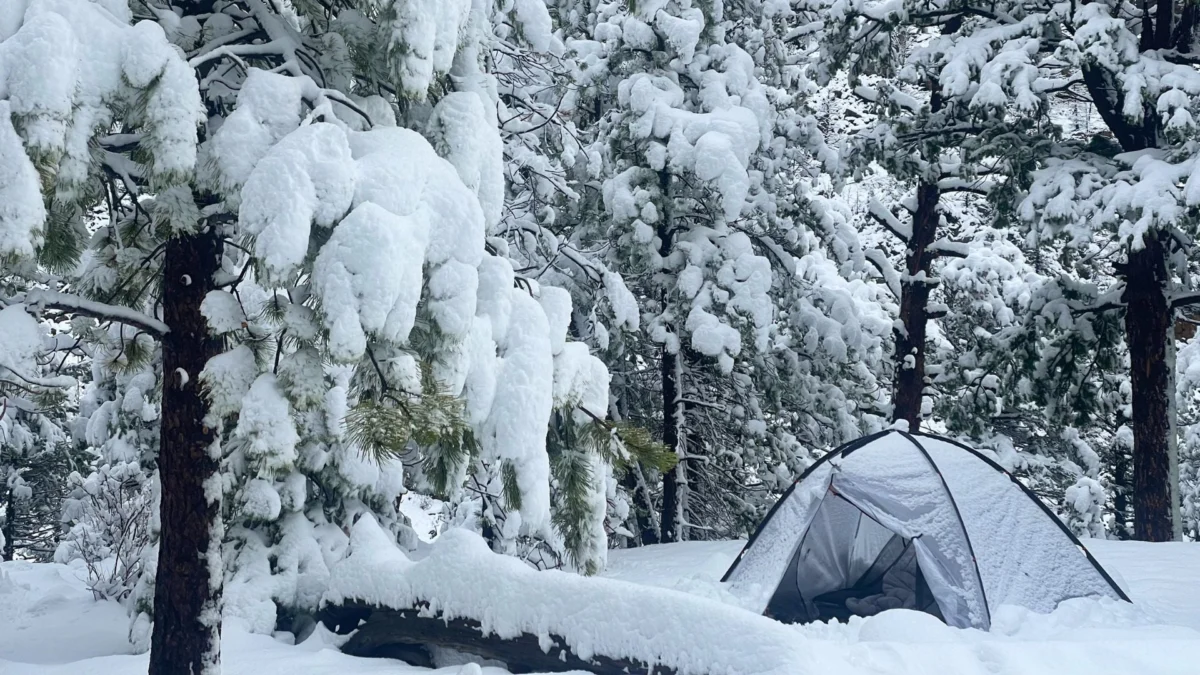
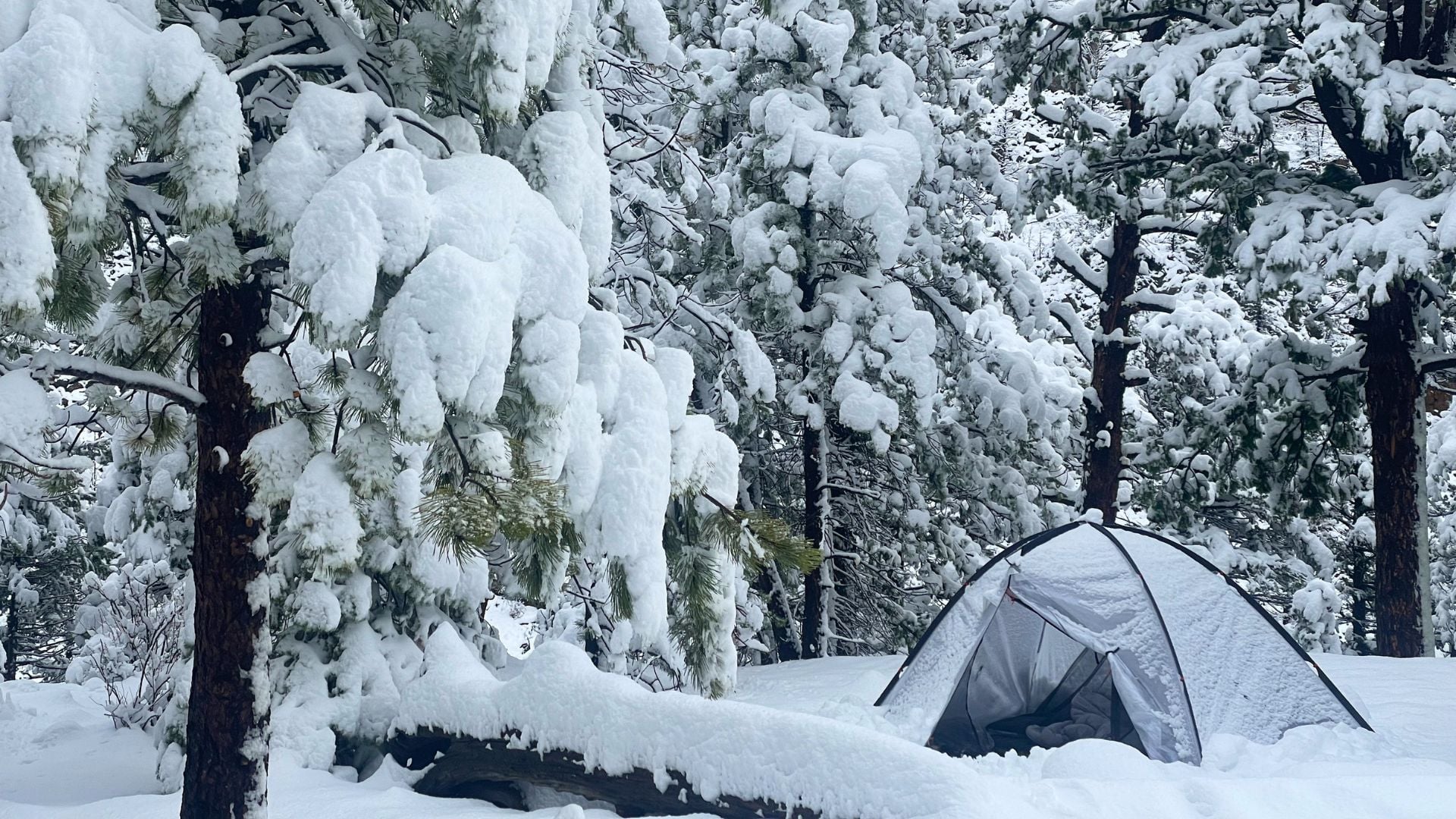
- Environmental Stressors: Wind is the primary catalyst for tree failure. However, "snow loading"—the weight of heavy, wet snow—can snap branches or entire trunks. Additionally, "edge effects" are critical: trees standing on the edge of a newly cleared trail or a recent burn area are suddenly exposed to wind loads they were not adapted to withstand.
Research indicates that tree failure is a "low-frequency, high-consequence" event. The probability of any single tree falling while you are beneath it is infinitesimally small, but the consequence of that event is almost universally fatal.
Official Responses and Park Management
Land management agencies, including the National Park Service (NPS) and the U.S. Forest Service (USFS), face a constant tension between safety and the maintenance of a "wild" experience. In developed campgrounds, arborists and park staff actively "scale" trees, removing dangerous limbs or felling hazardous trunks.
However, in the vast majority of the backcountry—where the mandate is to preserve natural processes—mitigation is non-existent. Official guidance from agencies generally focuses on "situational awareness." The NPS often reminds visitors that entering the forest involves inherent risks. When a fatal tree-fall occurs, the official response is typically a post-incident hazard assessment of the immediate area to determine if the site should be closed, but rarely does it lead to systematic culling of hazard trees in wilderness zones.
The onus, therefore, shifts entirely to the user. Agencies emphasize that "wild" means "unmanaged," and the responsibility for campsite selection rests solely with the hiker.
Managing the Risk: A New Mindset
We rarely ask ourselves, "Are trees dangerous?" because they are the very things we seek out for shelter and aesthetics. To mitigate this risk, the question must be reframed: "Am I about to spend the next several hours near trees or limbs that could fall?"
1. The "Look Up" Assessment
Before dropping your pack, conduct a visual sweep. Look for:
- "Hungry" trees: Trees with heavy dead limbs hanging precariously in the canopy.
- The "Widowmaker" tilt: Avoid trees with a significant, unnatural lean, especially if they are rooted in soft or saturated ground.
- Decay indicators: Look for fungal conks, missing bark, or hollows at the base of the trunk.
2. Environmental Context
Risk is not static. A tree that is safe on a calm, sunny day may become a hazard during a windstorm. If the wind speed picks up—to the point where you hear the "swish" of the canopy or the creaking of trunks—it is time to relocate. Move to open meadows, sparse groves, or areas with young, flexible timber rather than old, brittle, or fire-damaged stands.
3. The "Campsite Selection" Protocol
- Avoid the "Burn": Never camp in a recently burned forest. The root systems of dead trees are shallow and unstable, and they can fall without the warning of a windstorm.
- Hammock Safety: Be hyper-vigilant. Hammock users are doubly exposed because they not only rely on two trees for stability but are also tethered to them. Ensure the trees are living, solid, and lack obvious defects.
- Avoid "Edge" Sites: Do not camp immediately adjacent to a newly created trail or road cut, as these trees have been exposed to wind forces they have not historically encountered.
Implications for the Future of Wilderness Recreation
As climate change continues to alter forest health through prolonged droughts and more intense storm cycles, the number of hazard trees in the American backcountry is expected to rise. The "new normal" of forest management will likely include larger areas of die-off, which, while ecologically necessary, presents a mounting challenge for recreationists.
The implications are clear: the wilderness is not a static museum. It is a living, decaying, and regenerating system. To safely enjoy the backcountry, we must evolve our relationship with the forest. We must move away from viewing the woods as a passive backdrop and toward viewing them as an active, mechanical environment.
The fear I felt in 1996 has never left me, and perhaps it shouldn’t. That fear is a tool—a sensory awareness that keeps us looking up, assessing the stability of our environment, and choosing our resting spots with the caution they deserve. In the wilderness, safety is not a guarantee provided by a park ranger; it is a discipline practiced by the hiker. By recognizing the silent, looming presence of hazard trees, we don’t diminish our wilderness experience—we deepen it, ensuring that we remain visitors to the forest, rather than becoming a permanent part of its history.