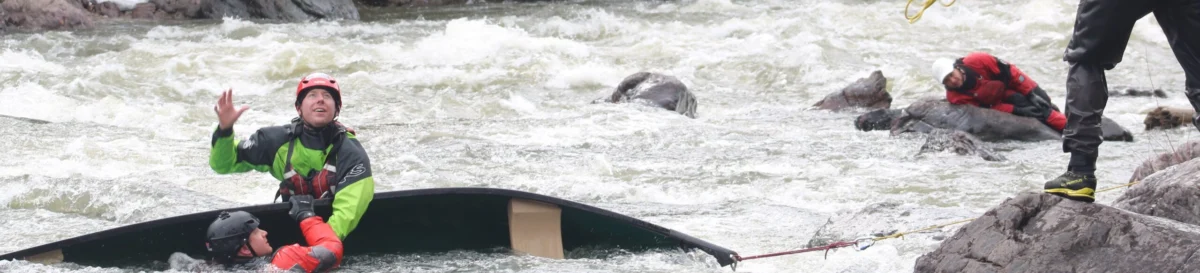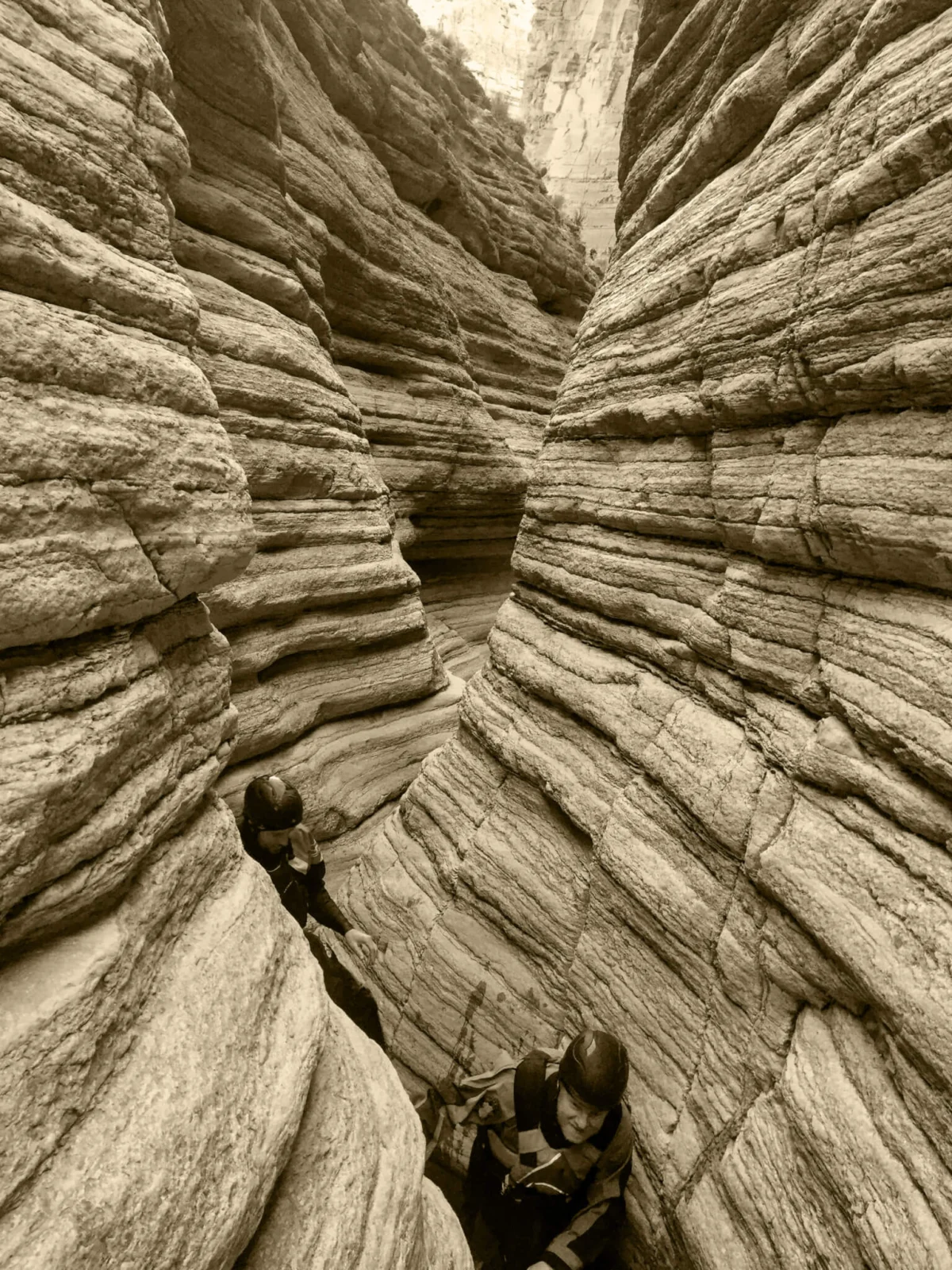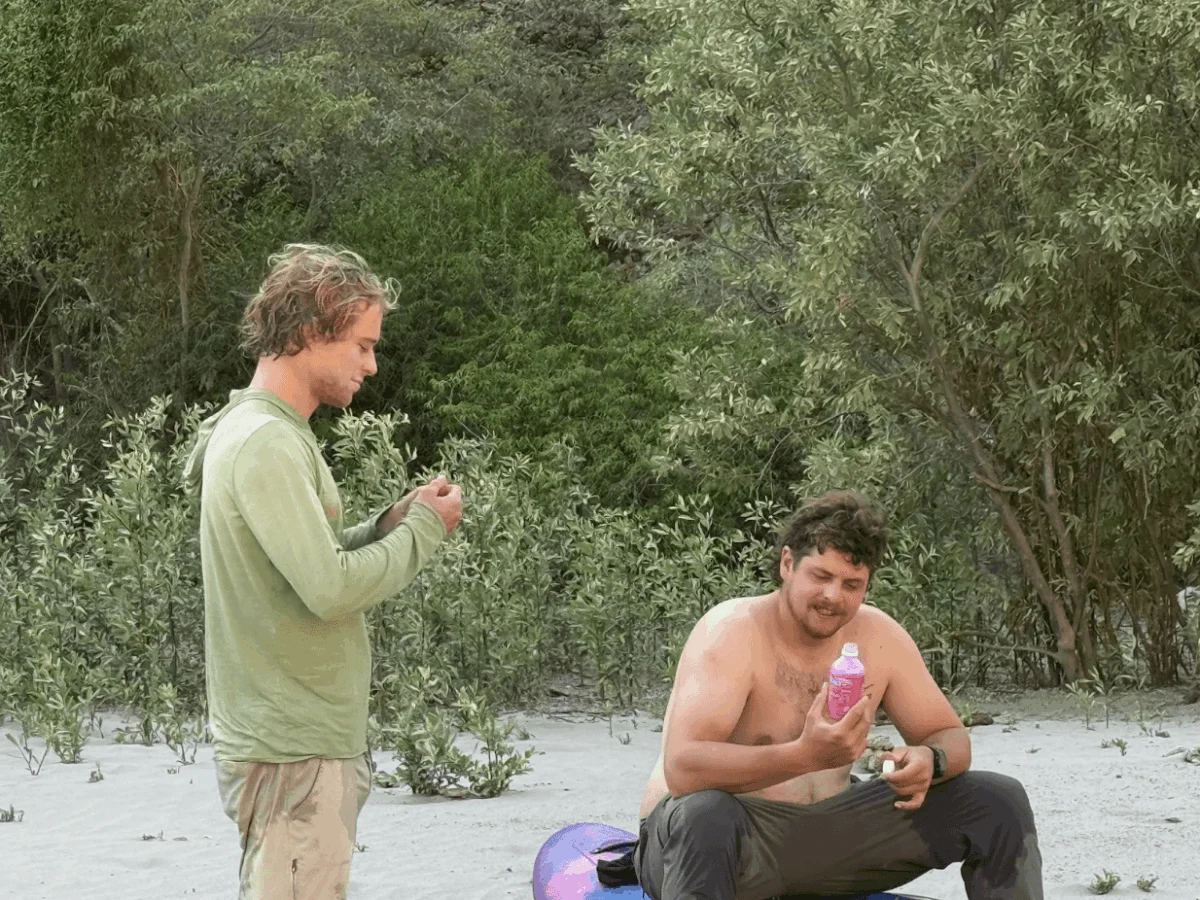
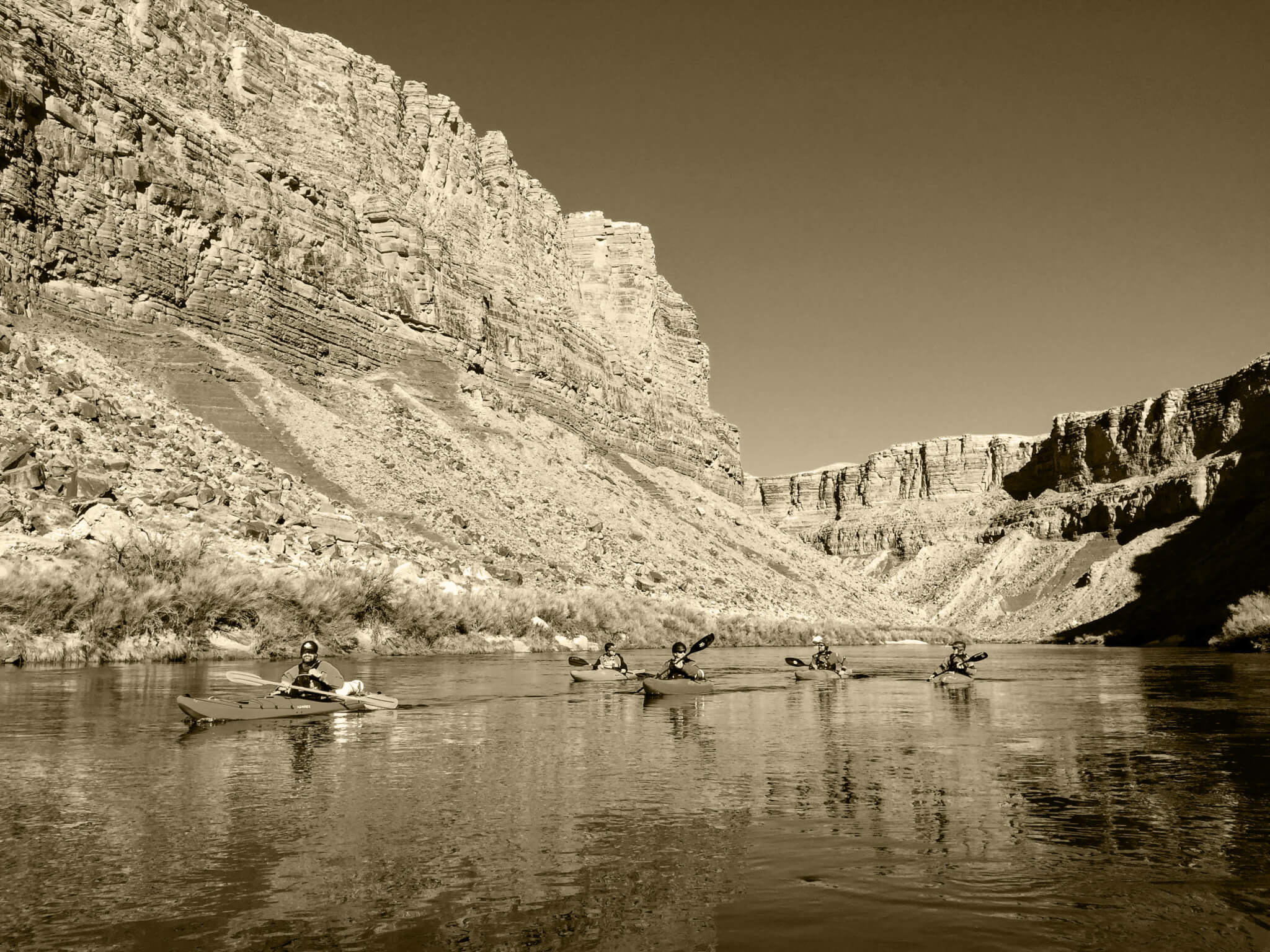
On January 26, a team of four elite instructors from Whitewater Rescue Institute (WRI)—Paul Heffernan, Matt O’Reilly, Frank Preston, and Cody Harris—embarked on one of the most grueling and rewarding challenges in American wilderness exploration: a 10-day self-supported kayak descent of the Grand Canyon.
The expedition was not merely a recreational paddle; it was an exercise in extreme logistics, physical endurance, and psychological fortitude. For 280 miles, the group navigated the Colorado River, carrying every piece of equipment, food, and waste required for the duration of the trip within the confines of their kayaks. Following the expedition, a series of anonymous, handwritten letters discovered in the bottom of a drybag offered an intimate, raw look at the realities of self-supported canyon travel. These documents, now surfacing as a vital resource for the paddling community, detail the highs, lows, and technical complexities of a Grand Canyon self-support mission.
The Logistics of Self-Sufficiency
The philosophy of the trip was radical minimalism. Unlike commercial rafting expeditions that utilize motorized support or large gear boats, the WRI team operated on a "completely self-contained" model. Each of the 10 paddlers was responsible for their own kitchen, camp kit, and nutrition.
The weight penalty for this independence was severe. Upon launching from Lees Ferry, the group’s kayaks were heavily laden, estimated at 175 to 200 pounds each. "They responded about as well as a hungry burro in sight of a barn," noted the anonymous correspondent, known only as "Little Spoon." The initial struggle with boat trim and packing efficiency set a humbling tone for the journey, highlighting the delicate balance between necessary gear and the hydrodynamics of a fully loaded whitewater kayak.

Chronology of the Descent
Days 1–3: The Roaring Twenties and Inner Gorge Preparation
The journey began at Lees Ferry with a 21-mile push to North Canyon. The first day served as a crucible for the group, involving technical navigation through rapids like House Rock and the inevitable "kinks" of a long-duration trip.
As the team moved into the "Roaring Twenties"—a series of rapids characterized by their intensity—they encountered the dramatic shift in scenery that defines the Grand Canyon. By day three, the team had reached Cardenas, having navigated the Little Colorado confluence. The diary entries from this period emphasize the importance of gear selection; those who opted for inflatable sleeping pads without adequate protection found themselves sleeping on piles of spare clothing, a sobering reminder of the unforgiving nature of the canyon environment.

Days 4–6: The Heart of the Granite Gorge
Day 4 marked a significant shift as the river entered the inner gorge, where the ancient schist and granite walls tower over the water. This section contains some of the most legendary whitewater in the world, including Hance, Sockdolager, Horn Creek, and Crystal Rapids.
The anonymous narrator noted the stark contrast between their own tactical approach—skirting the "meat" of the larger hydraulics—and the bold, aggressive lines chosen by their trip leader. The psychological weight of the canyon began to set in, paired with the logistical reality of managing human waste in a fragile ecosystem. The "groover" (the portable waste system required by the National Park Service) became a central character in the daily logs, tracking the group’s consumption and the physical toll of the 10-day exertion.

Days 7–10: The Legacy of Powell and the Reborn River
As the group reached the lower sections of the canyon, the focus shifted from pure navigation to the historical weight of the landscape. At Separation Canyon, the team reflected on the 1869 Powell Expedition, where three men famously chose to abandon the river and attempt a hike out rather than run the treacherous rapids below.
The final leg of the journey offered a unique perspective on the impact of the Hoover Dam. As the river enters the influence of Lake Mead, the canyon "widens into an open plain." However, due to historic drought conditions, the reservoir has receded, allowing the river to cut through ancient silt deposits and, in a sense, reclaim its original channel. This "reborn" river served as a poignant conclusion to the trip, emphasizing the resilience of the natural world against human engineering.

Technical and Environmental Insights
The WRI team’s documentation provides several key takeaways for future expeditionists:
- Weight Management: The consensus among the group was that individual kitchen setups provided necessary autonomy, especially on cold mornings, but required rigorous discipline in packing.
- Water Sourcing: The team relied on springs and tributaries, which, while abundant, required careful monitoring. The clarity of the water early in the trip was a significant advantage over the silt-heavy conditions often found in the lower canyon.
- Weather Resilience: While the group enjoyed a "bluebird" start with temperatures near 70 degrees, they encountered their first significant weather event near the end of the trip, forcing them to huddle in tents and reevaluate their exposure.
- Nutrition: There was a marked divide in strategy. Some paddlers opted for the extreme lightness of freeze-dried food, while others prioritized morale by carrying vacuum-sealed, fresh-food meals.
Official Perspectives and Implications
The WRI expedition serves as a high-level case study for those looking to transition from day-tripping to multi-day self-supported expeditions. The emphasis on "mentorship and daily coaching" from the trip leader was cited as a primary factor in the group’s safety and success.

"The rapids are a treat, but the true challenge is the sustained commitment required by the landscape," notes the report. For the paddling community, these insights serve as a warning: the Grand Canyon is not merely a series of rapids to be conquered, but a wilderness that requires a high degree of self-reliance, physical conditioning, and respect for the historical and geological context of the environment.
Conclusion: A Lesson in Humility
The 280-mile descent was more than just a successful traversal of the Colorado; it was a profound lesson in humility. The anonymous correspondent’s final reflection summarizes the essence of the trip: "It will always carry on; we and our concrete dreams are merely a temporary distraction."

By successfully navigating the canyon with nothing more than what they could carry, the WRI instructors demonstrated the enduring appeal of human-powered exploration. As the team reached Pearce Ferry, the silence of the open plain replaced the roar of the rapids, leaving the paddlers with the quiet satisfaction of having engaged with one of the most magnificent, and humbling, natural wonders on the planet. The journey remains a testament to the fact that while technology and engineering may attempt to domesticate the river, the spirit of the Colorado remains wild, undaunted, and profoundly indifferent to those who pass through it.