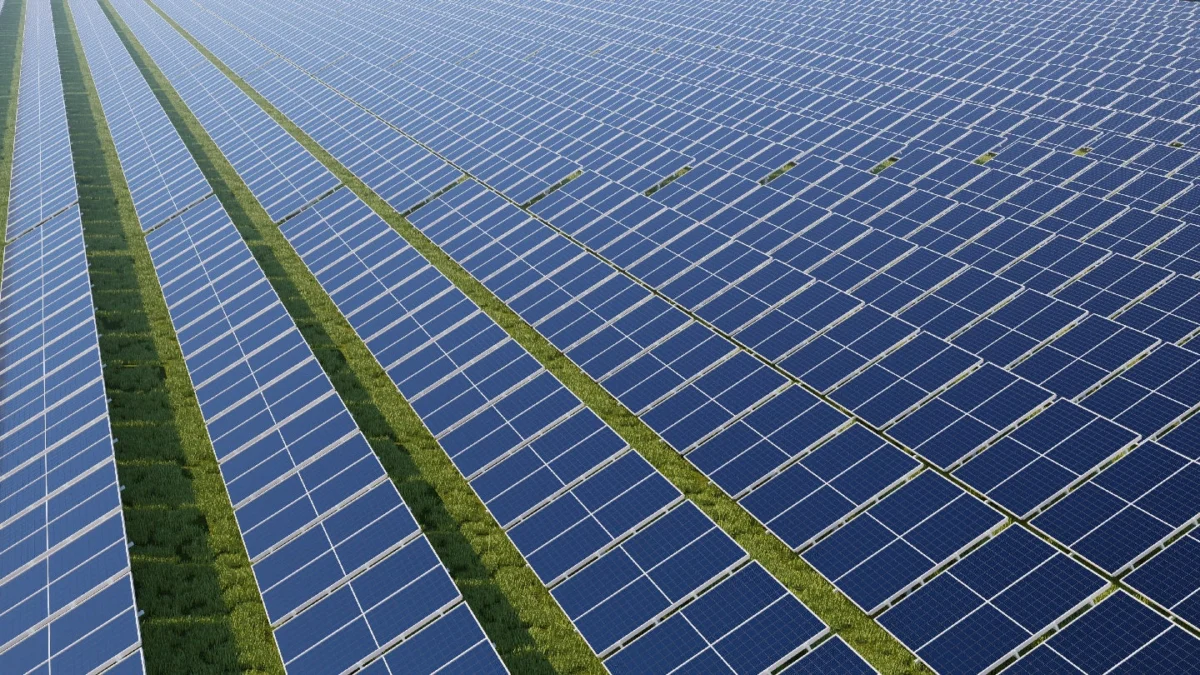
In a landmark development for Australia’s energy transition and Indigenous economic empowerment, the Yindjibarndi Energy Corporation (YEC) has officially achieved financial close on the Jinbi Solar Project. Located in the heart of Western Australia’s resource-rich Pilbara region, this project represents the first major venture for the YEC, a joint enterprise between the Yindjibarndi Aboriginal Corporation (YAC) and the ACEN Corporation.
The achievement follows three years of intensive planning, cultural consultation, and commercial negotiation. With the securing of essential funding, contractual frameworks, and environmental clearances, the project is now poised to move into the construction phase. Crucially, the project is underpinned by a 30-year power purchase agreement (PPA) with global mining giant Rio Tinto, which will see the entirety of the project’s initial output dedicated to decarbonizing the miner’s Pilbara iron ore operations.
The Genesis and Chronology of the Jinbi Project
The journey to this financial milestone began three years ago, when the Yindjibarndi people—the traditional custodians of the land—sought to transition from being mere stakeholders in regional development to becoming active participants in the renewable energy economy.
A Timeline of Strategic Development
2023: Formation of the Yindjibarndi Energy Corporation (YEC) in partnership with ACEN Corporation. The partnership was designed to combine the Yindjibarndi people’s deep knowledge of their "Country" with the technical and financial expertise of a global energy player like ACEN.
2024: Commencement of site assessments and engagement with regulatory bodies to ensure that the project met both environmental standards and the rigorous cultural requirements of the Yindjibarndi Nation.
2025: Negotiations for the Power Purchase Agreement (PPA) with Rio Tinto reached their final stages, aligning the needs of the mining industry with the renewable supply capacity of the YEC.
May 2026: Official announcement of financial close. This milestone indicates that all project risks have been mitigated, funding is secured, and construction contracts are finalized.
Mid-2026: Mobilization of site preparation crews, led by Yindjibarndi-owned enterprises.
Mid-2028: Projected commencement of full commercial operations, marking the start of the 30-year supply agreement.
Technical Specifications and Future Scalability
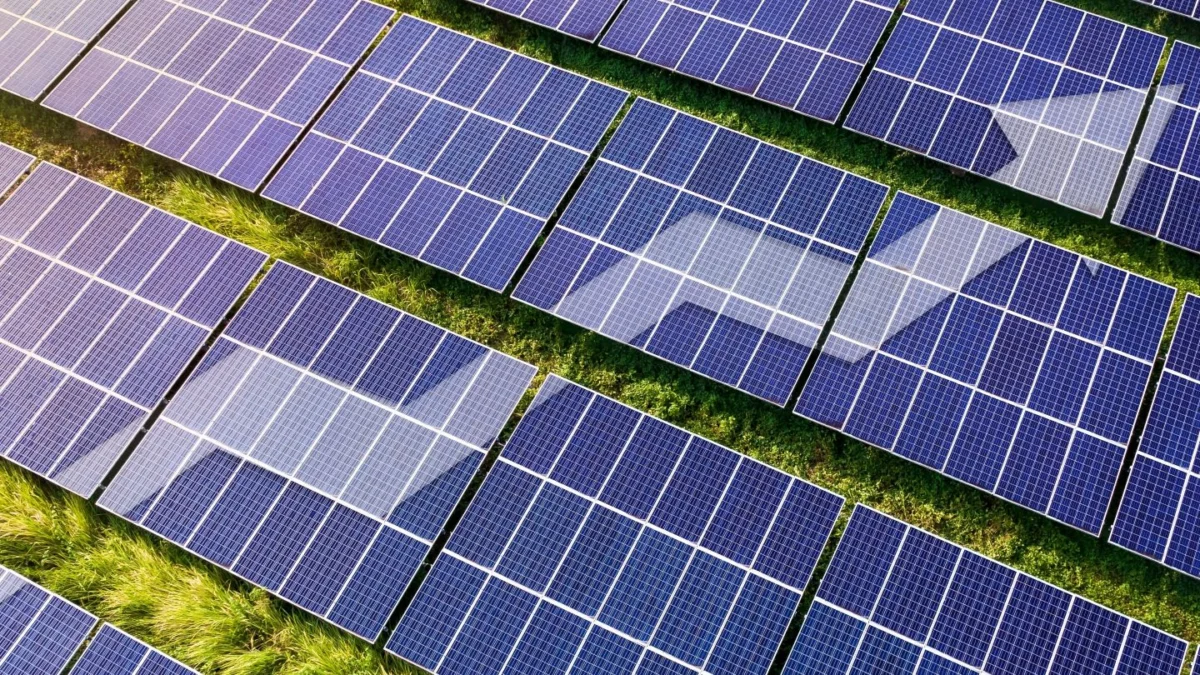
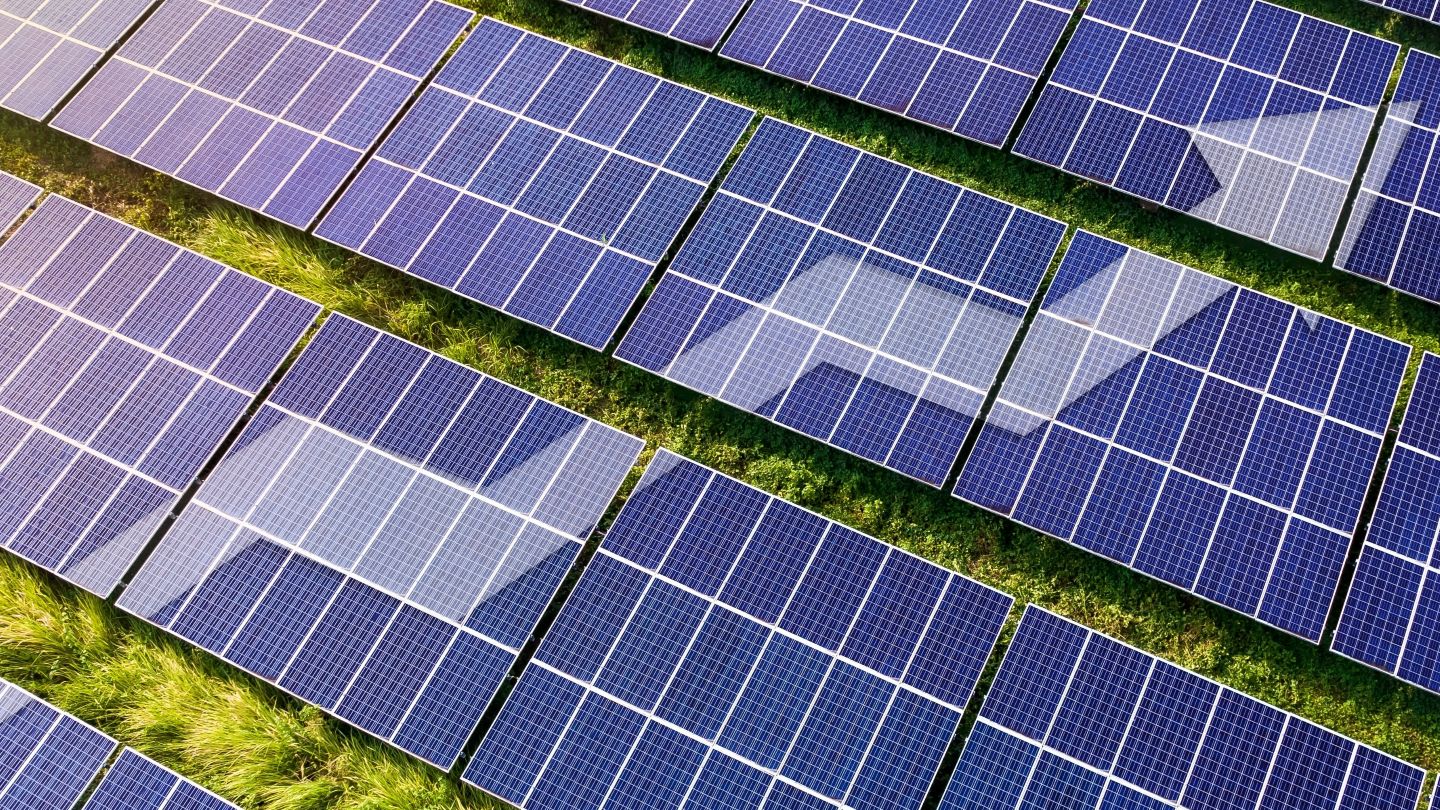
The Jinbi Solar Project is engineered to be a cornerstone of the Pilbara’s shifting energy profile. In its initial stage, the facility will feature a 75MW-alternating current (MWac) solar array. However, the design is intentionally modular to allow for significant future growth.
Infrastructure Highlights:
Initial Capacity: 75MWac, designed to provide consistent, clean energy to local mining infrastructure.
Scalability: The project site has been mapped for an expansion potential of up to 150MWac. This is subject to future regulatory approvals and demand assessments.
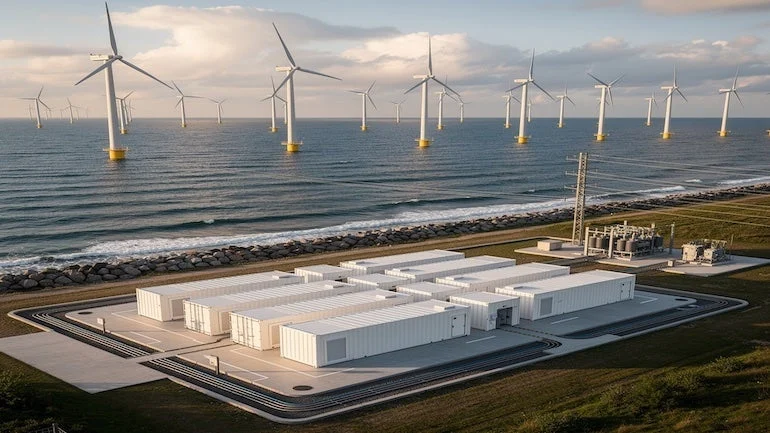
Energy Storage: The project includes provisions for the future integration of battery energy storage systems (BESS). This is a critical component for stabilizing the energy grid, as it allows for the storage of excess solar energy generated during the day to be dispatched during peak demand or overnight hours.
Strategic Partnerships: YEC has appointed DT Infrastructure as the engineering, procurement, and construction (EPC) contractor. Rapid Camps has been engaged to provide the necessary construction accommodation, ensuring that the site remains self-sufficient during the assembly phase.
Strengthening the Local Economy: The Role of Yurra
A defining feature of the Jinbi project is its commitment to "on-country" employment and local business participation. Preliminary site work is already underway, spearheaded by Yurra, a Yindjibarndi Nation enterprise.
Yurra is responsible for the critical early-stage tasks of site preparation and logistics mobilization. By utilizing a local Indigenous enterprise for these foundational civil works, the YEC is ensuring that the economic benefits of the energy transition are captured within the Yindjibarndi community. This model of "indigenous-led infrastructure" is increasingly viewed as the gold standard for resource and energy projects in Western Australia, shifting the paradigm from passive land access to active corporate participation.
Official Responses: A Convergence of Interests
The collaboration between the Yindjibarndi people and Rio Tinto marks a significant alignment between corporate sustainability targets and Indigenous self-determination.
Craig Ricato, CEO of YEC, highlighted the cultural significance of the milestone:
"Reaching financial close on our first project in the Pilbara within three years of the partnership’s operation is a significant milestone for YEC and our shareholders, the Yindjibarndi Traditional Owners and ACEN. It confirms that a Yindjibarndi-led project, grounded in country and culture, can meet the rigorous commercial requirements of the energy market while staying true to our values and governance responsibilities."
Matthew Holcz, CEO of Iron Ore at Rio Tinto, emphasized the value-add of the partnership:
"We are proud to be part of the Jinbi project, which reflects years of work by many and led by the Yindjibarndi people. Developing renewable energy on Yindjibarndi Country, in partnership with its traditional custodians, creates enduring value—supporting our operations while contributing to long-term economic opportunities on country."
Implications for the Pilbara and Beyond
The Jinbi Solar Project is more than just a power plant; it is a blueprint for the future of the Australian mining sector.
1. Decarbonizing the "Engine Room" of Australia
The Pilbara is one of the world’s most significant iron ore production hubs. Traditionally reliant on fossil fuels, mining companies in the region are under immense pressure to lower their Scope 1 and Scope 2 emissions. By procuring 100% of the energy from the 75MWac Jinbi facility, Rio Tinto is taking a tangible step toward its goal of net-zero emissions, proving that industrial giants can source power from Indigenous-led renewable initiatives.
2. Economic Empowerment for Traditional Owners
The 30-year PPA guarantees long-term, stable revenue for the Yindjibarndi people. Unlike traditional compensation models, which can be one-off payments, this equity-based model provides the YAC with sustained cash flow for decades. This allows for long-term investments in community health, education, and infrastructure programs.
3. Energy Security in Remote Regions
The Pilbara is a vast, isolated region where power reliability is paramount for mining operations. Decentralized renewable energy projects like Jinbi contribute to a more resilient, diversified energy grid. By incorporating solar and, eventually, battery storage, the region becomes less susceptible to fluctuations in global fuel prices and supply chain disruptions.
4. A New Standard for ESG
Environmental, Social, and Governance (ESG) criteria are no longer optional for major global corporations. The Jinbi project demonstrates how ESG can be woven into the very fabric of a project’s structure. It addresses the ‘E’ (renewable energy), the ‘S’ (Indigenous partnership and economic development), and the ‘G’ (governance through the YEC-ACEN joint venture structure).
Conclusion: The Path Forward
As the Jinbi Solar Project enters the physical construction phase, the eyes of the Australian energy sector will be fixed on its progress. The project is an ambitious synthesis of traditional knowledge and modern engineering, proving that the transition to green energy can be an engine for reconciliation and economic justice.
With site mobilization underway and a clear path toward the 2028 operational deadline, the Yindjibarndi Energy Corporation has signaled that they are not merely participants in the energy sector—they are architects of the future. The success of this project will likely serve as a catalyst for further Indigenous-led renewable energy initiatives, potentially transforming the Pilbara from a fossil fuel-heavy industrial heartland into a global leader in clean, community-empowered energy production.
The global transition to renewable energy hinges on the reliability of wind power. As turbines increase in size and reach, the mechanical stresses placed on […]
As the United Kingdom accelerates its transition toward a net-zero power grid, the integration of intermittent renewable energy with flexible storage has become the industry’s […]
In a landmark move for India’s rapidly evolving energy landscape, Purvah Green Power—the dedicated renewable energy subsidiary of the RP-Sanjiv Goenka (RPSG) Group’s CESC—has announced […]