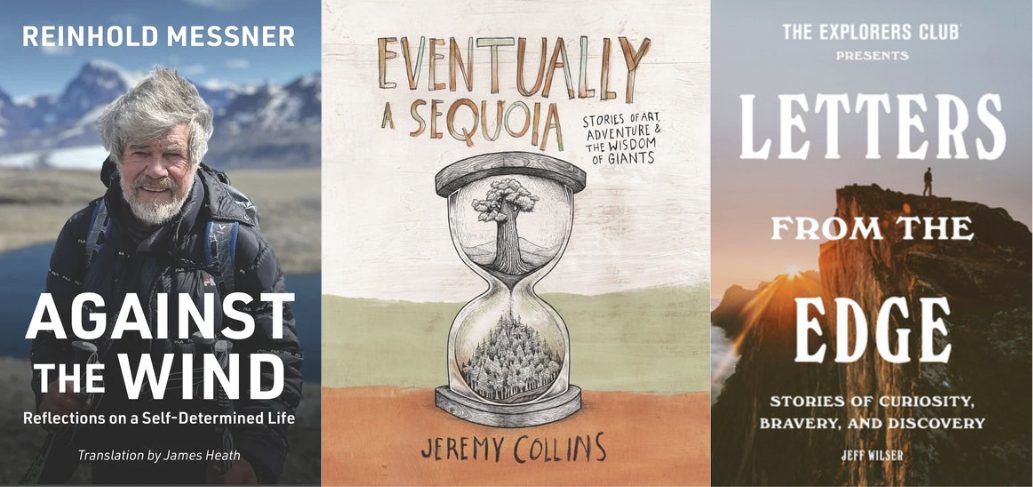
As the climbing community looks toward the future of exploration, a trio of recent publications offers a profound lens through which to view the past, present, and purpose of the human spirit. These reviews, originally featured in Alpinist 93 (Spring 2026), highlight how the written word continues to shape our understanding of the high places and the people who haunt them.
The Literature of Exploration: An Overview
In an era defined by rapid digital consumption, the endurance of the long-form narrative—particularly within the sphere of mountain culture—remains a vital touchstone. Since the dawn of 2026, the editorial team at Alpinist has curated a selection of works that transcend the traditional "adventure travelogue." By examining the lives of legends like Reinhold Messner, the artistic documentation of Jeremy Collins, and the historical archives of The Explorers Club, we gain more than just a recounting of expeditions; we gain a deeper comprehension of the existential "why" that drives humanity to the edge.
Whether through the lens of Indigenous rights, the legacy of survival in the Arctic, or the complex, often bruised ego of a mountaineering titan, these books invite readers to reconsider their own relationship with the wild. As we prepare for the release of Alpinist 94, we invite our readers to immerse themselves in these three essential volumes.
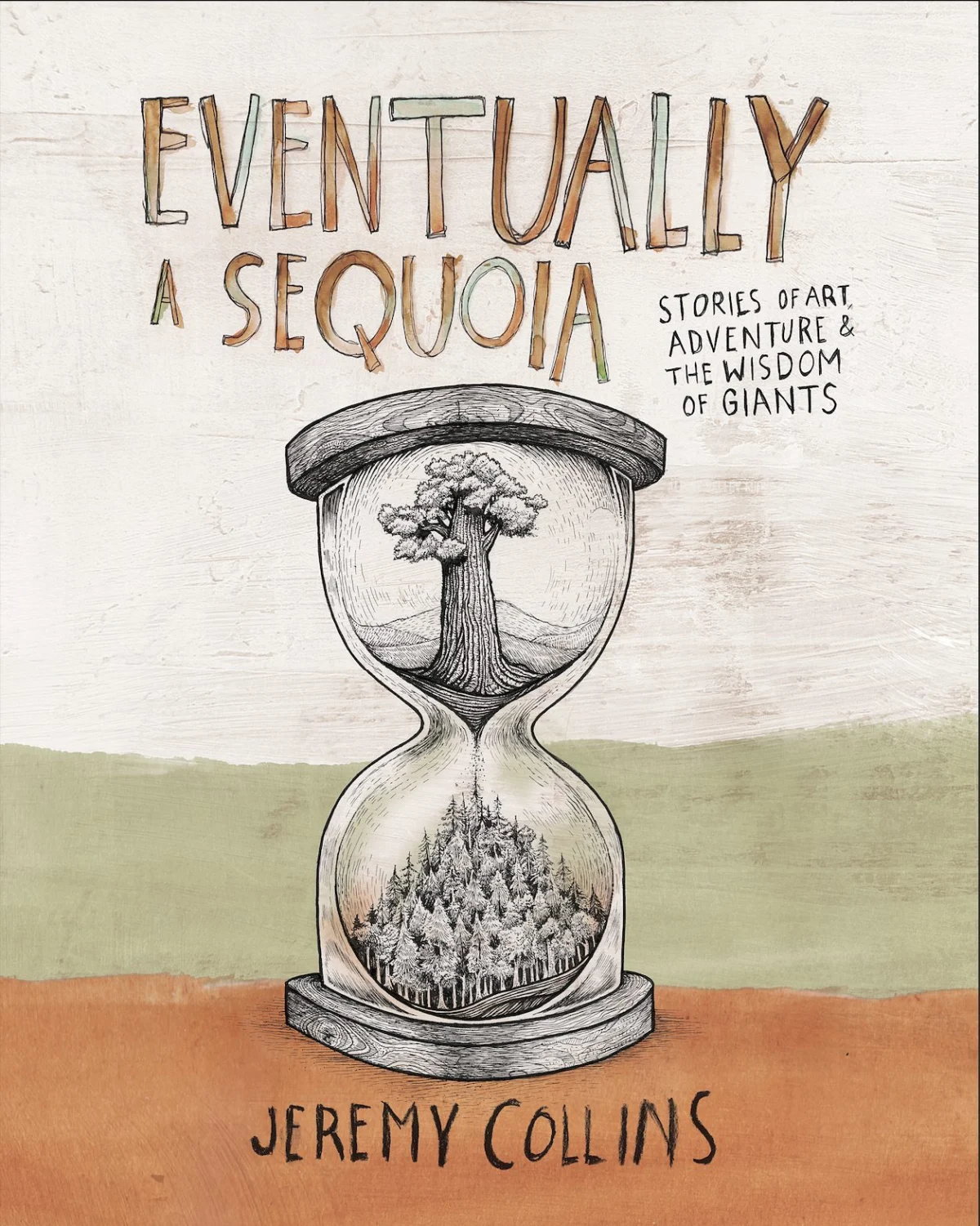
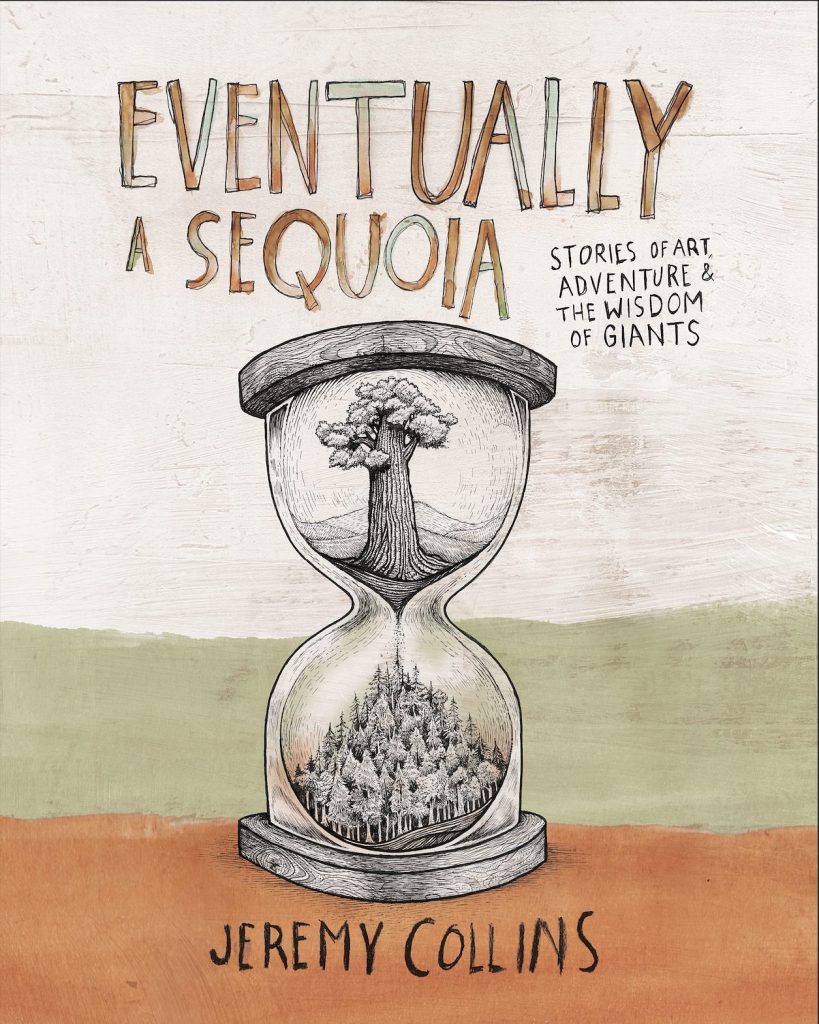
1. Eventually a Sequoia: The Art of Witness
Author: Jeremy Collins
The Intersection of Art and Activism
For over two decades, Jeremy Collins has been a visual anchor for the climbing community. His sketches and paintings have graced the pages of Alpinist since 2002, serving as a silent, expressive counterpoint to the adrenaline-fueled photography that typically dominates the genre. In his latest work, Eventually a Sequoia, Collins moves beyond mere documentation to address a fundamental question: What is the utility of a pencil in a world facing profound environmental and social turbulence?
Key Themes and Narrative Scope
Collins’ latest work is a reflective autobiography that reassesses his own influences and the evolution of his craft. He writes candidly about the feeling of helplessness that often accompanies the artistic life, noting: "In an increasingly tumultuous world, I had been questioning what the drawings in my sketchbooks could do to help amplify the causes I found moving… I mean, they were just lines on paper."
However, the book refutes this humility. Collins uses his art to bridge the gap between human struggles and natural beauty. His work takes the reader through:
- Indigenous Resilience: Glimpsing the world through the eyes of rainforest communities.
- Humanitarian Crises: Documenting the aftermath of natural disasters in Nepal.
- Environmental Stewardship: Highlighting the fight for the Arctic Refuge and the generational history of land management at the iconic Indian Creek.
Implications for the Reader
Eventually a Sequoia is not a guide to climbing; it is a guide to observation. By cataloging the knowledge of those he meets on his travels, Collins creates a tapestry of hope. The book suggests that the act of "seeing"—and subsequently drawing—is a form of protest and preservation. It is a powerful reminder that our creative output, no matter how modest, has the potential to amplify the voices of the marginalized.
2. Letters from the Edge: The Anatomy of Bravery
Authors: The Explorers Club and Jeff Wilser
A Chronicle of Survival
While many adventure books focus on the glory of the summit, Letters from the Edge shifts the focus toward the grit of endurance. The book’s narrative heart is the story of Ada Blackjack, a young Iñupiaq woman who, in 1923, was hired for a doomed expedition to Wrangel Island. Tasked with supporting a team of men in the harsh Arctic, Blackjack eventually found herself the sole survivor of the venture. Her diary, a centerpiece of the book, offers a harrowing and intimate look at what it means to be truly alone at the periphery of the known world.
Supporting Data: A Diverse Array of Human Endeavor
Jeff Wilser’s collaboration with The Explorers Club provides a vast, global perspective on the drive to explore. The collection is not limited to high-altitude climbing, but rather explores the "extreme" in various forms:
- Scientific Inquiry: Andrés Ruzo’s quest for the fabled boiling river in the Peruvian Amazon.
- Climate Science: Klaus Thymann’s research in the Rwenzori Mountains, interwoven with the complexities of modern personal relationships.
- The Deep Sea: Richie Kohler’s technical diving explorations into the abyss.
- The High Peaks: Paul Neil’s confrontations with the physical and mental realities of Everest and Lhotse.
Implications: The "Spirit of Climbing"
Letters from the Edge serves as a poignant reminder that exploration is a spectrum. The book argues that the "spirit of climbing" is not found in the altitude achieved, but in the curiosity and bravery required to step into the unknown. It is a testament to the human need to communicate back to the world, to leave a mark, and to bear witness to the extremes of our planet.
3. Against the Wind: The Messner Legacy
Author: Reinhold Messner
The Final Rebuttal
Reinhold Messner is arguably the most recognizable figure in the history of mountaineering. From his oxygen-less ascent of Everest to his solo traverse of the world’s fourteen 8,000-meter peaks, his physical feats are undisputed. Yet, Against the Wind is less about the peaks and more about the politics of a life lived under constant public scrutiny.
Chronology of a Controversial Life
The memoir follows a non-linear path, mirroring the way memories often surface in later life. Messner navigates his history with a mix of defiance and reflection, touching on:
- Early Life: The formative years in the Dolomites and his complex relationship with his homeland’s history.
- The Nanga Parbat Tragedy: A significant portion of the book is dedicated to his lifelong quest to clarify the circumstances surrounding his brother Günther’s death in 1970.
- Public Perception: Messner addresses his long-standing feuds with the media and government officials, framing his life as a constant battle against a world that rarely understands his personal code.
Implications: The Catharsis of Age
At eighty-one, Messner is clearly concerned with his legacy. Against the Wind is, in many ways, his final word—a defensive but deeply human attempt to control the narrative. The book shifts from the frustrations of a man who feels maligned to the peacefulness of a man who has found his final equilibrium. His concluding thoughts, written while hiking in the Dolomites with his wife, Diane, reflect a sense of peace: "I only ever learned to take off in a headwind—and in my dreams."

Conclusion: Why These Stories Matter
The books reviewed this season do not merely occupy space on a shelf; they provide the intellectual scaffolding for the next generation of explorers.
- Jeremy Collins reminds us that art is an essential tool for activism.
- The Explorers Club reminds us that the spirit of adventure is as much about survival and science as it is about physical challenge.
- Reinhold Messner reminds us that the most difficult mountains to climb are often the ones we build for ourselves through public perception and personal history.
As we continue to work on Alpinist 94, these narratives serve as a reminder of our core mission: to celebrate the stories that define the human condition in the wildest corners of the Earth. We encourage our readers to seek out these volumes, not just for the adventure they contain, but for the profound truths they reveal about what it means to live a life of consequence.
Pick up your copies of these titles today, and happy reading.