While Whistler, British Columbia, has long secured its legacy as the undisputed heavyweight champion of winter sports, a quiet transformation occurs when the snow recedes. As the glacial runoff swells the rivers and the high-alpine meadows burst into a riot of wildflower color, Canada’s premier mountain resort reveals its true versatility. Far from being a "one-season wonder," Whistler in the summer is a masterclass in outdoor recreation, blending high-octane adventure with a level of environmental access that few destinations on the planet can replicate.
Main Facts: The Evolution of a Mountain Icon
Whistler is no longer just a destination for ski bums and snow seekers; it has evolved into a year-round epicenter for adventure tourism. Spanning the expansive terrain of both Whistler and Blackcomb mountains, the resort serves as a gateway to the rugged Coast Mountains.
The primary draw during the warmer months—which typically run from June through September—is the staggering density of activities. Visitors can transition from a morning of technical downhill mountain biking to a mid-afternoon paddle-board session on a pristine alpine lake, followed by a world-class culinary experience in the pedestrian-only Village. The proximity of these varied ecosystems is what sets Whistler apart: you are never more than a few minutes away from a radical change in scenery or activity.
A Chronological Guide to the Summer Season
To understand the Whistler experience, one must view the season through the lens of its shifting landscape and events.
Early Summer: The Awakening (June)
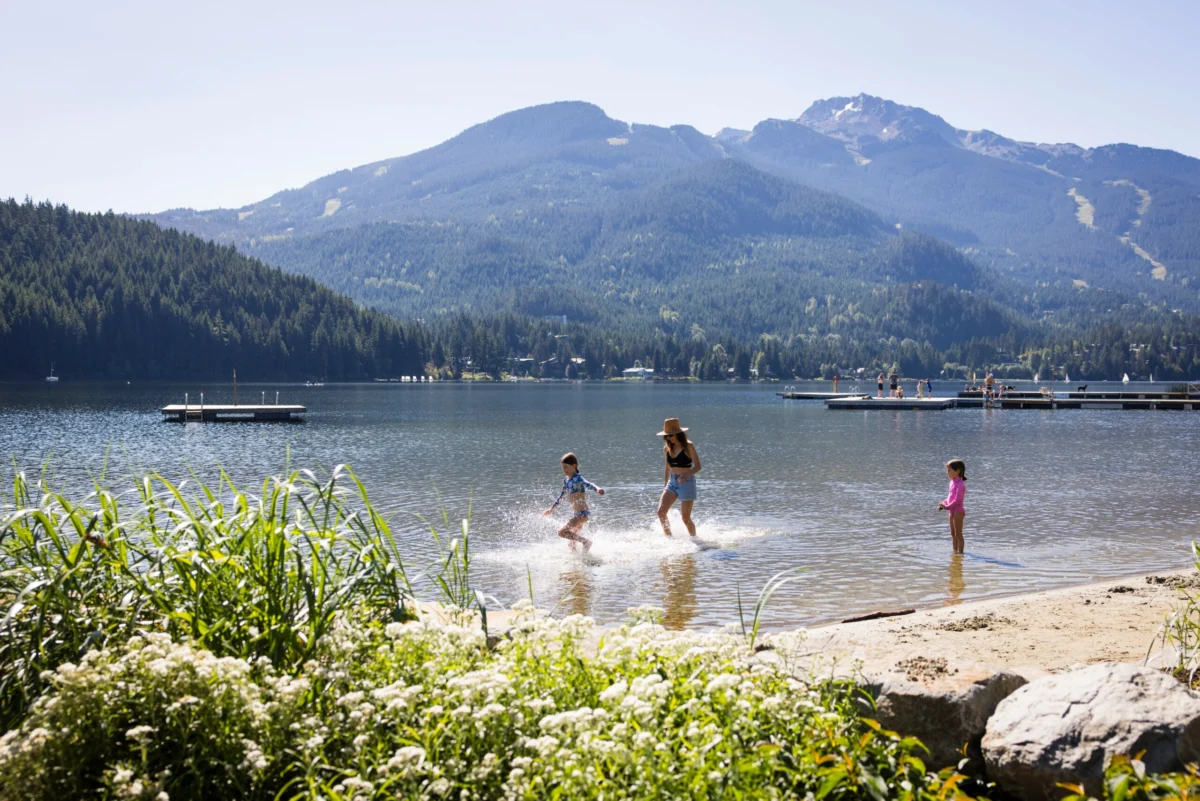
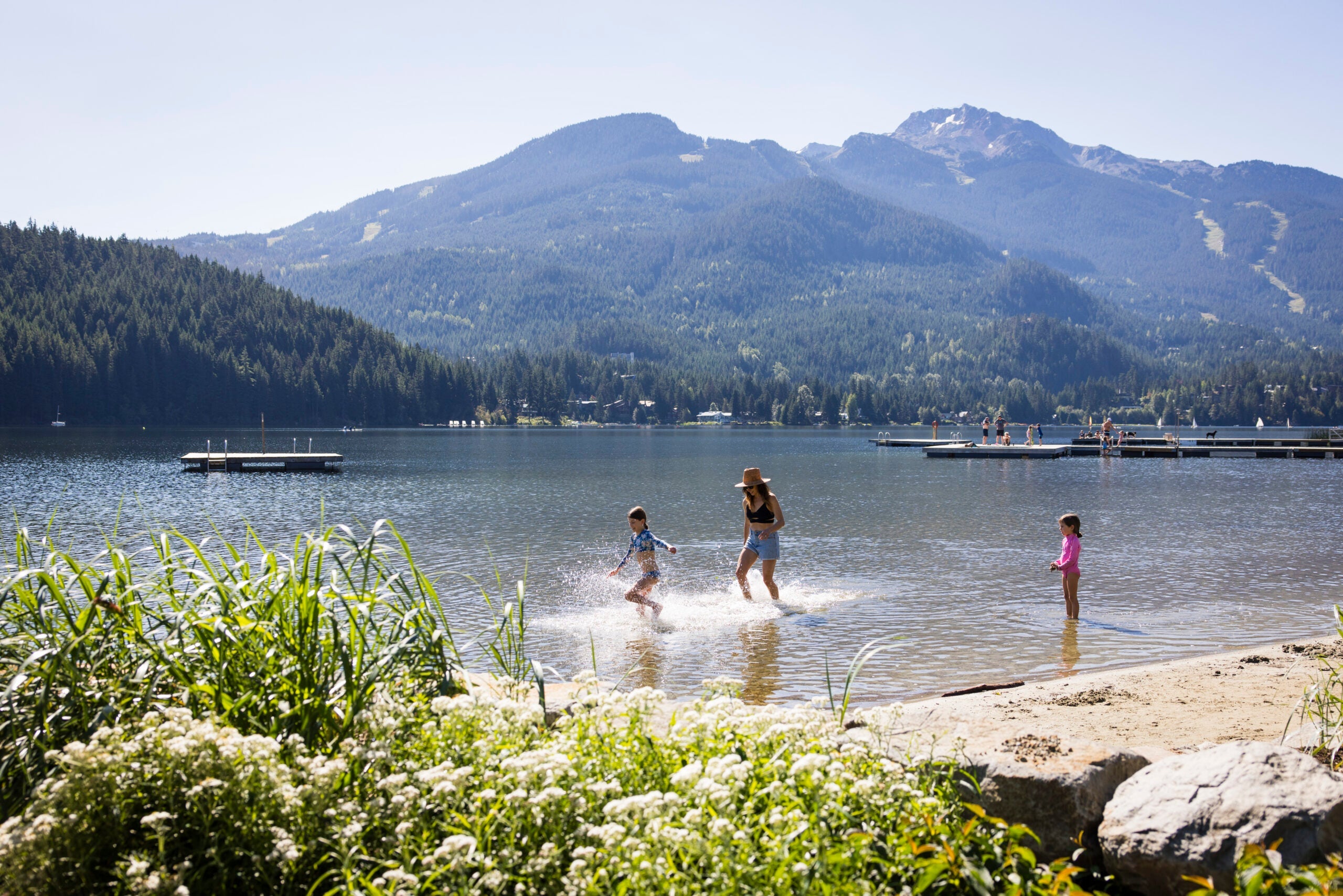
As the snow line retreats to the highest peaks, the valley floor comes alive. June is marked by the Nourish Whistler Wellness Series, an event series focused on rejuvenation and connecting with nature. During this time, the valley trails are in peak condition for cycling and hiking, and the water temperatures in lakes like Alta and Lost Lake begin to climb, inviting the first swimmers of the season.
Peak Summer: The Adrenaline Surge (July and August)
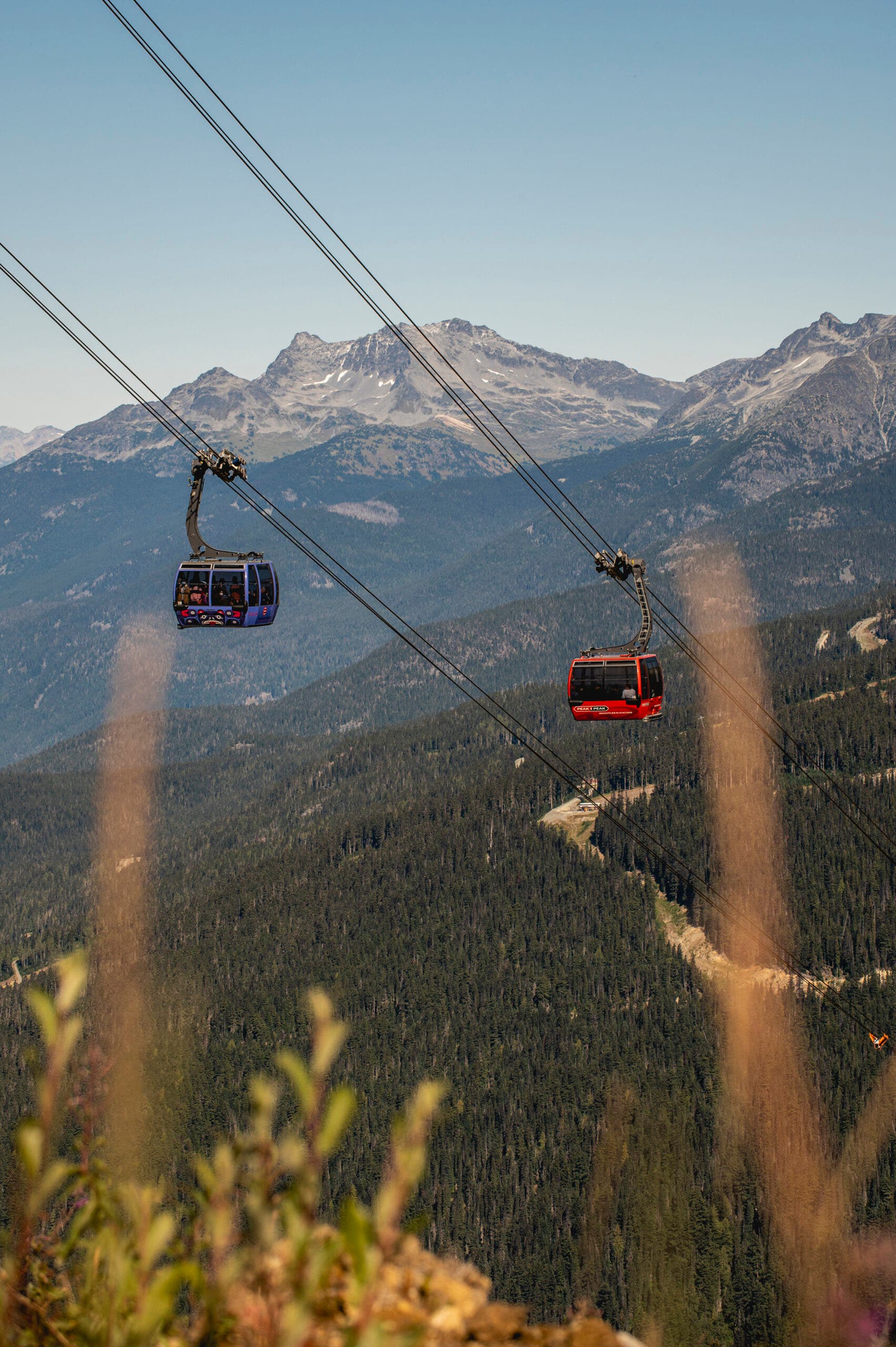
Mid-summer is defined by the high-energy atmosphere of the Village. The crown jewel of this period is Crankworx (July 24 to August 2), the world’s largest mountain biking festival. During these months, the PEAK 2 PEAK Gondola is in full operation, providing essential access to the alpine tundra. It is also the ideal time for whitewater rafting on the Elaho and Squamish Rivers, where glacial melt ensures high-volume, thrilling rapids.
Late Summer: The Golden Season (September)
As the heat of August fades, the mountains take on a golden hue. The trails in Garibaldi Provincial Park become less crowded, and the cooler, crisp air makes for perfect long-distance hiking conditions. This is the window for those seeking the "quiet in between"—the moments of solitude that can only be found in the deep backcountry.
Supporting Data: By the Numbers
The infrastructure supporting Whistler’s summer offering is massive:
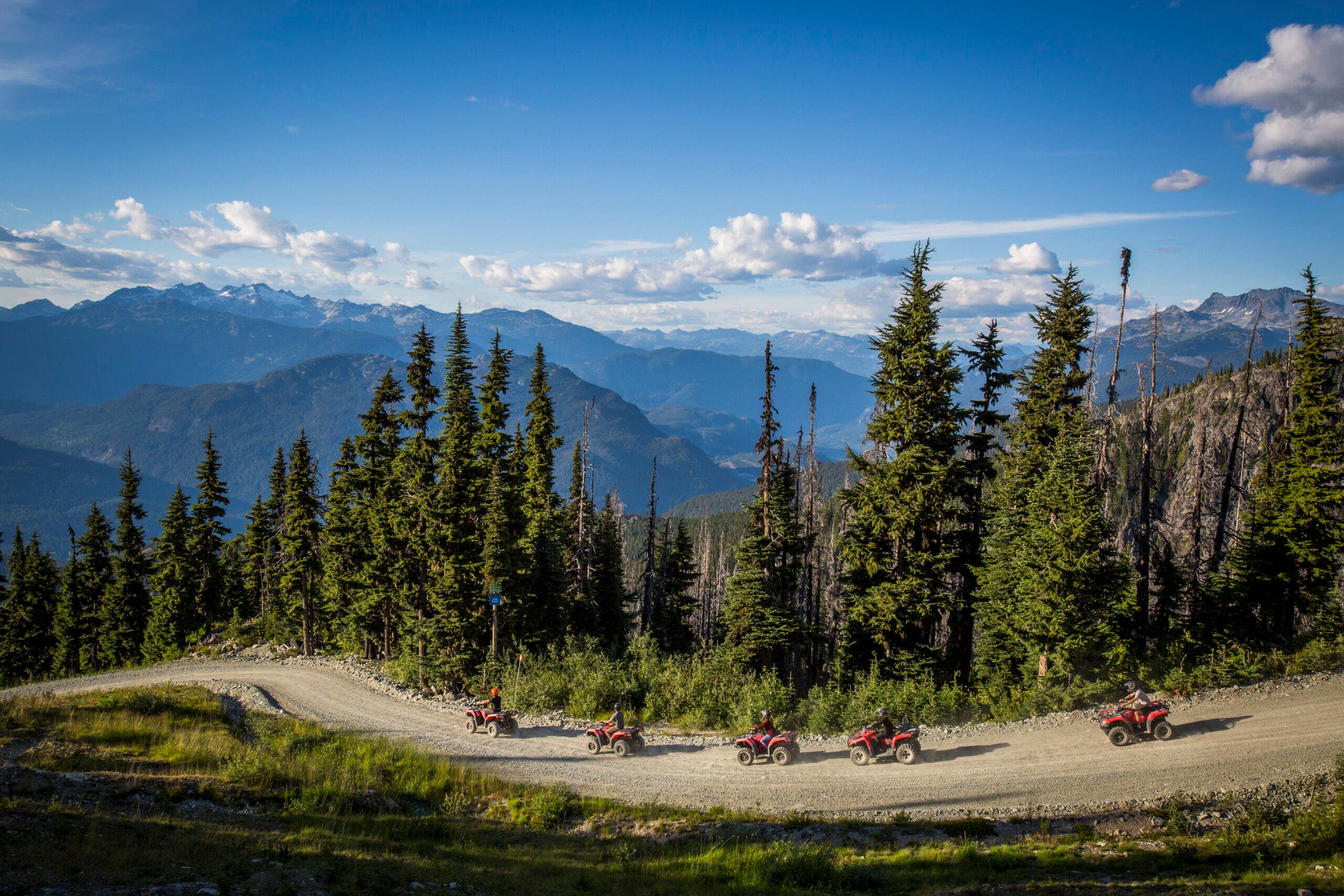
- Mountain Bike Park: Over 120 lift-served trails catering to every skill level, from flowy, beginner-friendly berms to pro-level jump lines.
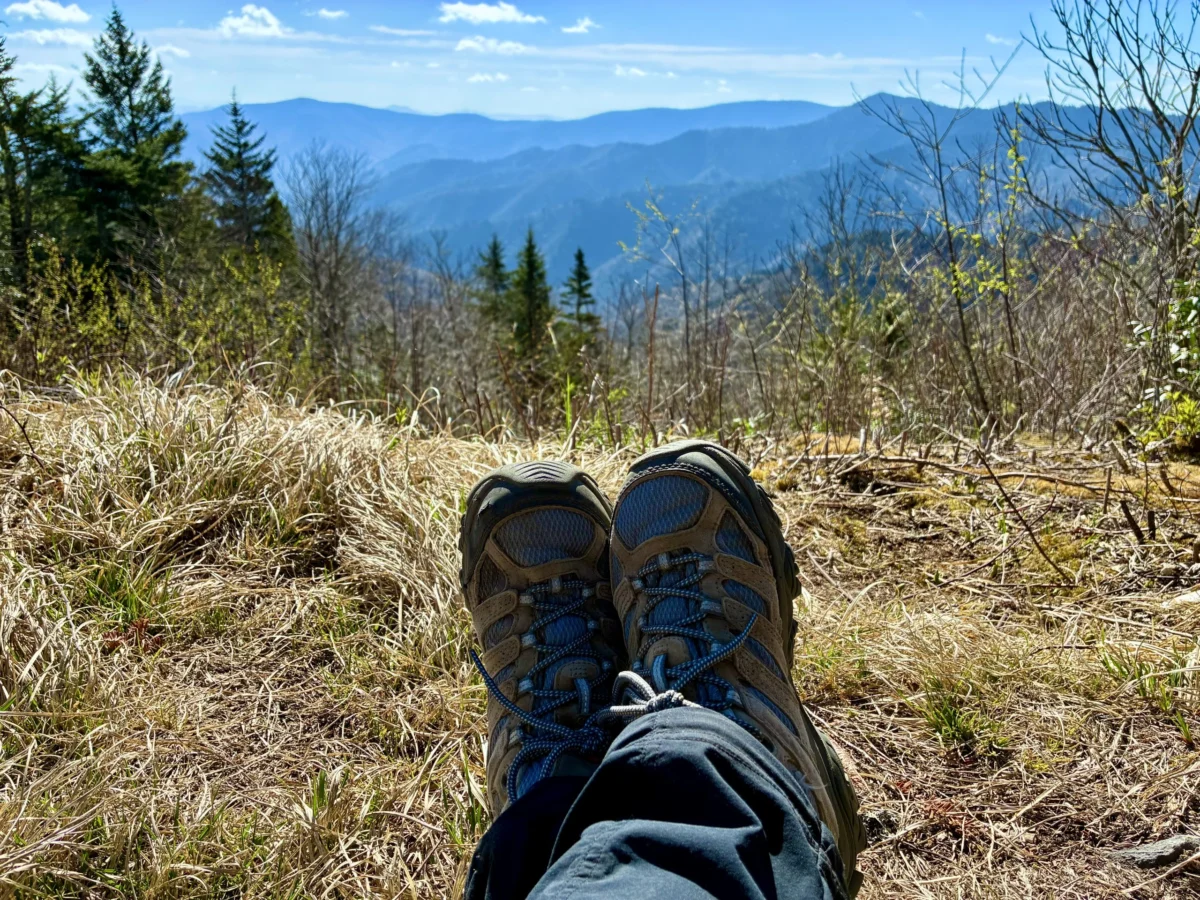
- Alpine Hiking: More than 30 miles of high-alpine trails accessible via the lift system, ranging from easy loops around Harmony Lake to the challenging 5.8-mile High Note Trail.
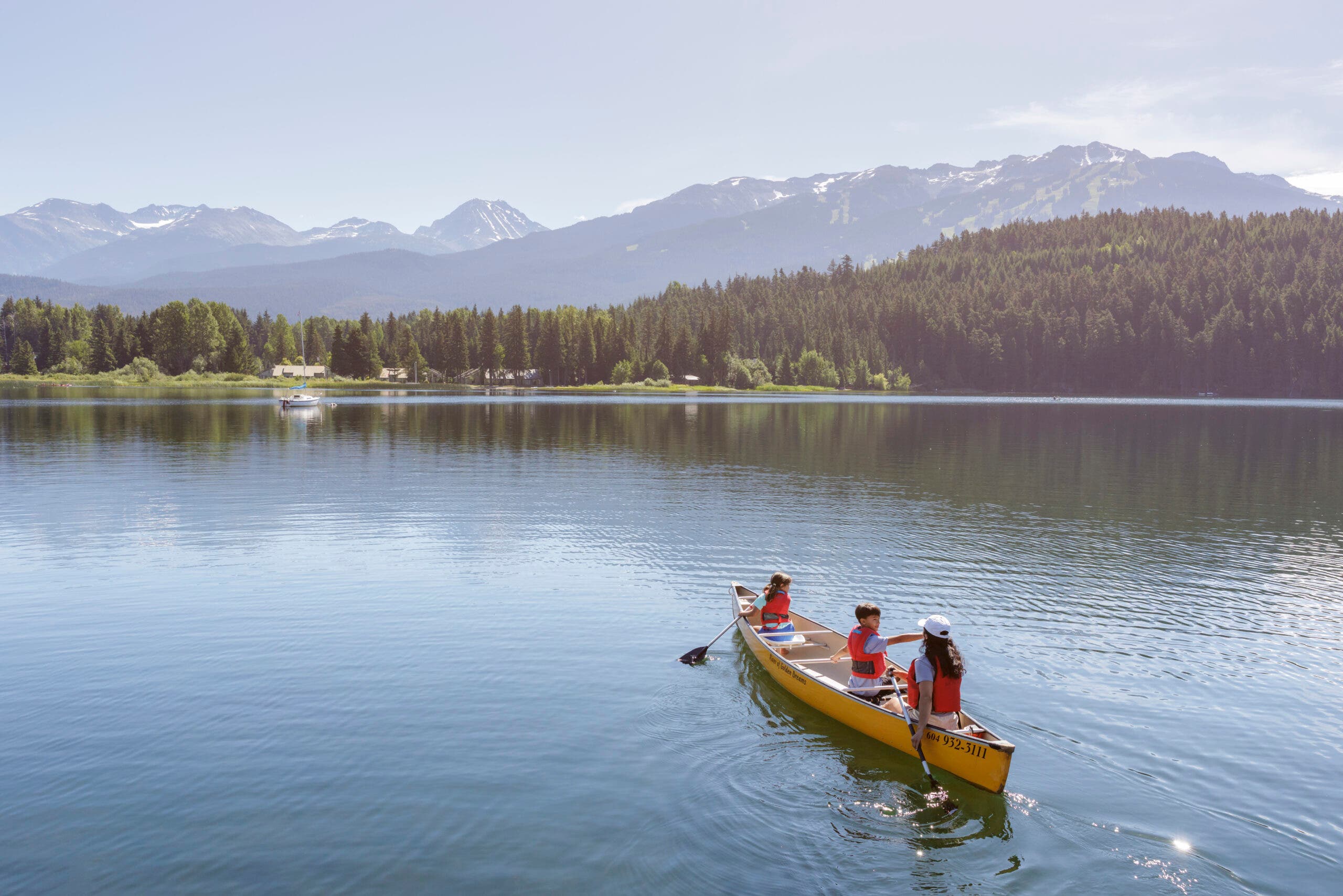
- Water Access: Multiple interconnected lakes (Lost Lake, Alta Lake, Green Lake) connected by an extensive, bike-friendly Valley Trail network.
- Incentives: To encourage longer stays, the resort has introduced a promotional structure for summer 2026. Stays of three nights or more earn a $100 activity voucher, while five-night stays unlock $200 in credit, providing a tangible boost to the local tourism economy.
Official Perspectives: The Philosophy of "Best Day Ever"
Tourism Whistler and the local hospitality community emphasize that the summer experience is designed to be personalized. According to regional tourism stakeholders, the goal is to provide a "frictionless" adventure.
"We want visitors to feel that the mountain is their own," a resort spokesperson noted. "Whether you are here for the high-intensity rush of the bike park or the meditative silence of a hike to the base of the Black Tusk, the infrastructure is built to support that personal journey. The community here is international, but the spirit is quintessentially Canadian—welcoming, helpful, and deeply rooted in a respect for the wilderness."
The hospitality sector, from independent pastry shops like Purebread to fine-dining establishments like Araxi, has aligned its operations to cater to this summer surge, ensuring that the "post-ride" experience is as curated as the adventure itself.
Implications: The Future of Four-Season Tourism
The shift toward a robust summer economy has significant implications for Whistler’s environmental and urban planning. By diversifying the tourism base, the resort reduces its reliance on a single, weather-dependent season. This shift has necessitated a more sophisticated approach to trail management and environmental stewardship, particularly as the popularity of backcountry areas like Garibaldi Provincial Park continues to grow.
Environmental Stewardship
With increased traffic in the alpine, the resort and park services have doubled down on "Leave No Trace" education. The goal is to balance the high volume of visitors with the delicate nature of the Coast Mountains. Hikers are encouraged to utilize professional guides when venturing into the backcountry, ensuring both safety and the preservation of sensitive ecosystems.
Economic Impact
The summer promotional strategy, including the SUMMER2026 incentive program, is aimed at increasing the "length of stay" metric. By encouraging tourists to stay longer, the resort not only increases local spending but also helps disperse the crowds throughout the week, reducing the stress on infrastructure and creating a more sustainable pace for the local workforce.
Conclusion: Why You Should Book Now
Whistler in the summer is not just a vacation; it is a profound change of pace. It offers the rare opportunity to challenge your physical limits in the morning and find absolute stillness by the shore of a glacial lake in the evening.
As the season approaches, the recommendation for travelers is clear: do not rush the experience. The geography of the Coast Mountains demands time—time to explore the lava spires, time to traverse the ridges, and time to enjoy the vibrant culture of the Village. With the current incentive programs and a full calendar of events, 2026 is shaping up to be a landmark year for the resort. Whether you are a seasoned mountain athlete or a family looking for a high-alpine retreat, Whistler is ready to prove that its best days are found when the snow has long since vanished.
To begin planning your trip and to take advantage of the current activity voucher program, visit whistler.com/summer.