In a strategic shift that promises to redefine the trajectory of Finnish sports, the Finnish Olympic Committee has officially inaugurated the Next Generation (NG) program. Designed as a high-performance incubator for the country’s most promising young talents, the initiative marks a significant departure from traditional funding models. By targeting athletes between the ages of 15 and 22, the program aims to bridge the critical gap between junior excellence and sustained international success at the absolute pinnacle of global sport.
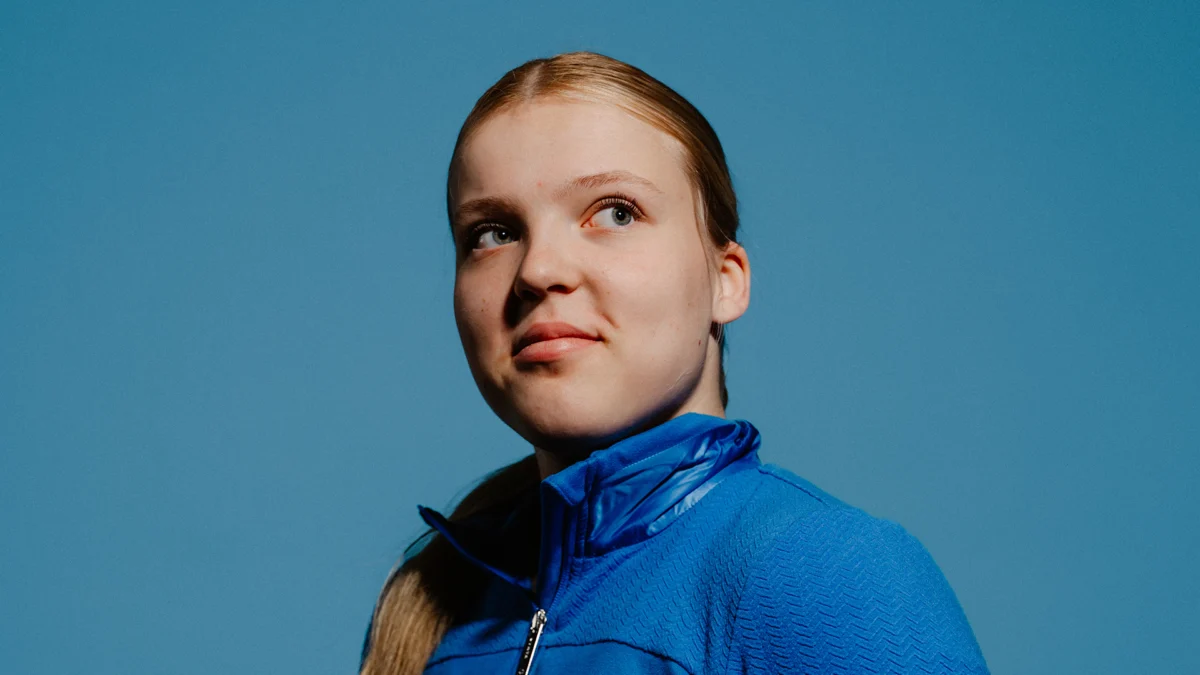
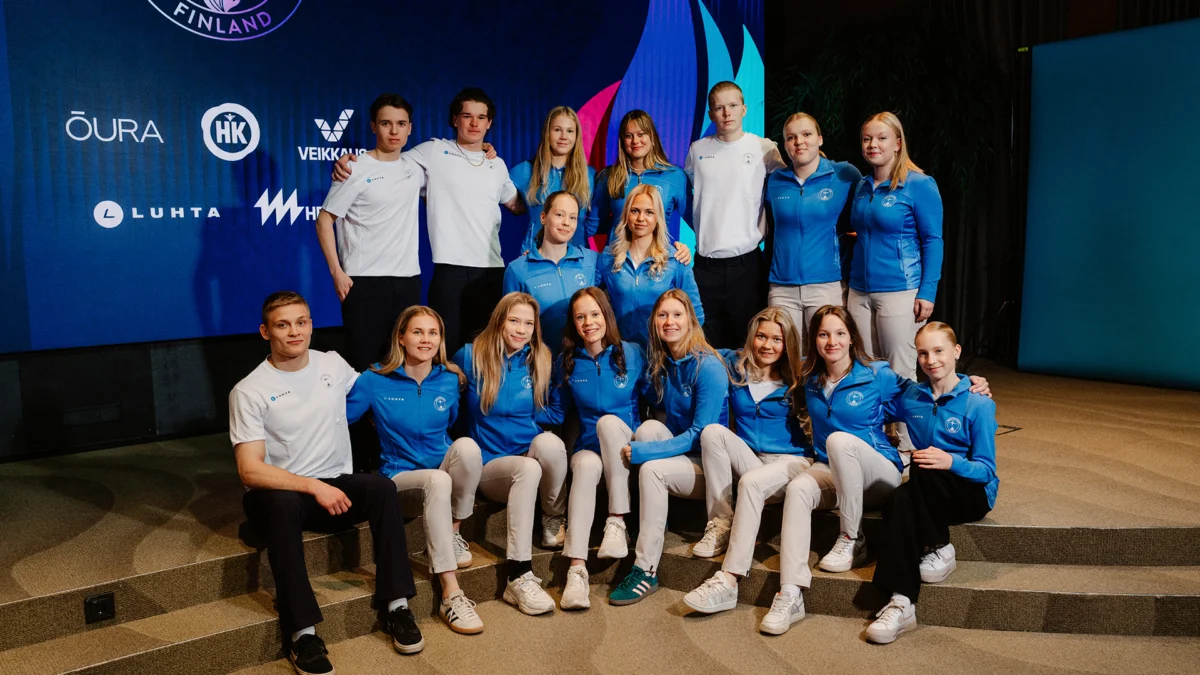
The inaugural cohort features 21 athletes across a diverse array of disciplines, ranging from winter sports like cross-country skiing and ski jumping to summer staples such as athletics, swimming, and sailing. This launch is not merely a funding initiative; it is a comprehensive, data-driven ecosystem designed to provide young athletes with the professional infrastructure—financial, medical, and psychological—required to compete at the world-class level.
The Strategic Shift: From Results to Potential
For decades, the Finnish model for sports funding was strictly reactive, rewarding athletes only after they had achieved significant podium finishes at major international events. While effective for maintaining established stars, this model often left the most promising emerging talents under-resourced during the most critical years of their development.
The Next Generation program fundamentally reverses this philosophy. As Finnish Olympic Committee Chairman Petteri Kilpinen emphasized during the launch event on May 9, 2026, the program is a long-term investment in the future of Finnish sports.
"These young athletes are already among the best in the world in their respective age groups," Kilpinen stated. "Our goal is to provide them with the kind of support that stands up to international comparison, giving them every possible opportunity to chase their dreams without the financial or logistical constraints that have hindered past generations."
The program is a cornerstone of a broader, systemic renewal of Finnish high-performance sports. By shifting the focus toward potential, the Olympic Committee is attempting to secure the nation’s future competitiveness in an increasingly professionalized and expensive global sporting landscape.
Chronology of Development
The road to the Next Generation program has been one of rigorous preparation and multi-stakeholder collaboration.
- Initial Concept Phase (Late 2024 – Early 2025): The Olympic Committee began analyzing why young Finnish talents were stalling when transitioning to senior-level competition. Data indicated that a lack of personalized expert support and inconsistent funding were primary hurdles.
- Data Gathering and Evaluation (2025): A massive scouting operation began, involving a list of over 100 potential candidates. The selection process was not based on subjective scouting alone, but on a blend of quantitative performance data, collaborative input from national federations, and deep-dive personal interviews with the athletes and their primary coaches.
- Partnership Recruitment (Q3 2025 – Q1 2026): To ensure the program was financially viable without draining existing public funding, the Committee reached out to the private sector. The reception was overwhelmingly positive, with major Finnish and international companies recognizing the value of supporting athletes before they become global household names.
- The Launch (May 9, 2026): The official unveiling of the program and the announcement of the first 21 members took place, signaling a new chapter in the nation’s sporting narrative.
Supporting Data: The Anatomy of the Investment
The financial commitment is substantial. The Olympic Committee has pledged over €300,000 annually in the program’s pilot phase. Each athlete selected for the program receives a bespoke "support package" valued at more than €10,000 per year.
This package is not a generic stipend; it is a personalized resource map tailored to the specific needs of the athlete. It includes:
- Direct Financial Aid: To cover training camps, equipment upgrades, and travel costs.
- Expert Services: Access to world-class sports medicine, nutritionists, physiotherapists, and mental performance coaches.
- Product and Service Partnerships: Access to cutting-edge technology and training facilities provided by corporate partners.
The selection of these 21 athletes was a meticulous process. "We didn’t just look at who was winning," says a spokesperson for the Committee. "We looked at the trajectory of their performance, their work ethic, their tactical awareness, and their capacity for growth. We are looking for the ‘next’ generation, not just the current one."
Furthermore, the Committee is currently working on an "Expert Group for Team Sports" to find ways to integrate team-based disciplines into the program, acknowledging that the path to the top for a football or ice hockey player differs significantly from that of a individual swimmer or wrestler.
The Power of Private Sector Collaboration
One of the most notable aspects of the Next Generation program is its funding structure. By partnering with heavyweights such as Oura, HK, Veikkaus, Helen, and Luhta, the Committee has successfully diversified its revenue streams.
Timo Ronkainen, CEO of the Olympic Committee’s marketing arm, highlights the strategic foresight of these corporate partners. "The response from the corporate sector has been outstanding. These companies want to be part of the story from the beginning. They understand that sponsoring a proven champion is easy, but supporting a potential champion is a true investment in national pride and excellence."
The collaboration goes beyond simple sponsorship. These companies provide more than just cash; they offer expertise in health monitoring (Oura), nutrition (HK), and advanced materials (Luhta), effectively integrating the athletes into a high-tech support network. Plans are already underway to bring additional partners into the fold by the end of the year, which would further increase the program’s scope and impact.
The Inaugural Class: A Profile of Potential
The list of athletes selected for the first Next Generation intake is a testament to the breadth of Finnish sporting talent. These individuals, born between 2005 and 2010, represent the vanguard of Finland’s future at the Olympic Games and World Championships.
| Athlete | Year of Birth | Discipline |
|---|---|---|
| Inka Hämäläinen | 2005 | Biathlon |
| Oliver Pada | 2005 | Wrestling |
| Elli Punto | 2005 | Orienteering |
| Antti Sainio | 2005 | Athletics (400m hurdles) |
| Sofia Hämäläinen | 2006 | Sailing |
| Louna Kasvio | 2006 | Swimming / Open Water |
| Sofia Mattila | 2006 | Ski Jumping |
| Anton Kemppi | 2007 | Cross-country Skiing |
| Ella Mikkola | 2007 | Athletics (High Jump) |
| Oskari Paldanius | 2007 | Tennis |
| Aliisa Soini | 2007 | Swimming (Butterfly) |
| Enni Virjonen | 2007 | Athletics (Heptathlon) |
| Heta Hirvonen | 2008 | Nordic Combined / Ski Jumping |
| Minni Hormavirta | 2008 | Weightlifting |
| Iida Karhunen | 2008 | Figure Skating |
| Rico Salmela | 2008 | Road Racing |
| Anni Jantunen | 2009 | Multi-sport (Orienteering/Skiing/Running) |
| Kalle Palkinen | 2009 | Freestyle Skiing |
| Sofia Pekki | 2009 | Judo |
| Pyry Posio | 2009 | Snowboarding |
| Emma Palermaa | 2010 | Bowling |
Implications for the Future of Finnish Sport
The implementation of the Next Generation program sends a clear message to the international community: Finland is no longer content to rely on sporadic success. The structural integration of data analysis, corporate funding, and long-term athlete development creates a blueprint for sustainability.
1. Retention and Transition
The most significant challenge for any national sports system is the "drop-off" point—the age where education, career pressures, and financial instability lead talented young athletes to quit. By providing a stable financial floor and high-level support, the NG program incentivizes athletes to remain in the elite training environment.
2. Professionalization of Coaching
The program forces a closer relationship between the Olympic Committee, national federations, and local clubs. As these athletes receive professional support, their coaches are also drawn into a more sophisticated network of high-performance planning, raising the overall standard of coaching expertise in Finland.
3. A Culture of Long-term Success
By celebrating and investing in "potential" rather than just "hardware," the program fosters a culture of patience. It shifts the narrative from immediate results to a long-term developmental cycle, which is essential for success in sports that require years of physical and technical maturation.
4. Competitive Global Standing
In the context of the Olympics, the margin between success and failure is often razor-thin. The specialized support provided by the NG program—ranging from mental health resources to advanced performance analytics—is designed to provide exactly that extra percentage of performance that separates a finalist from a medalist.
Conclusion
The launch of the Next Generation program is an act of optimism and strategic clarity. By aligning the resources of the private sector with the untapped potential of Finland’s brightest young athletes, the Olympic Committee has taken a vital step in modernizing the nation’s sporting infrastructure.
While the true measure of the program’s success will be seen in the medals, records, and performances of the next decade, the foundation laid today is undeniably robust. Finland is not merely watching the next generation of sporting heroes grow; it is actively building the stage upon which they will eventually shine. For these 21 athletes, the journey to the absolute peak of their potential has just become significantly more accessible.