The world of mirrorless photography has long been defined by the pursuit of more—more megapixels, more autofocus points, more buttons, and more complex menus. Yet, in early 2025, Sigma pivoted sharply away from this trend with the release of the Sigma BF. A device that prioritizes design purity over feature bloat, the BF has captured the imagination of purists and skeptics alike. To understand the reality behind this enigmatic machine, the optics experts at Kolari Vision—a company renowned for its pioneering work in infrared conversions and high-end filter systems—have performed a comprehensive deep-dive teardown.
What they uncovered was not merely a camera, but a masterclass in modern industrial manufacturing and high-density electronic packaging. By peeling back the layers of the Sigma BF, we gain rare insight into the philosophy of a manufacturer that chooses to produce only nine units per day, each carved from a single block of aluminum.
Main Facts: The Anatomy of a Minimalist Marvel
The Sigma BF is an anomaly in the current camera market. Most mirrorless systems are modular, relying on a composite of plastics, magnesium alloys, and external chassis plates. The BF, by contrast, is a monolithic structure. As reported previously by PetaPixel, the camera’s frame requires seven hours of intensive CNC milling to reach its final form.
Kolari Vision’s teardown confirms that this structural choice dictates every aspect of the camera’s internal geography. Because the body is milled from a single block, there are no "seams" or traditional access panels. The camera is designed to look as though it were molded from a single drop of liquid metal, an aesthetic choice that creates a significant challenge for repairability and maintenance.
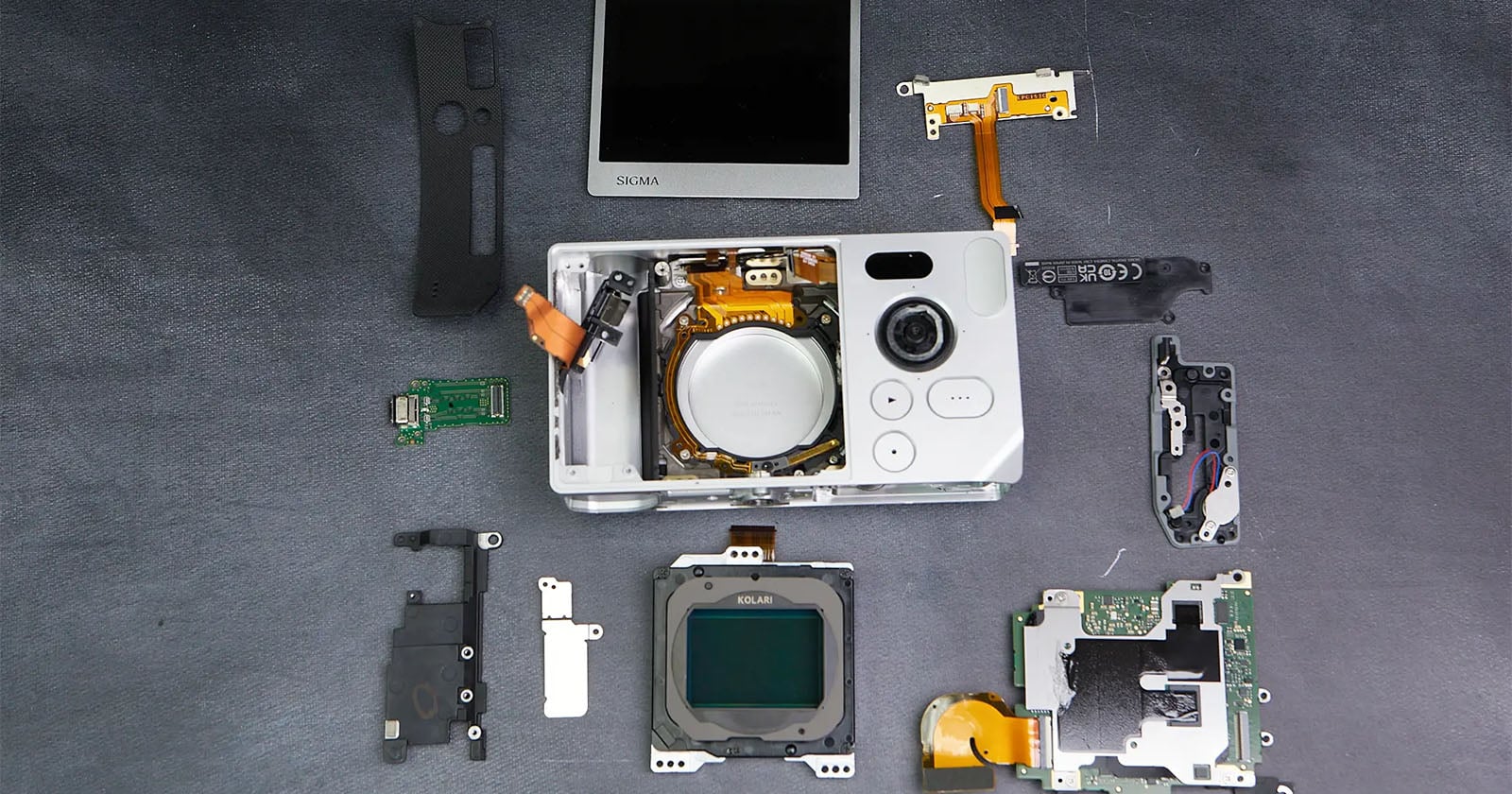
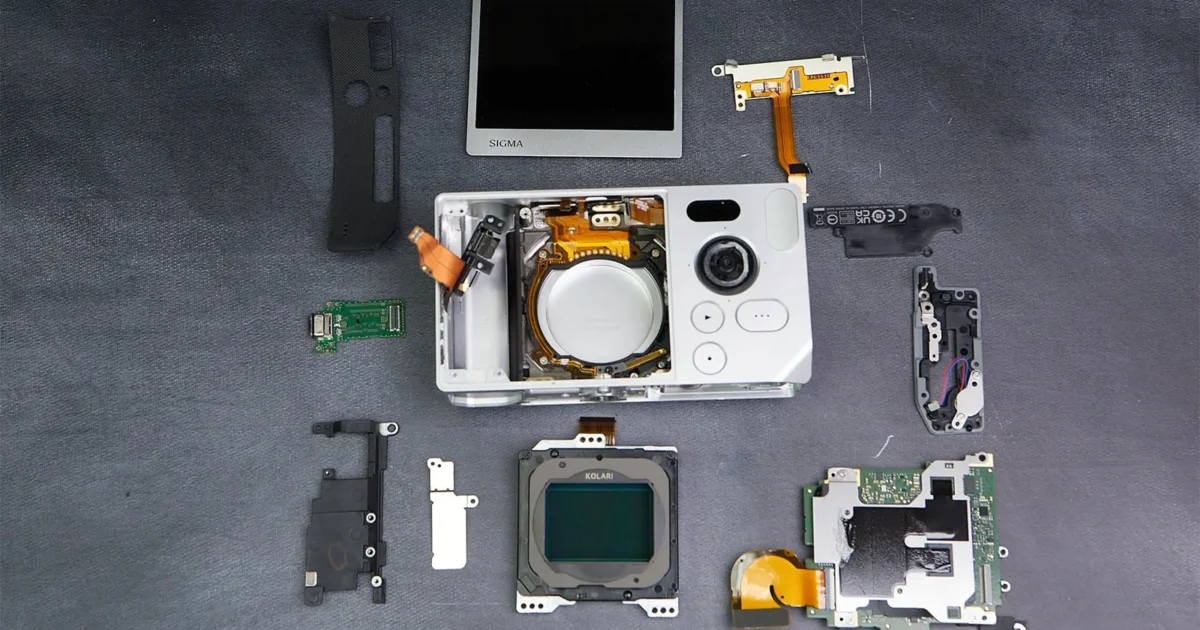
Key findings from the teardown include:
- Hidden Access Points: The camera lacks visible screws on its exterior, forcing technicians to remove the rubberized grip to access the primary structural fasteners.
- Component Density: The internal layout is a dense, multi-layered stack of PCBs, ribbon cables, and precision-engineered brackets.
- Thermal Integration: The LCD screen is heat-bonded to the frame, requiring delicate thermal management to separate without damaging the display or the underlying logic board.
- Structural Rigidity: The battery compartment serves a dual purpose, acting as both an energy housing and a critical load-bearing pillar for the internal chassis.
Chronology: The Forensic Disassembly Process
To truly appreciate the engineering of the Sigma BF, one must follow the path Kolari Vision took during their forensic examination. The disassembly was not a brute-force operation but a calculated exercise in reverse engineering.
Phase 1: Breaking the Exterior Silence
The first hurdle in the disassembly was the lack of visible entry points. In most cameras, a technician can simply unscrew the baseplate. With the Sigma BF, the process began by carefully peeling away the rubberized bottom grip. Beneath this tactile surface lay the primary screws that anchor the shell to the internal sub-frame. This established a recurring theme: the camera is built from the "inside out," where the skin is the final element, not the starting point.
Phase 2: The Layered Labyrinth
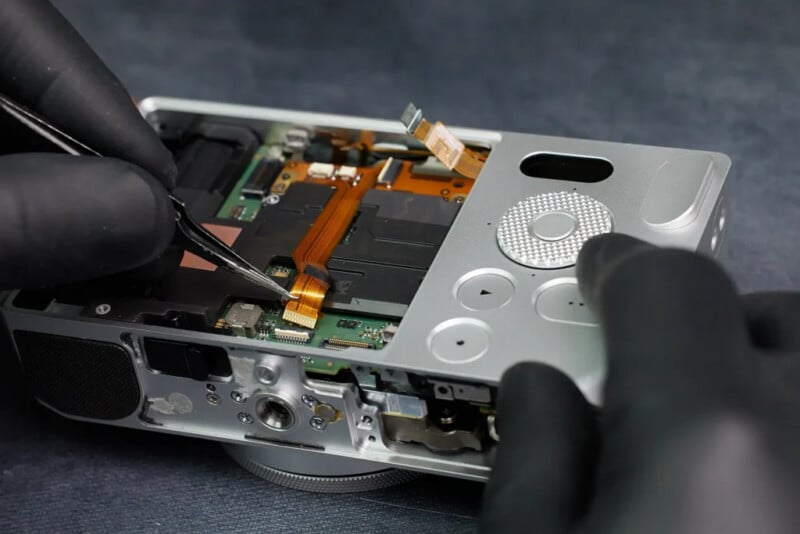
Once the outer shell was breached, the complexity of the interior became apparent. The camera utilizes a vertical stacking method. Technicians had to disconnect a series of ribbon cables—each thinner than a human hair—and remove multiple small, purpose-built circuit boards before they could even glimpse the main logic board.
A notable discovery during this phase was the hidden screw located beneath the scroll wheel. This component, a hallmark of compact, high-precision engineering, served as a "lock" for the internal frame. Without identifying this specific fastener, any attempt to pry the assembly apart would have resulted in irreversible damage to the frame.
Phase 3: Exposing the Logic and the Sensor
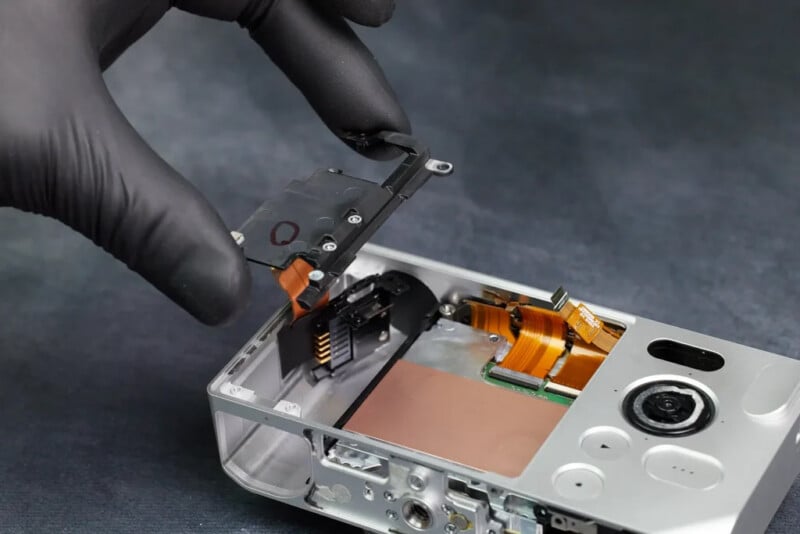
With the sub-frame exposed, the team had to navigate the LCD connection. The screen, a critical interface, is adhered to the body with high-strength industrial adhesive. By applying controlled, precise heat, the team was able to separate the display, revealing a single, high-bandwidth ribbon cable connecting the panel to the main processing unit.
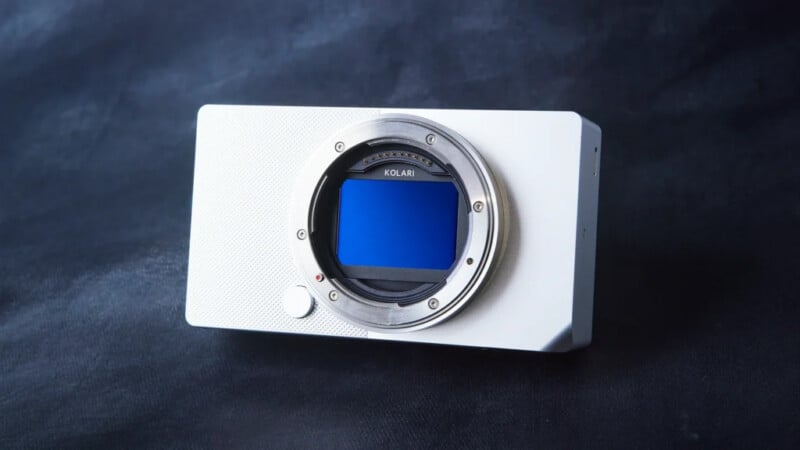
The final stage involved the extraction of the main board. This was a precarious process, requiring the decoupling of structural supports that hold the electronics in place against the aluminum walls of the body. Once the board was removed, the sensor assembly—the beating heart of the BF—was finally accessible. Remarkably, once the main board and battery structure were cleared, the sensor was held by simple perimeter screws, making the final extraction surprisingly modular.
Supporting Data: Why "Simple" is Actually Complex
While the Sigma BF looks simple, the teardown reveals it is anything but. The density of components within the machined aluminum chassis is comparable to high-end smartphones.
Sigma’s decision to limit production to nine units a day is no longer a marketing mystery—it is a production reality. The level of precision required to mill a body that hides its screws while maintaining perfect alignment for the sensor and mount is astronomical.
Kolari Vision highlights that this internal density is necessitated by the camera’s compact form factor. By integrating the battery compartment into the structural integrity of the frame, Sigma has saved internal volume, but they have also created a "dependency chain." Removing one part often requires the removal of three others, turning routine maintenance into a high-stakes surgery.
Official Perspectives: The Philosophy of the BF
Sigma has remained largely tight-lipped about the internal mechanics of the BF, preferring to let the camera’s output speak for itself. However, the design language is clear. In an era of disposable electronics, the BF is designed as a long-term object.
The collaboration with companies like Kolari Vision—who provide specialized magnetic clip-in filters for the BF—suggests a bridge between Sigma’s minimalist hardware and the specialized workflows of professional photographers. By providing a clean slate of a camera, Sigma allows for an ecosystem of accessories to define the user experience.
Industry analysts suggest that the BF represents a "boutique" tier of mirrorless technology. It is not designed for the mass market; it is designed for those who appreciate the tactile experience of a machine that is, effectively, a piece of industrial art.
Implications: The Future of Camera Design
What does the Kolari Vision teardown tell us about the future of photography hardware?
- The Death of the "Easy Fix": As cameras become more compact and integrated, the "right to repair" is becoming increasingly complicated. The Sigma BF is a beautiful, durable object, but it is not a camera that can be easily serviced by a hobbyist.
- Materials as a Selling Point: The shift toward CNC-milled aluminum bodies, rather than traditional composite plastics, indicates a move toward "heirloom-grade" electronics. Consumers are increasingly willing to pay for physical quality that outlasts the digital specifications of the sensor.
- The Complexity of Minimalism: The most important takeaway from the teardown is that true minimalism is expensive. The clean lines of the Sigma BF are the result of thousands of hours of R&D and hundreds of dollars of manual labor per unit.
In conclusion, the Sigma BF is a triumph of internal organization. It is a camera that demands respect—both for the photographer using it and the technician who might one day have to open it. Kolari Vision’s work confirms that beneath the pristine, austere exterior lies a complex, tightly wound machine that serves as a bold statement against the disposable nature of modern tech. Whether this trend toward "extreme minimalism" will influence the broader market remains to be seen, but for now, the Sigma BF stands alone as a testament to what is possible when design, engineering, and manufacturing are allowed to exist in perfect, albeit hidden, harmony.
For those interested in the full technical breakdown, including high-resolution imagery of the internal PCB layouts and the specific sensor mounting architecture, the full report is available on the official Kolari Vision blog.