Introduction: The Weight of a Single Choice
In the remote, high-altitude corridors of the Peruvian Andes, the Marañón River—the principal source of the Amazon—carves a path through some of the most formidable terrain on the planet. For Sam Johnston, a lead guide at Montana River Guides and an instructor with the Whitewater Rescue Institute (WRI), this river represented the ultimate test of human endurance and technical proficiency.
However, as Johnston recounts in his recent expedition narrative, the greatest dangers in the wilderness are rarely the ones you expect. While navigating the Inner Gorge of the Marañón—a section of river so isolated that the nearest medical facility is a hundred miles of rugged canyon away—a momentary lapse in judgment nearly turned a dream expedition into a tragedy. This article explores the lessons learned during that self-supported kayak expedition and why the principles of swiftwater rescue are as vital in the Amazon as they are on the local rivers of Montana.
The Chronology: A Near-Miss in the Inner Gorge
The expedition was designed to be a self-supported test of skill and navigation. The group had been successfully maneuvering through the headwaters, but the environment was unrelenting. The heat was blistering, and the physical toll of portaging gear across unstable granite slopes had left the team exhausted.
The Incident
The near-miss occurred during a routine stop in the Inner Gorge. After successfully portaging the dangerous drops of "Wasson’s Slide," the team paused on a boulder field for a brief lunch. Johnston, attempting to scout the next section of the river, placed his weight on what appeared to be a stable, washing-machine-sized boulder.

The rock shifted.
"I lunged, yelled ‘Rock!’ and watched a several-hundred-pound boulder break loose and surge downhill—directly toward Dayton, who was standing in ankle-deep water below," Johnston recalls. The boulder stopped mere inches from his teammate, wedged between two smaller stones. The incident served as a visceral reminder that in extreme environments, the "safe" moments are often when the guard is most dangerously lowered.
The Aftermath of Illness
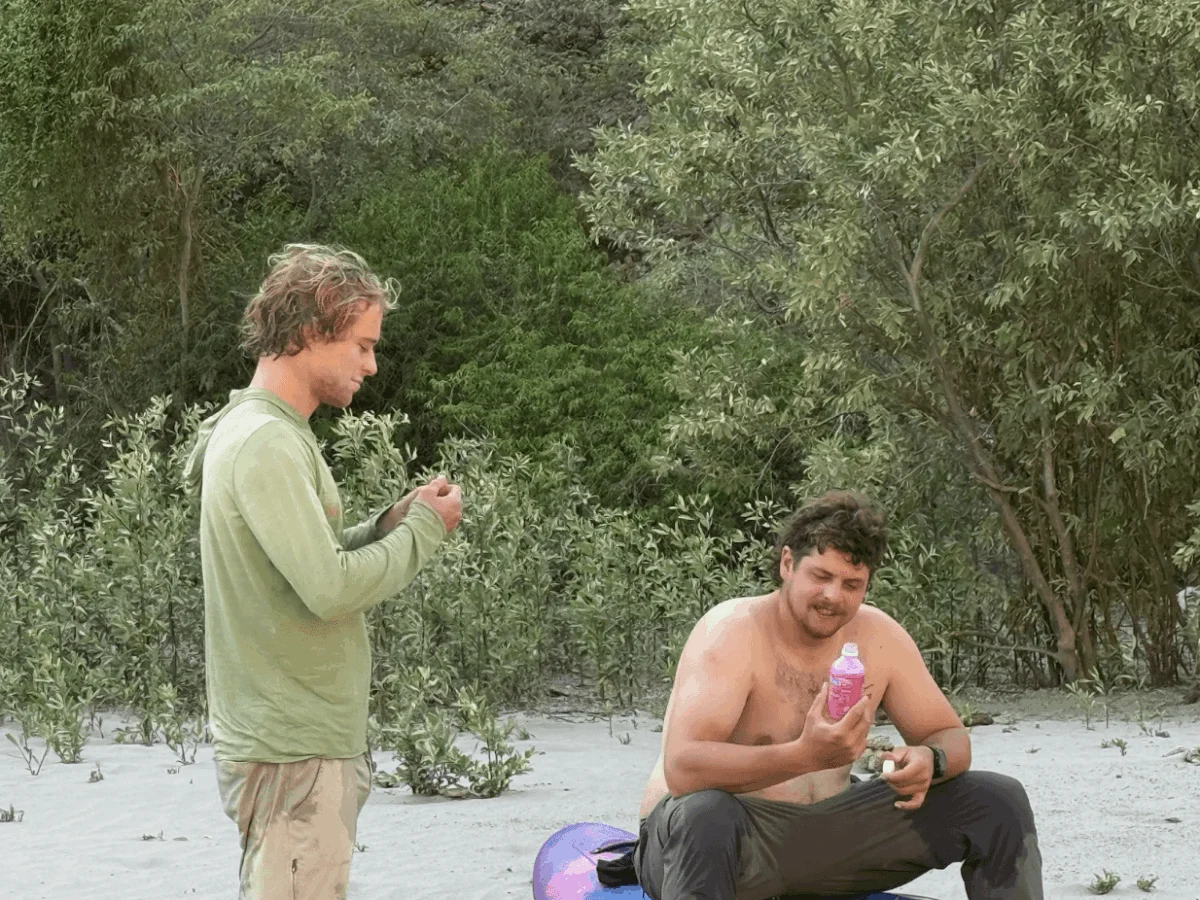
The expedition faced further compounding stress when three of the five team members succumbed to severe illness. Trapped under a bridge in a remote village, the team had to make critical decisions regarding their extraction and health. With limited supplies and fading daylight, the team was forced to navigate the blurred lines between medical necessity and the logistical reality of the canyon. This period of extreme fatigue underscored how quickly the human brain—the most vital tool in any rescue kit—degrades under physical and emotional pressure.
Supporting Data: Why Human Factors Matter
The Marañón expedition serves as a case study for "Human Factors in Technical Rescue." When we analyze the incidents that occurred during the trek, we can categorize them into five core pillars of safety that transcend the specific geography of Peru.

1. The Myth of the "Safe" Scene
A fundamental tenet of rescue training is the "Scene Size-Up." Johnston emphasizes that this process is never truly finished. Most accidents occur during the transition phases—the "safe" parts of the day. Whether it is a lunch break or a gear staging area, the hazard assessment must remain continuous.
2. Cognitive Decay Under Pressure
Scientific literature on wilderness medicine consistently points to the rapid degradation of decision-making capabilities when an individual is dehydrated, sleep-deprived, or stressed. Johnston’s experience in the village—weighing the risks of unknown local medications against the need to move—highlights that the person who makes the call in an emergency is often a "slower, less capable version" of the one who trained for it.
3. Containment vs. Hope
In professional rescue, "containment" refers to a structured plan to manage a swimmer or a drifting vessel. Johnston notes that many expeditionists confuse "hope" with a "plan." A plan requires knowing exactly who is watching whom, where to move if a swim occurs, and the specific timing of downstream features.
4. The Current of Ego
Perhaps the most difficult hazard to mitigate is the ego. Standing at the edge of the Samosera Rapid, Johnston had to confront an uncomfortable truth: Was he running the line because he was capable, or because he didn’t want to be the "weak link" of the team? Recognizing this motivation is a critical component of risk management.

5. Respect, Not Conquest
The final realization of the trip was that the river is not an adversary to be conquered. This shift in perspective is vital for rescuers. Those who approach the water with the intent to "dominate" are often the ones who find themselves in the most trouble.
Implications: The Role of Professional Training
The lessons Johnston learned in Peru have direct implications for how we approach water safety, spill response, and emergency management in the United States.
Bridging the Gap
The training programs provided by organizations like the Whitewater Rescue Institute (WRI) are built to bridge the gap between theoretical knowledge and field application. The rigorous standards—aligned with NFPA 1006 (Technical Rescuer Professional Qualifications) and NFPA 2500 (Operations and Training for Technical Search and Rescue)—are designed to build "muscle memory" that overrides the panic of a crisis.
Skill Decay and Refreshers
The most critical implication is the reality of skill decay. Johnston stresses that taking a single rescue course a decade ago is insufficient. The brain is the first thing the river takes away during a crisis; therefore, the only defense is regular, high-intensity training.

Official Perspectives and Industry Standards
WRI, as a USCG-classified Oil Spill Removal Organization, operates at the intersection of technical rescue and industrial safety. Their methodology focuses on the "Three-Dimensionality" of water—understanding that the surface is only one layer of a complex, dynamic environment.
Why Standardized Training Matters
- NFPA Compliance: By adhering to NFPA standards, WRI ensures that rescuers are not just proficient, but that they speak a universal language of safety.
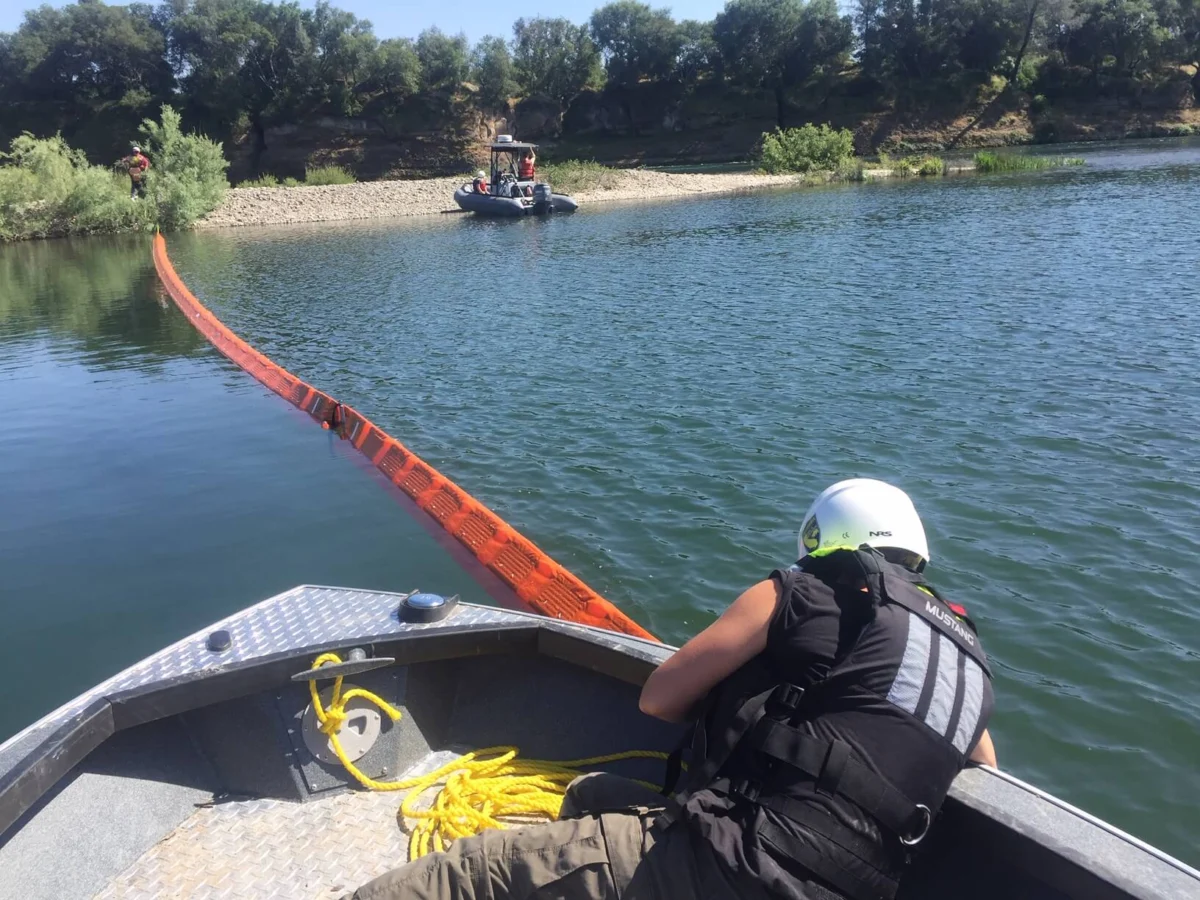
- Spill Response: The skills required to navigate a rapid are the same skills required to manage a containment boom during a hazardous material spill. The "Scene Size-Up" learned on the Marañón is identical to the size-up required during an industrial emergency.
- Boat Operations: Understanding the fluid dynamics of a river allows for more efficient, safer boat handling, reducing the risk of capsizing in high-stakes environments.
Conclusion: The Perpetual Student
The journey down the Marañón was more than just a kayaking trip; it was a profound reaffirmation of the necessity of training. Whether an individual is a lead guide, a professional spill responder, or a recreational enthusiast, the environment remains indifferent to their expertise.
As Johnston concludes, the best rescuers are not those who claim to have mastered the river, but those who continue to show up for training, acknowledge their own vulnerabilities, and maintain a posture of humility. In the high-stakes world of water rescue, the difference between a successful operation and a casualty is often found in the habits formed during the quiet, repetitive hours of training on a river like the Clark Fork.
For those interested in sharpening their skills or certifying their teams, the message is clear: the river is waiting, and the only time to prepare is now.

Sam Johnston is a lead guide and instructor at Montana River Guides and a dedicated instructor for the Whitewater Rescue Institute. For more information on upcoming courses, including swiftwater, ice, and rope rescue, please visit the WRI Course Schedule.