When the average person hears the word "ghost," their mind instinctively drifts toward the spectral apparitions of folklore or the whimsical imagery of pop culture. Yet, for those who frequent the water’s edge, the term conjures a very different entity: the Ghost Carp. A creature of shimmering beauty and elusive behavior, the Ghost Carp—a hybrid marvel of selective breeding—has become one of the most sought-after prizes in modern sport fishing.
While they lack the paranormal abilities their name suggests, they possess a biological and behavioral complexity that has captivated anglers and biologists alike. From their controversial origins in the laboratory-like settings of fish farms to their ecological impact on global waterways, the Ghost Carp is a subject of both deep admiration and scientific scrutiny.
Main Facts: Anatomy of an Enigma
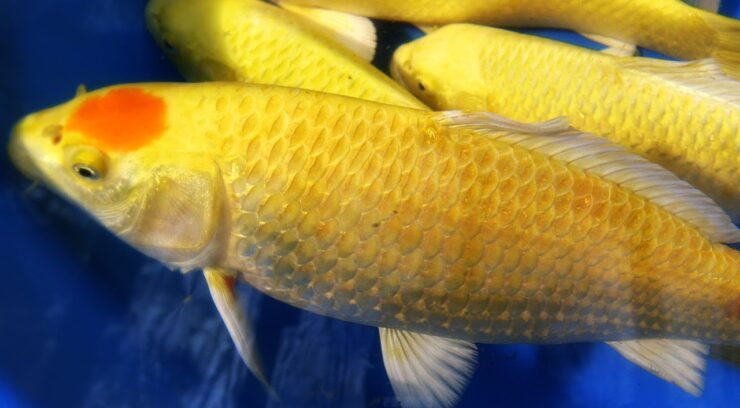
At its core, the Ghost Carp (Cyprinus carpio) is an ornamental hybrid. Genetically, it is an offshoot of the common carp family, specifically engineered to display the vibrant, metallic luster typically associated with traditional Japanese Koi.
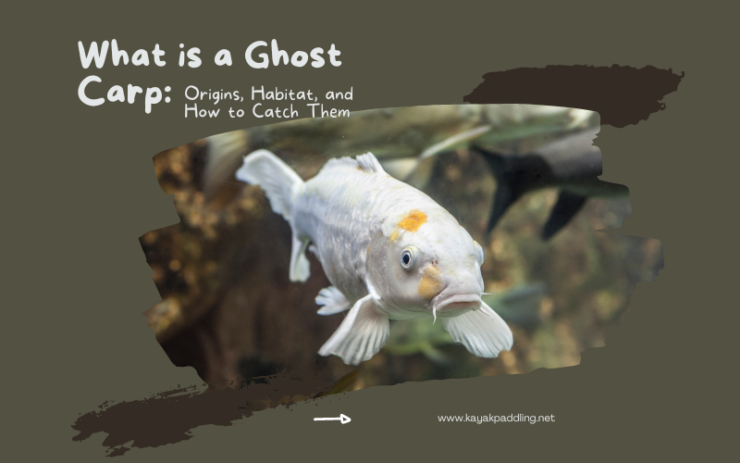
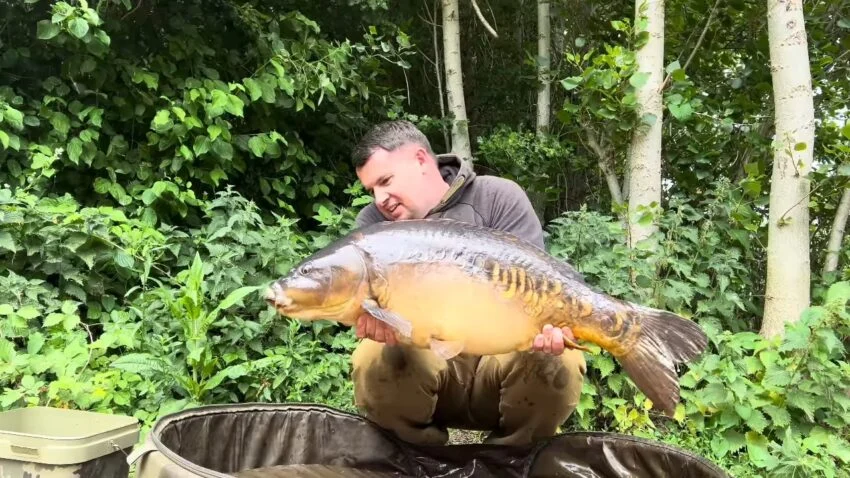
Physically, these fish are built for endurance. They possess a thick, torpedo-shaped body designed for steady, powerful movement through freshwater environments. Depending on their lineage, they may be fully scaled, partially scaled (Mirror Carp), or entirely scaleless (Doitsu). The most striking feature, however, is their coloration. Thanks to crystalline purine cells within their skin, Ghost Carp reflect light, creating a metallic, glowing effect that earns them their ghostly moniker.
Key Biological Metrics
- Average Weight: 6–15 lb (2.7–6.8 kg)
- Maximum Recorded Weight: Up to 94 lb (42 kg)
- Average Length: 18–26 inches (45–65 cm)
- Maximum Length: Up to 48 inches (120 cm)
- Life Span: 15–45 years
Despite their beauty, they retain the "freshwater pig" nickname common to all carp species. Their anatomy includes sensitive barbels near the mouth, which act as sensory organs, allowing them to locate food in the dark, murky silts of lake beds.
A Chronology of Creation
The emergence of the Ghost Carp is a relatively recent phenomenon, dating back to the late 20th century. While the common carp has been cultivated for food in Asia and Europe for centuries, the "Ghost" variant was an intentional commercial experiment.
The 1980s: The Genesis of the Ghost
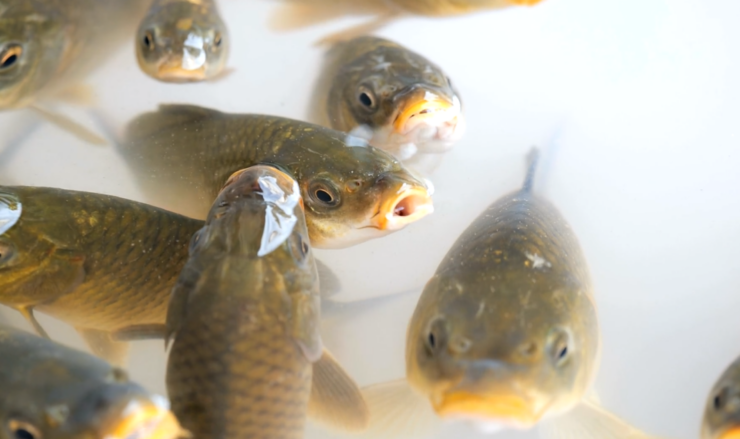
The modern Ghost Carp was born in the 1980s when visionary fish farmers sought to combine the hardiness and rapid growth of the Mirror or Common Carp with the aesthetic brilliance of the Yamabuki Ogon Koi. By crossbreeding these distinct strains, breeders produced a fish that maintained the athletic prowess of a river-dwelling carp while sporting the radiant, metallic scales of an ornamental pond fish.
The Rise of a Sport Fishing Icon
Following their creation, these fish were introduced into private fisheries across the United Kingdom and Europe. Unlike their wild counterparts, which are often viewed as pests or food sources, the Ghost Carp was elevated to a status symbol in the angling community. Their intelligence, combined with their ability to grow to massive sizes, made them the "holy grail" for specialized carp anglers.
Supporting Data: Habitat and Environmental Adaptability
Ghost Carp are among the most resilient fish species on the planet. Their ability to survive in a wide range of water conditions is a testament to their evolutionary success.
Environmental Tolerance
- Temperature Range: They are comfortable in waters ranging from 3°C to over 30°C.
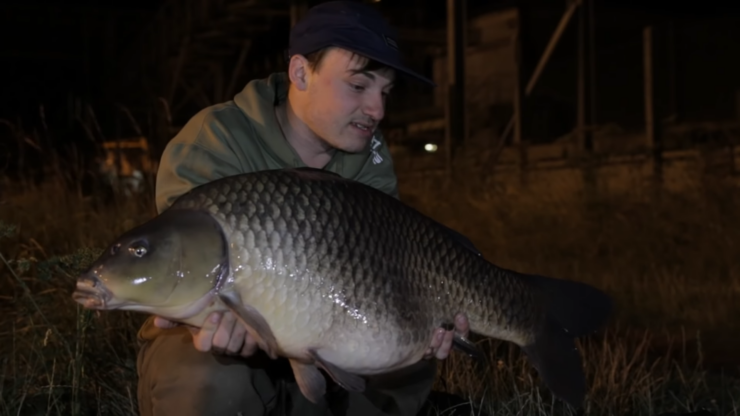
- Oxygen Levels: While they prefer oxygen-rich water, they are capable of gulping air at the surface, allowing them to survive in stagnant, low-oxygen pools that would kill more sensitive species.
- Water Type: They are primarily freshwater dwellers but show a surprising tolerance for mild brackish conditions found near estuaries.
Their success in the wild is largely due to their opportunistic diet. As omnivores, they consume aquatic insects, larvae, mollusks, crustaceans, and a variety of plant matter. This lack of dietary pickiness allows them to colonize new environments rapidly, often outcompeting native species for limited resources.
Official Responses: Conservation and Management
The presence of Ghost Carp in public waterways has sparked a heated debate between the sport-fishing community and environmental agencies.
The Invasive Perspective
In the United States and Canada, where Common Carp were introduced in the 1970s for aquatic vegetation management, the species is often classified as invasive. Government agencies have implemented rigorous control measures, including:
- Electric Barriers: Used in major river systems to prevent the spread of carp into the Great Lakes.
- Commercial Harvesting: Providing incentives for anglers to remove carp from public waters.
- Strict Legislation: Many states have banned the transport of live carp to prevent the further spread of both the fish and associated diseases like Koi Herpesvirus (KHV).
The Sport-Fishing Perspective
In contrast, European angling associations argue that the Ghost Carp is a vital economic driver for the recreational fishing industry. In these regions, they are heavily managed within private, enclosed lakes. Proponents argue that if kept within controlled environments, they pose no threat to the wider ecosystem and provide significant value to the local economy through tourism and specialized angling permits.
Implications for the Ecosystem
The impact of large-scale Ghost Carp populations on local biodiversity cannot be overstated. When carp densities rise, the environment undergoes a process known as "benthic disturbance."
The Ripple Effect
- Increased Turbidity: By rooting through the mud for food, carp stir up sediment, blocking sunlight from reaching the lake bed.
- Vegetation Loss: As sunlight is blocked, submerged aquatic plants die off. These plants are essential for providing shelter and spawning grounds for native fish species.
- Food Web Disruption: Because carp consume a vast volume of invertebrates, they strip the food supply from smaller native fish, leading to a population collapse of local species.
Disease Vectors
Furthermore, the movement of Ghost Carp between fisheries poses a biological risk. The potential for the transmission of KHV, a highly contagious and lethal virus, remains a primary concern for wildlife officials. The virus can wipe out entire populations of koi and carp, leading to significant economic and ecological losses.
Strategies for the Modern Angler
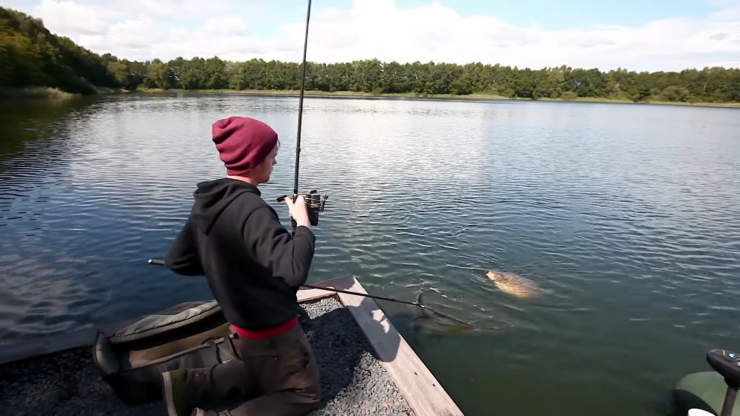
For those looking to engage with this species, patience and specialized technique are paramount. The Ghost Carp is widely considered the most intelligent member of the carp family, often learning to avoid baited hooks after a single bad experience.
The Art of the Catch
- Location: Target areas with dense overhanging trees, lily pads, or reed beds. These structures provide the security these cautious fish crave.
- Bait Selection: While they are omnivorous, they show a preference for pellets, sweetcorn, and luncheon meat. The use of highly aromatic baits is recommended to cut through the silt-heavy environments they inhabit.
- Equipment: Given their size and fighting spirit, heavy-duty gear is a necessity. They are known for long, powerful runs that can snap light lines in seconds.
Conclusion: A Complex Legacy
The Ghost Carp stands at the intersection of nature and human intervention. It is a fish that represents the heights of selective breeding and the complexities of human-managed ecosystems. While they offer an unparalleled challenge to the sport fisherman, their existence serves as a reminder of the fragility of our waterways.
Whether you view them as a "ghostly" wonder of the deep or an invasive threat to local balance, there is no denying their status as one of the most fascinating fish in the world. As with all things in nature, the key to living alongside the Ghost Carp lies in responsible management, education, and an understanding that even a "ghost" can have a profound impact on the living world around it.
As we move forward, the challenge for both anglers and conservationists will be to find a balance—ensuring that the thrill of the catch does not come at the expense of the diverse aquatic ecosystems we strive to protect.