While the meteorological summer has only just begun, Europe is bracing for a punishing, potentially historic weather event. As the continent approaches the summer solstice this weekend, a massive, high-pressure "Heat Dome" has anchored itself over the continent. This stationary atmospheric phenomenon is currently trapping a stagnant layer of scorching Saharan air, setting the stage for an early-season heatwave of unprecedented intensity. From the arid plains of the Iberian Peninsula to the dense urban centers of Western Europe, the mercury is poised to reach dangerous levels, raising alarms among meteorologists and public health officials alike.
The Meteorological Drivers: Anatomy of a Heat Dome
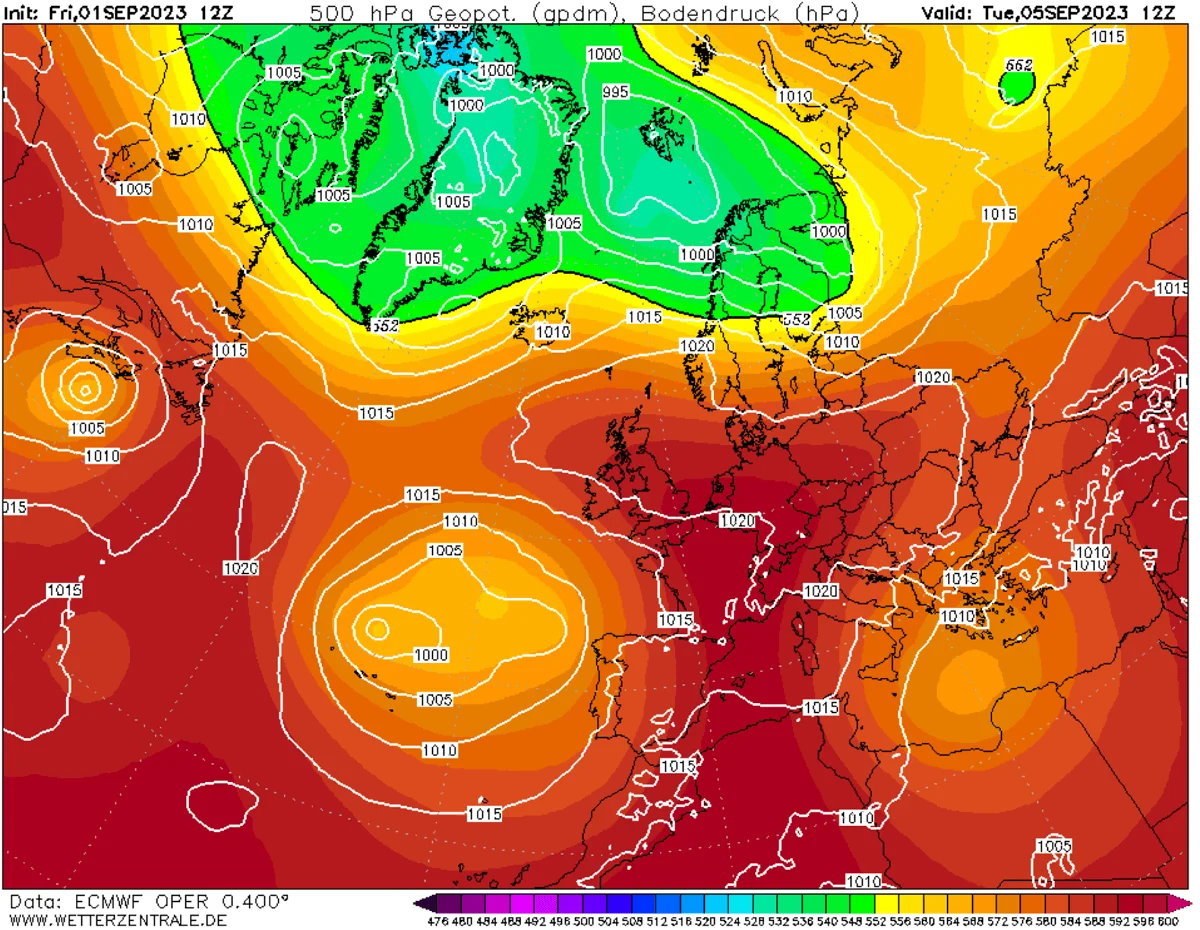
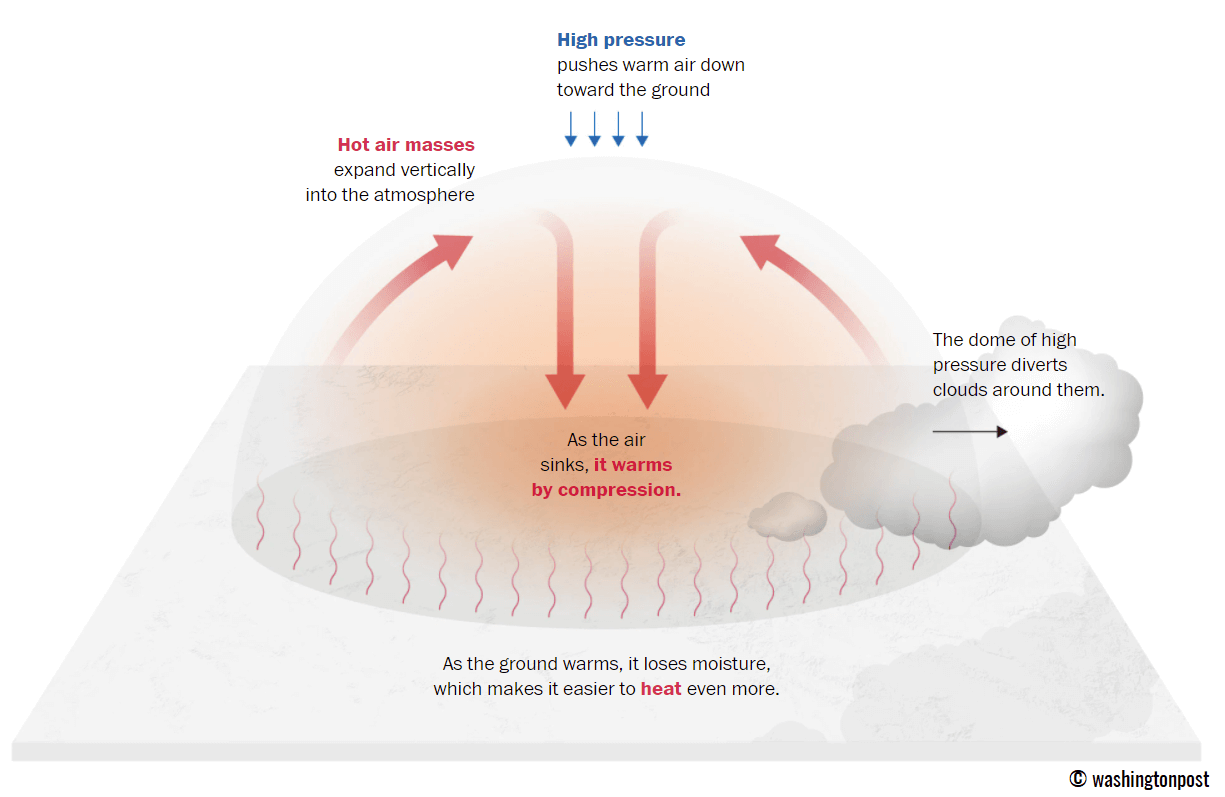
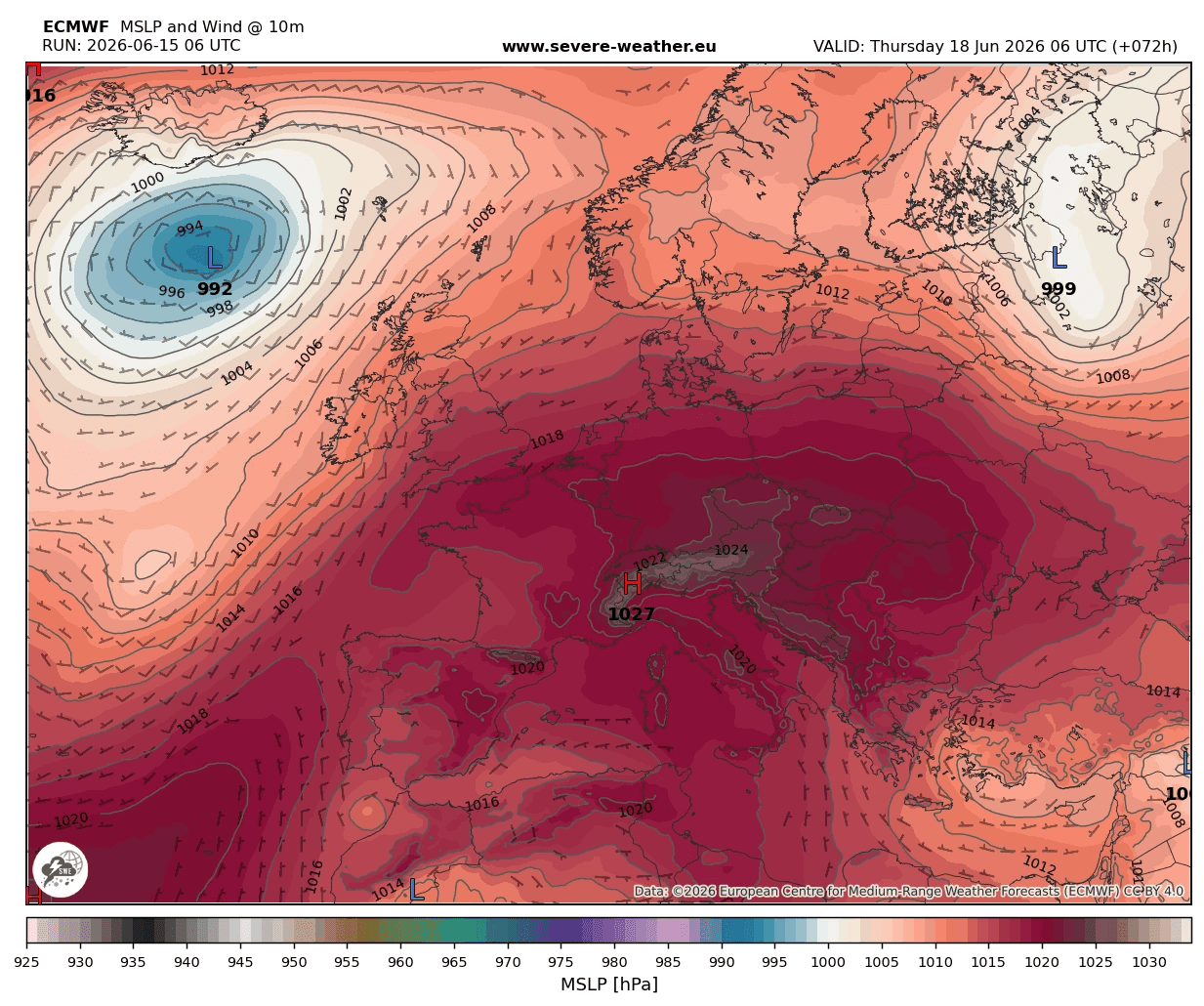
To understand the severity of the coming week, one must first understand the mechanism of a "Heat Dome." In meteorological terms, this occurs when a broad area of high-pressure air parks over a large portion of a continent. Often referred to as an "upper-level ridge" or a "blocking high," this system acts like a lid on a pot. It traps warm air at all levels of the atmosphere, causing it to sink toward the ground. As the air descends, it undergoes compression, which causes it to heat up significantly.

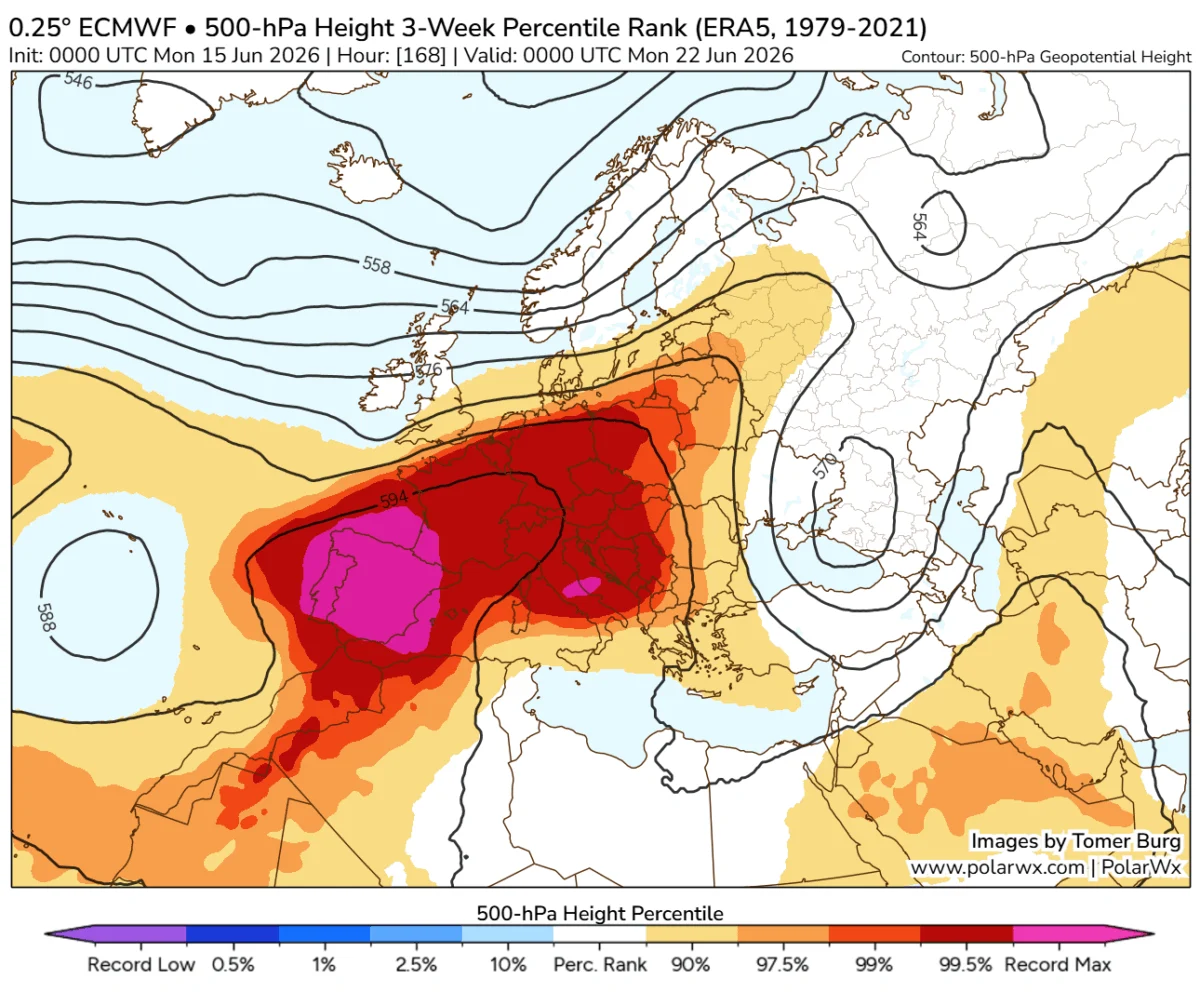
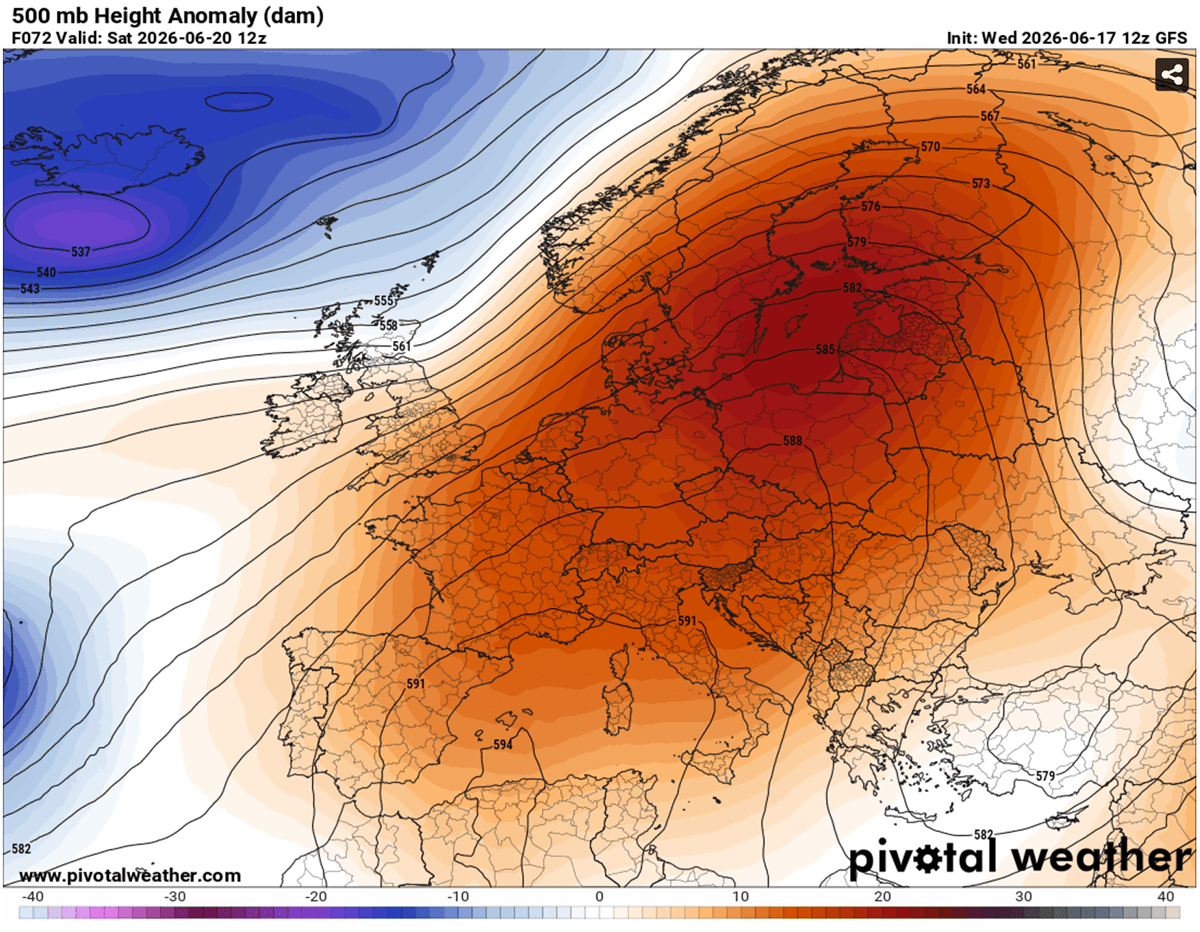
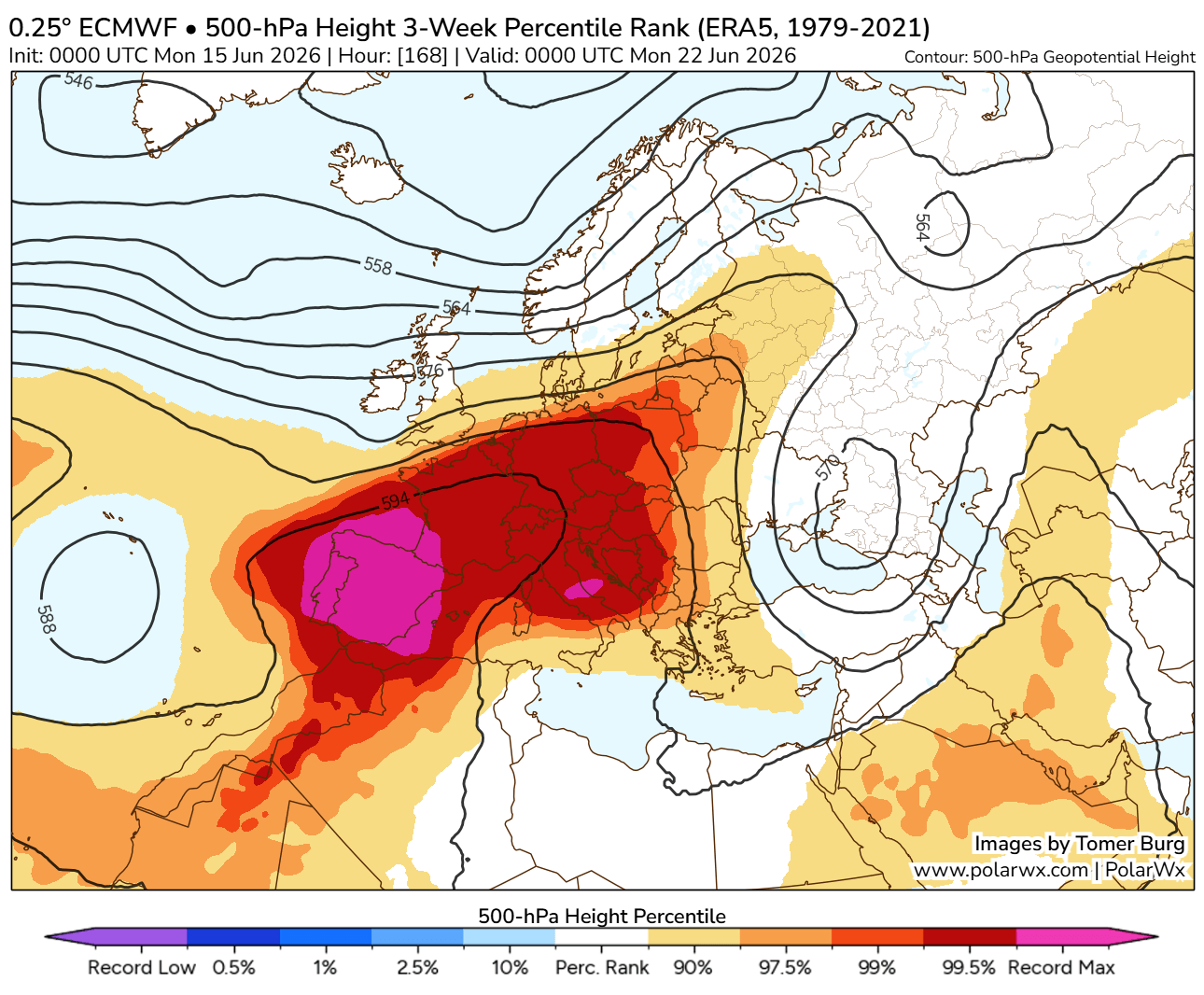
When this occurs, the air mass becomes anomalously warm at the lowest elevations and enters a cycle of self-perpetuating heat. Because the system is remarkably stable, it can persist for days or even weeks, preventing cooler air masses or refreshing winds from reaching the surface. This specific event is being fueled by an upper-level ridge building out of Northwest Africa, which is expanding across Western and Central Europe. The lack of any significant weather disturbances means the heat is expected to be not only intense but long-lasting, covering the remainder of June.
A Chronology of the Approaching Heatwave
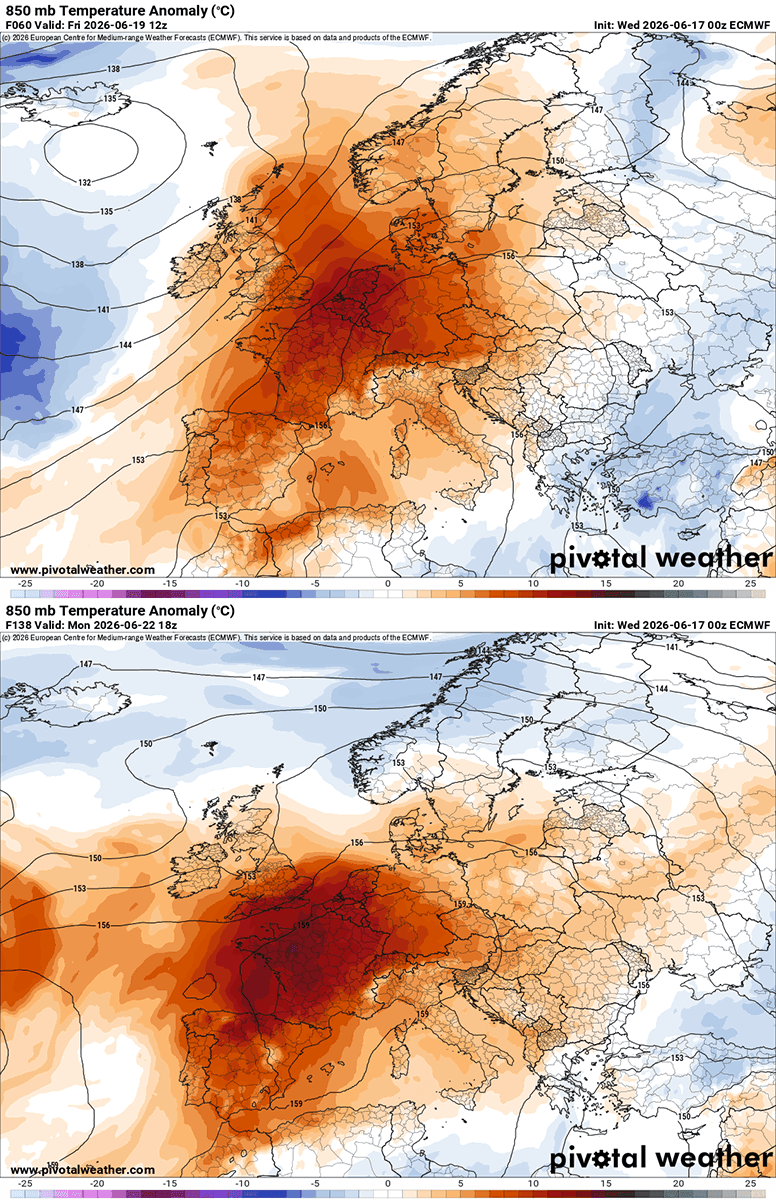
The progression of this heat event follows a clear, alarming trajectory. Early-to-mid week, the Iberian Peninsula bore the initial brunt of the Saharan plume. Portugal and Spain have already seen temperatures climb, with current projections suggesting that the heat will peak in these regions early next week, with local readings potentially hitting a staggering 45°C (113°F).
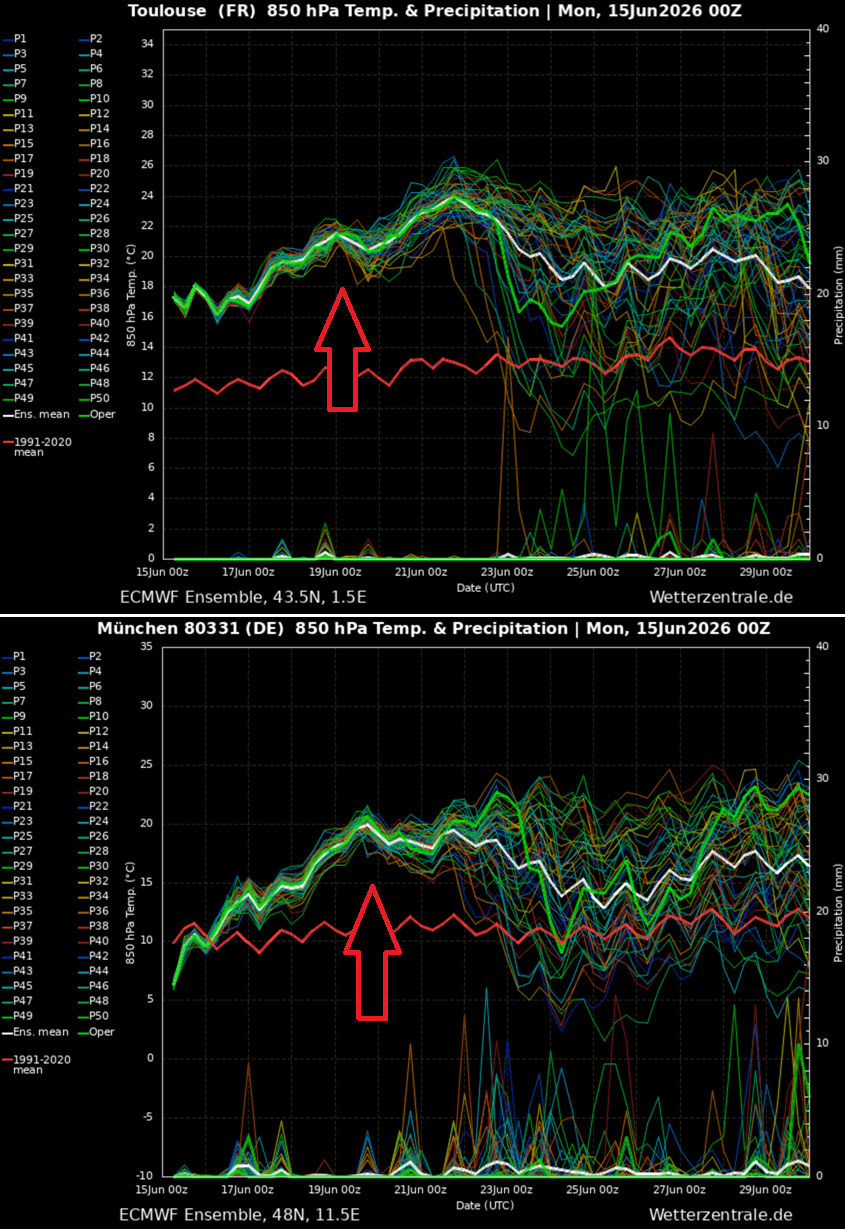
As we head into the weekend, the heat dome will expand its footprint northward and eastward. France is currently the focal point of the most extreme model projections. While daytime temperatures have already hit the upper 30s, the most intense phase of the heatwave is expected to arrive between Sunday and Monday. Weather models indicate that large swaths of central, northern, and western France could see temperatures reach between 41°C and 44°C. Such figures are not merely uncomfortable; they are potentially record-breaking for the month of June.
By the start of next week, the heat will shift toward Germany, the Benelux region, and parts of the Mediterranean. While the British Isles will also see a significant warming trend, current data suggests they may escape the most extreme peaks, with temperatures settling into the low 30s. However, the situation remains fluid; should the high-pressure ridge shift further north, the UK and Ireland could see their own temperature thresholds tested.
Supporting Data: Why This Heatwave Is Different
The intensity of this heatwave is exacerbated by a critical environmental factor: soil moisture depletion. Europe experienced a record-breaking hot spell in late May, which stripped away much of the moisture in the ground. Under normal conditions, the Earth cools itself through evaporation, a process that acts as a natural air conditioner for the surface. With the soil currently parched, that natural cooling mechanism is effectively disabled, allowing surface temperatures to skyrocket with significantly less resistance.
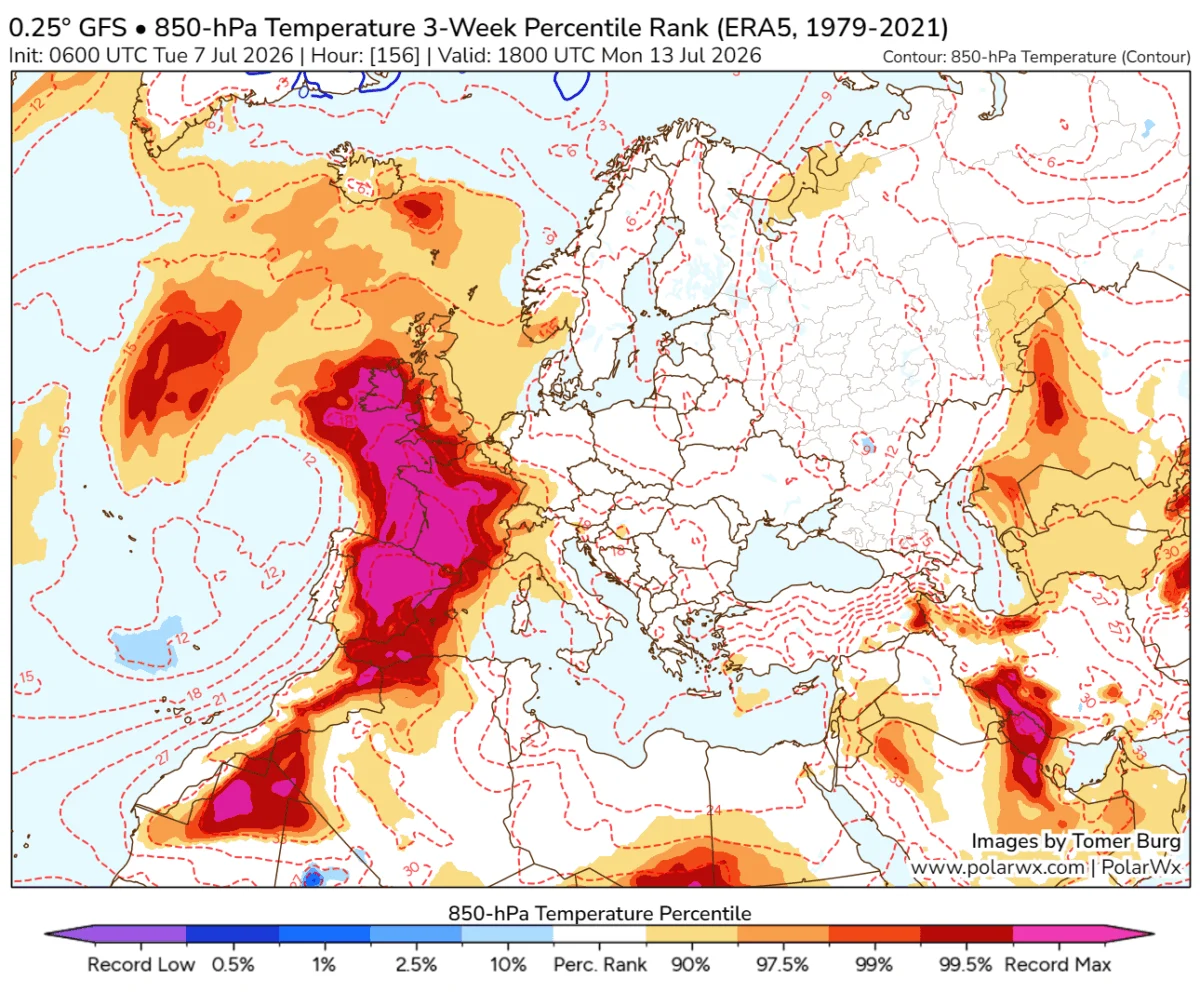
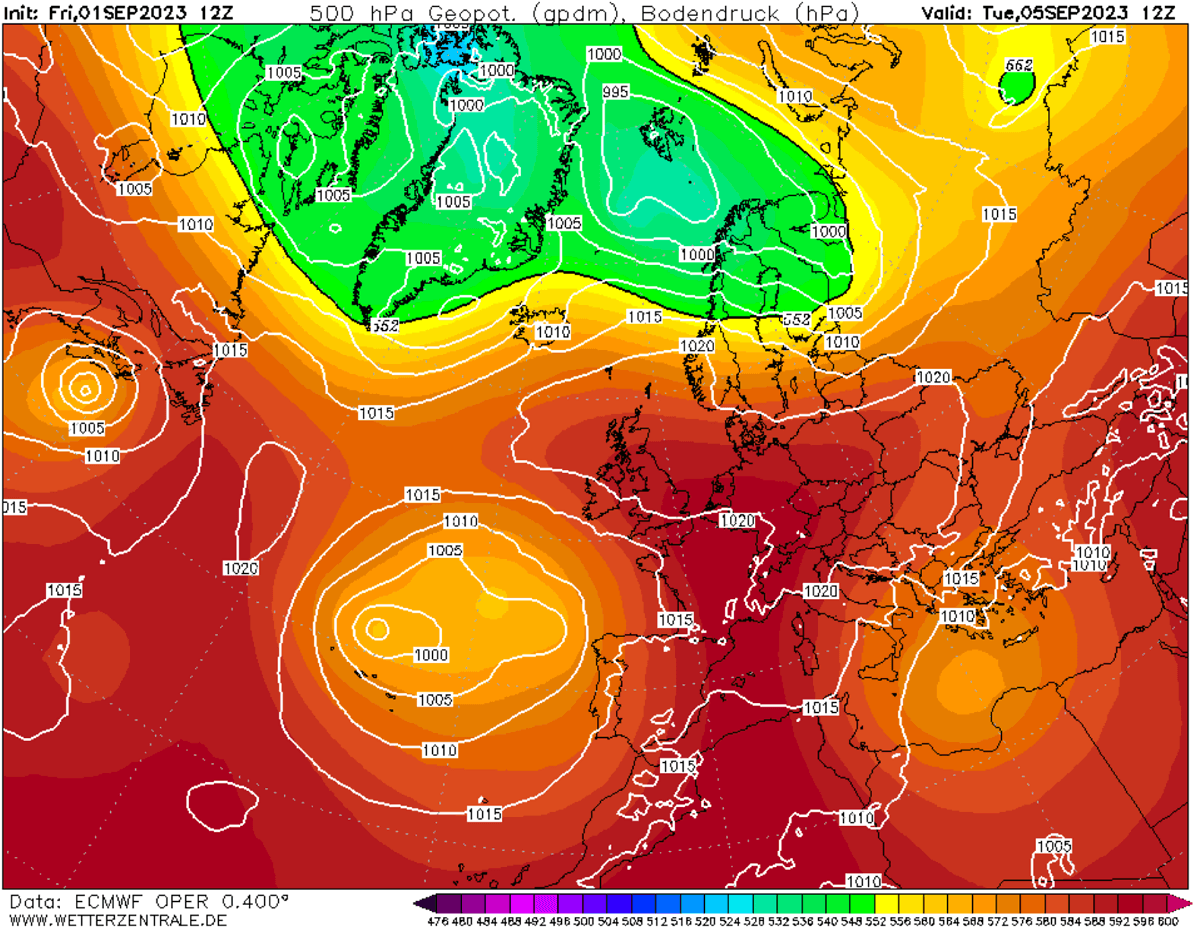
Medium-range ensemble guidance from the ECMWF and GFS models shows that 500 mbar geopotential heights—a key metric for measuring the thickness and heat of the atmosphere—will reach near-record levels by the end of June. These anomalous upper-level heights represent a highly unusual late-spring tropospheric setup. When these readings are mapped against historical data, the percentile ranks for temperature anomalies in France and Iberia are flashing red, indicating that this event sits well outside the standard deviation of historical June weather.
Public Health and Socioeconomic Implications
The human cost of such an extensive heat dome cannot be overstated. Extreme heat is a silent killer, disproportionately affecting the elderly, children, and those with pre-existing cardiovascular or respiratory conditions. Prolonged exposure to high temperatures, particularly when night-time temperatures fail to drop significantly, prevents the human body from recovering, leading to heat exhaustion and, in critical cases, fatal heat stroke.
Furthermore, this heatwave poses a severe occupational hazard. Construction workers, agricultural laborers, and transport staff who spend their days outdoors are at extreme risk. Beyond the direct medical impact, the economic toll is significant. Reduced labor productivity, increased strain on power grids due to air conditioning demand, and the degradation of critical infrastructure—such as the potential for buckling rail tracks or melting asphalt—are common side effects of sustained, extreme heat.
Social inequality also plays a role in heat-related morbidity. Vulnerable populations living in urban "heat islands"—areas characterized by high concentrations of concrete, asphalt, and insufficient green space—often lack the resources to mitigate the indoor heat. These structures, often built with heat-trapping materials, can reach temperatures that remain dangerously high long after the sun has set.
Ecological and Environmental Concerns
Beyond the immediate human impact, the ecological consequences are dire. The existing drought conditions across many regions of Europe will be severely exacerbated by this heat. A lack of rainfall combined with soaring evaporation rates creates the perfect conditions for wildfires. Vegetation, already stressed by the dry spring, becomes highly flammable, increasing the risk of explosive fire growth.
Furthermore, the agricultural sector faces a precarious situation. Crops in their critical growing stages are highly sensitive to thermal stress. A multi-day stretch of 40°C+ heat can cause irreversible damage to yields, potentially leading to increased food prices and supply chain disruptions later in the year. Water management will become a primary concern for local governments, as reservoirs are tapped to meet the increased demand for both human consumption and irrigation.
Official Responses and Preparedness
National meteorological services across Europe have begun issuing high-level warnings. In France, authorities are already implementing "Heatwave Plans" (Plan Canicule), which include the activation of emergency hotlines, the establishment of "cool rooms" in public buildings, and targeted outreach to elderly citizens living alone.
Health officials are urging the public to adhere to strict safety protocols:
- Stay Hydrated: Drink plenty of water before feeling thirsty.
- Limit Physical Activity: Avoid exertion during the peak heat hours of 11:00 AM to 6:00 PM.
- Seek Shade: Utilize public parks, libraries, or community centers that offer air conditioning.
- Monitor Vulnerable Neighbors: Check on elderly relatives and neighbors to ensure they have adequate cooling and hydration.
As the continent prepares for this ordeal, meteorologists emphasize that while the peak of the heat is expected early next week, the atmospheric pattern remains locked. The persistence of the high-pressure system suggests that the latter half of June will be defined by this heat. While the long-range forecast is subject to change, the current models provide a consistent picture of a continent under significant thermal stress.
This event serves as a stark reminder of the evolving nature of European summers. As we move through the coming days, international agencies and local governments will continue to refine their forecasts and emergency protocols. Residents are advised to stay tuned to local news outlets and official meteorological channels for real-time updates as this significant, long-lasting heat dome continues its development. The resilience of Europe’s infrastructure and public health systems will be tested, and the data gathered from this event will undoubtedly play a crucial role in future climate adaptation strategies.