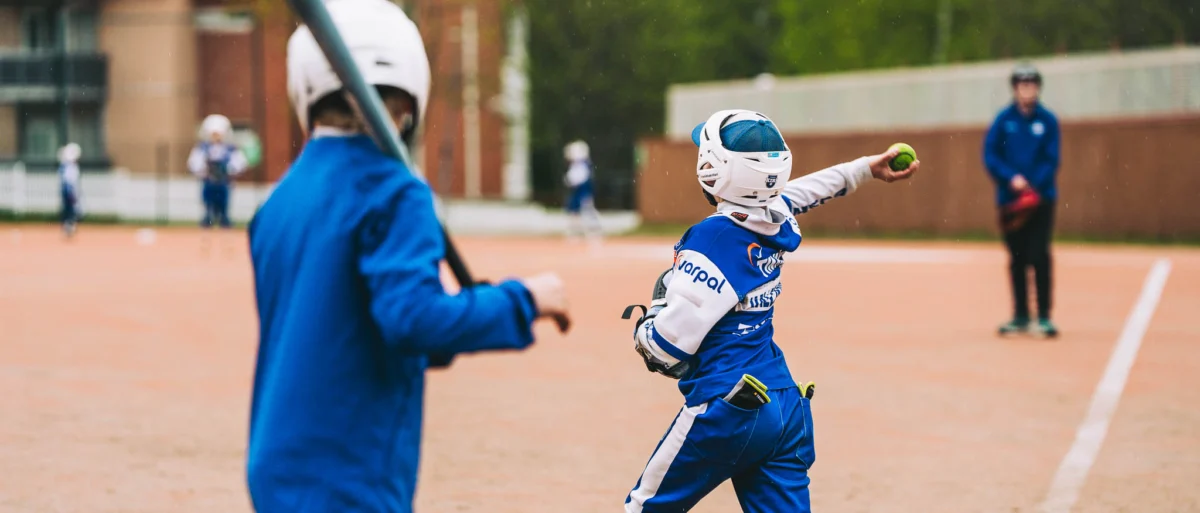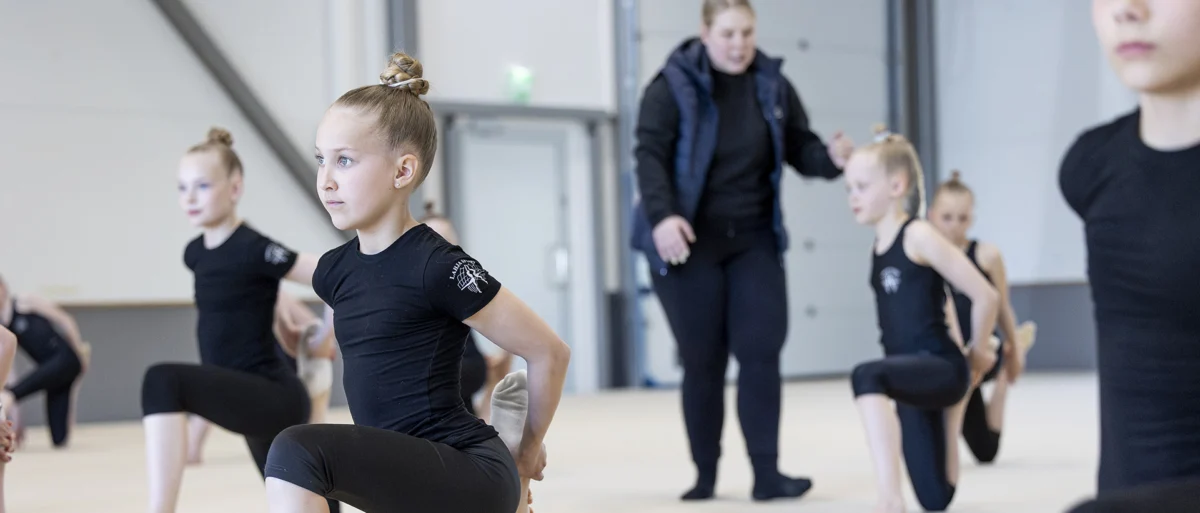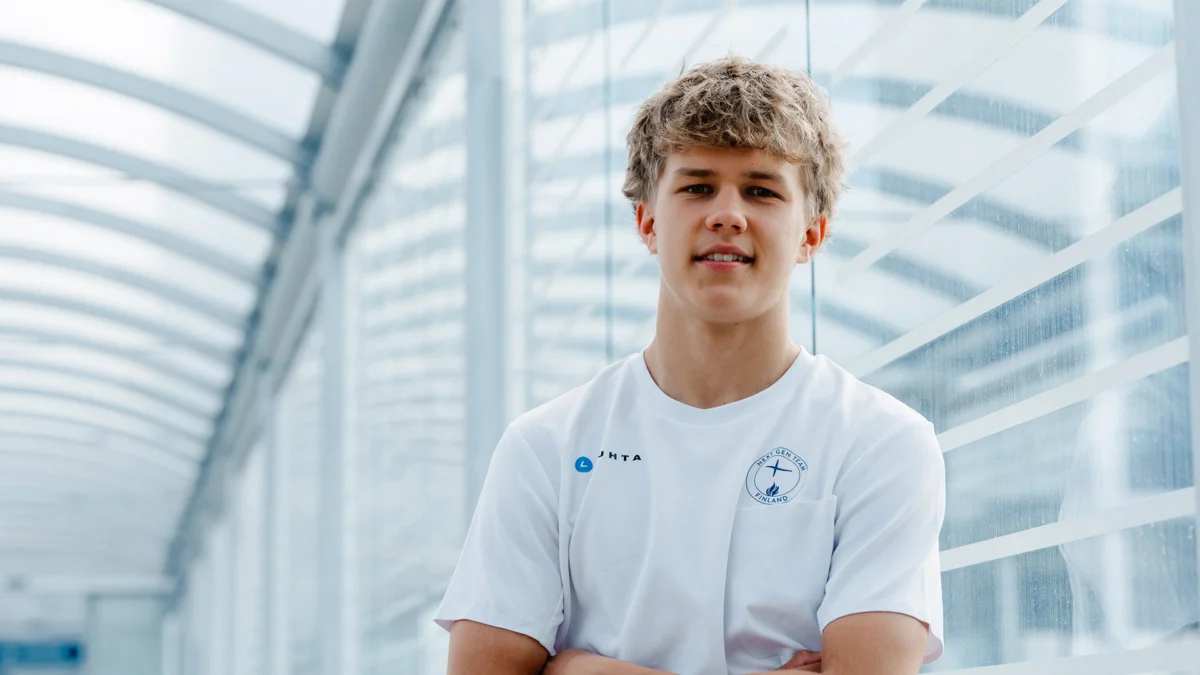
As the Finnish summer reaches its peak, the city of Espoo is set to become the epicenter of national sports. From July 30 to August 2, 2026, the SM-viikko (Finnish Championships Week) will mark a significant milestone: its tenth anniversary. What began as an experimental concept to consolidate various sporting disciplines into a single, high-energy festival has blossomed into a cornerstone of the Finnish sporting calendar. This year, the event promises to be the most expansive yet, featuring 20 distinct sports and bringing together elite athletes, grassroots enthusiasts, and a national television audience.
The Evolution of a Sporting Phenomenon
The SM-viikko is not merely a collection of competitions; it is a celebration of the breadth and depth of Finnish athletic talent. By hosting 20 championships simultaneously, the event creates an atmosphere of unity and discovery that traditional, single-discipline events struggle to replicate.
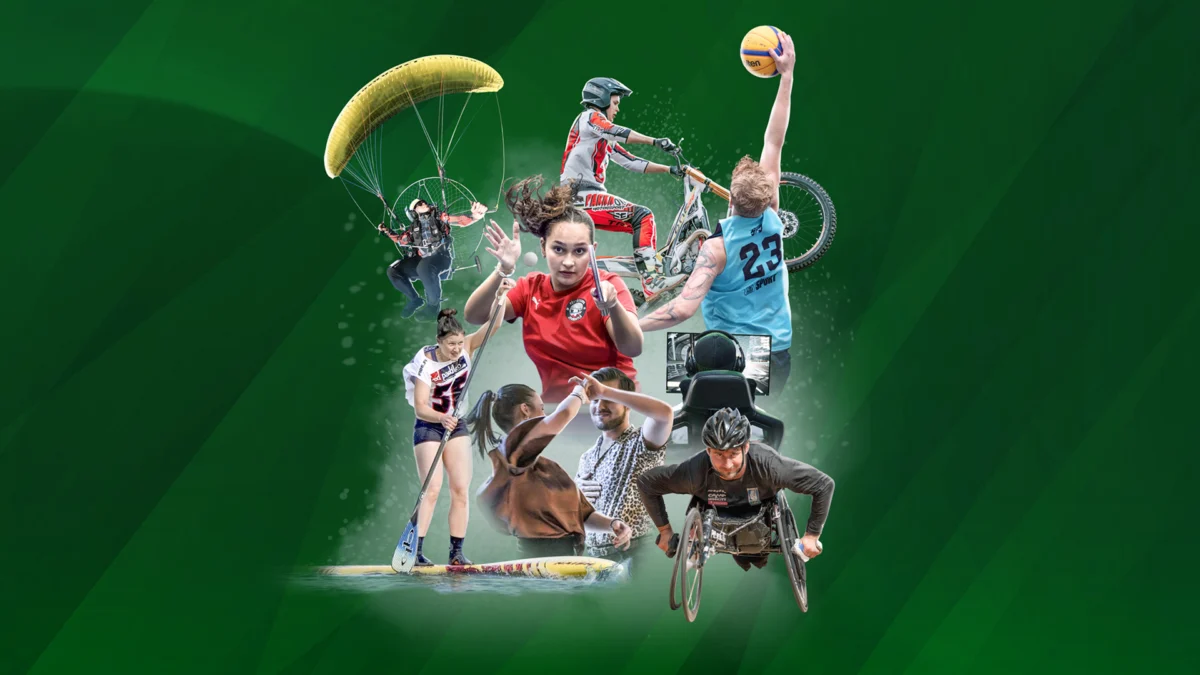
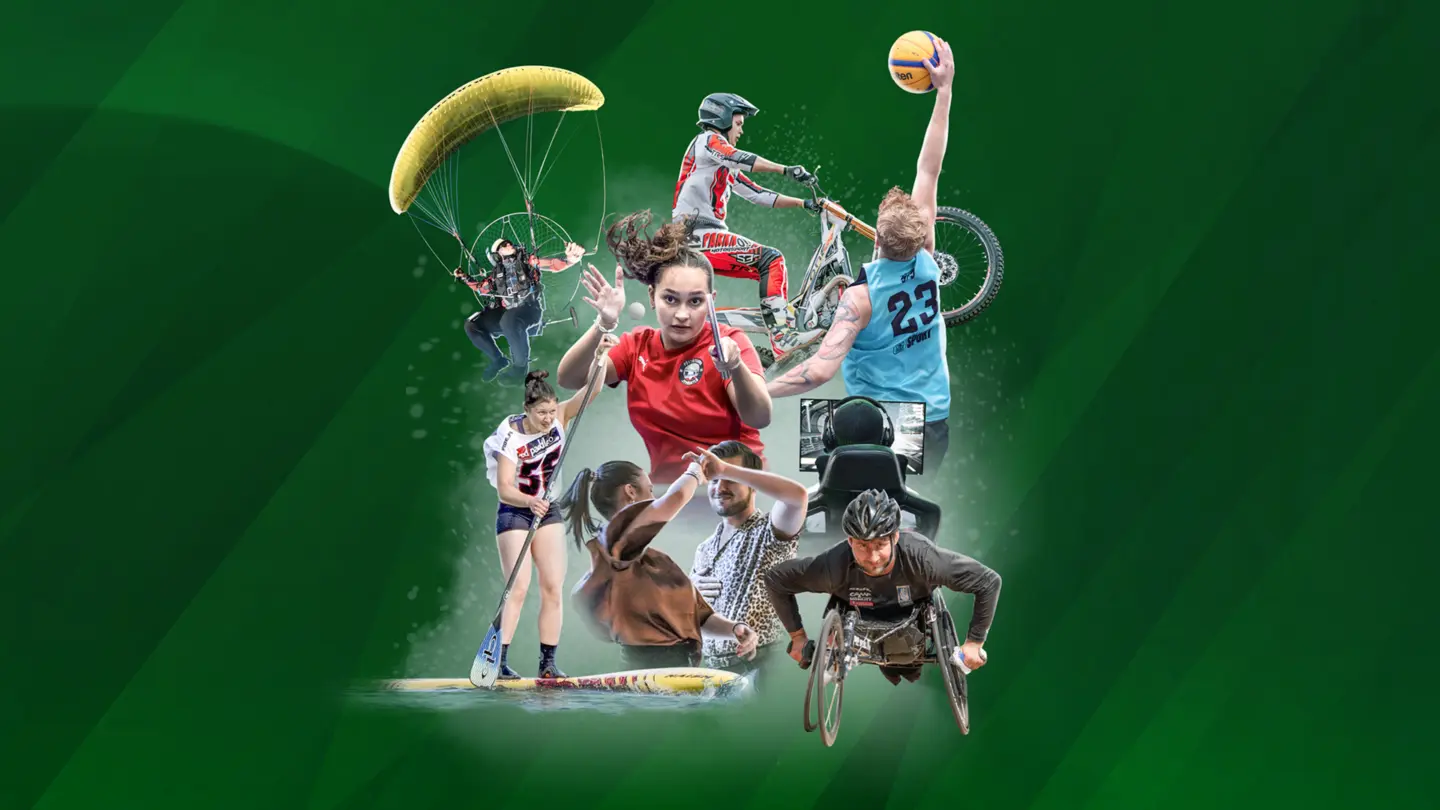
The lineup for the 2026 jubilee includes: 3×3 basketball, beach taekwondo, cheerleading, e-sports (Rocket League and GranTurismo 7), kettlebell, cricket, flag football, marathon canoeing, motorized paragliding, para-athletics, table tennis, coastal rowing, beach water polo, truck pulling, rock ’n’ swing, adventure sports, SUP boarding, triathlon, and x-trial.
This eclectic mix serves a dual purpose: it showcases the peak of professional performance while acting as a gateway for the public to discover sports they might otherwise overlook. Over its decade-long history, the SM-viikko has introduced an incredible 100 different sports to the Finnish public, cementing its reputation as a pioneer in sports programming.
Chronology: A Decade of Growth
The journey to the 2026 anniversary has been one of consistent innovation. When the concept was first conceived, the goal was to provide smaller or "niche" sports with a platform comparable to major mainstream events.
- The Early Years (2016–2018): Initial trials focused on proving that disparate sports could coexist under one "event umbrella." Logistics were tested, and the collaboration with the Finnish Broadcasting Company (Yle) was solidified, ensuring national reach.
- The Growth Phase (2019–2022): The event expanded its footprint, moving between various cities. During this period, the event began integrating non-traditional categories, such as e-sports and extreme sports, which helped attract a younger demographic.
- Modern Consolidation (2023–2025): The event refined its format, focusing on high-quality broadcast production and audience engagement. It transitioned from a pure competition model to an interactive, festival-style experience where spectators could try the sports themselves.
- The 2026 Jubilee: The tenth anniversary in Espoo represents the culmination of these efforts, featuring a record-breaking variety of disciplines and the highest level of integration between professional competition and spectator interaction.
Supporting Data: The Impact of SM-viikko
The success of the SM-viikko is evidenced by its consistent ability to bridge the gap between niche sports and mainstream media. According to event organizers, the inclusion of 100 sports over the years has led to increased licensing numbers for many of the smaller federations involved.
Key Metrics for the 2026 Event:
- Event Duration: 4 days (July 30 – August 2).
- Number of Disciplines: 20.
- Estimated Participation: Thousands of athletes, ranging from junior prospects to seasoned national champions.
- Media Reach: Extensive coverage via Yle TV2 and Yle Areena, ensuring that the entirety of the championships is available to millions of households, regardless of whether they are physically present in Espoo.
The economic and social impact on the host city of Espoo is also significant. By centralizing operations, the event minimizes the carbon footprint typically associated with hosting dozens of separate national championships, while maximizing the utilization of local sporting infrastructure.
Official Perspectives and Organizational Synergy
The SM-viikko is a massive undertaking, spearheaded by the Finnish Olympic Committee (Olympiakomitea) in close cooperation with the KOKO Tapahtuma cooperative. The success of the project relies on a complex web of stakeholders.
"The SM-viikko represents the very best of the Finnish sporting spirit," says a representative from the Olympic Committee. "By bringing these 20 sports together, we are not just hosting championships; we are creating a narrative of inclusivity. Whether it is a traditional sport like table tennis or a modern, high-tech discipline like e-sports, every athlete here is a champion of their craft."
The role of the local sports clubs in Espoo cannot be overstated. These organizations provide the essential human capital—volunteers, officials, and logistical support—that keeps the event running smoothly. "It is a community effort," notes the event coordination team. "The clubs are the heartbeat of the SM-viikko. Without their dedication, we would not be able to offer the public such a high-quality experience."
The Spectator Experience: Beyond the Medals
One of the defining features of the modern SM-viikko is its "hands-on" philosophy. Organizers have deliberately moved away from the "look, don’t touch" model of traditional sports viewing. In Espoo, spectators are encouraged to engage with the equipment and the athletes.
Interactive zones will be set up throughout the venue, allowing attendees to try their hand at sports ranging from SUP boarding to e-sports simulators. This creates a feedback loop: a child who watches a beach taekwondo match can immediately try a basic maneuver, potentially sparking a lifelong interest in the sport. This approach has been instrumental in keeping the event relevant and ensuring that the SM-viikko is a festival for the whole family, rather than a sterile competition for experts.
Implications for the Future of Finnish Sports
As the SM-viikko enters its second decade, it serves as a blueprint for the future of national sports development. The event highlights several key trends:
- Digital Integration: The inclusion of e-sports like Rocket League reflects the changing definition of "sport." By treating e-athletes with the same professional rigor as traditional athletes, the SM-viikko is capturing the attention of a digital-native generation.
- Sustainability in Sports: By clustering events, the SM-viikko model provides a template for sustainable event management. It reduces the need for multiple independent venues and fragmented media logistics.
- The Rise of Niche Sports: For many, the SM-viikko is the only time of the year they get to see their sport on national television. This visibility is vital for sponsorship deals and long-term viability for smaller federations.
Conclusion: A Milestone Worth Celebrating
The upcoming event in Espoo is more than just a 10th-anniversary party; it is a testament to the resilience and adaptability of the Finnish sports culture. By successfully blending tradition with modernity, and professional competition with community engagement, the SM-viikko has secured its place as one of the most anticipated events of the summer.
As the countdown to July 30 begins, the message from the organizers is clear: come for the competition, stay for the experience. Whether tuning in from home via Yle’s extensive broadcasts or walking the grounds in Espoo, the public is invited to witness the evolution of a decade-long journey that has redefined what it means to be a champion in Finland. The 2026 SM-viikko is not just looking back at ten years of history; it is actively shaping the next decade of Finnish sporting life.