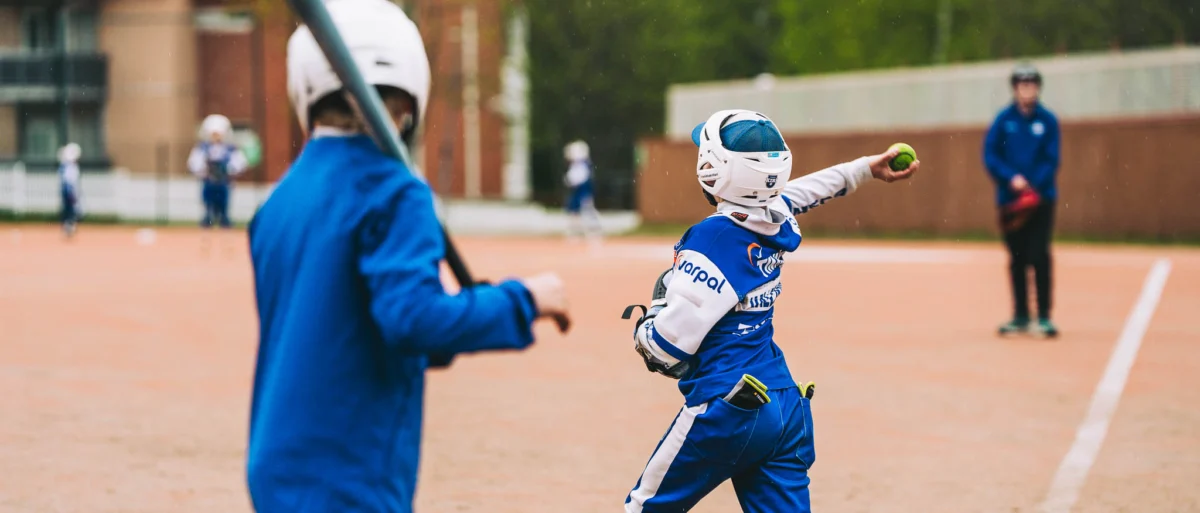
In the heart of Finland, a quiet revolution is taking place on the baseball fields. Jyväskylän Kiri & Kirittäret Juniorit, now the largest junior baseball club in the nation, has become the vanguard of a new pedagogical philosophy. By embracing the Finnish Baseball Federation’s latest frameworks for children’s sports, the club is systematically shifting the focus from rigid, drill-based instruction to a model centered on autonomy, high-frequency gameplay, and the holistic development of the child.
As Finland grapples with a nationwide decline in physical activity among youth and the premature attrition of young athletes from organized sports, this club serves as a blueprint for what the future of grassroots athletics could look like.
The Core Philosophy: Joy, Autonomy, and the "Half-Game" Rule
At the center of this movement is a simple but radical directive: at least 50% of every training session must be dedicated to actual playing or game-based scenarios. According to Roope Pöyry, the club’s Junior Manager, this is not merely a suggestion but a cornerstone of their operational success.
"We want our sessions to be defined by high-intensity, low-pressure environments where the child is the protagonist of their own development," Pöyry explains. "Instead of standing in lines waiting for a turn to bat, our players are constantly moving, decision-making, and engaging with the game in smaller, more manageable clusters."
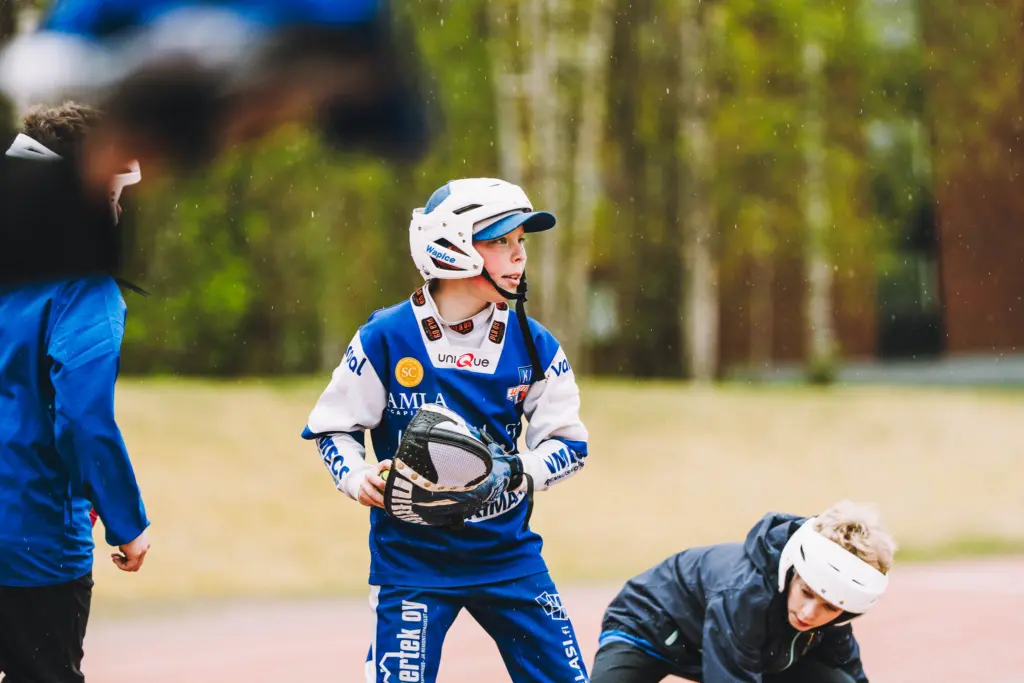
This approach is heavily influenced by the adoption of the 6 vs. 6 format—a departure from the traditional 9 vs. 9 structure. By shrinking the field and reducing the number of participants, the club ensures that each child receives more repetitions in batting, base running, and fielding. In a traditional 9-player setup, a young athlete might wait minutes between defensive touches; in a 6-player format, they are perpetually involved, which keeps heart rates up and engagement levels high.

Chronology of Change: From Tradition to Innovation
The transformation within the Kiri & Kirittäret structure did not happen overnight. It was a multi-year transition triggered by the realization that traditional coaching methods were failing to keep pace with the modern child’s developmental needs.
- Phase 1: The Diagnostic Period. The club analyzed attendance and dropout rates, noting that "passive time"—the time spent waiting for a turn—was the primary driver of boredom and early retirement from the sport.
- Phase 2: Integration of the Framework. Working in tandem with the Finnish Baseball Federation and other major ball-game organizations, the club adopted a new "Children’s Sports Framework." This involved retraining coaches to act as facilitators rather than dictators.
- Phase 3: The 6 vs. 6 Pilot. The club rolled out smaller-team formats across all junior age groups. This allowed for more flexible grouping, where teams could be shuffled based on the specific needs of a tournament or a training day, preventing the stagnation of rigid talent hierarchies.
- Phase 4: Scaling the Success. By consistently prioritizing these methods, the club saw a surge in popularity, culminating in its current status as the largest junior baseball organization in Finland.
Supporting Data: Why Small-Sided Games Work
The efficacy of the Jyväskylä model is backed by both qualitative feedback and the broader goals of the Olympic Committee. Research into motor skill development consistently shows that specialized skills—such as striking a ball or navigating a base path—are best learned through "game intelligence" rather than isolated repetition.
The "Rules Pilot" Initiative
One of the most innovative components of this transition is the "Rules Pilot" program. Instead of teaching the complexities of baseball regulations through lectures, the club uses the game itself as a teacher.
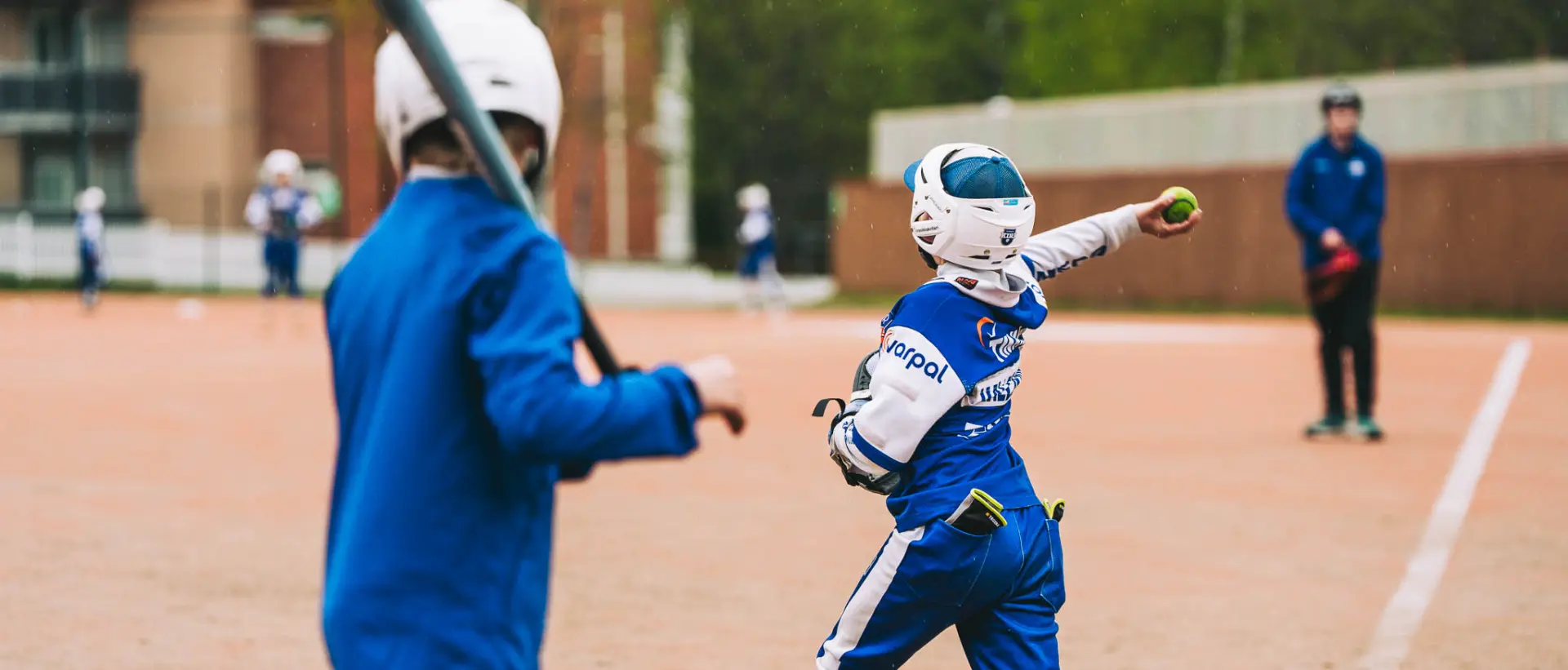
11-year-old Luka Hallikainen, a three-year veteran of the sport, highlights the impact of this change. "I used to find the rules confusing, but now we learn them by playing," he notes. "The coaches don’t just give us the answers when a problem comes up on the field. They ask us what we think happened and why. It helps me read the game better."
This "inquiry-based" coaching forces the athlete to develop cognitive skills—the ability to anticipate a play, understand the consequences of a foul, and make tactical decisions in real-time. By removing the "spoon-feeding" of information, the club fosters a sense of competence that is essential for long-term athlete retention.
Official Responses and the National Landscape
The initiative in Jyväskylä is not an isolated experiment. It aligns with a national strategy spearheaded by the Finnish Olympic Committee and 40 different sports federations. The context is urgent: data shows that children are entering organized sports younger, but are also dropping out sooner. This "early specialization" often leads to physical burnout and a narrow range of movement skills.
The Problem: A Narrowing Window
The Finnish Olympic Committee has identified several alarming trends:
- Declining physical literacy: Children are arriving at organized sports with lower baseline coordination than previous generations.
- Over-organized, under-played: Clubs have historically focused on "drills" rather than "play," leading to less physical activity per hour spent at the pitch.
- The "Hobby" vs. "Professional" Trap: Even at the age of 8 or 9, there is undue pressure to perform, which kills the joy of the sport.
Roope Pöyry is emphatic about the solution: "We are not trying to create machines; we are trying to create athletes who love the game. If they love it, they will practice on their own. We encourage multi-sport participation because we know that true physical literacy comes from a variety of movements, not just one."
Implications: The Future of Finnish Youth Sports
The implications of this shift are profound. By de-emphasizing the "win-at-all-costs" mentality in the early developmental years, Jyväskylän Kiri & Kirittäret is creating a more sustainable ecosystem.
Building the "Human" First
The ultimate goal of these structural changes is twofold: to produce high-level athletes for the future, and to foster well-rounded individuals who understand the value of community, persistence, and problem-solving. When a child learns to navigate the complexities of a 6 vs. 6 baseball match, they are also learning to negotiate, collaborate, and take responsibility for their errors—skills that transcend the diamond.
A Call for Flexibility
The club’s success in engaging parents is perhaps the most telling metric. By transparently explaining why training looks different—why their children are "playing" rather than "drilling"—the club has turned parents into advocates for the process.
"Parents have been incredible," says Pöyry. "They see that their children are happy, they are getting more exercise, and they are excited to come back. That is the only metric that truly matters at the junior level."
Conclusion: A Model for the Future
As the Finnish sports community looks for ways to combat the sedentary nature of modern life, the Jyväskylä experience provides a clear path forward. It suggests that the future of elite sports is not found in more rigorous, repetitive training at a young age, but in more play, more autonomy, and more joy.
By treating every training session as an opportunity for discovery rather than a rehearsal for a game, Kiri & Kirittäret has managed to capture the essence of what sport should be: a celebration of movement, a test of intellect, and a lifelong foundation for health. If this model continues to gain traction, the future of Finnish baseball—and perhaps all youth sports in the country—will be in very capable, and very active, hands.