The Bolivian Altiplano is a landscape of extremes—a high-altitude plateau that feels less like a region on Earth and more like a rugged, celestial frontier. While many trekkers flock to the famed Salar de Uyuni or the dramatic summit of Licancabur, a hidden gem exists near the border of Chile and Bolivia: the Five Lakes Loop. This border-straddling expedition, starting and ending in the remote village of Sajama, offers a profound look at the stark, crystalline beauty of the Andean highlands.

Main Facts: The High-Altitude Challenge
The Five Lakes Loop is a 47-kilometer (29-mile) trek that demands respect for the environment. Located at elevations ranging from 4,230 meters (13,879 feet) to a staggering 5,130 meters (16,831 feet), it is a journey into the clouds.

- Distance: 47 km (29 mi)
- Difficulty: Moderate, though defined by significant off-trail navigation.
- Best Season: June to September, during the crisp, dry winter months.
- Elevation Gain: 946 m (3,104 ft).
- Accessibility: The route begins and ends in the village of Sajama, Bolivia, one of the world’s highest permanently inhabited settlements.
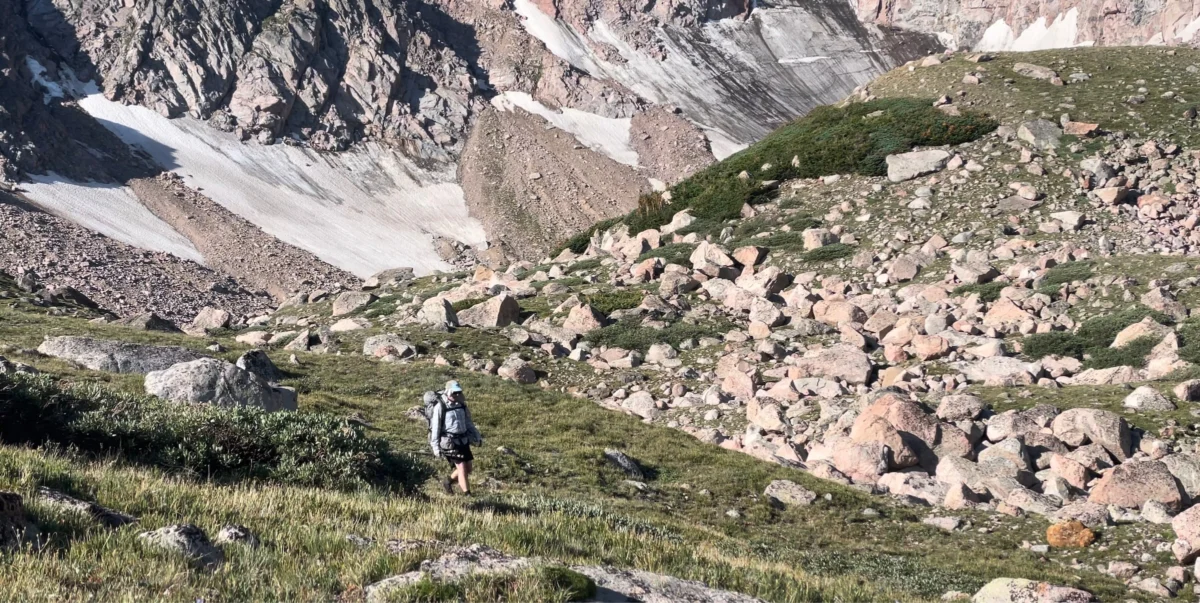
The trail is characterized by its "wide-open" nature. Because the landscape is largely treeless, navigation is straightforward for those equipped with basic GPS data and a reliable compass, though the thinning air at 5,000 meters makes even moderate physical exertion feel like a monumental task.

Chronology: A Journey Through the Clouds
The Departure from Sajama
The journey begins in the village of Sajama (4,230 m), a community of roughly 1,700 people where life moves to the rhythm of the mountains. The air here is thin and biting, but the cultural richness of the local community provides a warm welcome. Departing from the village, the route immediately climbs into the heart of the Sajama National Park.

The initial trekking phase serves as an acclimatization period. Hikers are treated to sweeping views of the twin peaks—Volcan Pomerape (6,282 m) and the towering Volcan Parinacota (6,348 m). The sight of wild llamas wandering across the vast, golden grasses of the plateau, set against the backdrop of snow-capped volcanic giants, is one of the most iconic experiences of the Andean highlands.

The Ascent to the Lakes
As the trek progresses, the path transitions from defined trails to wide, open traverses. Navigating toward the first of the five lakes, the geography shifts into a dramatic alpine theater. The route leads through the Quebrada Condoriri, a deep, winding valley that serves as a gateway to the high lakes.

The highlight of the first day is often the arrival at the base of the higher elevations, where the wind begins to howl and the temperatures plummet. Campers at nearly 5,000 meters are met with a "colder than a loan shark’s heart" experience—temperatures can easily drop to -12°C (10°F). However, the reward is an unobstructed, crystalline view of the Milky Way, free from any light pollution.

Navigating the Border
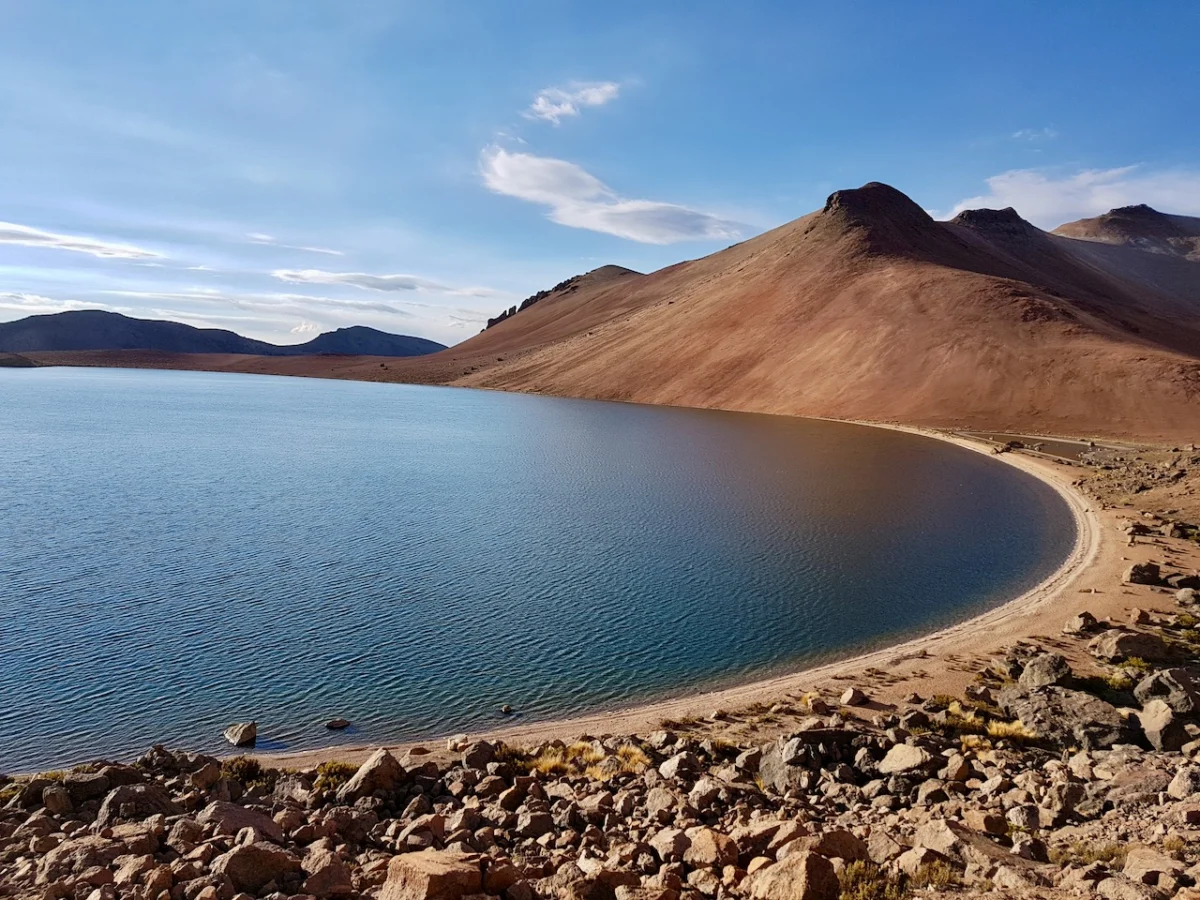
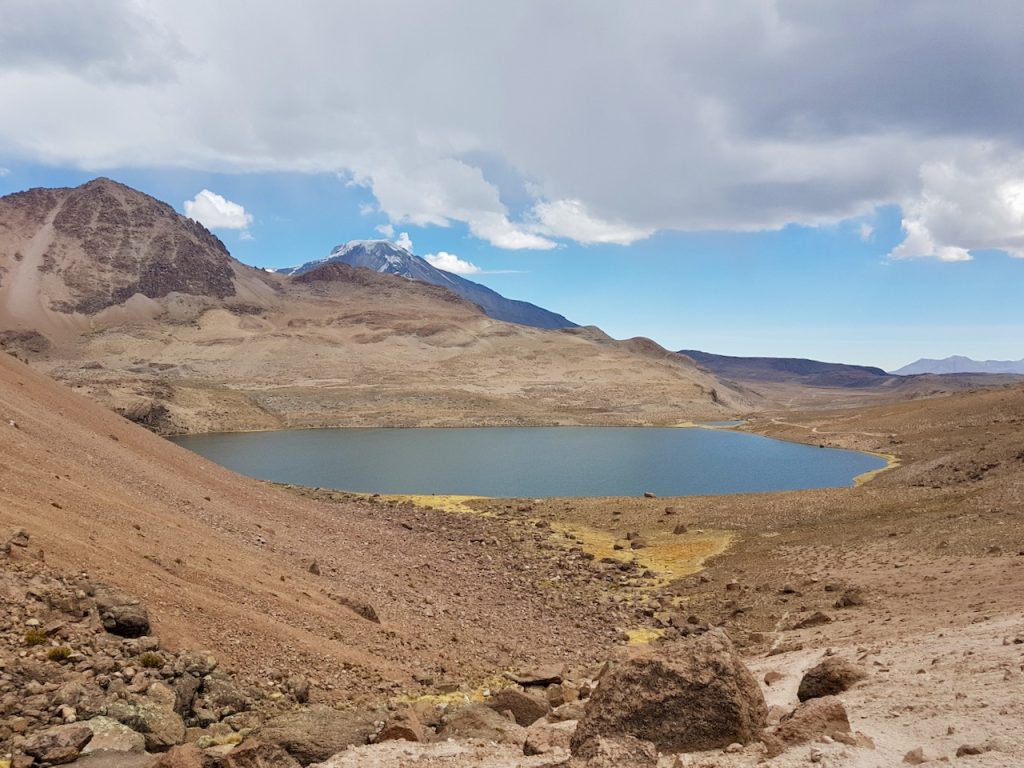
The "Five Lakes" moniker refers to a series of high-altitude bodies of water, two of which are situated across the border in Chile. The trek requires a steady hand and a clear head, particularly when navigating the approach to Laguna Chiar Khota.

During the descent from the higher passes, the terrain is dotted with Azorella compacta, locally known as "llareta." This ancient, moss-like plant grows in slow-motion, with some specimens estimated to be over 3,000 years old. It serves as a stark reminder of the resilience required to survive in the Altiplano. The journey concludes with a return to Sajama, where the quiet solitude of the mountains is exchanged for the humble, bustling atmosphere of the village.

Supporting Data: The Logistics of Survival
Trekking the Five Lakes Loop requires careful preparation. Because the region is so isolated, self-sufficiency is not just a preference; it is a necessity.
Essential Gear Requirements
- High-Altitude Shelter: A four-season tent capable of withstanding high-velocity winds is non-negotiable.
- Thermal Layering: Even in the "dry" season, the diurnal temperature variation is massive. A down-filled sleeping bag rated to at least -15°C (5°F) is essential.
- Hydration Systems: Water sources are available but must be treated. Given the cold, insulated hoses are a must to prevent freezing.
- Navigation: While the terrain is open, the lack of landmarks means a GPS device with pre-loaded tracks is essential for safety, particularly if visibility drops due to weather.
Physiological Considerations
The most significant hurdle for any traveler is Acute Mountain Sickness (AMS). With a starting altitude of over 4,000 meters, it is recommended that travelers spend at least 48 to 72 hours in a high-altitude location like La Paz or Sajama village before attempting the loop. Hydration and the consumption of coca tea—a local cultural staple—are standard practices for mitigating the effects of the low oxygen pressure.

Official Perspectives and Local Stewardship
Sajama National Park, established as Bolivia’s first national park in 1939, is managed with a focus on preserving the delicate balance between the Aymara people’s traditional land use and the growing interest in eco-tourism.

Local guides emphasize that the area is not merely a "hiking destination" but a cultural landscape. The village of Sajama is a hub for community-led tourism. Visitors are encouraged to engage with the local community, as the income from tourism supports the maintenance of the trails and the preservation of the surrounding flora, including the rare Polylepis forests—the highest-altitude forests in the world.

"The mountains are our ancestors," a local guide explains. "When you walk here, you are not just walking through a park; you are walking through history."

Implications: The Future of High-Altitude Tourism
The Five Lakes Loop represents a shift in the way modern trekkers approach the Andes. While the "big ticket" items like the salt flats remain popular, there is a growing demand for "quiet adventure"—shorter, more intense, and remote routes that allow for a deeper connection with the environment.

Environmental Impact
The pristine nature of the Altiplano is fragile. The slow growth rate of the llareta and the sensitivity of the high-altitude wetlands mean that the "Leave No Trace" philosophy is of critical importance. As interest in the Five Lakes Loop grows, the challenge for park authorities will be to manage the influx of trekkers without compromising the ecological integrity of the high plateau.

Cultural Preservation
The integration of local knowledge into the trekking experience ensures that the economic benefits of tourism remain within the community. For travelers, this provides a more authentic experience—moving beyond the role of a spectator and becoming a guest of the Andean people.

The Lasting Impression
The Five Lakes Loop is not a casual walk. It is an exercise in humility. The scale of the landscape—the vastness of the sky, the silence of the lakes, and the towering presence of the volcanoes—strips away the complexities of modern life. Whether it is the biting cold of a 5,000-meter campsite or the simple joy of sharing a meal in the village of Sajama, the route leaves an indelible mark on those who complete it.

It serves as a reminder that even in an era of global connectivity, there are still corners of the world where one can stand in total silence, breathe in the thin, sharp air, and witness the earth as it has been for millennia. For the experienced trekker, the Five Lakes Loop is not just a line on a map; it is a pilgrimage into the heart of the world’s most beautiful high-altitude wilderness.