In the insular, sweat-drenched world of long-distance thru-hiking, certain mantras serve as the community’s secular scripture. Phrases like “hike your own hike,” “the trail provides,” “you pack your fears,” and “don’t quit on a bad day” are more than just advice—they are protective amulets worn by trekkers to ward off the psychological and physical exhaustion that defines a journey of hundreds or thousands of miles.
However, beneath this veneer of trail-hardened wisdom lies a collection of sentiments that rarely see the light of day. These are the counter-intuitive, often humorous, and occasionally paradoxical thoughts that occupy the minds of long-distance hikers. During a recent 300-mile traverse of Washington’s rugged Olympic Peninsula, these unspoken truths became the focus of my own reflections, highlighting the vast gap between the idealized hiker persona and the gritty, sometimes absurd reality of life on the trail.

The Taxonomy of Trail Absurdities
The life of a thru-hiker is defined by the reduction of one’s existence to the bare essentials: food, water, shelter, and movement. Yet, within this minimalist framework, hikers often find themselves holding onto beliefs that contradict the very logic of ultralight philosophy.
The Paradox of Preparation
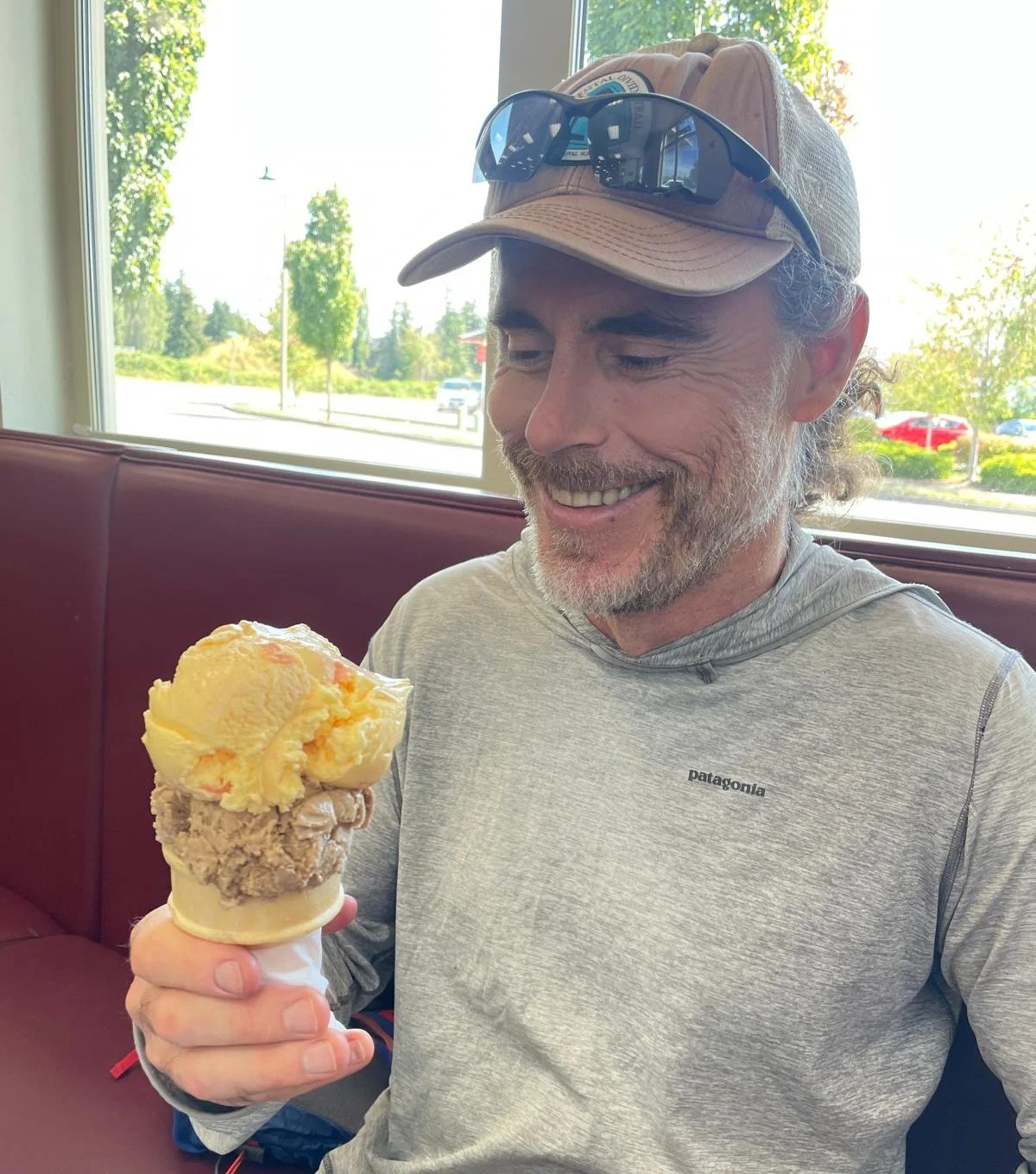
When we analyze the mindset of the modern hiker, we often see a preoccupation with gear and caloric intake that defies common sense. For instance, the sentiment, “I wish I didn’t bring so much chocolate,” touches on the perennial struggle of food weight versus morale. Conversely, the notion that one would prefer a “single scoop” of ice cream at a trail-side stop is a statement so foreign to the famished hiker that it borders on heresy.

Then there is the gear obsession. While the community champions the 1/8” closed-cell foam (CCF) mat for its weight-saving properties, the secret reality is that few hikers would ever admit to actually enjoying the comfort of such a spartan sleeping surface. It is a performance of minimalism that masks a deep, primal longing for a plush, inflatable mattress.
The Myth of Trail Town Superiority
Trail towns are the lifeblood of the thru-hiking experience, offering respite, calories, and a rare opportunity for hygiene. However, the hiker’s appreciation for these towns is often subjective and bizarre. The assertion that a place like Rawlins, Wyoming—a town known more for its industrial landscape than its aesthetic charm—could be a “favorite” is a testament to how the trail distorts one’s perception of civilization. When you have walked for weeks, the definition of a “good town” shifts from cultural amenities to the simple availability of a hot shower and a nearby grocery store.

Chronology of the Modern Thru-Hike
To understand these unspoken sentiments, one must look at the evolution of a trek. A thru-hike is rarely a linear progression of joy; it is a cycle of highs and lows that change the hiker from the inside out.
- The Departure: The hiker starts with a pack full of enthusiasm and, frequently, too much weight. They are often obsessed with the “latest model” of gear, believing that the colorway or the 2024 update to a pair of trail runners will be the difference between success and failure.
- The Middle Grind: This is the phase where “wet toe socks” become a daily, and deeply unpleasant, ritual. The hiker begins to question why they ever left the comfort of their home. The “zero day”—a day off from hiking—is meant to be a recovery period, yet the irony is that many hikers find themselves anxious or bored, secretly wishing they were back on the trail because the “real world” feels increasingly alien.
- The Finish Line: As the end nears, the sentiment “I’m so done with the outdoors” often creeps in. This is not a rejection of nature, but a psychological defensive mechanism—a way of reclaiming one’s autonomy before the trail officially consumes them.
Supporting Data: The Gear Evolution
The shift in gear philosophy over the last three decades provides a compelling data point. In 1999, a trekker might have been seen sporting a 7.28 lb (3.3 kg) Dana Designs Terraplane pack and heavy leather Scarpa boots. Today, the industry has pivoted toward “fast and light.”

Yet, the irony remains: despite this technological advancement, hikers still find themselves yearning for the perceived stability of the “old ways.” The declaration, “As soon as I finish this, I’m going back to my 80-liter backpack and leather boots,” is a common, albeit temporary, form of protest against the relentless pressure to optimize every gram of gear.
Official Observations and Trail Etiquette
The etiquette of the trail is a complex social contract. Issues such as the sharing of space in backcountry huts or the management of waste are frequent points of contention. The unspoken rule, “Sorry, there’s no space,” is a social defense mechanism—a way of preserving one’s fragile sanctuary in a lean-to or hut when the weather turns sour.

Furthermore, the debate over safety—specifically the carrying of firearms—remains a polarizing topic. The quiet, often unvoiced comfort some find in armed protection stands in stark contrast to the “trail peace” narrative usually promoted by the hiking community.
Implications for the Future of Hiking
What do these unspoken truths tell us about the future of the outdoor industry and the culture of long-distance trekking?

- The Commodification of Authenticity: As social media continues to shape the narrative of thru-hiking, the pressure to maintain an “authentic” persona grows. Hikers are increasingly performing their experience, choosing the 2024 gear model over the 60% off clearance item simply to fit the visual narrative of the “modern hiker.”
- The Sustainability of the Thru-Hiker: The physical toll of thru-hiking is well-documented, but the psychological impact—the oscillation between wanting to conquer the trail and wanting to return to the comfort of an office—suggests that the industry needs to focus more on post-hike reintegration.
- The "No Trespassing" Culture: As seen in regions like the US, the increasing tension between public land access and private property rights highlights that the trail is not just a physical path, but a political one. The “no trespassing” signs, such as those found on Stewart Island, NZ, remind us that the wilderness is shrinking, and the freedom to roam is becoming a privilege that requires active defense.
Conclusion: The Honest Hiker
At the end of the day, the “unspoken” nature of these thoughts is what binds the hiking community together. By acknowledging that we sometimes regret our gear choices, that we don’t always love the towns we pass through, and that we occasionally dream of the office chair, we humanize the experience.
A thru-hike is not just about the miles covered or the summits reached; it is about the internal dialogue that occurs when you are stripped of your daily comforts. Whether you are walking through the dense forests of the Olympic Peninsula or traversing the volcanic landscapes of Iceland, the trail provides—not just in terms of resources, but in the brutal, beautiful honesty it demands of those who walk it. The next time you hear a hiker say, “The trail provides,” remember that they might also be thinking about how much they wish they had left their head net at home. That, too, is part of the journey.