Comfort on an inflatable sleeping pad is rarely a product of a single spec-sheet metric like R-value or weight. Instead, it is the cumulative output of several variables that the backcountry traveler can actively manage: inflation pressure, geometric proportions, baffle architecture, and the interface between the sleeper’s skin and the pad’s fabric.
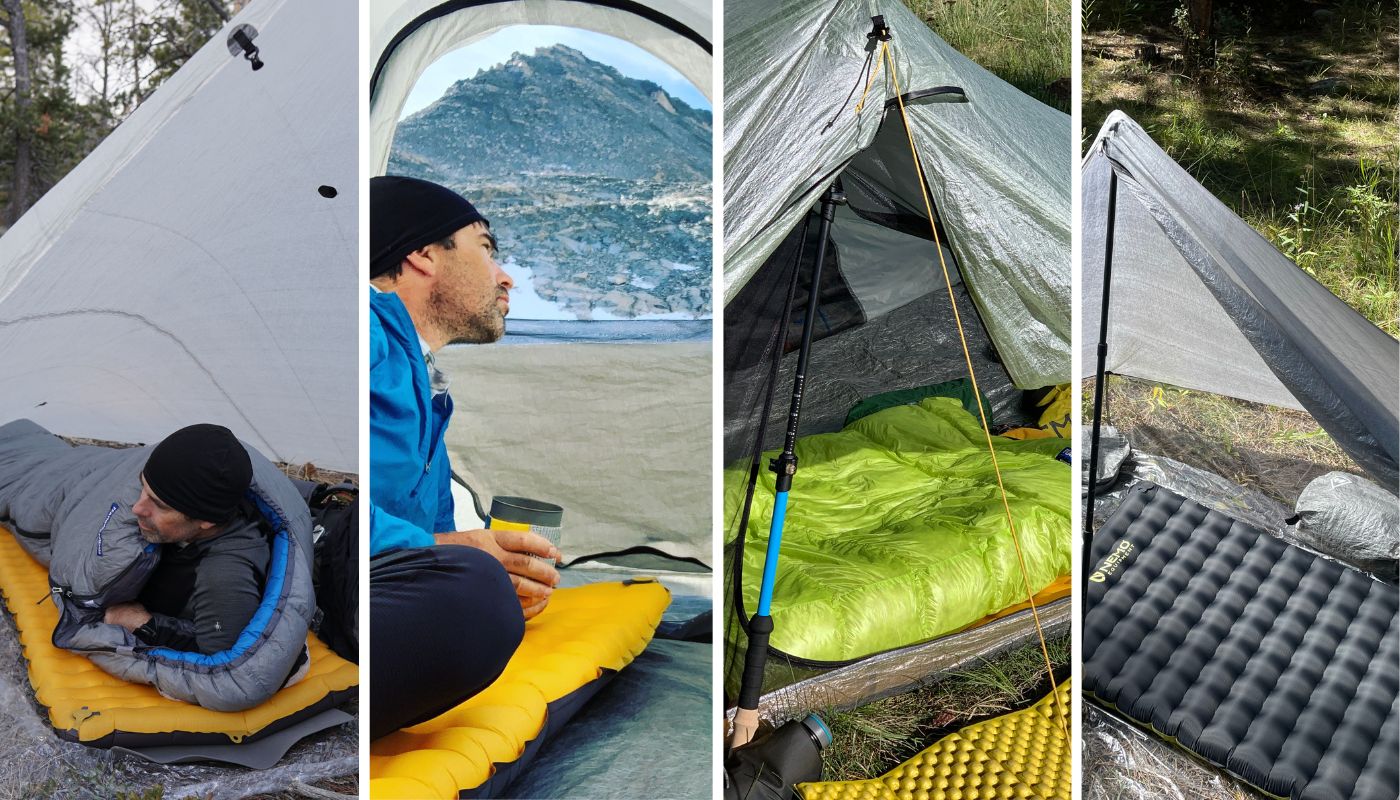
For the modern backpacker, the goal is no longer to simply inflate a pad until it "feels right." Rather, it is to hit objective, measurable targets that harmonize with your body type, sleeping posture, shelter constraints, and the environmental conditions. This report analyzes the evolution of sleeping systems, provides a data-driven look at current market leaders, and offers a field-tested protocol to optimize your sleep system for maximum stability and thermal efficiency.
A Chronology of Comfort: From Blue Foam to Air-Sprung Technology
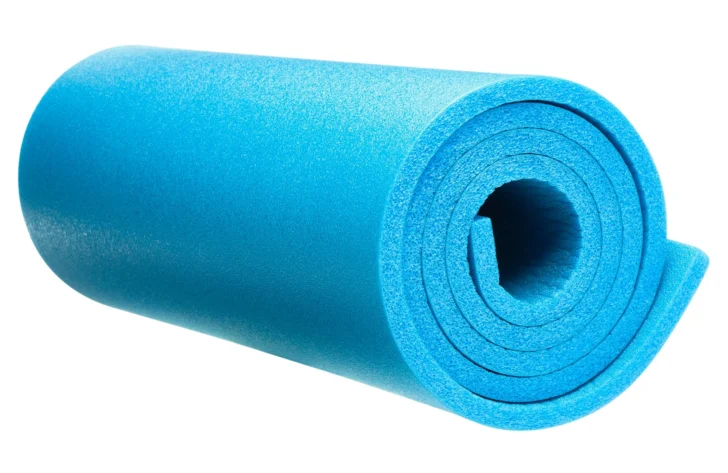
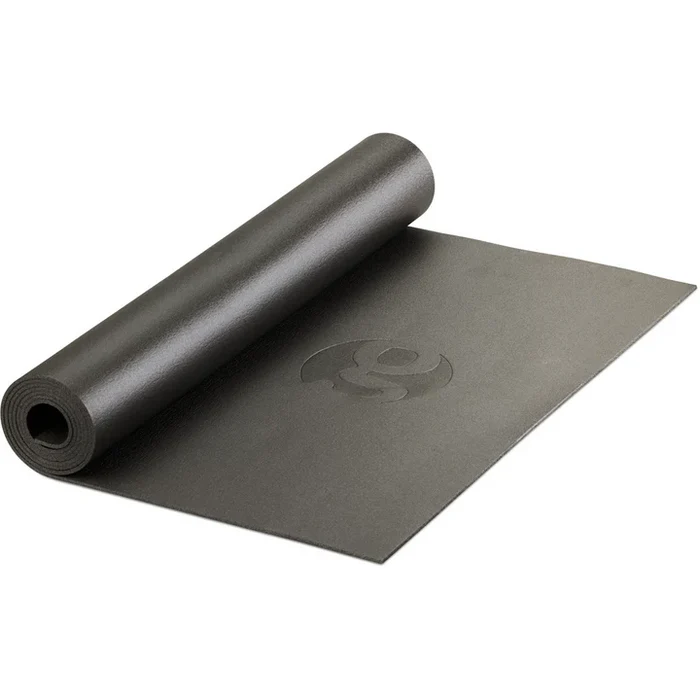
The history of the backpacking sleeping pad is a study in the evolution of materials science. Forty-five years ago, the state-of-the-art was a simple blue, cross-linked polyolefin closed-cell foam (CCF) mat. It was virtually indestructible, weighed roughly 8 ounces, and cost less than $10. While primitive, its failure rate was zero—there were no seams to leak and no valves to clog.
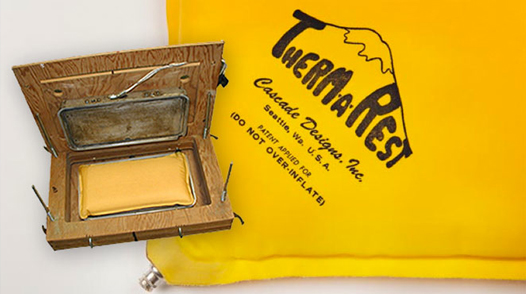
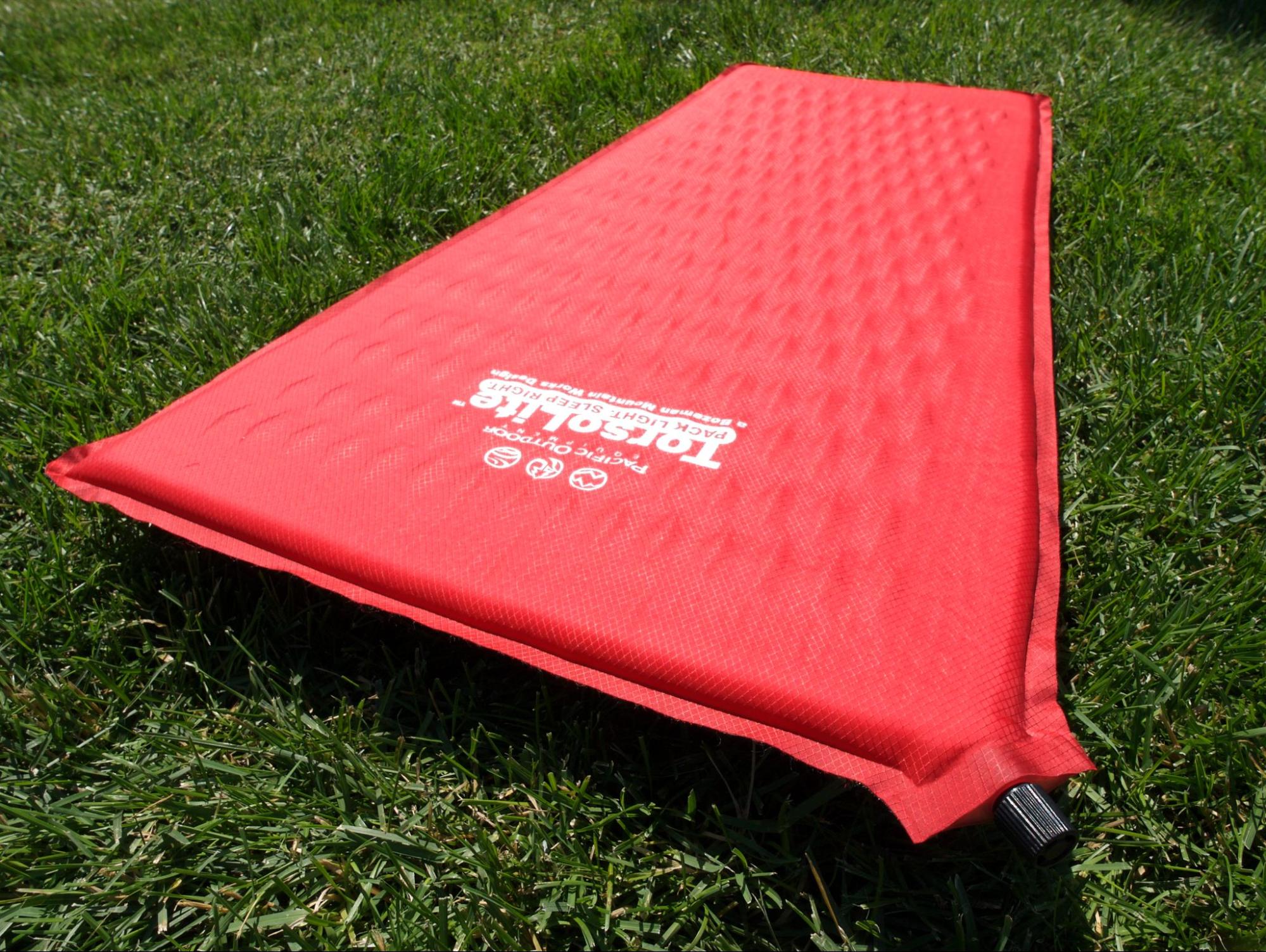
By the 1970s, the "self-inflating" revolution began with the original Therm-a-Rest. By combining open-cell foam with a waterproof fabric shell, manufacturers offered a significant leap in comfort. However, these pads were heavy and prone to seam failure.
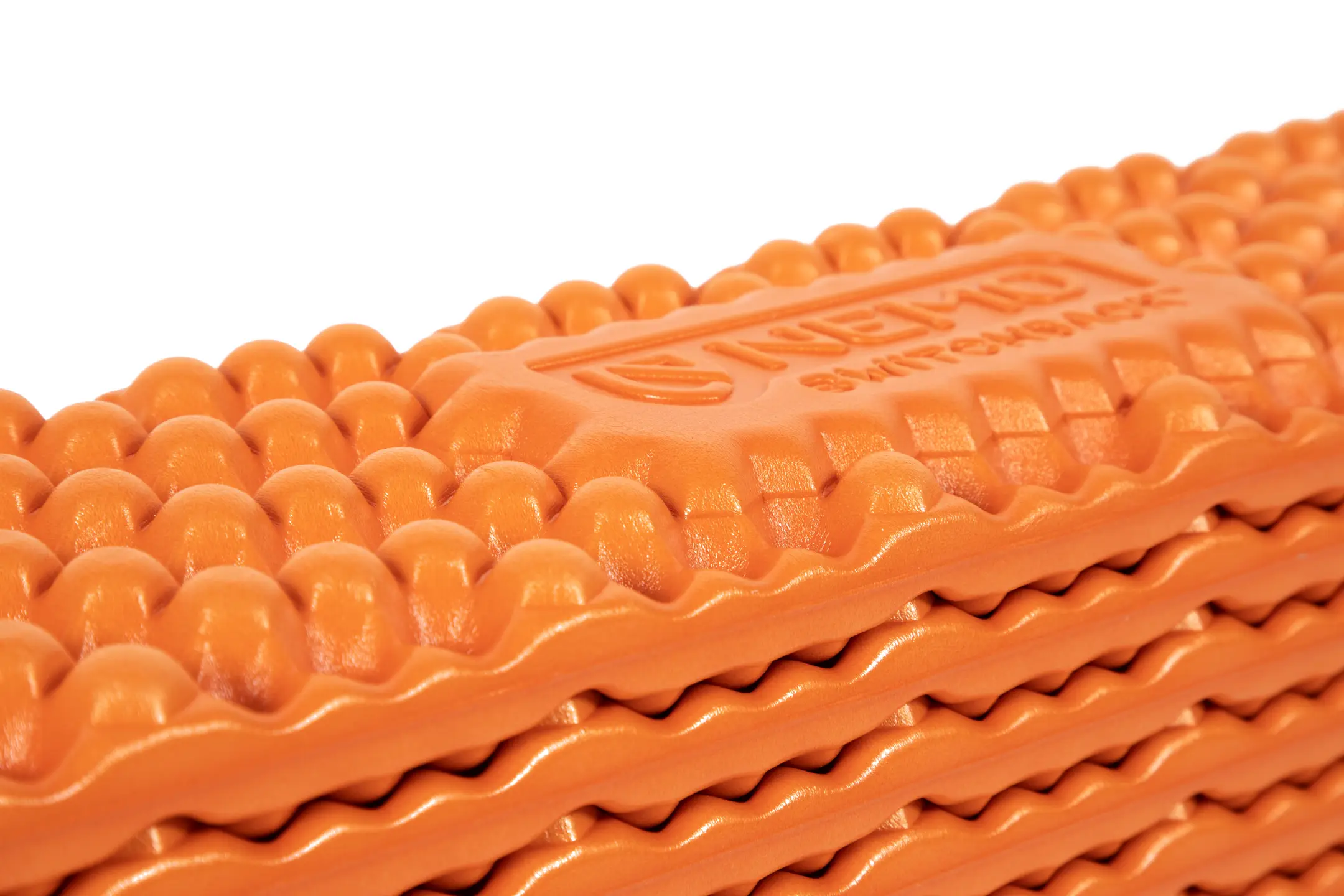
The true paradigm shift occurred in 2009 with the introduction of the Therm-a-Rest NeoAir. By ditching the internal foam and relying on advanced baffling and thermal-reflective materials, manufacturers achieved a quantum leap in the comfort-to-weight ratio. Today, we have moved past the "experimental" phase into a mature market where dozens of brands compete to shave grams while boosting R-values.

Market Analysis: The Data Behind the Performance
This report draws on a comprehensive analysis of over 300 sleeping pads from more than 20 manufacturers across the US and Europe. Our database, updated in May 2026, focuses on the "regular-wide" (RW) sizing standard, which has become the gold standard for long-distance hikers seeking to balance weight with the ability to splay arms and legs for natural sleep positioning.
High-Performance Comparison Table (Regular-Wide Sizing)
| Product | Shape | Thickness | Weight | R-Value | R/Weight Ratio |
|---|---|---|---|---|---|
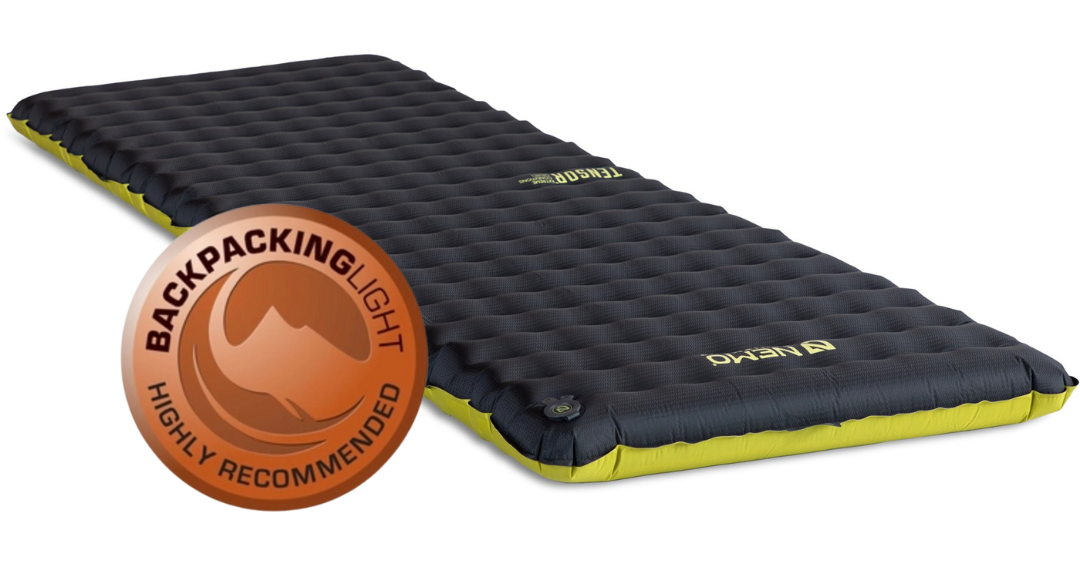
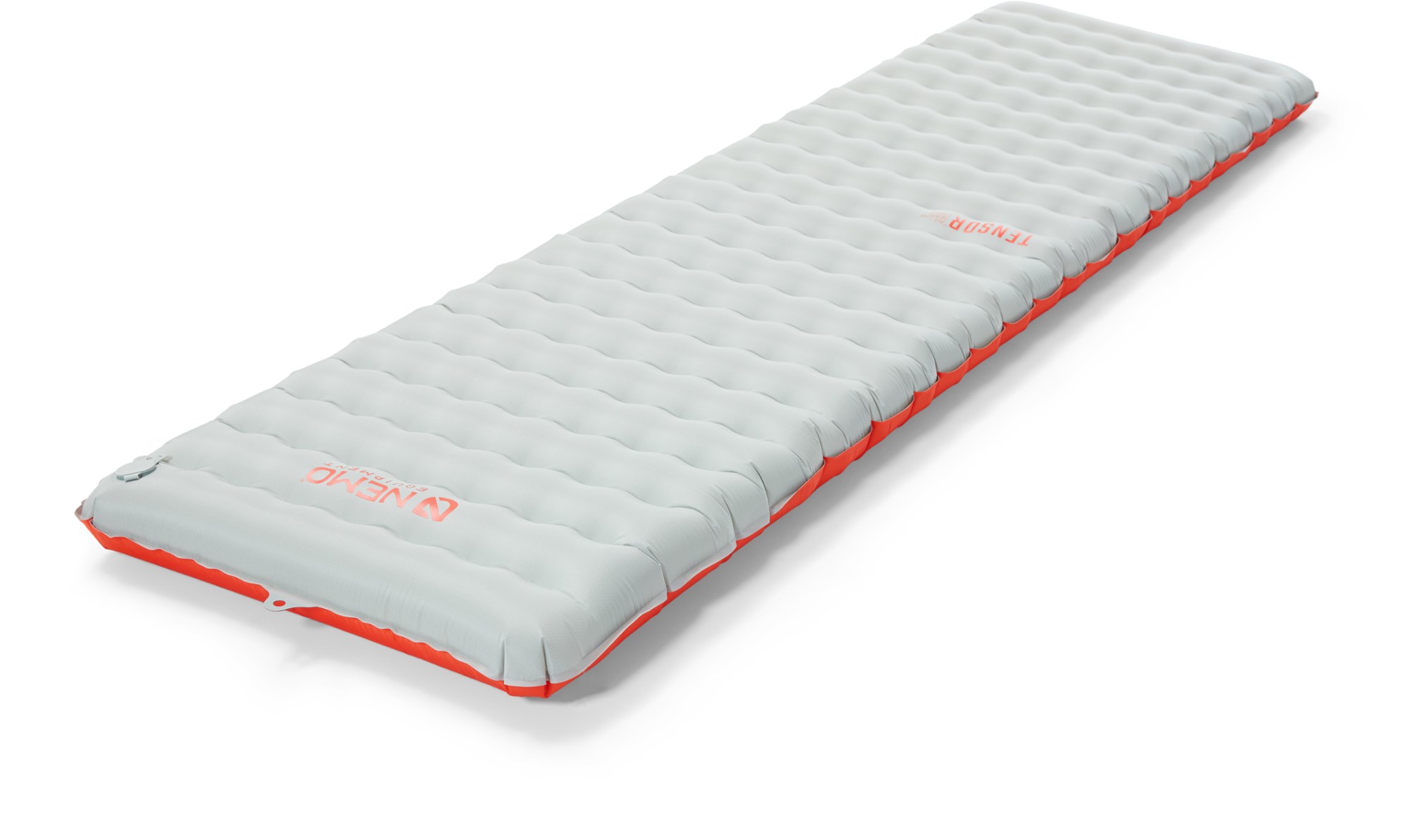
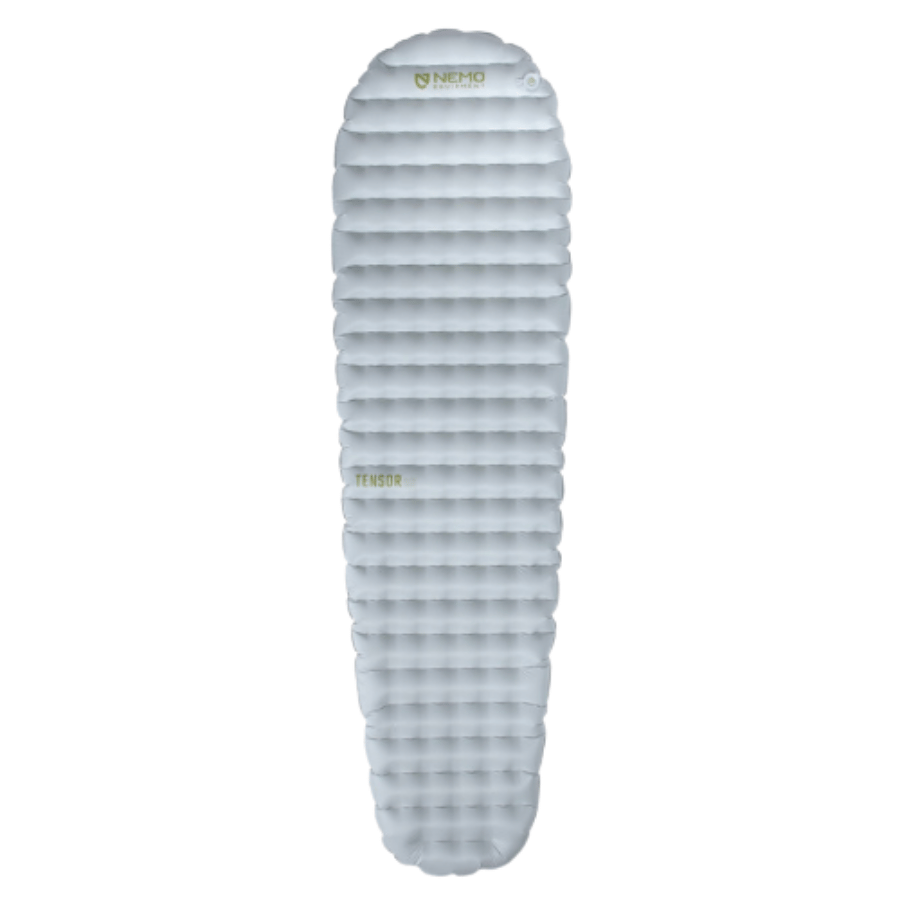
| NEMO Tensor All-Season | Rectangular | 3.5 in | 19 oz | 5.4 | 0.28 |
| NEMO Tensor Extreme | Rectangular | 3.5 in | 22 oz | 8.5 | 0.39 |
| Therm-a-Rest XTherm NXT | Mummy | 3.0 in | 20 oz | 7.3 | 0.37 |
| Rab Ultrasphere 5 | Mummy | 3.5 in | 16 oz | 5.5 | 0.34 |
| Therm-a-Rest XLite NXT | Mummy | 3.0 in | 16 oz | 4.5 | 0.28 |
| Zenbivy Flex Air | Mummy | 3.0 in | 24 oz | 4.8 | 0.20 |
Performance vs. Value
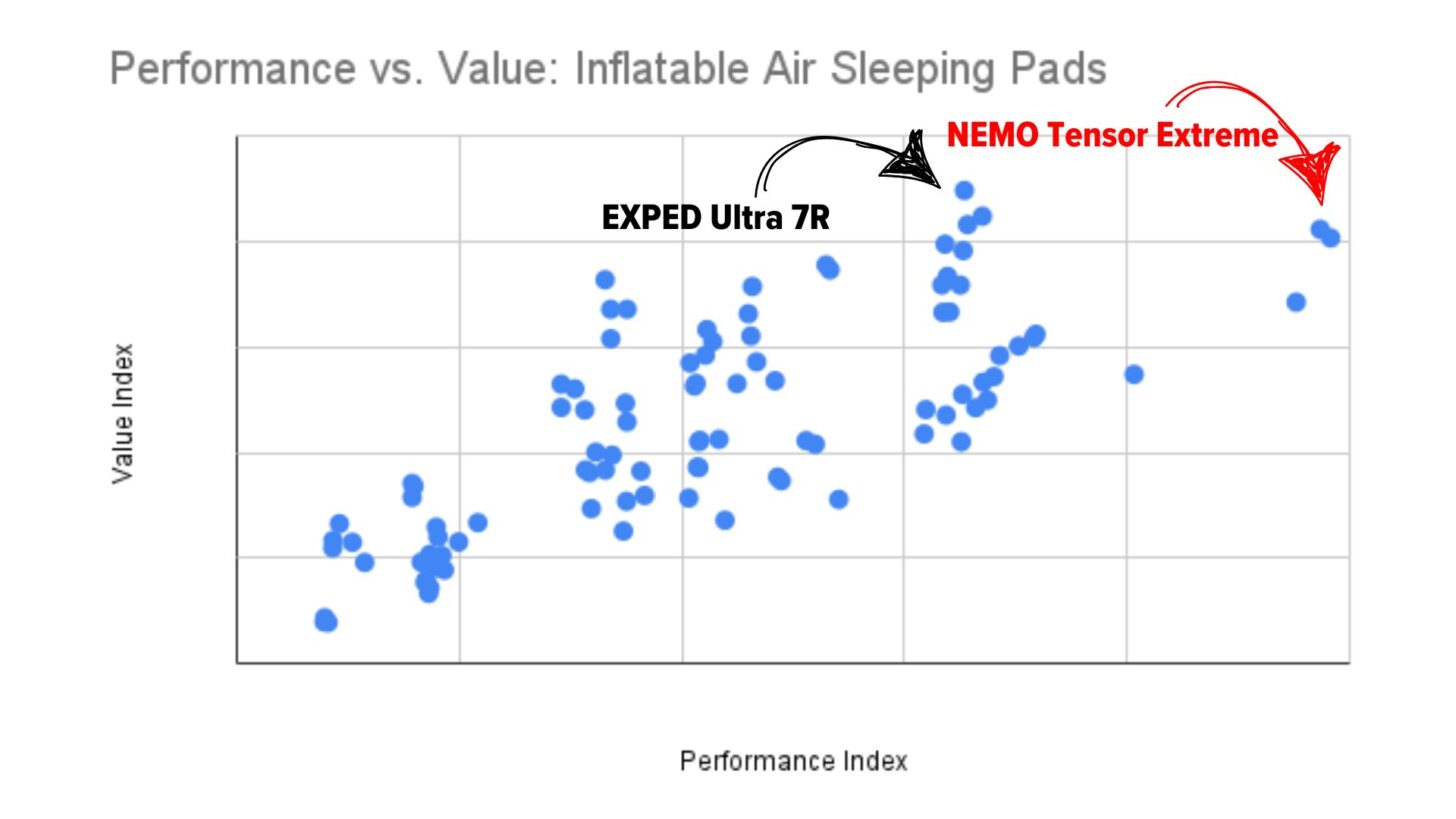
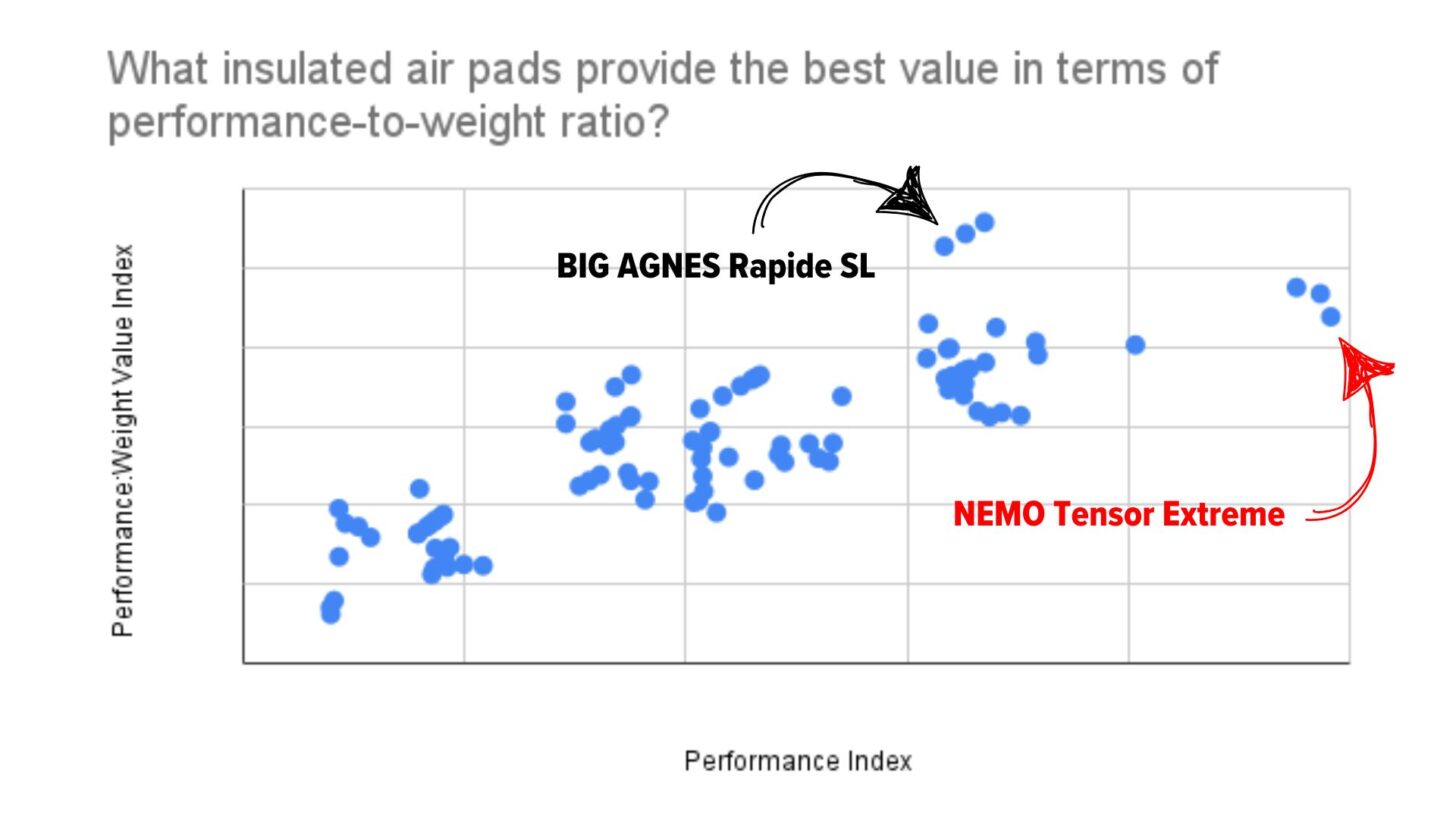
When evaluating raw performance (comfort and warmth per ounce), the NEMO Tensor Extreme series currently leads the market. It offers an unparalleled warmth-to-weight ratio for winter conditions. Conversely, for those prioritizing the most "bang for their buck," the Big Agnes Rapide SL remains the industry leader in the Value Index, providing a highly efficient thermal-to-cost ratio for three-season use.

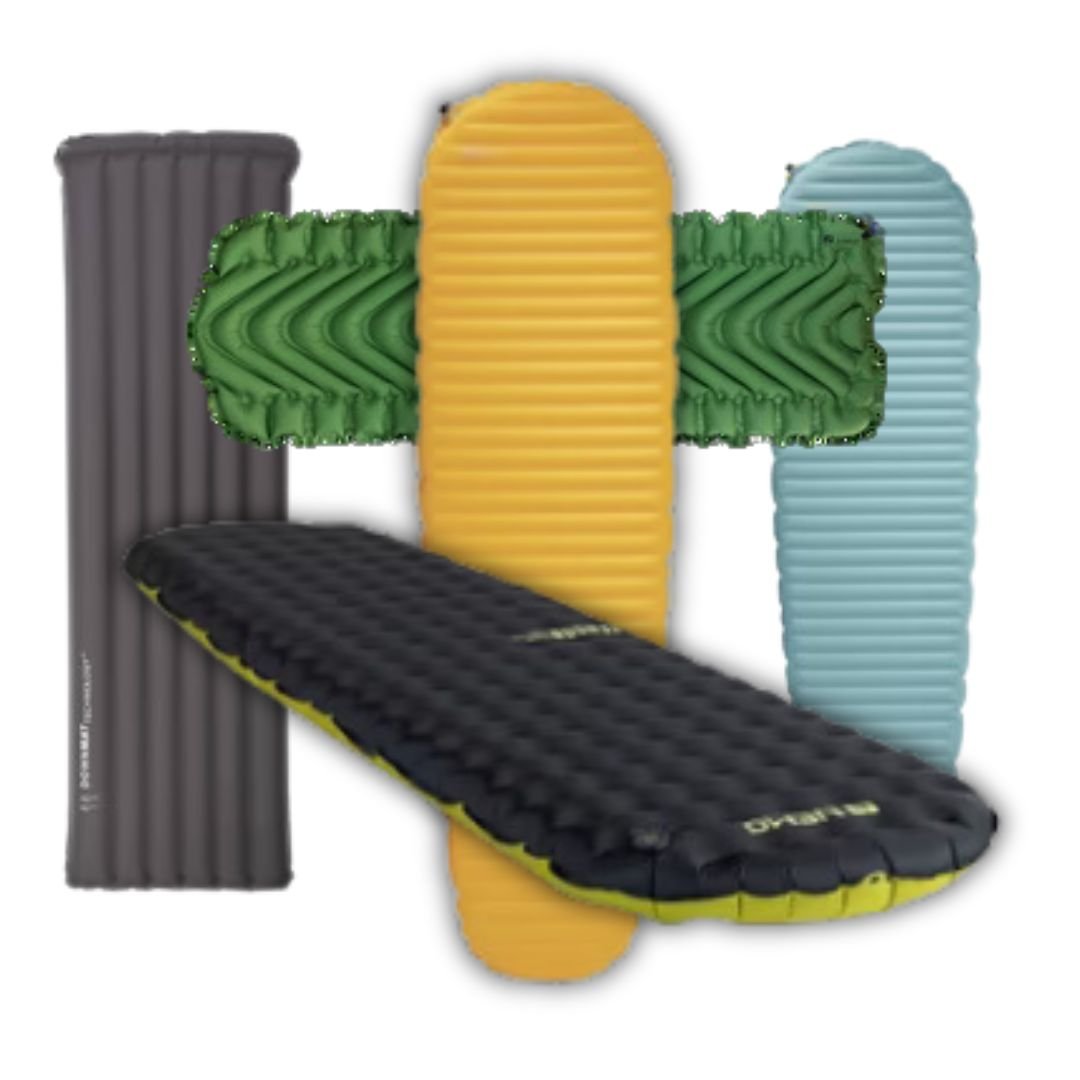
Baffle Architecture: The Foundation of Stability
Stability—the ability of a pad to maintain its geometric integrity under the shifting weight of a sleeper—is the most misunderstood metric in gear reviews. It is dictated by how the internal baffles are constructed.

1. Horizontal Baffles
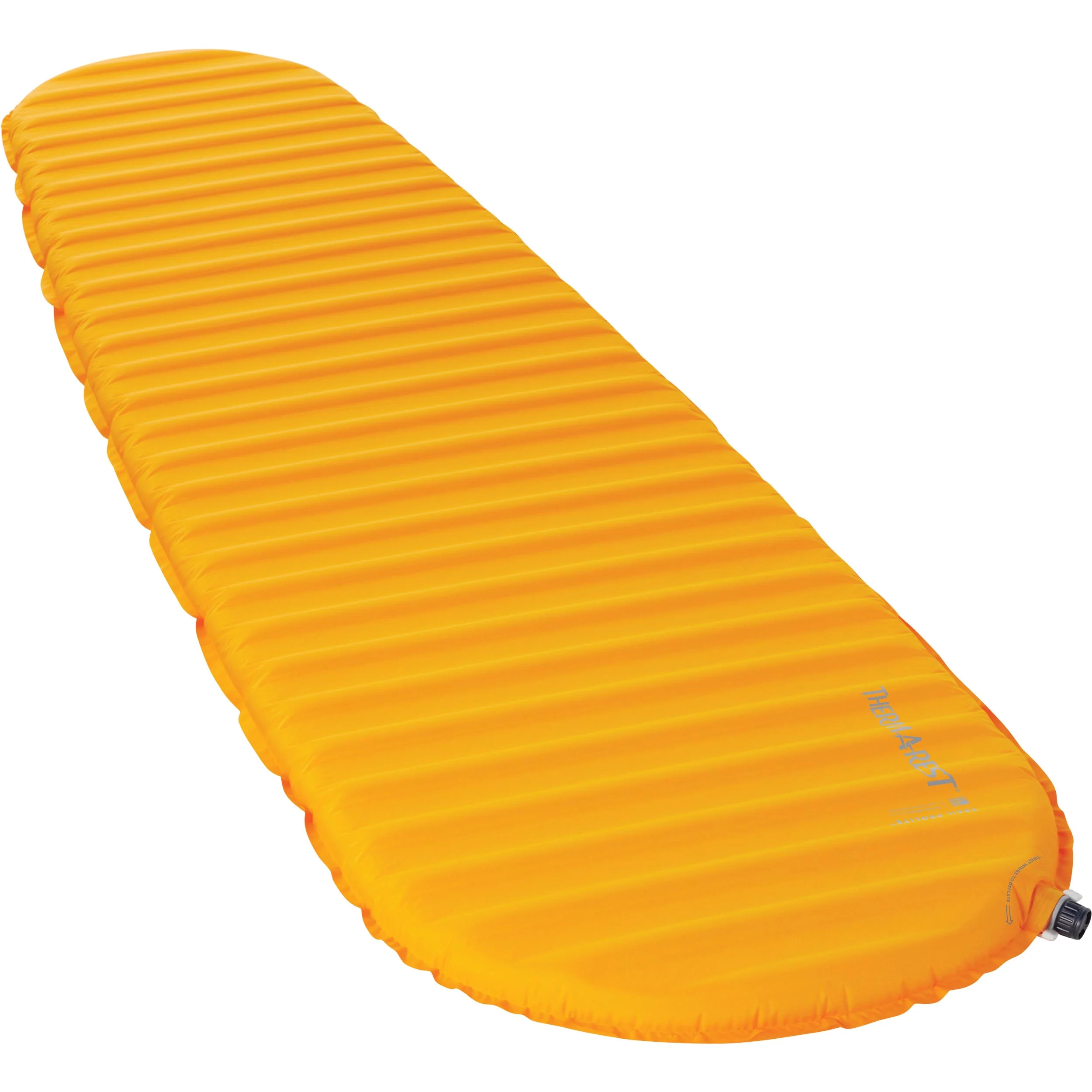
Common in the Therm-a-Rest NeoAir series, these run side-to-side. They provide excellent thermal efficiency but can feel "bouncy" or prone to "roll-off" at the edges if the pad is over-inflated.
2. Vertical Baffles
These run head-to-toe and align with the body’s longitudinal axis. They provide a very consistent feel but can allow air to shift laterally if the sleeper moves suddenly, potentially creating cold spots.
3. Air-Sprung Cells
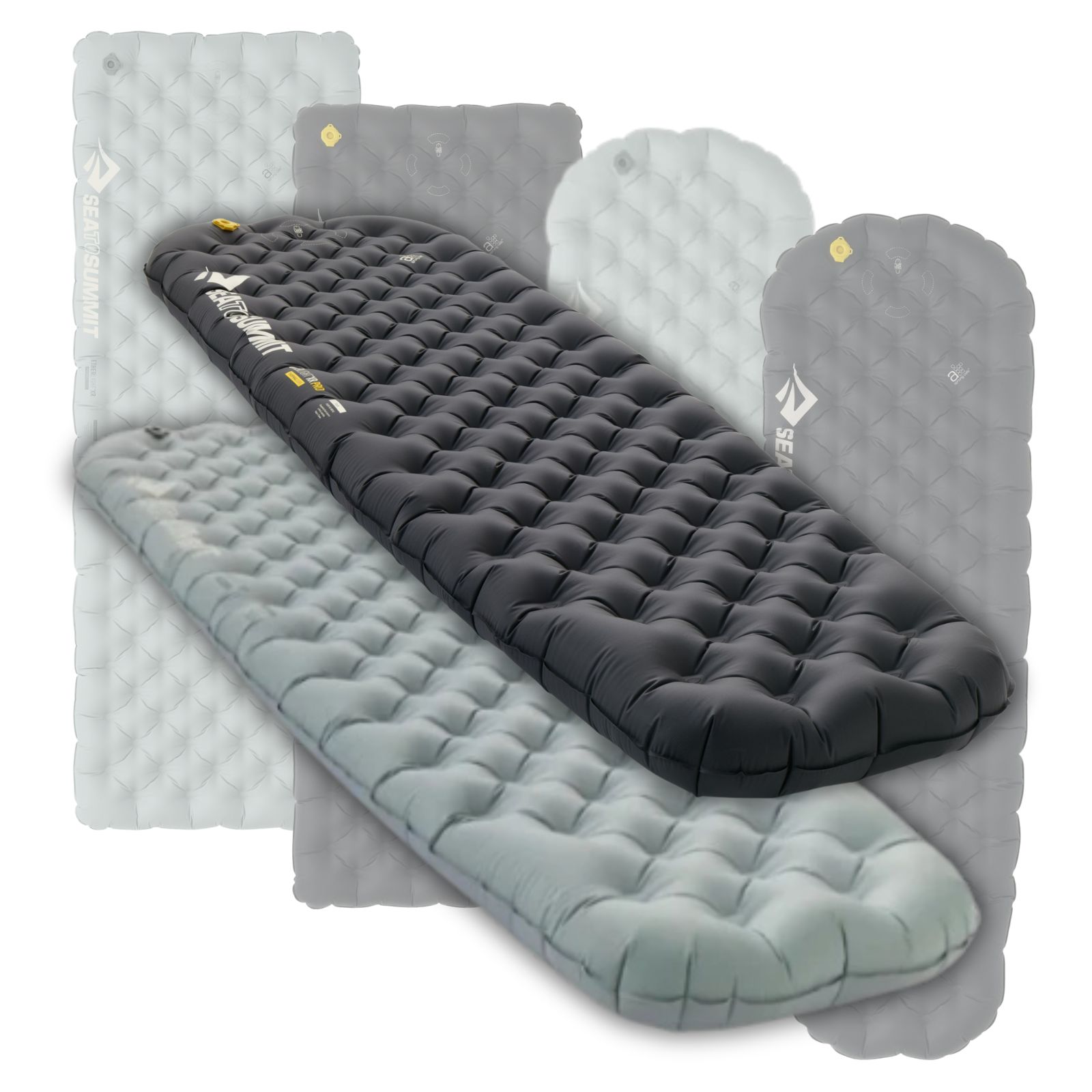
Popularized by Sea to Summit, this "dot-weld" matrix mimics a pocket-sprung mattress. Each cell compresses independently, which is excellent for comfort but can sometimes lead to lower overall R-value due to the high volume of weld points.
4. 3D Welds
Utilized in the latest NEMO designs, these use internal welds to control chamber depth. This allows for zone-specific thickness (e.g., thicker under the hips, thinner under the head), significantly increasing stability without adding weight.
Implications for the Field: Expert Recommendations
For the serious backpacker, the recommendation is clear: choose based on your primary use case.
- For Maximum Warmth-to-Weight: The Therm-a-Rest NeoAir XTherm NXT is the undisputed gold standard. Its TILT (Thermal Imaging Layering Technology) makes it a true four-season tool at a weight that was unthinkable a decade ago.
- For Comfort and Stability: The NEMO Tensor series (Elite, All-Season, and Extreme) offers a quieter, more stable experience than the crinkly fabrics of the NXT line.
- For Budget-Conscious Hikers: The REI Helix Insulated is a high-performing "dark horse." It matches the R-value of many premium pads while offering an impressively stable internal baffle design that outperforms most white-label generic brands.
Appendix: The Two-Minute Field Comfort Protocol
To maximize your gear, follow this field-tested protocol to ensure you aren’t fighting your equipment at 2:00 AM.

1. Control Inflation with Intent
Most hikers over-inflate their pads.
- Back sleepers: Aim for ~70% capacity. You want your shoulder blades to sink slightly into the pad to maintain spinal alignment.
- Side sleepers: Aim for ~90% capacity. This ensures your hip bone does not "bottom out" against the cold ground.
- Temperature correction: Remember that air contracts as it cools. Inflate your pad fully at sunset, then add a few small puffs of air right before you zip up your sleeping bag to account for the inevitable pressure drop as the mercury falls.
2. The Two-Pad System
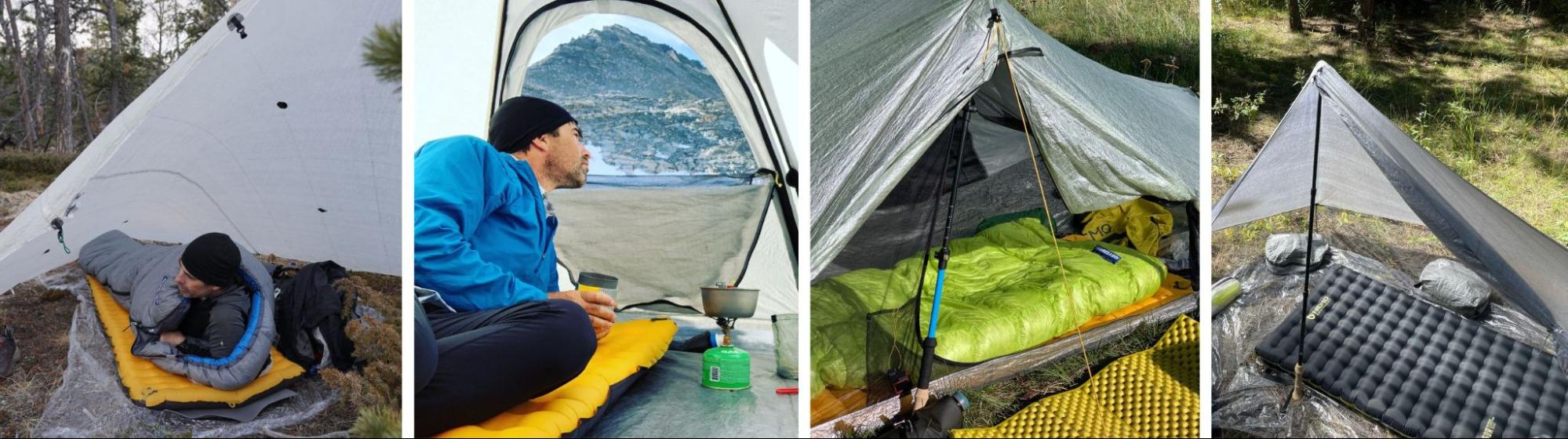
When conditions demand it, don’t rely on one high-R-value pad. Place a closed-cell foam pad (like the Gossamer Gear Thinlight) underneath your inflatable. This creates a puncture-proof barrier that protects your expensive inflatable from sharp rock, while simultaneously boosting your total R-value and providing a backup system should the inflatable fail.
3. Humidity and Friction Management
The "plastic-on-skin" sensation is a major contributor to poor sleep. Using a fitted pad cover or simply ensuring you are wearing base-layer socks and leggings can mitigate the noise and "stickiness" of modern technical fabrics.
4. Pillow Loft Calibration
A common mistake is using a pillow that is too thin. As the pad compresses under your body, your head remains at a different elevation. Match your pillow loft to the thickness of your pad—if you are using a 3.5-inch pad, ensure your pillow provides at least 4 inches of support to keep your cervical spine in a neutral position.
Conclusion: Final Thoughts on Reliability
As we look toward the future, the integration of ultralight power banks (such as the Nitecore NB10000 Gen 3) with micro-inflators like the Flextail Zero Pump has rendered the traditional, bulky pump sack largely obsolete for many. However, the golden rule remains: hardware is only as good as your understanding of it. Whether you are using a $300 high-tech inflatable or a $15 foam mat, the most important component of your sleep system remains your ability to calibrate that system to the environment at hand. By standardizing your inflation technique and understanding your pad’s baffle geometry, you ensure that your sleep is a restorative act rather than a test of endurance.