As a widespread outbreak of Cyclospora cayetanensis—a parasite notorious for inducing debilitating, explosive gastrointestinal distress—continues to sweep across the United States, a parallel, equally volatile conflict has erupted between federal regulators and one of the nation’s largest produce suppliers. Taylor Farms, the California-based agricultural giant, and the Food and Drug Administration (FDA) have engaged in a high-stakes, public battle of technicalities and semantics, leaving public health experts concerned that the confusion may overshadow the urgent task of containing a public health crisis that has already impacted thousands.
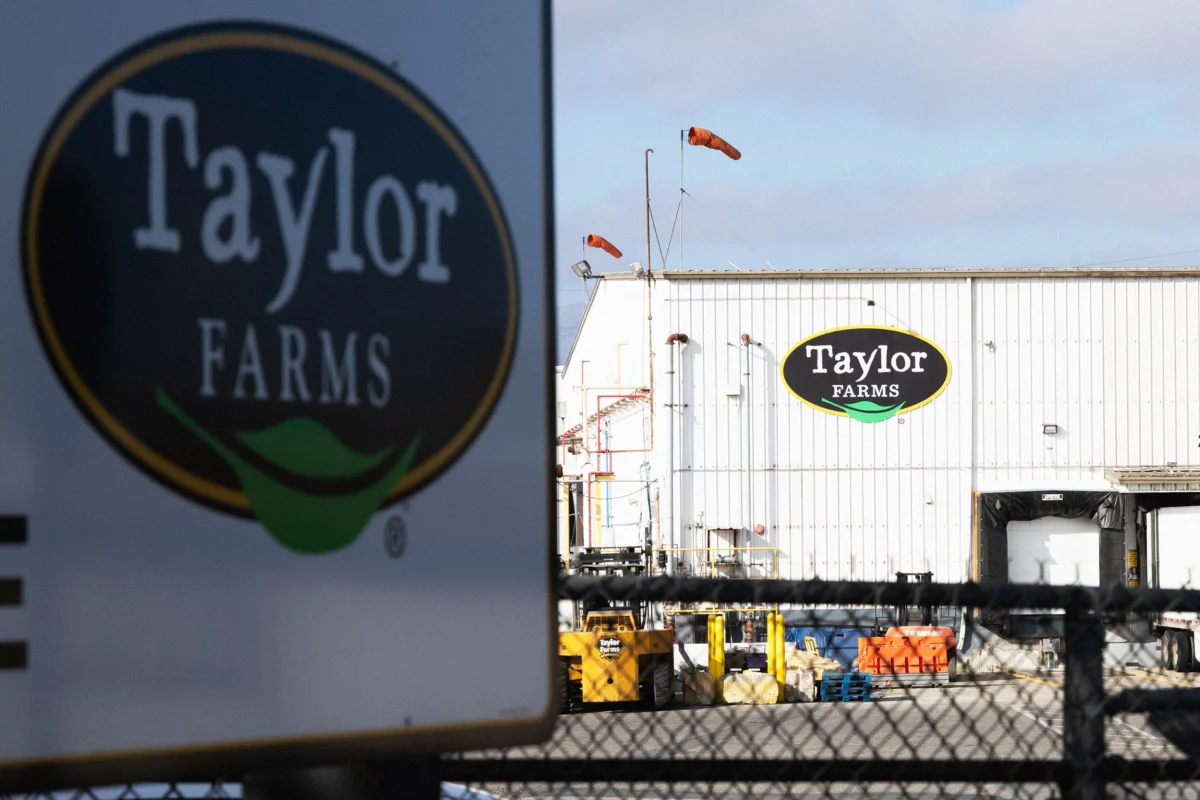
The tension centers on a voluntary recall issued by Taylor Farms for iceberg lettuce sourced from Central Mexico, a move that has now expanded to encompass 27 states and major retail and fast-food chains, including Taco Bell and Walmart. However, the friction between the regulator and the supplier has evolved from a routine food safety action into a strained, passive-aggressive standoff characterized by conflicting narratives, disputed "apologies," and fundamental disagreements over how foodborne illness outbreaks should be identified and managed in the modern era.
The Chronology of a Public Health Dispute
The current impasse is best understood through the rapid sequence of events that unfolded in mid-July, as the FDA and Taylor Farms struggled to communicate a consistent message to a frightened public.
- July 16: In a closed-door meeting that hinted at the brewing conflict, Taylor Farms executives met with White House and FDA officials. During this discussion, the company reportedly aired grievances regarding "shortfalls" in the government’s investigative process, attempting to challenge the evidence linking their product to the Cyclospora infections.
- July 17: Taylor Farms issued a voluntary recall for iceberg lettuce sourced from Central Mexico. The move followed a surge in reported cases of cyclosporiasis across at least five states, with epidemiological evidence pointing toward the company’s supply chain.
- July 18: The FDA publicly announced that it had detected the Cyclospora parasite in a sample of Taylor Farms lettuce that was not included in the original scope of the July 17 recall.
- July 19: In a dramatic pivot, both the company and the FDA acknowledged that the July 18 test result was, in fact, a false positive. Taylor Farms took to X (formerly Twitter), stating, “Today, the FDA apologized to us.”
- July 20: The FDA pushed back on the company’s characterization of events. An agency official clarified to reporters that no "official apology" had been issued. Instead, the agency framed its communication as a "factual update" regarding the inherent difficulties of testing for the parasite, while firmly maintaining that the recall remains necessary based on overwhelming epidemiological data.
The Science of Uncertainty: Why Testing Isn’t Always the Answer
At the heart of the disagreement is a fundamental gap between the public’s expectation of scientific certainty and the reality of foodborne illness investigations. Taylor Farms has pointedly noted that the FDA “has not identified a single positive product test result for Cyclospora” in the context of the current outbreak, implying that the lack of a "smoking gun" lab result renders the recall premature or unfounded.
However, food safety experts argue that this reliance on product testing is a dangerous misunderstanding of how the FDA and the Centers for Disease Control and Prevention (CDC) track outbreaks. Cyclospora is notoriously difficult to isolate in food samples. The parasite is microscopic, often patchy in its distribution, and testing methods are complex and prone to false results.
Consequently, investigators rarely rely on positive product tests to identify an outbreak source. Instead, they utilize robust epidemiological evidence—the gold standard in public health. This involves interviewing hundreds, sometimes thousands, of infected individuals to identify common consumption patterns. When a statistically significant number of victims report eating a specific type of produce from a specific region or supplier, the link is established, regardless of whether a physical sample of the food actually tests positive for the pathogen. By focusing on the absence of a positive lab test, Taylor Farms is effectively challenging a decades-old methodology that the CDC and FDA rely upon to save lives.
Official Responses and the Battle for Credibility
The public dispute over whether the FDA "apologized" to Taylor Farms is more than a mere squabble over protocol; it is a battle for institutional credibility. By claiming an apology, Taylor Farms attempted to signal to investors and consumers that the FDA’s regulatory action was flawed. The FDA, conversely, has been forced to walk a tightrope, attempting to maintain a collaborative relationship with a major supplier while simultaneously protecting its reputation as the final arbiter of food safety.
The agency’s follow-up statement on X was direct: “To clarify, this false-positive lab sample DOES NOT change the basis for FDA’s ongoing outbreak investigation or the overwhelming epidemiological data supporting the current voluntary recall by Taylor Farms.”
This exchange highlights the friction inherent in the FDA’s regulatory role. In a climate where companies are increasingly litigious and defensive regarding recalls, the agency must balance the speed of intervention—necessary to prevent further infections—with the potential for significant economic damage to suppliers. Taylor Farms’ decision to meet with White House officials before the recall suggests a desire to leverage political channels to mitigate the impact of the regulatory action, a tactic that has added a layer of complexity to an already tense investigation.
Implications: A Mounting Public Health Crisis
While the FDA and Taylor Farms trade barbs in press releases and on social media, the human cost of the outbreak continues to climb. Since May, thousands of individuals have been afflicted with cyclosporiasis, a disease characterized by watery, explosive diarrhea, loss of appetite, weight loss, cramping, and severe fatigue. If left untreated, the illness can persist for weeks or even months, with symptoms that often wax and wane.
The scale of the outbreak is likely significantly higher than current official counts. Health officials in Michigan alone have reported 6,148 cases, a staggering number that suggests the national tally is merely the tip of the iceberg. Because many people who experience gastrointestinal illness do not seek medical care or are not tested for Cyclospora specifically, the "hidden" cases could number in the tens of thousands.
The implications of this standoff are far-reaching:
- Consumer Trust: The mixed messaging creates confusion. When a major supplier and a federal regulator disagree on the validity of a recall, consumers may become desensitized or skeptical, potentially leading to lower compliance with future safety notices.
- Regulatory Chilling Effect: If companies feel empowered to pressure the FDA through public relations campaigns and meetings with political officials, it could lead to delays in future recalls. The "passive-aggressive" nature of this conflict may force the FDA to be even more cautious, inadvertently lengthening the time it takes to pull dangerous products from shelves.
- Food Safety Infrastructure: This incident highlights the urgent need for better, faster, and more accurate testing methods for parasites like Cyclospora. Relying on long-term epidemiological studies is effective, but in an era of globalized supply chains, the industry needs tools that can provide definitive answers in hours, not weeks.
- Liability and Accountability: The confrontation suggests that the legal and reputational risks associated with foodborne outbreaks are becoming so severe that companies are increasingly willing to challenge the scientific conclusions of government agencies in the court of public opinion.
Conclusion
As the FDA continues its investigation and Taylor Farms grapples with the fallout, the primary victims remain the consumers who are left to navigate a confusing landscape of recalls. The conflict between the agency and the supplier serves as a stark reminder that food safety is not just a scientific endeavor, but a political and economic one. Until the source of the Cyclospora contamination is definitively contained and communication between stakeholders is restored, the risk to the public persists. The "shitstorm," as it has been characterized, shows no immediate sign of settling, leaving the nation waiting for both a resolution to the medical crisis and a cooling of the regulatory tensions.