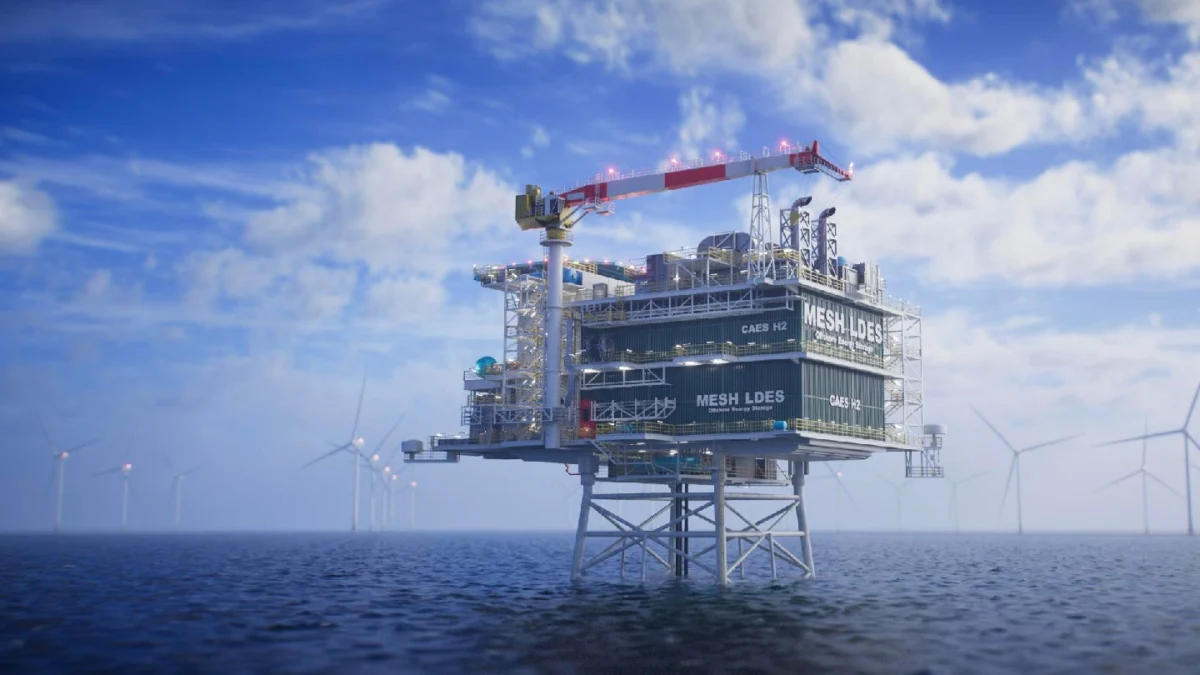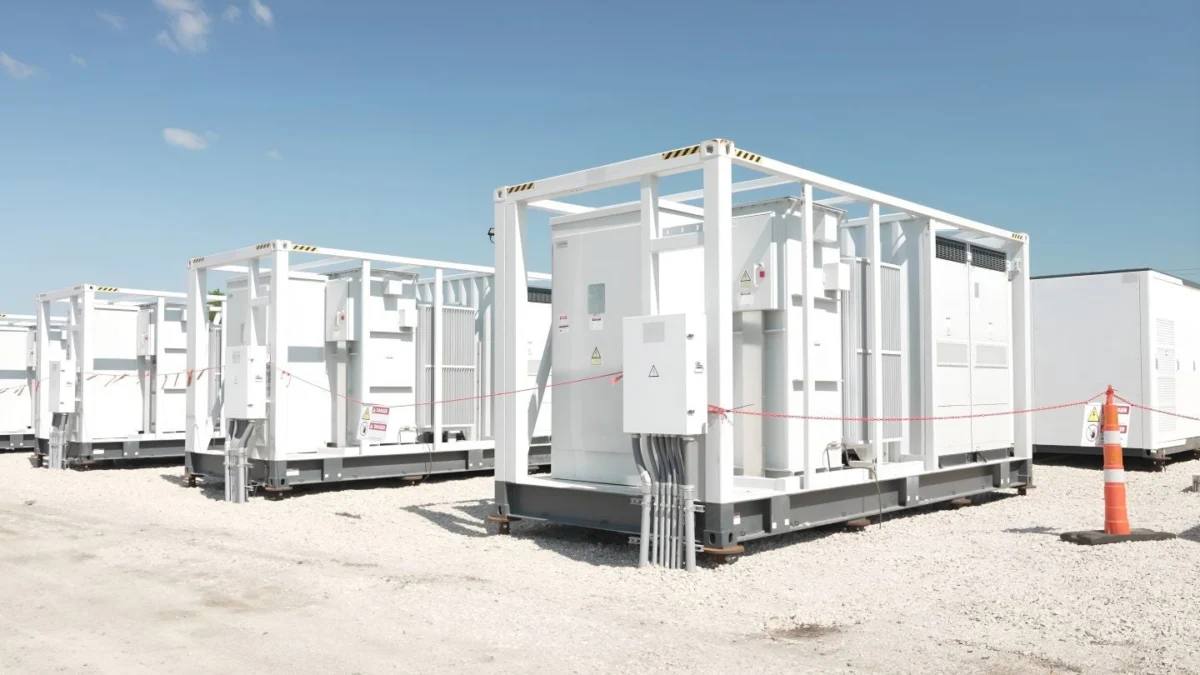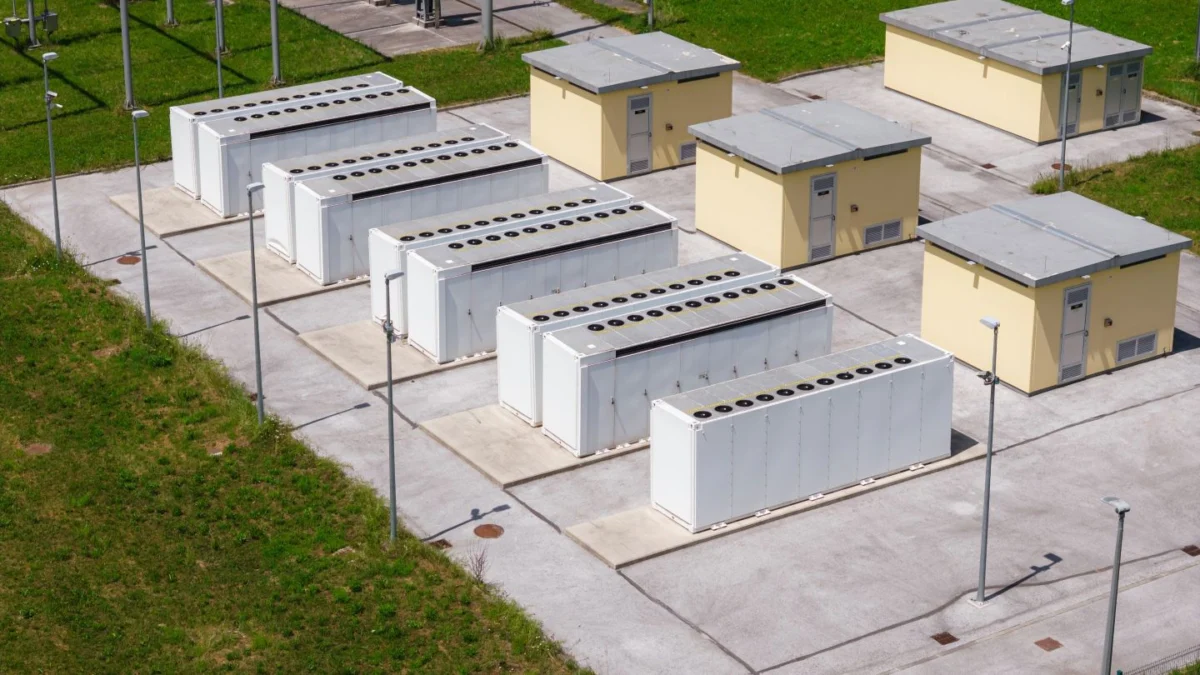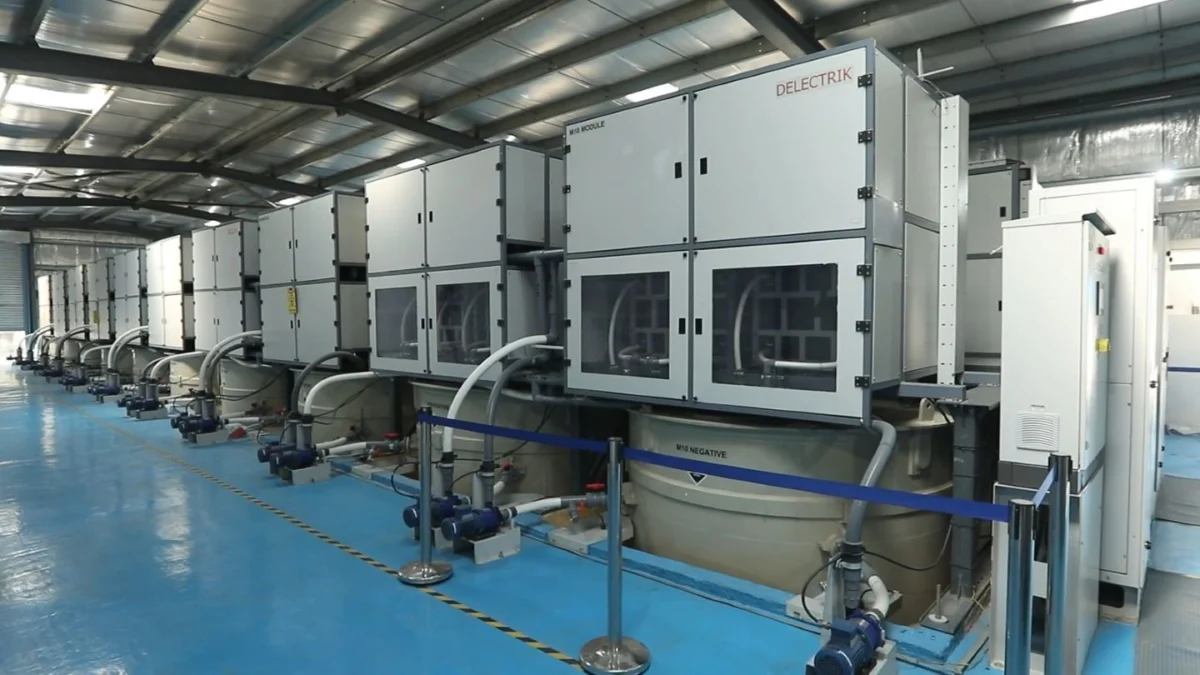
In a landmark development for India’s renewable energy sector, Delectrik Systems—in partnership with Bondada Engineering—has secured a pivotal contract from NTPC Renewable Energy. The mandate: to deploy a massive 100MWh Vanadium Redox Flow Battery (VRFB) at the Khavda Solar Park in Gujarat. This project is not merely a capacity addition; it represents a fundamental shift in India’s approach to grid stabilization, marking the country’s first utility-scale, non-lithium battery energy storage system (BESS) deployment.
The Strategic Significance of the Khavda Installation
The Khavda Solar Park is currently under development as the world’s largest renewable energy hub. With an ambitious target of reaching 30GW of generation capacity by 2029, the site serves as the centerpiece of India’s transition toward a sustainable power grid.
The integration of a 100MWh flow battery at this site is a calculated strategic move by NTPC, India’s largest integrated power utility. With an existing installed capacity exceeding 90GW and a roadmap to hit 149GW by 2032—including 60GW specifically from renewable sources—NTPC requires advanced, long-duration energy storage (LDES) solutions. Unlike traditional lithium-ion batteries, which are optimized for short-duration discharge, VRFB technology is uniquely suited for the multi-hour discharge cycles necessary to smooth out the intermittent nature of solar and wind energy.
Chronology of Technological Evolution
The journey to this 100MWh contract has been characterized by iterative success and rigorous field testing.
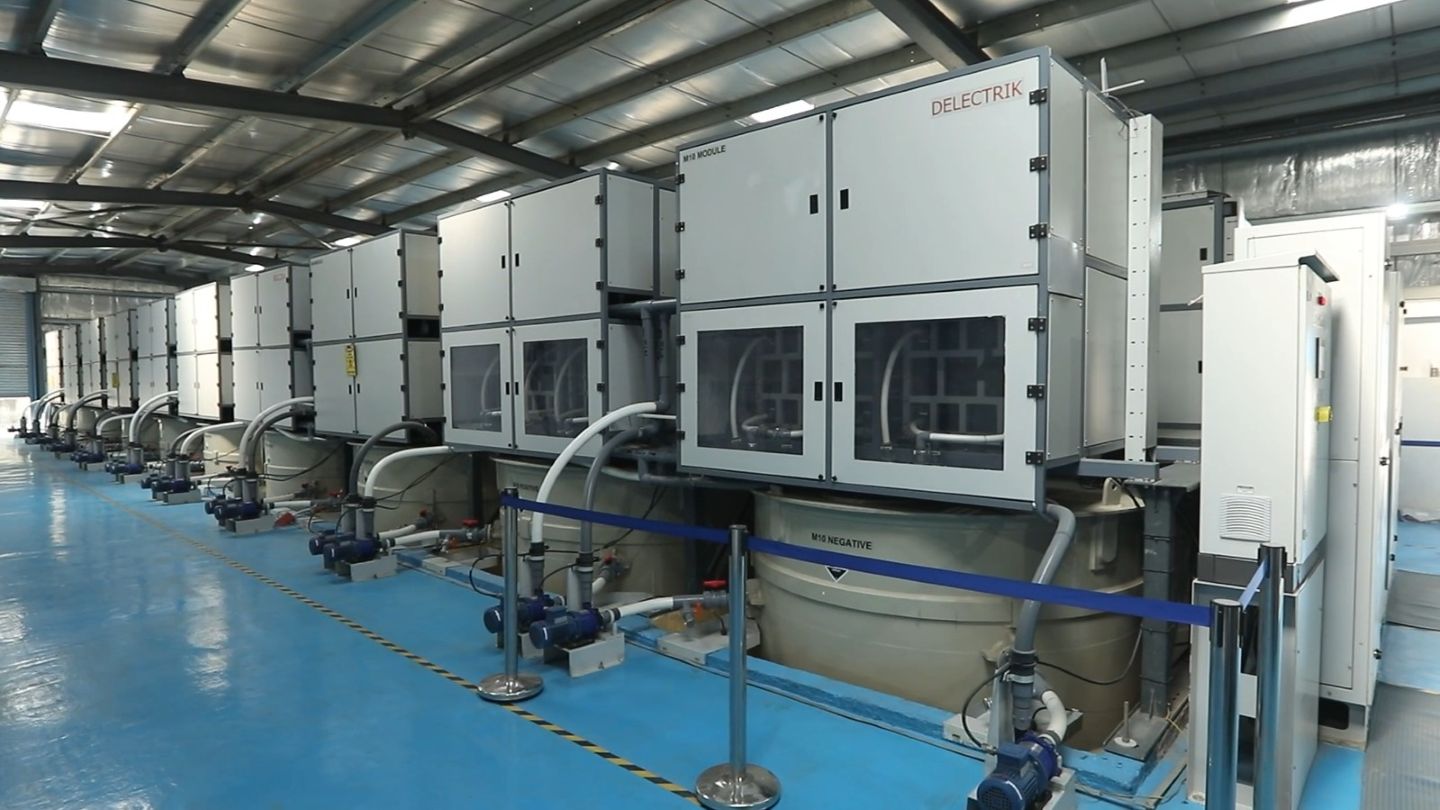
- 2025 – The Proof of Concept: Delectrik Systems successfully commissioned a 3MWh variant of its proprietary flow battery technology at an NTPC facility in Greater Noida. This project served as the technical proving ground, demonstrating the reliability and efficiency of flow batteries in the Indian climate.
- 2026 – Tender and Selection: Following the success of the Greater Noida installation, NTPC Renewable Energy issued a tender for utility-scale storage. Delectrik Systems joined forces with Bondada Engineering, leveraging their combined expertise in battery technology and large-scale infrastructure deployment to win the competitive bidding process.
- 2027 – The Deployment Phase: The upcoming 100MWh project is scheduled for installation in 2027. This phase will see the integration of Delectrik’s non-containerised flow battery architecture into the Khavda power network.
- Post-2027 – The Expansion Horizon: Delectrik has already signaled its intent to scale globally, targeting a GWh-scale order book within the next 12 months across Australia, the ASEAN region, and Africa.
The Case for Vanadium Redox Flow Batteries
As the global energy market grapples with the limitations of lithium-ion technology—specifically safety concerns, supply chain volatility, and degradation over time—flow batteries have emerged as a viable alternative for stationary storage.
Technical Superiority
Delectrik’s non-containerised flow battery technology offers several advantages for utility-scale applications:
- Longevity: VRFBs do not suffer from the same cycle-life degradation as lithium-ion batteries. They can undergo tens of thousands of charge-discharge cycles without significant loss in capacity.
- Safety: The electrolyte used in flow batteries is inherently non-flammable, significantly reducing the risk of thermal runaway, which remains a primary concern for large-scale lithium-ion installations.
- Scalability: Because the power (determined by the stack size) and energy (determined by the electrolyte volume) are decoupled, these systems can be easily scaled to meet specific duration requirements, ranging from four to twelve hours or more.
- Sustainability: The vanadium electrolyte can be recycled indefinitely, aligning with circular economy principles and reducing dependence on rare-earth mineral extraction.
Official Perspectives: A Vision for Indigenous Innovation
Vishal Mittal, founder and CEO of Delectrik Systems, views this contract as a watershed moment for Indian industrial capability.
"The first utility-scale Flow Battery project is a milestone not just for the company but for the country as a whole," Mittal stated. "This will be the first non-lithium utility-scale BESS project to be deployed in India. Furthermore, it is the first project of this scale to be 100% designed, engineered, and manufactured in India."
Mittal’s vision extends beyond the current project. By establishing two wholly-owned subsidiaries—Delectrik Resources Pvt Ltd (DRPL) and Delectrik Esaas Pvt Ltd (DEPL)—the company is vertically integrating its supply chain. This move is designed to secure raw materials and provide "Energy Storage as a Service" (ESaaS) models, which will lower the barrier to entry for industrial clients looking to adopt long-duration storage.
Implications for the Indian Power Grid
The transition to a 149GW portfolio for NTPC is contingent upon solving the "intermittency problem." Renewable energy production is often decoupled from peak demand hours. By deploying 100MWh of flow battery capacity at Khavda, NTPC is establishing a blueprint for grid-scale firming.
1. Grid Stability and Ancillary Services
The ability of flow batteries to provide rapid response, frequency regulation, and load shifting will be critical. As the Khavda Solar Park grows, the grid will face increased stress from voltage fluctuations. The 100MWh system will act as a buffer, absorbing excess energy during peak sunlight hours and injecting it back into the grid during evening demand peaks.
2. Boosting Domestic Manufacturing
The "Make in India" aspect of this project is significant. By proving that high-tech energy storage components can be produced locally at a utility scale, the project is expected to catalyze a domestic ecosystem for battery materials and power electronics. This reduces India’s reliance on imports, particularly from China, which currently dominates the global lithium-ion battery supply chain.
3. Economic Viability
The cost-effectiveness of flow batteries over long durations is superior to lithium-ion. While the initial capital expenditure (CAPEX) for flow batteries can be higher, the lower operational expenditure (OPEX) and extended lifespan result in a more favorable Levelized Cost of Storage (LCOS). This makes the technology an attractive proposition for long-term infrastructure investment.
Challenges and Future Outlook
While the deployment at Khavda is a major victory, it is not without challenges. The primary obstacle remains the cost of vanadium and the maturity of the supply chain for electrolytes. However, with the establishment of subsidiaries focused on resource acquisition, Delectrik is positioning itself to mitigate these risks.
Furthermore, regulatory frameworks regarding battery storage in India are still evolving. The success of this project will likely inform future government policies regarding energy storage mandates and incentives, potentially leading to a broader rollout of long-duration storage across India’s various renewable energy zones.
Conclusion
The 100MWh Vanadium Redox Flow Battery project at Khavda Solar Park is a testament to the maturation of India’s clean energy sector. By moving beyond traditional battery chemistries and embracing long-duration, safe, and domestically manufactured solutions, NTPC and Delectrik Systems are setting a new standard for the global energy transition.
As the project moves toward its 2027 commissioning date, the global energy community will be watching closely. If successful, this deployment could serve as the catalyst for a massive expansion of flow battery technology, proving that indigenous innovation is capable of solving the most pressing challenges of the modern grid. Through vertical integration, technological foresight, and strategic partnerships, India is not just adopting renewable energy; it is building the infrastructure necessary to master it.