For generations, the "Accursed Mountains"—the Prokletije range—served as a formidable, myth-shrouded barrier between the nations of the Balkan Peninsula. For hikers of a superstitious bent, the name alone was enough to evoke trepidation. Up until the turn of the millennium, this rugged, limestone-heavy landscape was effectively a no-go zone, defined by geopolitical instability and isolation.

However, in the last two decades, the Balkans have undergone a profound transformation. What was once a frontier of conflict has evolved into a premier destination for long-distance hikers, backpackers, and seekers of untamed wilderness. At the heart of this rebirth lies the "Peaks of the Balkans Trail," a 192-kilometer (119-mile) circuit that weaves through the borderlands of Albania, Kosovo, and Montenegro.

Main Facts: The Anatomy of a Modern Trek
The Peaks of the Balkans Trail is not merely a path; it is a collaborative triumph of regional cooperation. Established in 2012 through the joint efforts of the German development corporation GIZ and various local and national action groups, the trail was designed to revitalize the socio-economic status of remote mountain communities.

- Distance: 192 km (119 mi) loop.
- Total Elevation: 12,020 meters (39,436 feet) of cumulative gain and loss.
- Difficulty: Moderate, requiring decent fitness but accessible to most experienced hikers.
- Duration: Typically completed in 10 days, though robust hikers may finish in six to seven, while those seeking a leisurely pace with side excursions may take up to 13 days.
- Access: The loop is circular, with the most popular gateways being Theth (Albania), Pejë (Kosovo), and Plav (Montenegro).
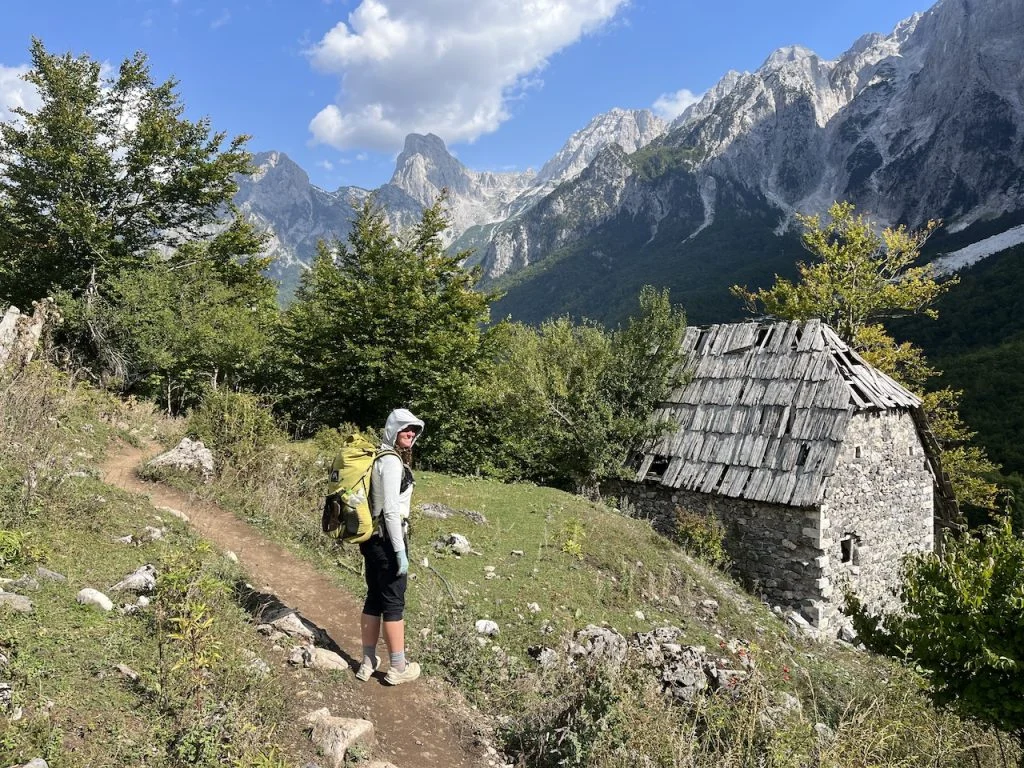
The route links traditional mountain villages via ancient shepherd’s paths, unpaved forestry roads, and high-altitude mountain passes. It offers a rare glimpse into a European region where traditional mountain culture remains largely intact, far removed from the modernization of the continent’s more popular Alpine destinations.

The Chronology of the Trail
The trail’s development represents a significant departure from the region’s 20th-century history. For much of the Cold War, the Albanian border was locked down under the regime of dictator Enver Hoxha, leaving the mountains as isolated military zones. The scars of this era—abandoned guard towers and over 100,000 concrete pillboxes—still dot the landscape, serving as somber, silent reminders of a "war-torn past" that now sits in stark juxtaposition to the serenity of the alpine meadows.

The project to formalize the route began in earnest in the late 2000s, with a vision to foster cross-border unity and sustainable eco-tourism. Since its inception in 2012, the trail has become a catalyst for development, allowing local inhabitants to convert ancestral homes into guesthouses, providing a sustainable income that stems the tide of rural depopulation.

Supporting Data: Navigating the Route and Conditions
A successful traverse of the Peaks of the Balkans requires careful planning regarding seasonality and logistics. The ideal window for trekking is from mid-June to early October. Before June, snow often lingers on high-altitude passes, and after mid-October, the temperatures drop significantly, and mountain guesthouses may begin to close for the winter.

Strategic Considerations:
- The Kosovo Cut-Offs: Some hikers choose to bypass specific sections of the Kosovo segment to shorten the trek by 20–30%. These options typically involve exiting the trail near the summit of Tromedja Peak or the village of Milishevc to rejoin the main route later, avoiding stretches that follow paved roads.
- The Prosllopit Pass: While the "official" route offers a lowland option via the Ceremi River, seasoned hikers prioritize the ascent over Prosllopit Pass. It is widely regarded as one of the most breathtaking sections of the entire circuit.
- Logistics: The trail is modular. Hikers can tackle it independently, carrying their own gear, or opt for an organized group tour. The infrastructure—ranging from family-run guesthouses offering hearty, home-cooked meals to basic campsites—is well-established.
Official Perspectives: Cultural Preservation and Economic Sustainability
The success of the trail has been lauded by international observers and local governments alike. By encouraging hikers to move through the borderlands, the trail has effectively normalized cross-border movement in a region where such activity was once highly restricted.

Local authorities emphasize that the project is not just about tourism; it is about conservation. The Peaks of the Balkans initiative aims to protect the region’s unique flora and fauna—which includes rare species of wildflowers and wildlife like the Balkan lynx—by giving local communities a vested interest in the health of their natural surroundings. The income generated by the "guesthouse economy" provides a viable alternative to logging or mining, ensuring that the wild character of the mountains is preserved for future generations.

Personal Accounts: The Reality on the Trail
For those who have walked the path, the appeal lies in the human connection. A trek through these mountains is as much about the culture as it is the terrain.

In a recent expedition, the "Lock-in" Tower (Kulla) in Theth provided a profound look at the region’s history. This 400-year-old stone structure was once a sanctuary for those caught in gjakmarrja (blood feuds). These spartan, fortified buildings reflect a social history of honor and retribution that, while largely a thing of the past, remains etched into the architecture of the valley.

The food, too, is a highlight. Hikers often speak of "second breakfasts" at local guesthouses, consisting of Byrek—a savory pastry made with spinach and feta layered in phyllo dough—accompanied by fresh garden salads and creamy, locally churned dairy. As one hiker noted after an ascent of the 2,366-meter Tromedja Peak: "The views you have to work for often resonate the most. Putting forth extra effort makes the reward just that little bit sweeter."

Implications: The Future of Balkan Trekking
The emergence of the Peaks of the Balkans Trail signals a broader trend in European adventure tourism: the shift toward "hidden" destinations that offer authenticity over luxury. However, this growth brings with it the responsibility of sustainable management.
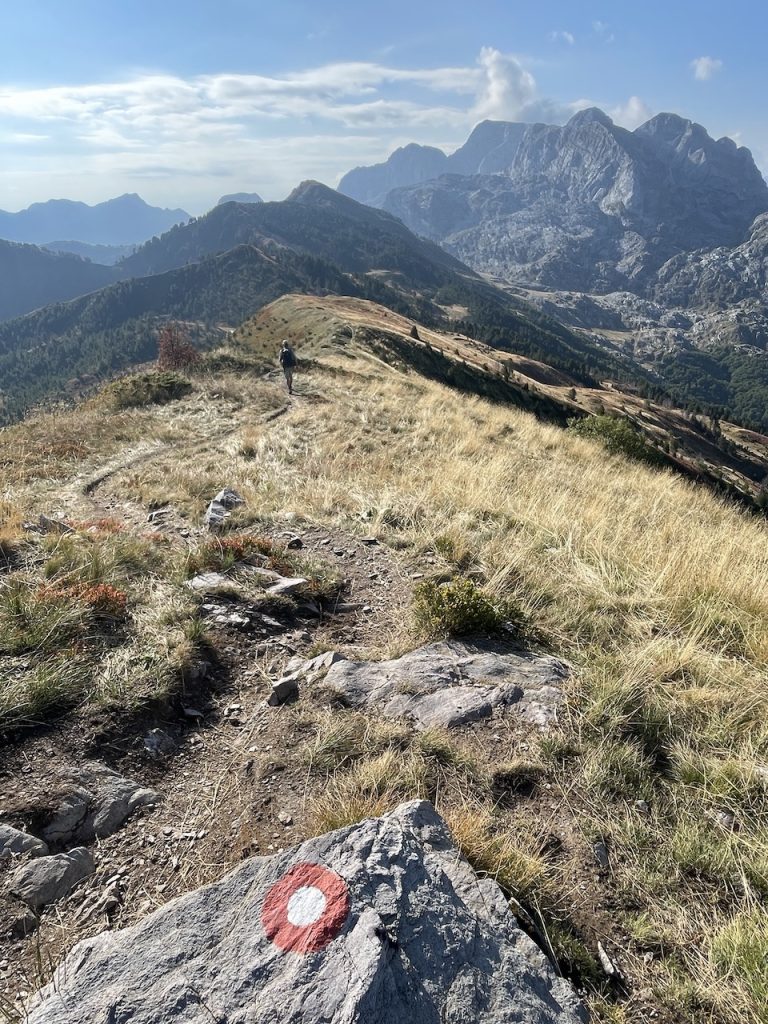
As the trail gains international recognition—highlighted by its inclusion in works such as Wanderlust Mediterranean—the challenge for the next decade will be to maintain the balance between accessibility and preservation. Over-tourism remains a distant threat compared to the benefits of economic revitalization, but the local communities are increasingly aware of the need to protect the very landscapes that draw visitors to their doors.

For the modern traveler, the Accursed Mountains are no longer a place of fear, but a place of profound discovery. Whether one is scrambling up a steep pass in the pre-dawn darkness or sharing a meal in a village guesthouse, the trail offers a rare opportunity to engage with a landscape that is as resilient and welcoming as it is wild.

The Balkans have opened their doors. For those willing to lace up their boots and navigate the rugged beauty of this cross-border masterpiece, the rewards are, quite simply, unparalleled.

Note: This article features information on the Peaks of the Balkans Trail, which is also documented in the latest publication, "Wanderlust Mediterranean" by Gestalten. Readers are encouraged to verify current trail conditions and border crossing requirements before embarking on their journey.