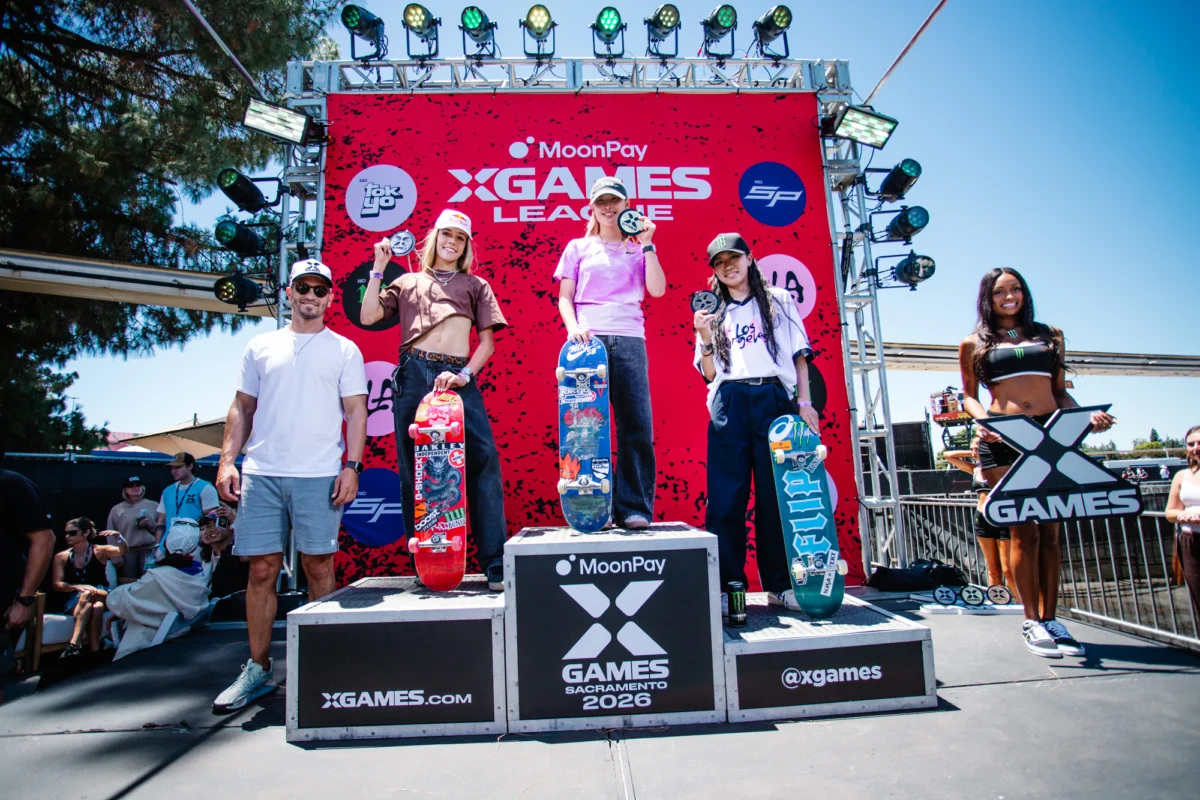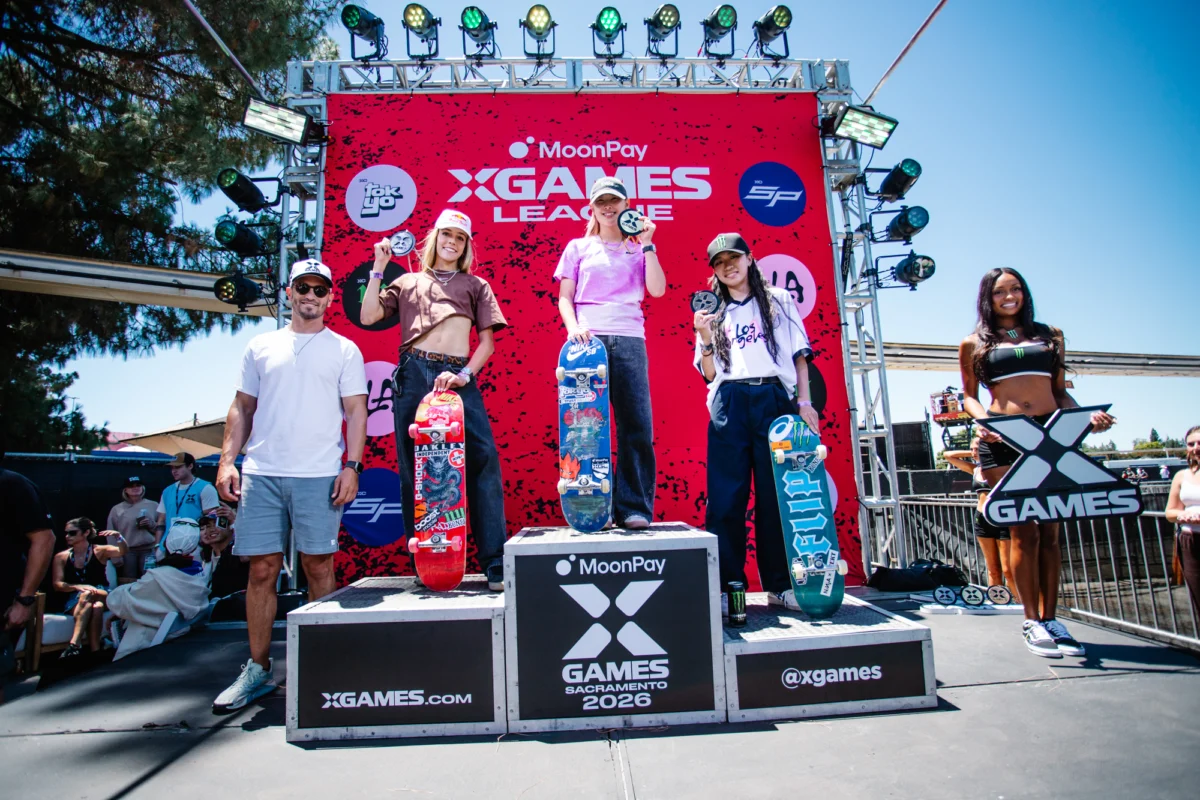
The inaugural MoonPay X Games Sacramento 2026 has officially etched itself into the history books, marking the dawn of a revolutionary chapter in action sports. Over three high-octane days at Cal Expo, nearly 100 of the world’s most elite athletes from 17 different countries converged to define the future of the discipline. With the debut of the "X Games Clubs"—a team-based framework featuring squads from Los Angeles, New York, São Paulo, and Tokyo—the event transformed individual pursuit into a strategic, high-stakes battle for organizational supremacy.
As the dust settled on Sunday, the final day of competition saw eight champions crowned across BMX and Skateboard disciplines. The event proved that Sacramento is more than just a host city; it is a proving ground for a new generation of athletes who are pushing the boundaries of physics and technical capability.
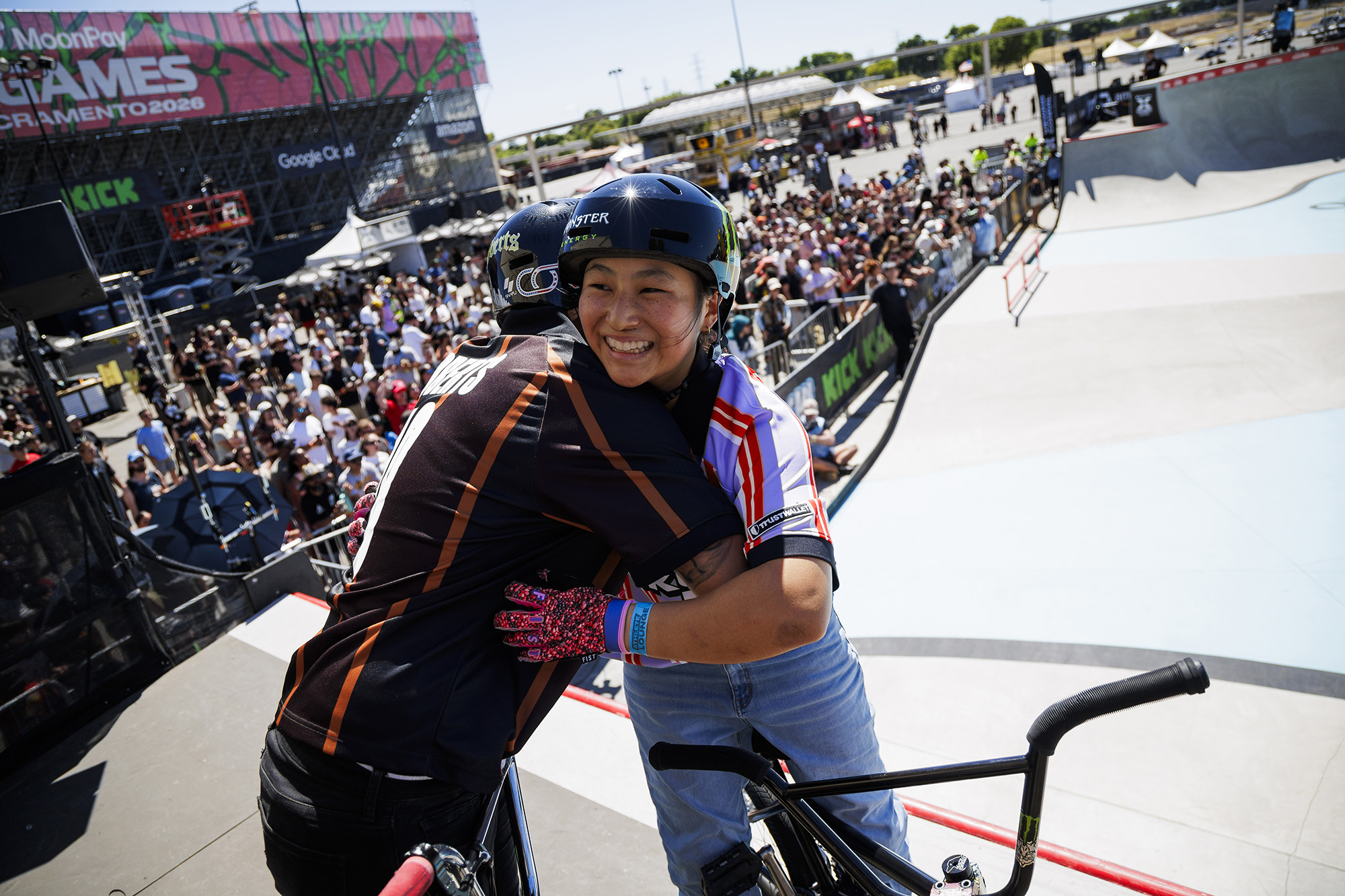
Chronology of a Historic Sunday
The final day was a marathon of progression. From the opening heat of the Women’s Skateboard Street to the heart-stopping finale in Women’s Skateboard Vert, the energy at Cal Expo never wavered.
The Teen Takeover: Women’s Skateboard Street
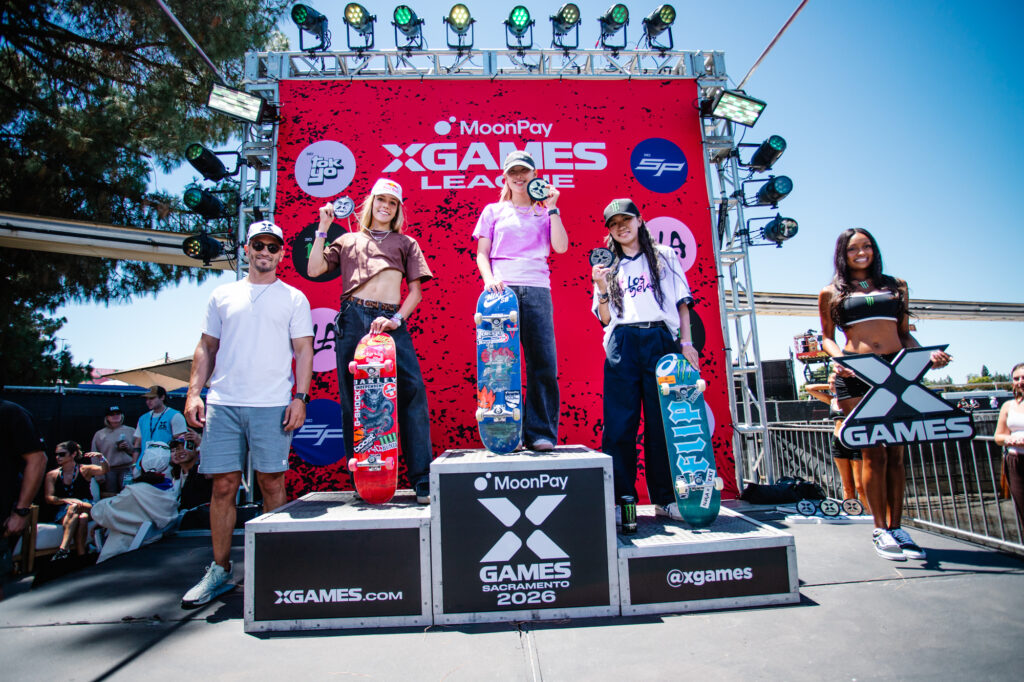
The day kicked off with a field of elite women, ranging from 14 to 28 years old. It was a masterclass in technical precision by 19-year-old Miyu Ito (XC Tokyo). Ito’s gold-medal run was a clinic in board control, featuring a frontside boardslide on the handrail, a blunt stall 180 out on the quarterpipe, and a massive kickflip up the step-up. The victory secured her fifth career X Games medal.
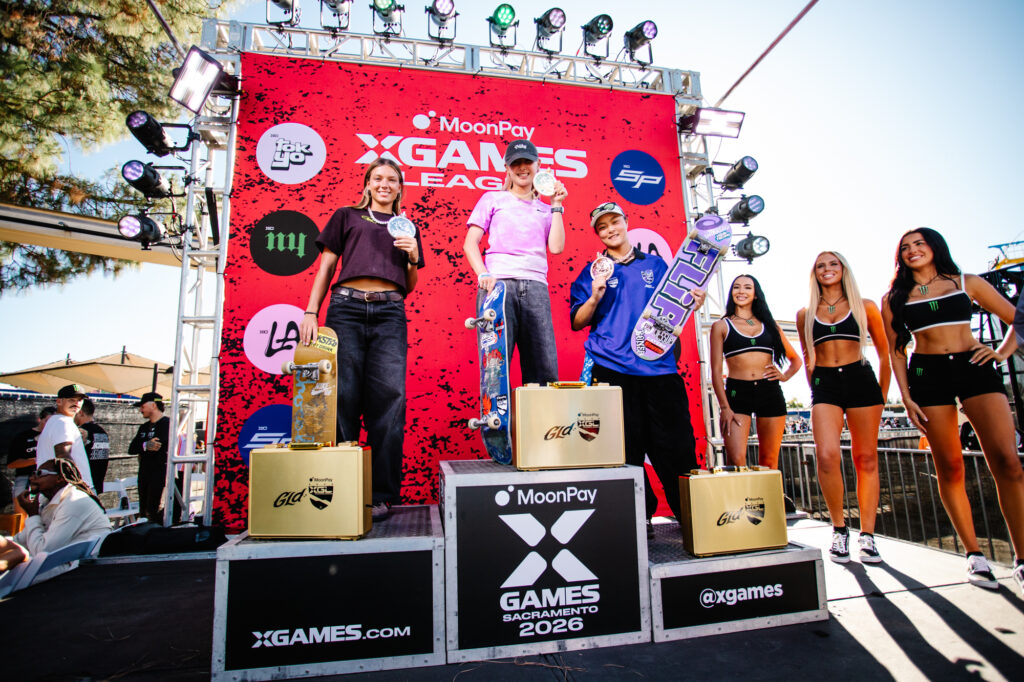
"I wanted to pick my lines smoothly and execute them as much as I could," Ito said following her victory. "Each and every trick I did was specific, so I wanted to make each one as perfect as possible."
Defending champion Chloe Covell (XC New York) took silver, while Liz Akama (XC Los Angeles) made a triumphant return to the podium following a two-year hiatus due to injury, signaling a fierce rivalry for the remainder of the league season.
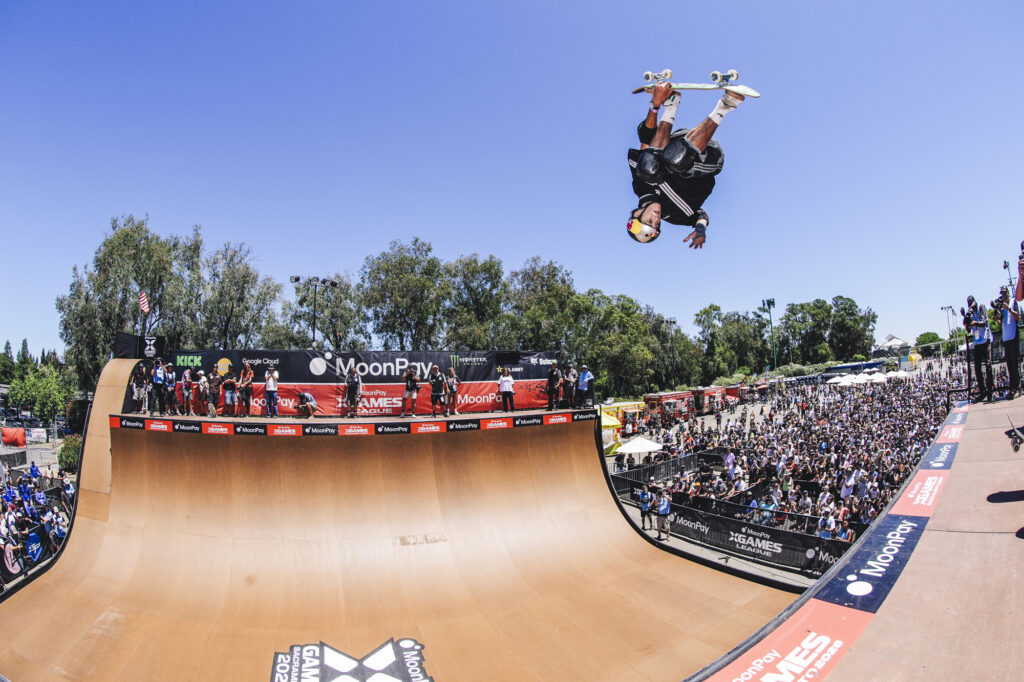
Vert Dominance: Gui Khury
In the Men’s Skateboard Vert final, 17-year-old sensation Gui Khury (XC São Paulo) continued his stranglehold on the discipline. By landing a barrage of technical maneuvers, including an alley-oop backside 540 kickflip Indy 900 and a body varial 900, Khury claimed his fifth consecutive gold medal in the event. Now holding 12 X Games gold medals, Khury is statistically the most decorated teen in the history of the sport.
The Immortal: Garrett Reynolds in BMX Street
The atmosphere shifted to the streets—or at least the stylized interpretation of them. 35-year-old icon Garrett Reynolds (XC São Paulo) proved that age is merely a number. In his third and final run, Reynolds surged past Kevin Peraza to capture his 17th career X Games gold. His performance included a switch truckdriver and a feeble hard 360, cementing his legacy as the most decorated athlete in X Games history. With 22 medals in 24 contests, Reynolds remains the gold standard of BMX Street.
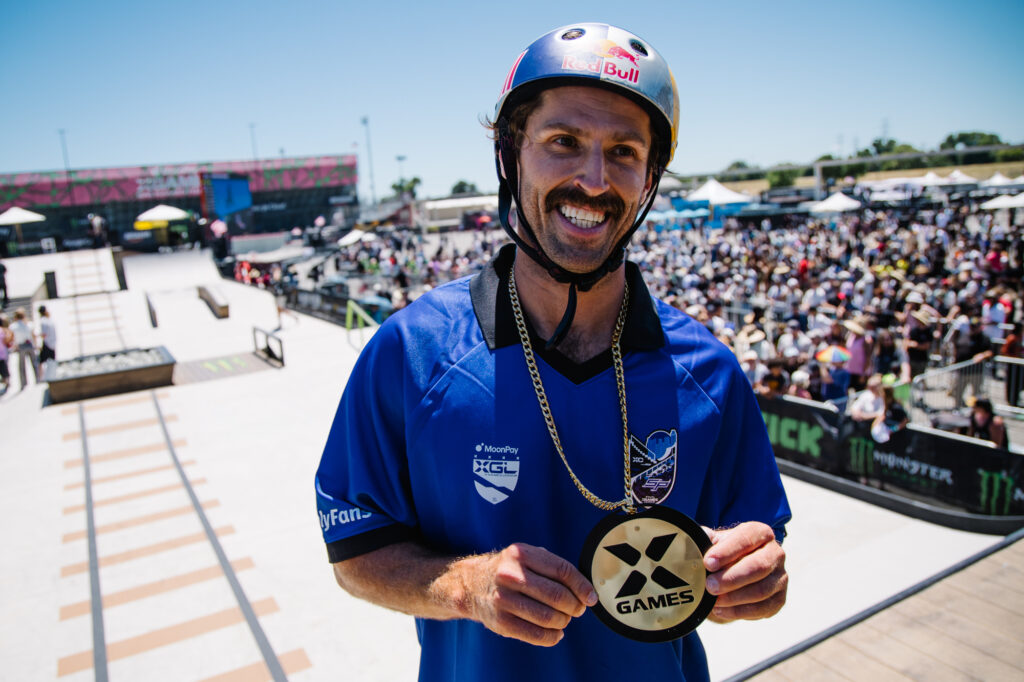
Best Trick and Vertical Finales
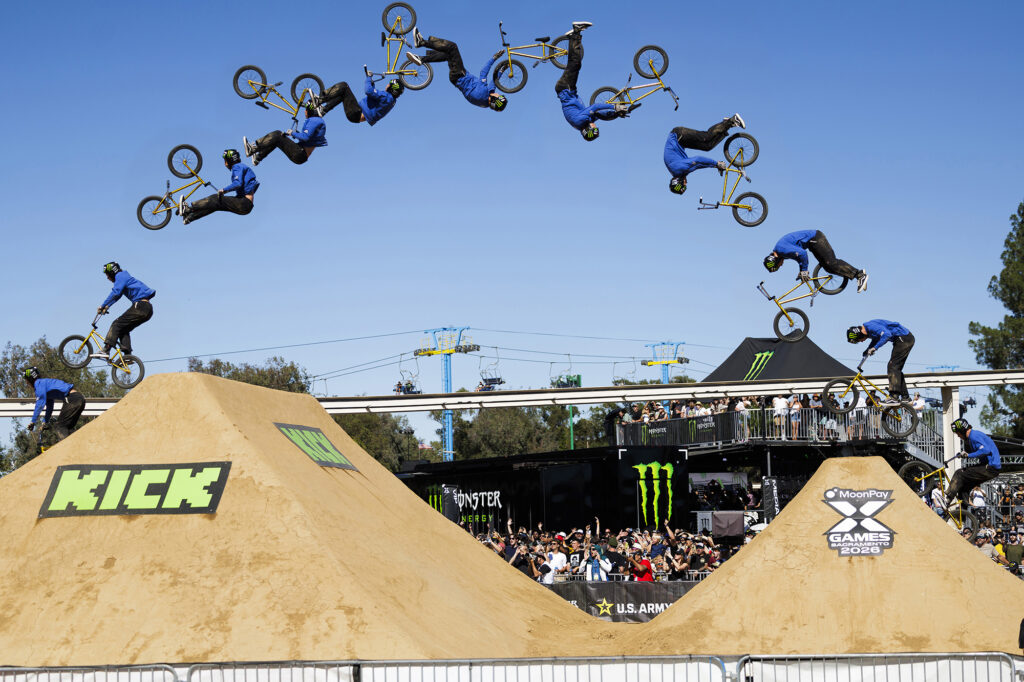
The day’s action concluded with explosive performances in Best Trick disciplines and Women’s Vert. Ryan Williams (XC São Paulo) accomplished the "impossible" in BMX Dirt Best Trick, landing the first-ever frontflip cannonball nothing front bikeflip in competition. Meanwhile, 11-year-old Mia Kretzer (XC Los Angeles) delivered a storybook finish to the weekend, taking gold in Women’s Skateboard Vert and proving that the league’s focus on nurturing young talent is already paying dividends.
Supporting Data and Performance Metrics
The 2026 Sacramento event was characterized by unprecedented statistical achievements. The integration of the Club system provided a new layer of data analysis for fans and scouts alike.
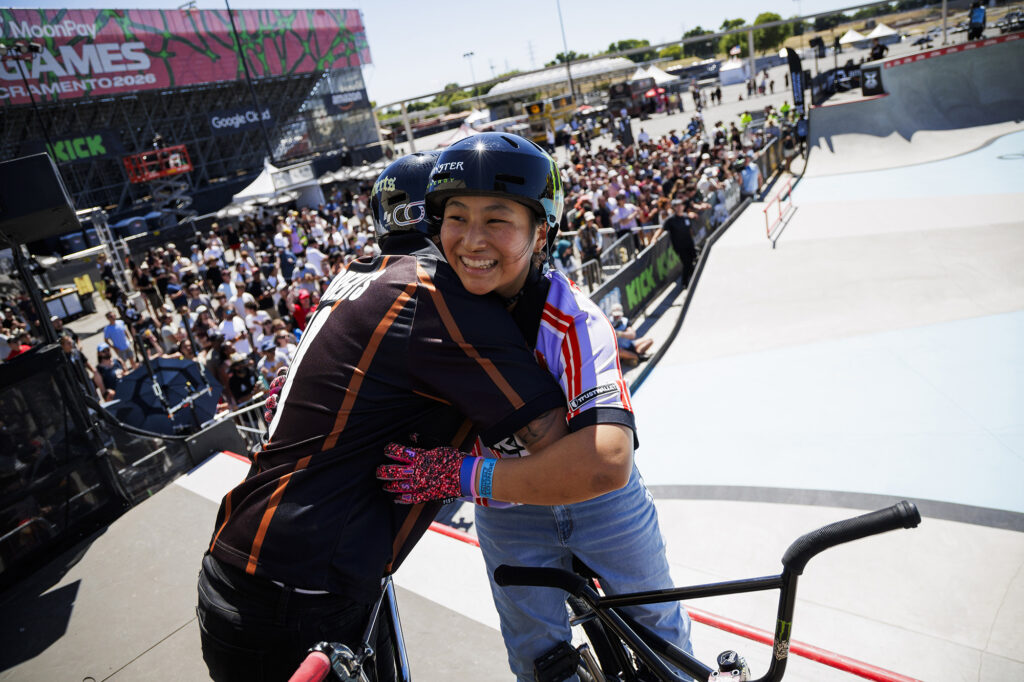
- Club Performance: The performance of free agents versus drafted club members became a focal point of the weekend. Athletes like JD Sanchez, who went undrafted despite high rankings, utilized the stage to prove their value, signaling a dynamic shift in athlete recruitment strategies.
- The "Never-Been-Done" Factor: The frequency of never-been-done (NBD) tricks was notably higher than in previous years. Ryan Williams’ weekend, which included both a 540 frontflip flair and a frontflip cannonball nothing front bikeflip, suggests that the competition environment created by the League is successfully incentivizing risk and innovation.
- Generational Shift: The average age of podium finishers across all eight Sunday events was roughly 19.4 years old. This underscores a seismic shift where teenage competitors are no longer just "up-and-comers"—they are the current establishment.
Official Perspectives and Athlete Insights
The consensus among competitors, officials, and staff is that the X Games League format has fundamentally changed the social contract of the sport.
"I love what X Games is doing," said Gui Khury. "I love this new format. It feels like we are playing for something bigger than ourselves." This sentiment was echoed by Garrett Reynolds, who noted that the NorCal fan base provided an environment of "die-hard" intensity that fueled the high level of play seen throughout the weekend.
For the organizers, the success of the Sacramento stop is a validation of the multi-city tour model. By creating regional clubs, the X Games has successfully localized the global sport, giving fans in Tokyo, São Paulo, New York, and Los Angeles a team to rally behind, similar to traditional professional sports franchises.
Implications for the Future of Action Sports
The conclusion of the Sacramento event sets a high bar for the remainder of the 2026 calendar. The implications of this new league structure are far-reaching:
- Professionalization of Careers: The introduction of a team-based championship and a $500,000 prize purse for the final event in New Orleans provides a sustainable career pathway that was previously fragmented.
- Global Expansion: With the next stop slated for Chiba, Japan, the League is clearly aiming to solidify its footprint in the Asia-Pacific market. This global rotation is expected to increase viewership and participation, potentially leading to the development of more "Club" regions in the coming years.
- Technological Integration: The partnership with MoonPay and the focus on digital engagement suggests that the X Games is looking to capture a younger, tech-savvy demographic. This is reflected in the high-quality streaming metrics and real-time social media integration seen throughout the Sacramento event.
- The Road to New Orleans: As the season progresses, the points accumulated in Sacramento will carry significant weight. The competition for the inaugural league championship is now wide open, with the XC Sāo Paulo and XC Tokyo clubs showing early dominance, while XC Los Angeles and XC New York look to regroup and adjust their strategies for the Japanese leg of the tour.
The MoonPay X Games Sacramento 2026 was more than just a collection of competitions; it was a demonstration of a new, sustainable, and highly entertaining ecosystem. As the athletes prepare to head to Chiba, one thing is certain: the bar for progression in action sports has been raised, and the competition for the inaugural league title is only just beginning.
For fans looking to follow the journey, the path leads next to Chiba, Japan, on July 4-5, culminating in the ultimate showdown at the Caesars Superdome in New Orleans. The future of action sports is not just coming—it has arrived, and it is louder, faster, and more unified than ever before.