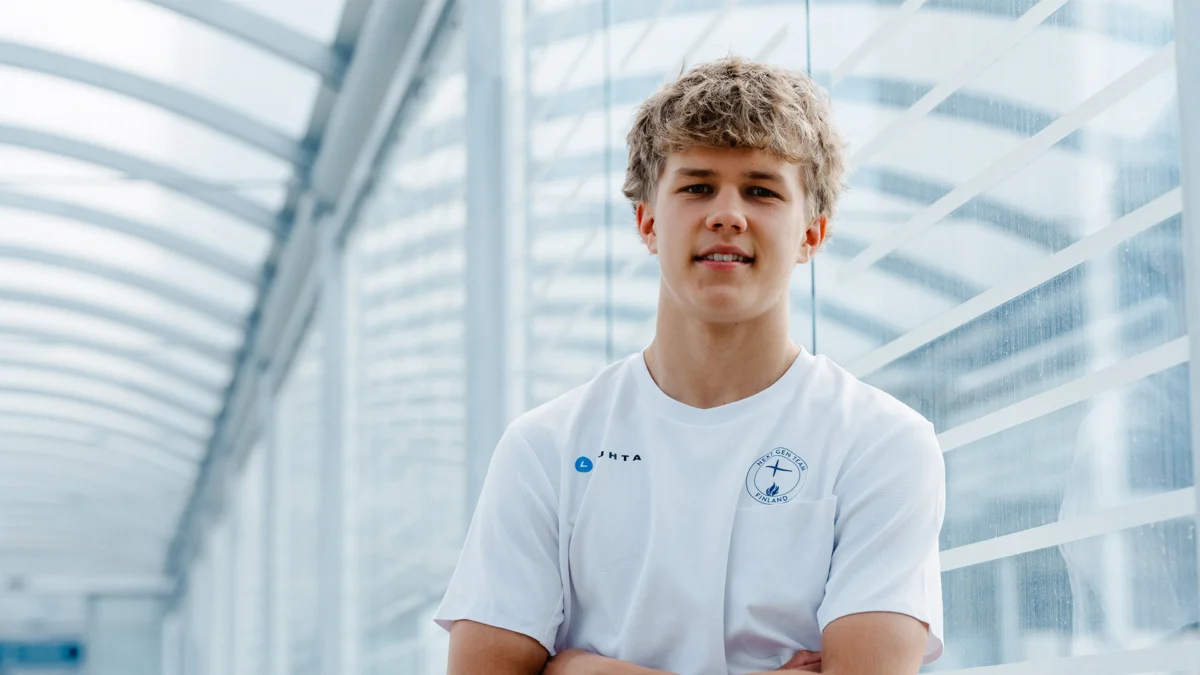
The air is thick with the smell of high-octane fuel and scorched rubber. On the starting grid, the atmosphere is electric, a symphony of 250cc engines screaming in anticipation. For 18-year-old Rico Salmela, the world narrows down to a few meters of asphalt ahead. As the lights go out, the Moto3 pack explodes into a singular, high-speed entity. At 250 kilometers per hour, tucked into an aerodynamic crouch, the physical reality of the race is grueling—nearly two Gs of force in the corners—yet Salmela’s mind remains in a state of ethereal, surgical calm.
Salmela is not just another rider on the grid; he represents the return of Finnish motorcycling to the global stage, following in the tire tracks of legends like Jarno Saarinen, Teuvo Länsivuori, and Mika Kallio. As the first Finnish rider to compete in the Moto3 class in recent history, Salmela is carving a path that requires more than just raw speed—it requires a profound level of tactical intelligence and mental resilience.
The Crucible of Speed: A Masterclass in Focus
"When everyone is doing 200 kilometers per hour, you no longer perceive the speed as ‘fast’—you move into a different dimension, a space of profound silence," Salmela explains. "You have to be hyper-aware, courageous, and aggressive. There is no room for hesitation. You are defending lines, calculating braking points, and reading the micro-movements of twenty other riders at once."
For the young Finn, the mental battle is just as demanding as the physical one. He describes the difficulty of tuning out the leaderboard and the championship standings. "You cannot think about lap times or positions. Those are just the results. You have to focus entirely on your own execution—the lines, the braking, the corner exit. If you understand the process of going fast, the results will follow."
A Journey Begun in the Sandbox
Salmela’s trajectory toward the pinnacle of motorcycle racing began long before he could legally drive a car. His introduction to the world of motorsports was virtually instantaneous; at just two years old, he was already navigating a motocross bike. By the age of five, he had made the transition to asphalt on a minimoto, and the die was cast.
"I remember the fear, the adrenaline, and the sheer excitement," he recalls. "I knew immediately that this was my path."
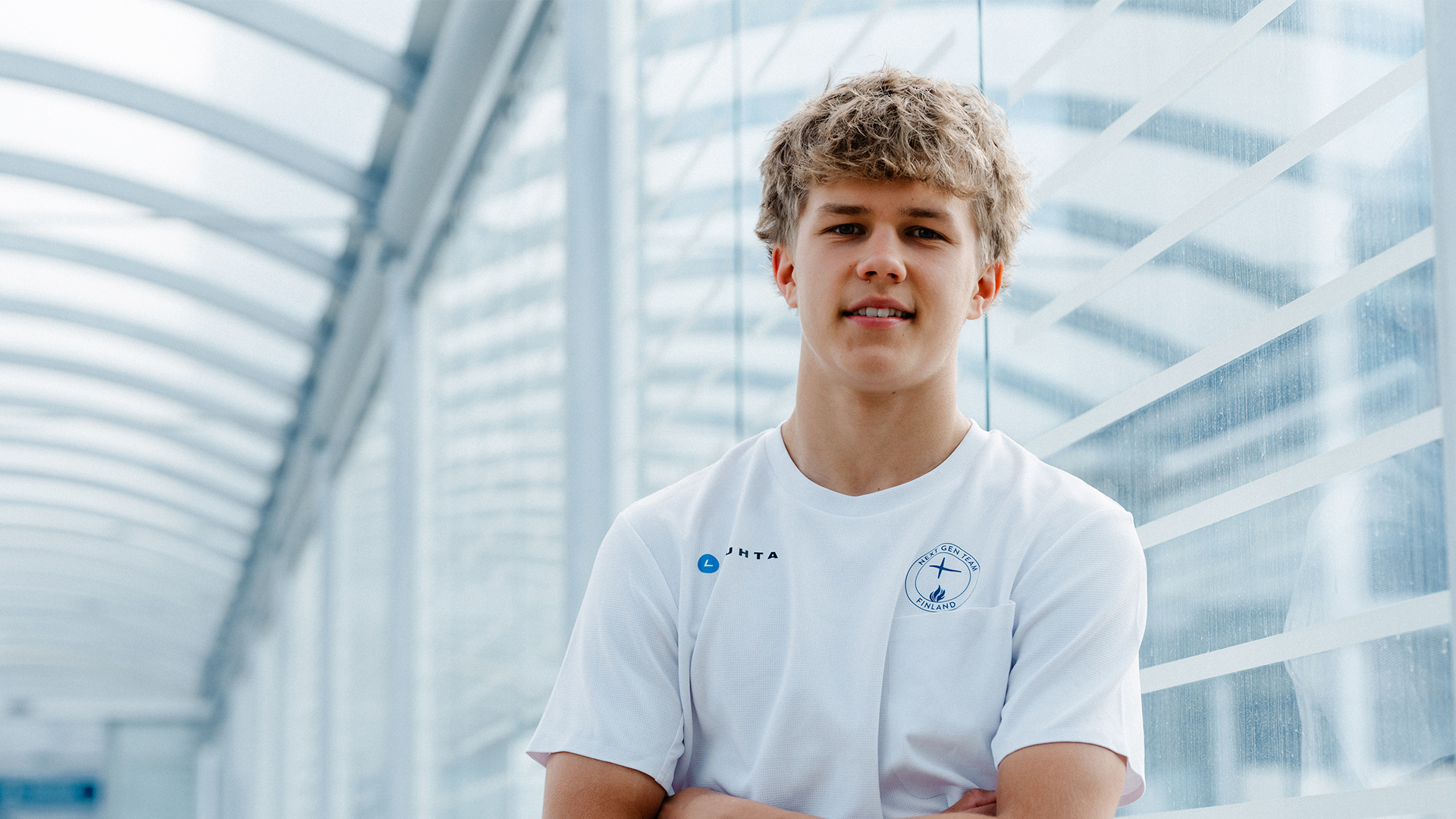
By age six, he was competing in national junior championships, often receiving special dispensation to race against older children. At seven, he was already cutting his teeth on the European circuit, racing in Italy and the Netherlands. For a young child, the intensity of European road racing—where the sport is treated with a fervor bordering on religious—was a crash course in professional maturity.
"In Finland, people sometimes struggle to grasp the scale of this sport globally," Salmela notes. "In Italy or Spain, the competition starts at a grassroots level with extreme intensity. If you want to compete at the world level, you cannot stay in Finland waiting for opportunities. You have to be out there."
The Architecture of a Career: The "Family Project"
The path to the Moto3 world championship is notoriously expensive, often costing hundreds of thousands of euros annually. Salmela acknowledges that his success is the result of a massive, long-term "family project."
"My father and my manager, Aki Ajo, have worked tirelessly to secure the funding required to keep me on the bike," Salmela says. "I am profoundly grateful to them and to all my supporters. Without that collective effort, none of this would have been possible."
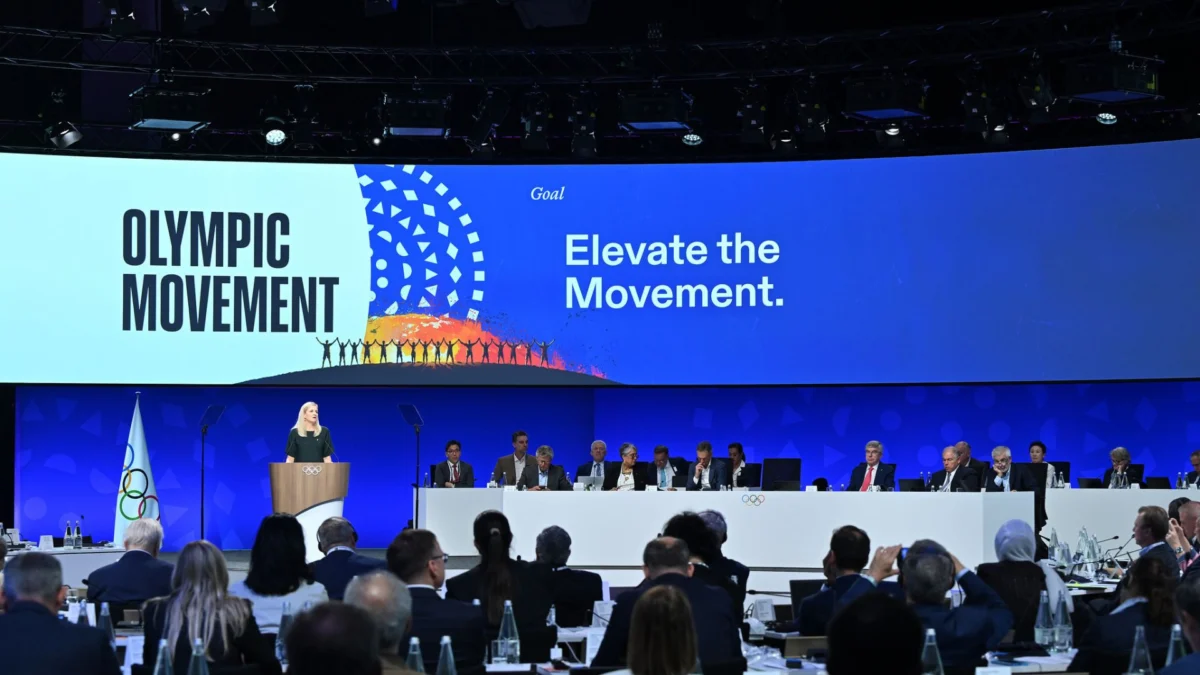
This support has been augmented by the Finnish Olympic Committee’s Next Generation program, which provides elite young athletes with financial support, expert coaching, and medical resources. For Salmela, the program has been a bridge between the amateur ranks and the high-performance demands of professional racing. "The support from the Next Generation program has significantly improved the quality of my training. It covers costs that I would otherwise have to shoulder alone, from travel to base training in Spain."
Professionalization: Entering the Global Arena
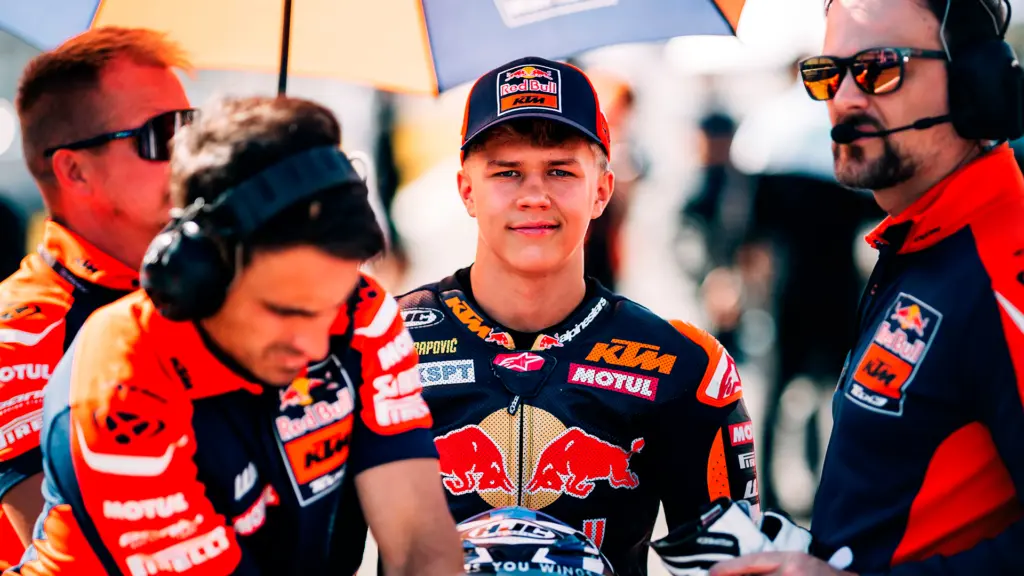
The transition to the 2025 season marked a turning point. After a stellar fifth-place finish in the Junior World Championship, Salmela caught the attention of the KTM Red Bull Tech3 team. The negotiation process, led by Aki Ajo, lasted nearly a year before the contract was finalized.
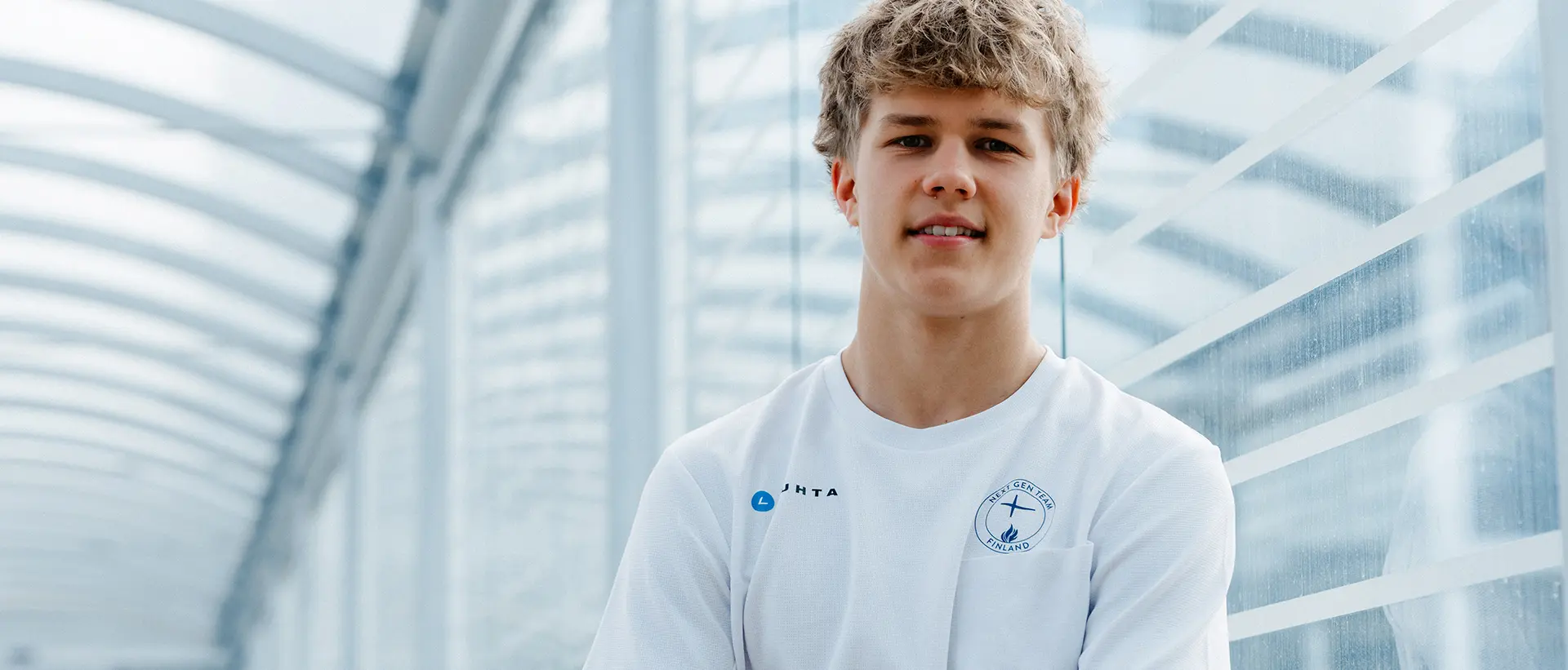
"Signing that contract was a surreal moment," Salmela admits. "I wanted to maintain a professional demeanor and keep my feet on the ground, but there was a huge sense of victory."
Entering the adult World Championship circuit has been a steep learning curve. The margin for error is non-existent; in the Moto3 class, the top 15 riders are often separated by less than half a second. "You are racing against veterans who rarely make mistakes," he says. "You have to learn to adapt to new circuits immediately. Every person in the team is a top-tier professional. It is incredibly inspiring to be part of such a high-stakes environment."
The Glamour vs. The Grit
While the public image of MotoGP is often one of champagne, flashbulbs, and glamour, Salmela is quick to strip away the facade. "There is a certain glamour, and it’s flattering to be recognized, but you cannot let it blind you. When you are on the track, the only thing that matters is how fast you go. You get points for speed, not for how many followers you have on social media."
The schedule is grueling: 22 races per year, constant travel, and the immense pressure to perform. Yet, Salmela maintains his perspective. "I feel like I am living the dream I’ve had since I was a child. But the work never stops. You have to know every track by heart, every gear ratio, and every racing line. I spend hours watching onboard footage, studying the nuances of every turn."
Environmental Responsibility in Motorsports
As a representative of the sport, Salmela is frequently asked about the environmental impact of global motorsports. He approaches the subject with a mature, pragmatic outlook.
"I understand the criticism, and it shouldn’t be dismissed," he says. "But you can find flaws in almost any sector—politics, business, art, or science. The goal should be to improve the entire system, and motorsports is making strides to do its part. For me, this is about passion. It is what I have always wanted to do. I love the speed, but I also respect the challenges the world faces."
Looking Ahead: The Goal of the Anthem
As Salmela prepares for the next phase of his career, his goals remain clear and ambitious. He is no longer just a participant; he is a contender.
"In every race, the winner’s national anthem is played," he says, a hint of steel in his voice. "I’ve heard the Spanish national anthem so many times I could sing it in my sleep. My goal—my absolute, primary goal—is to have them play Maamme (the Finnish national anthem). That is the ultimate dream."
For a young man who has spent his entire life in the slipstream of greatness, the dream feels closer than ever. Through a combination of rigorous preparation, tactical brilliance, and a quiet, unassuming confidence, Rico Salmela is not just chasing the podium; he is chasing a piece of Finnish sporting history.
Appendix: What is the "Next Generation" Program?
The Finnish Olympic Committee’s Next Generation program is a strategic initiative aimed at athletes aged 15–22. Its goal is to identify high-potential talent and provide the resources necessary to reach the absolute world peak.
- Financial Support: Each athlete receives a personal support package valued at over €10,000.
- Expertise: The program offers access to sports science, nutrition, and mental coaching.
- Collaboration: The initiative is a joint effort between national sports federations and the high-performance training network (such as the Varala Coaching Center), ensuring that young athletes have a comprehensive support system that allows them to focus solely on their development.