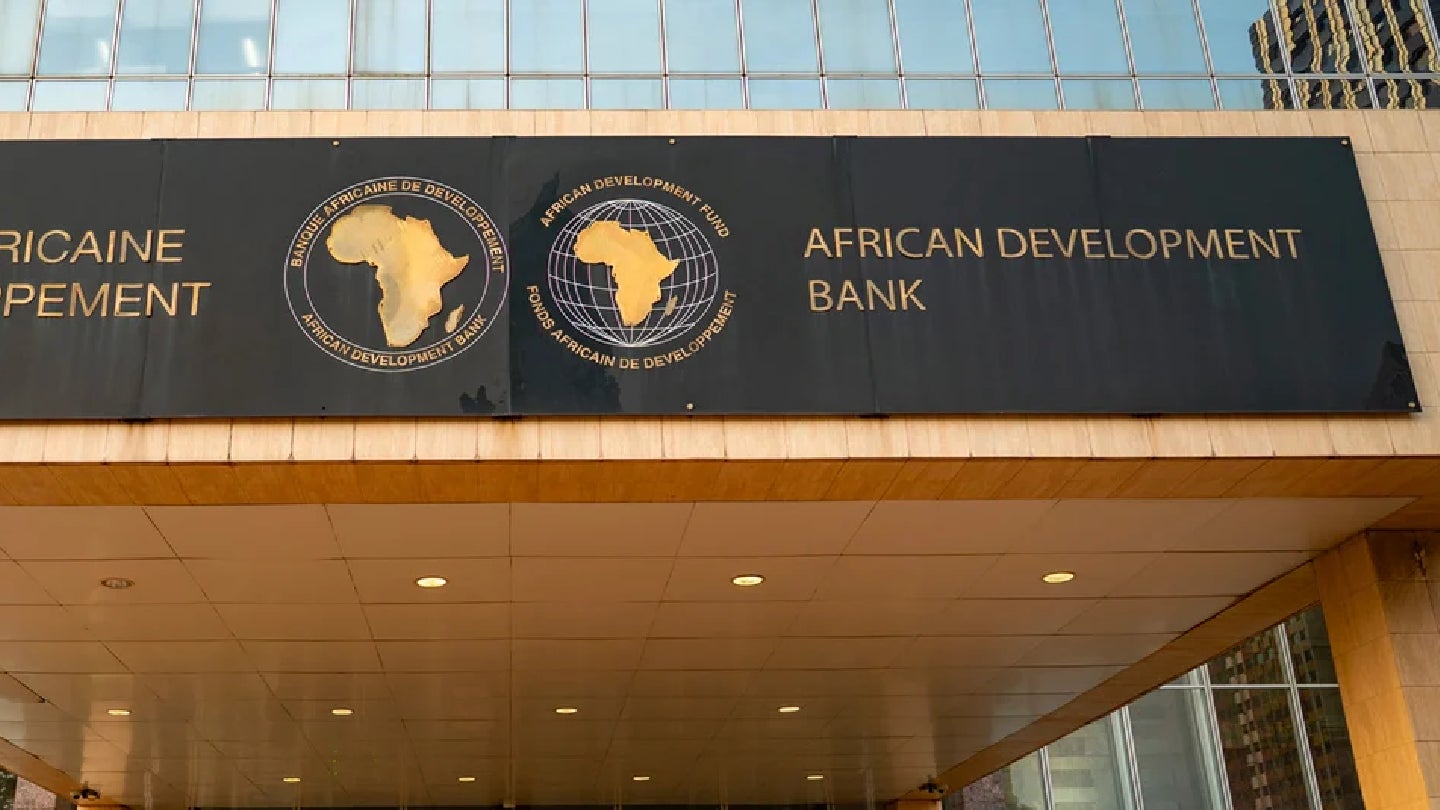
In a landmark development for North Africa’s industrial landscape, the African Development Bank (AfDB) Group has officially approved a €100 million ($114 million) loan to Gotion Power Morocco. This strategic investment is designed to catalyze the construction of an integrated lithium iron phosphate (LFP) battery giga-factory, located within the Rabat-Salé-Kénitra Free Trade Zone. By bridging the gap between raw material abundance and high-tech manufacturing, the project signals a pivotal shift in Morocco’s quest to become a global hub for electric mobility.
Main Facts: The Anatomy of a Giga-Project
The project, spearheaded by the Chinese battery powerhouse Gotion High-Tech Co., represents one of the most ambitious green-industrial initiatives on the continent. Listed on the Shenzhen Stock Exchange, Gotion High-Tech brings to Morocco not only capital but also the technical expertise required to establish a sophisticated cathode-to-cell manufacturing line.
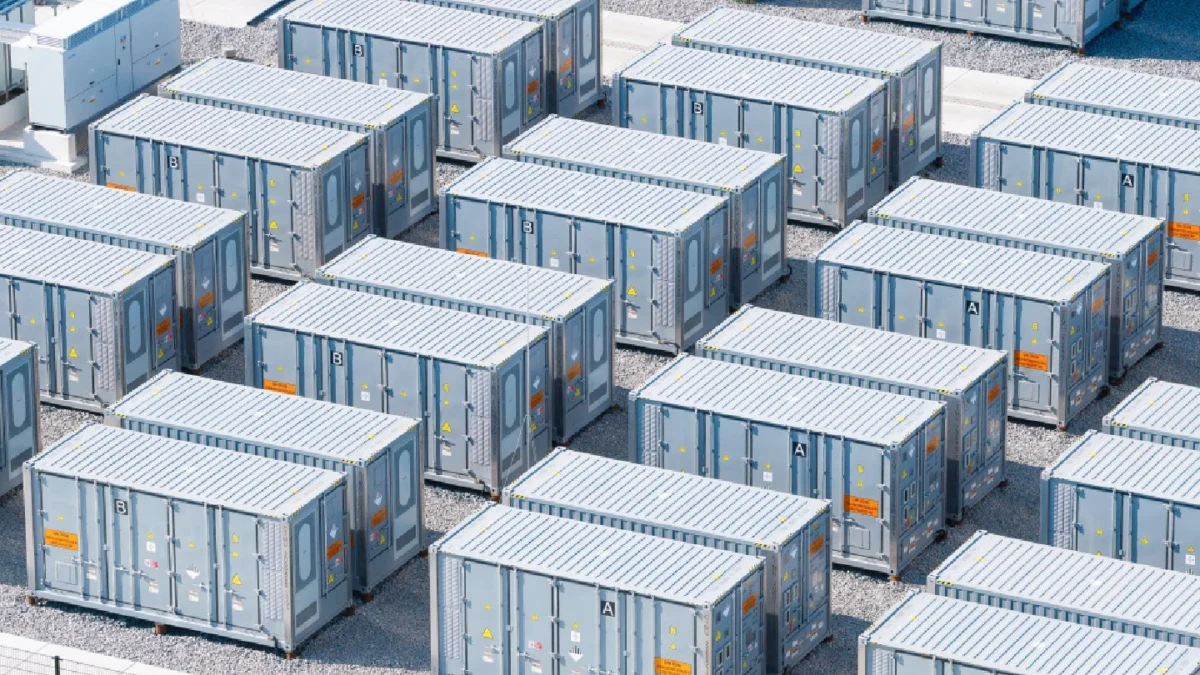
The facility’s architecture is designed for scalability. In its initial phase, the giga-factory is projected to produce 10 gigawatt-hours (GWh) of battery cells and packs annually, specifically tailored for the burgeoning electric vehicle (EV) market. However, the long-term vision is far more expansive, with blueprints already in place to scale the facility’s capacity to a staggering 100GWh.
Beyond the loan, the AfDB is acting as the Mandated Lead Arranger under its “New African Financial Architecture for Development,” a mandate that includes mobilizing an additional €141 million from external partners. This financial coalition highlights the international confidence in Morocco’s stable investment climate and its strategic geographic position as a gateway between Europe and Africa.
Chronology of Development
The journey toward this giga-factory is the result of years of diplomatic and economic planning aimed at integrating Morocco into the global green technology supply chain.
- Strategic Foundation (2020–2023): Morocco identifies the automotive sector, already a cornerstone of its economy, as the primary vehicle for transitioning toward high-value green manufacturing.
- Partnership Formation (2024): Preliminary discussions between the Moroccan government and Gotion High-Tech take shape, focusing on the Rabat-Salé-Kénitra region due to its proximity to established automotive infrastructure and export logistics.
- The Funding Milestone (Mid-2025): The AfDB reviews the project’s environmental and economic impact, aligning it with the bank’s "Four Cardinal Points" vision.
- Approval and Mobilization (July 2026): The AfDB formally approves the €100 million loan, triggering the mobilization of the additional €141 million in syndicated financing.
- Future Outlook (2027–2030): Construction begins, with the first 10GWh phase expected to reach operational status, followed by successive expansions to meet global demand for EV energy storage.
Supporting Data: Economic Integration and Job Creation
The economic impact of the project extends far beyond the production of batteries. One of the primary goals of the venture is to achieve a local industrial integration rate of 70%. This target is critical for the development of a self-sustaining ecosystem.
Workforce Development
The project is set to generate more than 600 direct, high-skilled jobs in the initial phase. These are not merely assembly-line roles; the nature of LFP battery manufacturing requires specialized training in chemical engineering, precision robotics, and quality control. By partnering with local educational institutions, the giga-factory aims to create a pipeline of talent that will support Morocco’s broader industrial evolution.
Local Supply Chain Ecosystem
The 70% integration target implies that a significant portion of the raw materials and secondary components will be sourced within Morocco. This will likely stimulate growth in:
- Logistics and Warehousing: Dedicated facilities to handle volatile materials and finished battery units.
- Component Manufacturing: Local production of aluminum casings, cooling systems, and specialized electronics.
- Research and Development: Local laboratories working alongside Gotion High-Tech to refine battery chemistries for diverse climates and applications.
Official Responses and Strategic Vision
The project’s approval has been met with enthusiasm from regional stakeholders who view it as a solution to the "missing link" in Africa’s green energy transition.
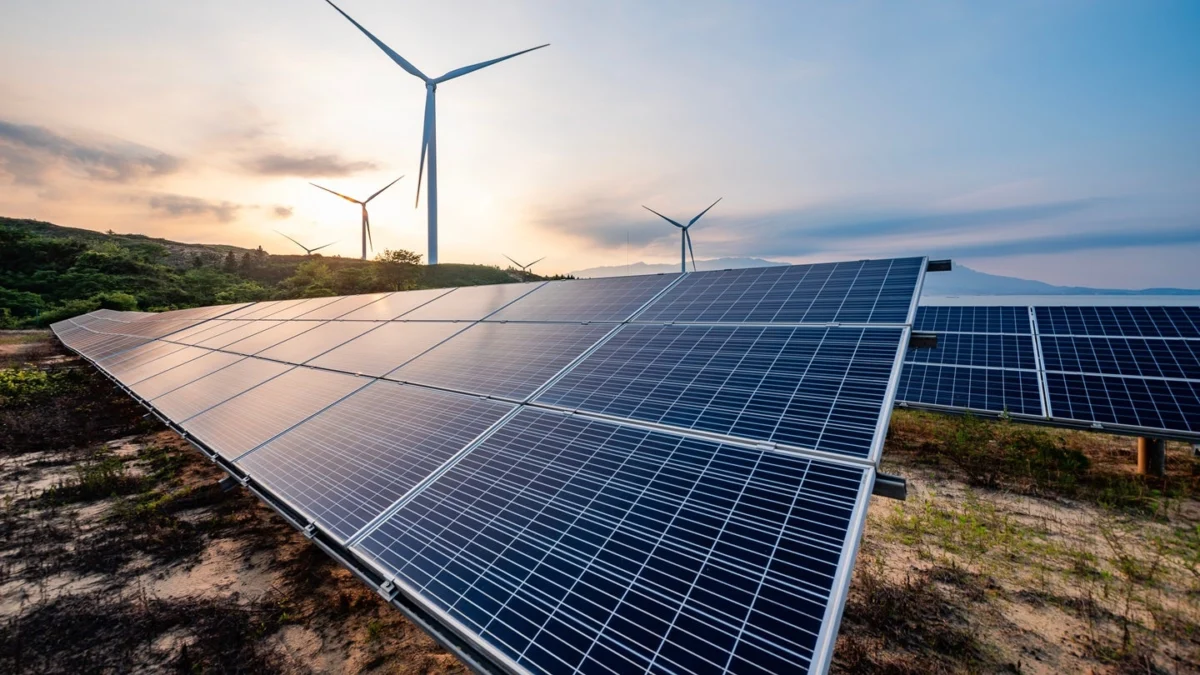
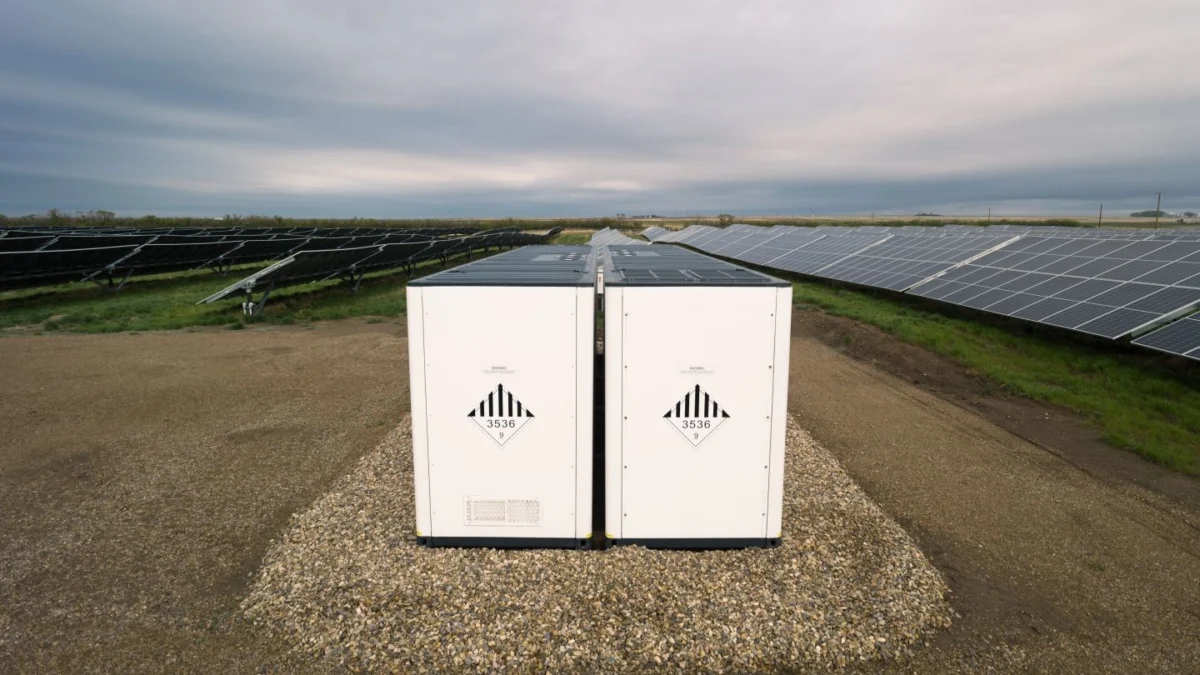
Kevin Kariuki, the AfDB Group’s Vice-President for Power, Energy, Climate, and Green Growth, emphasized the dual role of the factory. "Battery storage is the missing link in Africa’s clean energy transition," Kariuki noted. "A facility of this scale, powered primarily by renewable energy, strengthens the foundations for the large-scale integration of solar and wind power, which our grids increasingly depend on."
He further underscored the project’s alignment with the bank’s vision: "This is exactly the kind of project that will deliver reliable, low-carbon energy while creating green industrial jobs and building the resilient value chains Africa needs to sustain its energy transition."
For Morocco, the project represents a successful implementation of its national strategy to move up the value chain. By moving from being a mere exporter of automotive parts to a manufacturer of advanced energy storage systems, the Kingdom is insulating its economy against the inevitable decline of the internal combustion engine (ICE) market.
Implications: A Continent-Wide Impact
The Gotion-AfDB partnership carries significant weight, both for Morocco and for the broader African continent.
1. Advancing the Green Energy Transition
The reliance on battery storage is the single most significant factor in the success of Africa’s shift toward renewables. By establishing a local supply of LFP batteries, Morocco is not only aiding the global shift to electric vehicles but is also providing the infrastructure needed to stabilize its own domestic power grid, which is increasingly dominated by variable renewable sources like wind and solar.
2. Strengthening Regional Integration
The AfDB’s mention of the "Four Cardinal Points" vision—which focuses on resilient infrastructure, natural resource value addition, industrialization, and regional integration—highlights that this factory is intended to be a continental asset. As the African Continental Free Trade Area (AfCFTA) matures, this giga-factory could become a primary supplier for EV manufacturers appearing elsewhere on the continent, reducing the need for costly imports from Asia or Europe.
3. A Template for Future Industrialization
The project serves as a "proof of concept" for other African nations. It demonstrates that with the right combination of state-backed infrastructure (Free Trade Zones), international development financing (AfDB), and high-tech private sector expertise (Gotion High-Tech), Africa can become a legitimate player in the high-barrier-to-entry tech manufacturing sector.
4. Climate Resilience and Carbon Neutrality
By powering the manufacturing process with renewable energy, the facility itself will boast a low carbon footprint. This is essential for meeting the strict "carbon border adjustment" regulations that are increasingly being adopted by the European Union—Morocco’s largest trade partner. By ensuring the "green" credentials of its batteries, Morocco ensures its continued dominance in the European automotive market.
Conclusion
The approval of the Gotion Power Morocco giga-factory is a watershed moment. It represents a transition from conceptual planning to physical, tangible progress in the green economy. By securing over $250 million in total financing, the project is set to transform the Rabat-Salé-Kénitra region into a beacon of high-tech industrialization.
As the project scales from 10GWh to the ambitious 100GWh target, it will inevitably act as a magnet for further investment. For the African Development Bank, this project is a validation of its role in facilitating the "New African Financial Architecture." For Gotion High-Tech, it is a strategic foothold in a market poised for exponential growth. For Morocco, it is the realization of a long-standing ambition: to not just participate in the global energy transition, but to lead it.