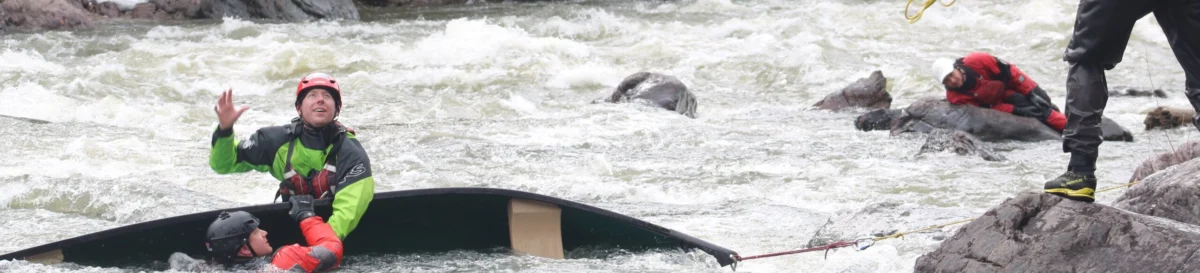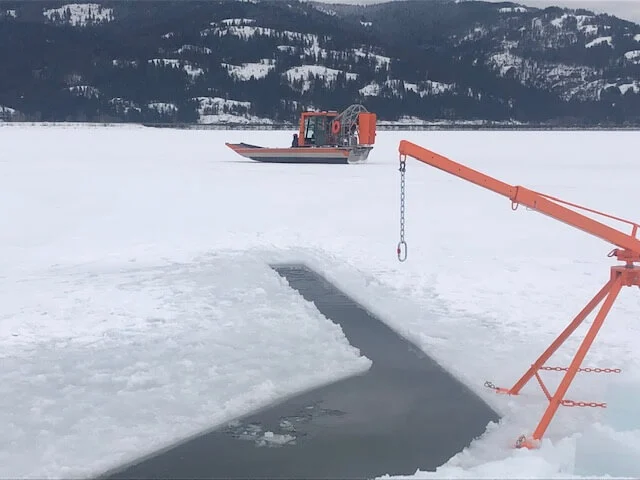
The urgency of inland oil spill response is often dictated by the unforgiving nature of fast-moving water. While containment and recovery often dominate the headlines, the unsung, critical pillar of any successful operation is the decontamination (decon) process. Without a rigorous, well-executed decon strategy, responders risk secondary contamination, prolonged exposure to hazardous hydrocarbons, and the systemic failure of work zones. This article outlines the essential protocols for personnel and equipment decontamination in high-velocity inland environments, ensuring that safety remains the baseline for all field operations.
Main Facts: The Criticality of Work Zones
The fundamental principle of fastwater spill response is the strict enforcement of site control. Proactive and assertive decontamination is not merely a safety suggestion; it is a regulatory and operational necessity that is, unfortunately, frequently overlooked during the chaotic "initial phase" of an incident.
To maintain safety, every spill site must be segmented into three distinct work zones:
- Exclusion Zone (EZ / Hot Zone): The area where the contamination exists and active cleanup is occurring.
- Contamination Reduction Zone (CRZ / Warm Zone): The buffer area where decontamination takes place.
- Support Zone (SZ / Cold Zone): The clean area where command, logistics, and medical support are stationed.
Responders must create a detailed site map—a "living document" that clearly identifies these zones in relation to site features such as current velocity, access points, and proximity to sensitive ecosystems. Failure to enforce these boundaries results in the cross-contamination of clean equipment and the unnecessary endangerment of support staff.
Chronology: The Decontamination Lifecycle
Effective decontamination is not an ad-hoc process; it is a sequential procedure designed to strip away contaminants layer by layer. For any responder operating in the Hot Zone wearing Modified Level D or Level C protective equipment, the following chronology must be strictly observed:
Phase I: Gross Decontamination (Station 1)
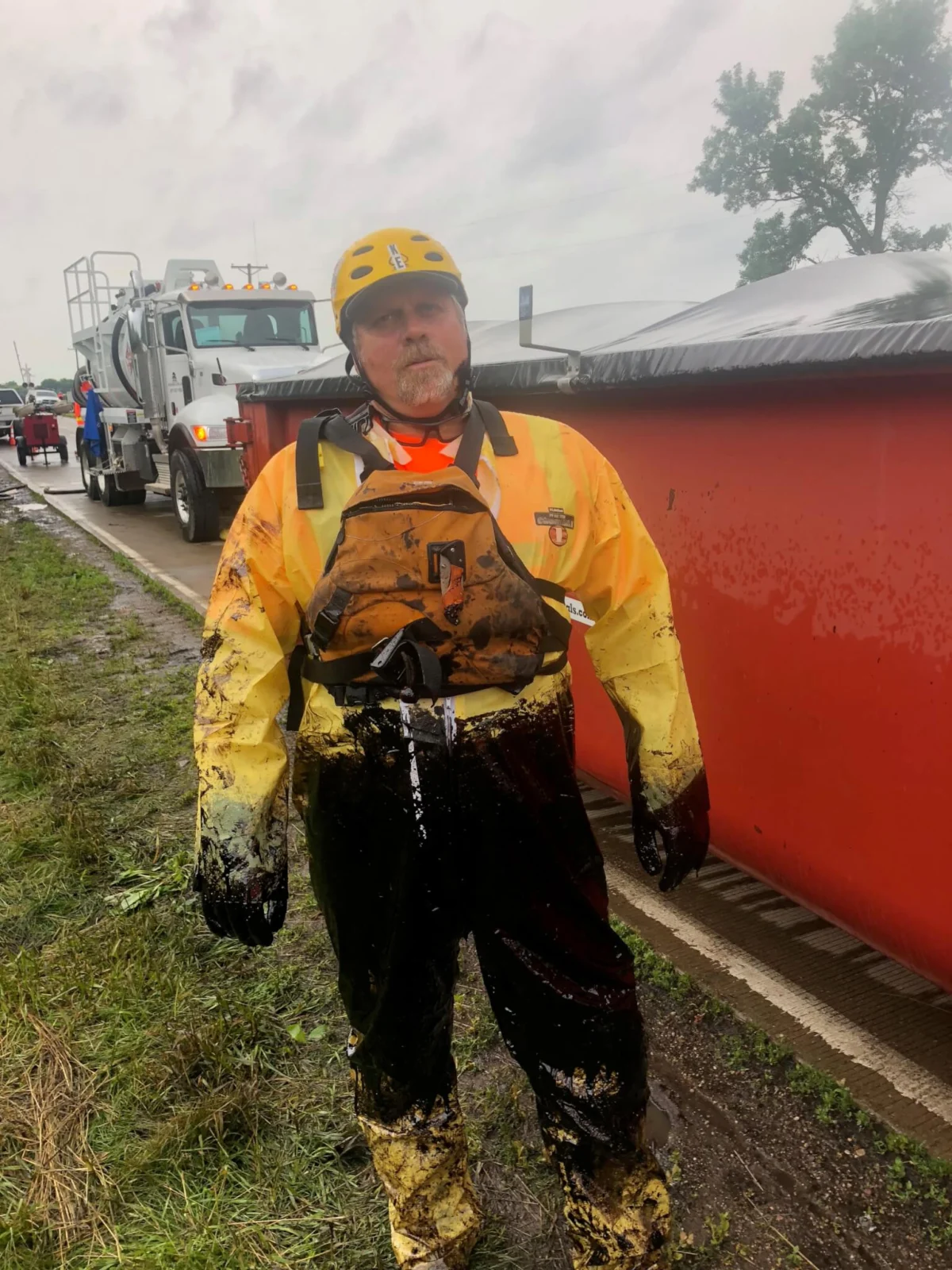
Upon exiting the Exclusion Zone, the priority is the removal of "gross" contamination. This involves the physical removal of heavy sludge, oil, and debris from outer garments and boots. This station acts as the primary barrier, preventing the bulk of the hazardous material from entering the reduction zone.
Phase II: Garment Removal and Sanitization (Station 2)
At this stage, personnel remove their outer garments and gloves. These items must be treated as hazardous waste and disposed of in clearly labeled, sealed containers. Following the removal of outer gear, the focus shifts to hardware. Hard hats and boots are cleaned using an aqueous solution of detergent or a specialized cleaning agent. These cleaned items are then carried by the responder to the final station.
Phase III: Personal Hygiene and Respirator Care (Station 3)
Before exiting the Contamination Reduction Zone, responders must undergo a thorough wash of the hands and face. This final hygiene step is crucial for preventing the ingestion or dermal absorption of residual contaminants. If respirators were utilized, they must be sanitized, dried, and stored in clean, airtight plastic bags for future use.
Supporting Data: The Logistics of Safety
The effectiveness of a decontamination protocol is directly tied to the quality of the infrastructure provided. While the three-station model is the minimum requirement, advanced operations often require additional infrastructure, such as dedicated water collection systems.
A critical aspect of supporting data in decon operations is the management of "rinsate." In inland spill responses, it is insufficient to simply wash contaminants off gear and into the environment. All rinsate—the water and detergent mixture used during cleaning—must be collected and properly disposed of. Failure to do so may turn a decontamination station into a secondary source of pollution.

Equipment and Vehicle Management
Vehicles are frequently the most overlooked vectors for spreading contamination. Any vehicle that has entered the Exclusion Zone must be decontaminated at a designated pad before it is permitted to leave the site.
- Low-level contamination: If the exposure is minor, decontamination can be limited to the high-pressure rinsing of tires and wheel wells.
- High-level contamination: If the vehicle has been significantly exposed to oil, steam cleaning or industrial-grade pressure washing of the entire chassis and equipment load is required.
Official Responses: The WRI Perspective
Industry leaders, including the White Water Rescue Institute (WRI), emphasize that the "assertive" application of these protocols is what distinguishes a professional response from a hazardous one. The official stance among top-tier responders is that decontamination should be established before the first team enters the water.
Early-phase oversights are common because of the pressure to initiate containment booms or skimmers. However, the official protocol is clear: the safety of the individual responder is the prerequisite for the success of the environmental mission. If a team is not prepared to decontaminate, they are not prepared to work.
Implications for Future Operations
The lessons learned from inland fastwater spills are clear: the complexity of the response increases exponentially if the decontamination process is not scaled alongside the cleanup efforts. As oil extraction and transportation continue to traverse diverse inland topographies, the following implications must be considered for future policy:
1. Standardization of Decon Infrastructure
Future response plans must mandate the deployment of pre-fabricated, modular decontamination units. Relying on makeshift cleaning stations in remote areas often leads to inconsistent results and environmental leakage. Standardized units ensure that every responder, regardless of their location, receives the same level of protection.
2. Specialized Training for Fastwater Responders
The physical act of decontamination in a fastwater environment requires a unique skill set. Responders must be trained not only in the chemical properties of the oil being recovered but also in the mechanics of managing a decon line while balancing on slippery, uneven, or wet terrain.
3. The "Human Factor" in Decon
Decontamination is physically and mentally taxing. After a long shift in high-velocity water, the temptation to "cut corners" on the three-station protocol is significant. Future operational models must account for this fatigue, potentially rotating personnel through the decontamination stations to ensure that the process remains as rigorous at the end of the day as it was at the beginning.
4. Environmental Stewardship
The requirement to collect rinsate highlights the evolving nature of spill response. As environmental regulations tighten, the ability to manage the byproduct of the cleanup itself will become a key performance indicator. Responders must be equipped with the tools—such as bladders, vacuum trucks, and hazardous waste disposal pathways—to ensure that the decontamination process does not inadvertently cause further ecological harm.
Conclusion
Fastwater spill response is a high-stakes environment where the margin for error is razor-thin. Decontamination, while often perceived as a tedious procedural requirement, serves as the vital link between operational efficiency and safety. By strictly adhering to established work zones, following the sequential three-station chronology, and treating equipment decontamination with the same gravity as personnel safety, agencies can mitigate the risks associated with inland oil spills.
The industry must continue to move toward a culture of "assertive decontamination," where the health of the responder is held in equal, if not greater, esteem than the speed of the containment. As we refine these protocols, the focus must remain on the integration of human safety, environmental protection, and operational discipline. In the world of fastwater, you cannot afford to be clean—you must be thoroughly clean. Only through such rigor can we hope to contain the impact of these incidents and ensure that those who respond to the call are protected from the very hazards they are working to eliminate.