In the high-stakes world of inland oil spill response, time is the single most critical factor. When a containment breach occurs in a fast-moving river or a sensitive waterway, the window to prevent environmental catastrophe is measured in minutes, not hours. For the specialists at Whitewater Rescue Institute (WRI), the challenge has always been balancing the physical realities of rugged, remote, and fast-flowing environments with the logistical burden of heavy, traditional containment equipment.
Recent advancements in spill response technology are beginning to bridge this gap. By shifting from legacy, labor-intensive equipment to innovative, lightweight, and rapidly deployable systems—such as the technology recently demonstrated by Harbo Technologies—the industry is poised for a paradigm shift in how it approaches environmental protection.
The Physicality of Traditional Spill Response
To understand the necessity for innovation, one must first understand the traditional limitations of fastwater spill response. Historically, containment booms have been cumbersome, heavy, and physically demanding to transport. A standard 50-to-100-foot section of containment boom often requires a multi-person crew to maneuver across uneven, slippery, or steep riverbanks.
The physical strain on responders is immense. Moving this equipment from a response trailer to the water’s edge often involves navigating dense vegetation, unstable mud, and jagged terrain. Once at the water, the process of deploying the boom into a fast-moving current presents significant safety risks. The weight of the equipment, combined with the hydro-dynamic force of the water, creates a volatile environment where exhaustion can lead to mistakes.
"Loading and unloading boom out of response trailers over uneven ground and carrying it to the river is some of the most strenuous work we do as responders," notes the WRI training team. This labor intensity limits not only the speed of the response but also the operational range of a single crew, as the exhaustion factor sets in long before the environmental impact is mitigated.
Chronology of Innovation: A Field Study on the Clark Fork
Last week, WRI conducted a series of rigorous field drills on the Clark Fork River, a waterway characterized by its rapid currents and complex topography. The objective was two-fold: to test traditional high-flow collection techniques and to evaluate the performance of the Harbo Technologies boom in a real-world, fastwater environment.
Phase I: Baseline Testing
The first day of the drill focused on traditional boom vane collection in the upper reaches of the Clark Fork. This served as a baseline to measure the effectiveness of existing, heavier equipment. The crew utilized standard 12-inch containment booms, which, while effective, required significant manpower to anchor and position against the high-velocity flow.
Phase II: The Harbo Introduction
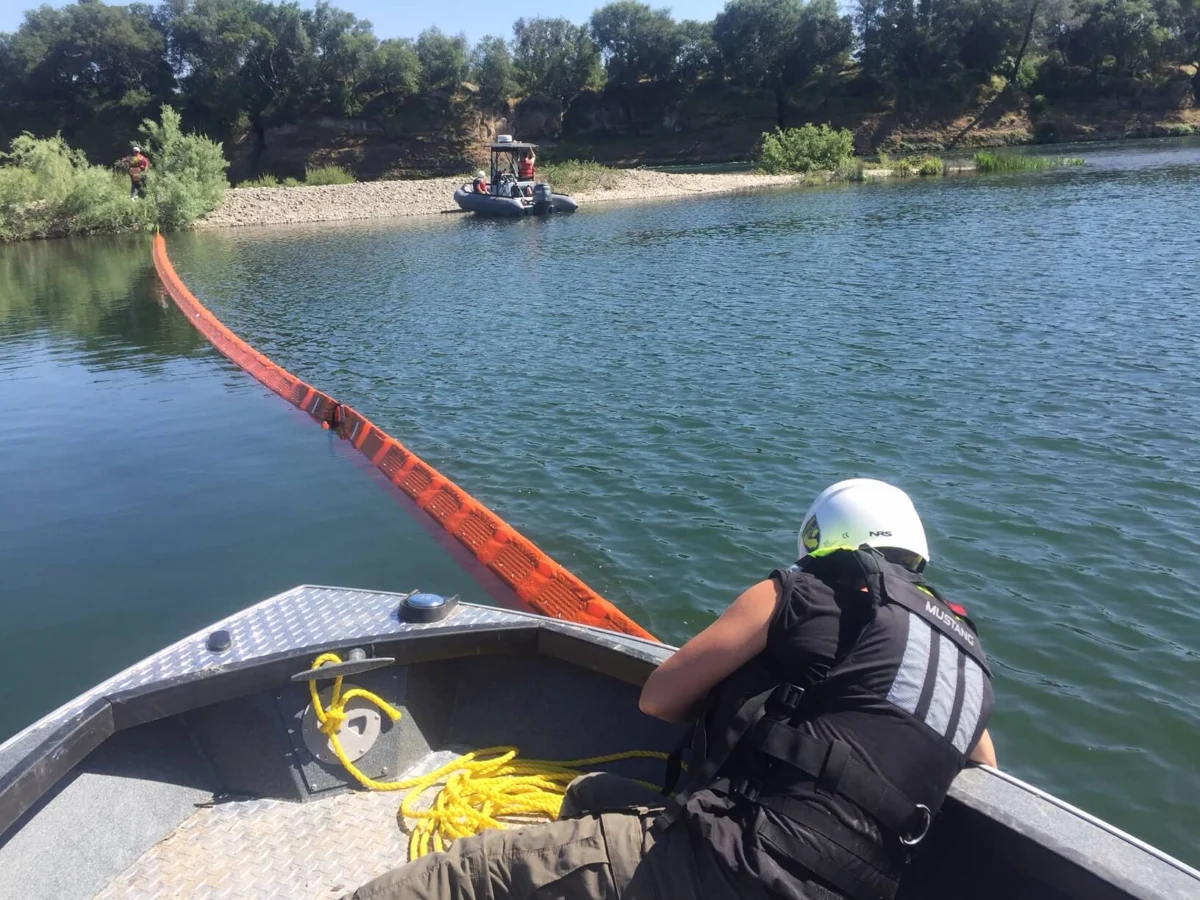
On the second day, the team transitioned to the Harbo boom system. The immediate contrast was the portability. The Harbo system is housed in a compact, dry box—approximately 20 by 36 inches—that holds roughly 80 feet of boom. Unlike traditional systems that require specialized trailers or heavy-duty vehicles for deployment, the Harbo containers can be transported by smaller vehicles or even hand-carried to more remote, inaccessible sections of the riverbank.
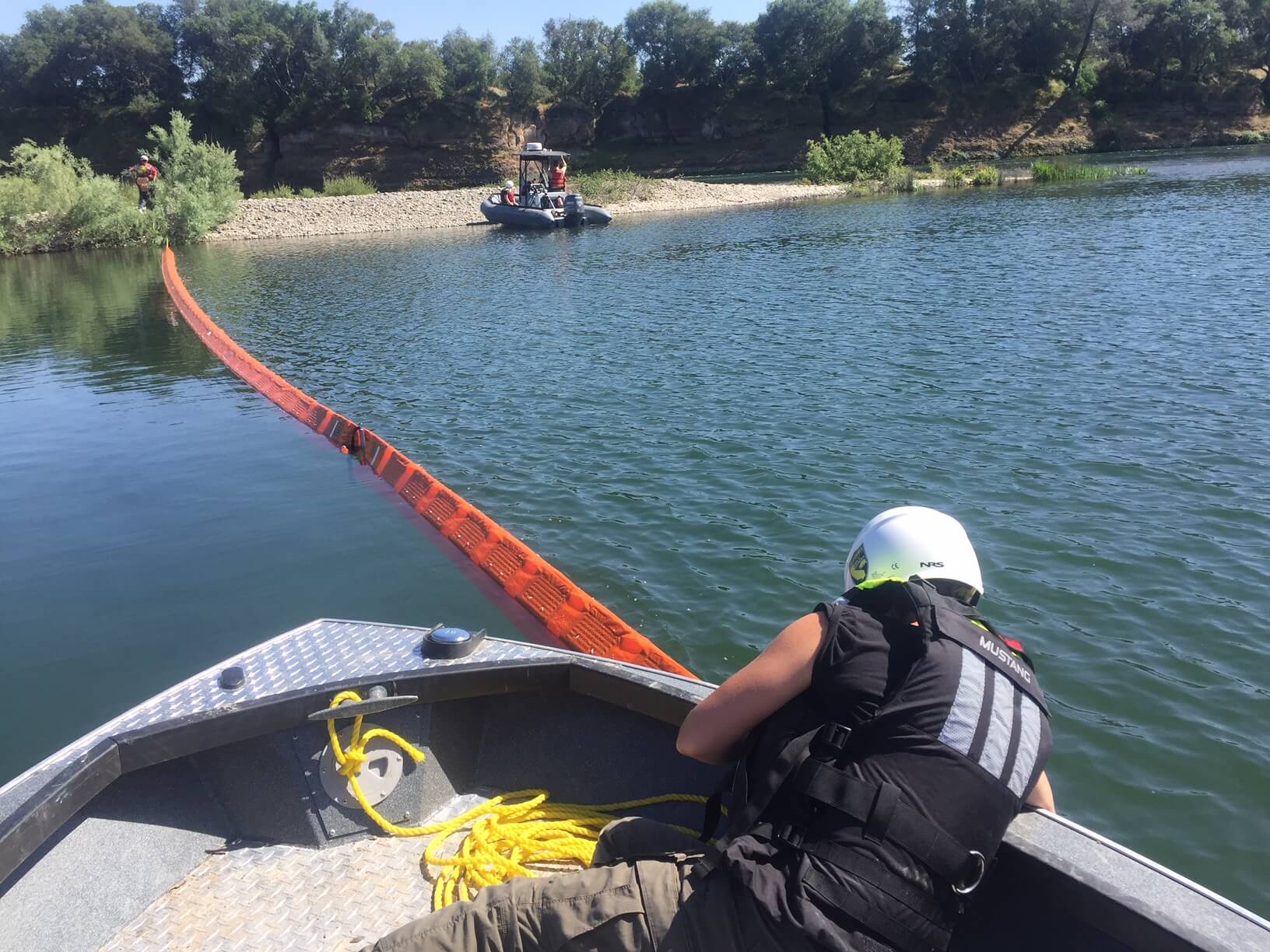
The deployment process itself was significantly faster. A single responder could line out over 80 feet of boom in a fraction of the time required for traditional gear. Upon immersion, the system’s ingenious design—a series of interior sponges that inflate the boom into a square structure with a built-in float and curtain—triggered instantly.
Technical Analysis and Performance Data
The skepticism among the WRI team was initially high. Conventional wisdom in the industry suggests that "lightweight" is synonymous with "fragile" when dealing with fast-moving currents. However, the data gathered during the Clark Fork drill told a different story.
Design Integrity
The Harbo boom utilizes a hollow structure that, once in the water, allows water to flow through the interior. This design actually aids in stability and keeps the boom "planted" against the current. Reinforcement is provided by high-strength nylon webbing that runs the entire length of the product, ensuring that when the boom is towed or anchored, the load is distributed evenly across the material rather than pulling on individual points.
Field Performance
The results were unequivocal:
- Entrainment Resistance: Despite the fast current, there was no observed entrainment (oil escaping beneath or around the boom).
- Versatility: The boom was tested in three distinct configurations: shoreline protection, highline collection, and in conjunction with a traditional boom vane.
- Connectivity: The universal pin-and-plate connector system proved to be a major advantage, allowing for rapid joining of multiple sections without the need for complex tools or manual dexterity, which is often compromised in cold or wet conditions.
Official Responses and Industry Implications
The response from the WRI staff, who possess decades of cumulative experience in both training and active spill response, was overwhelmingly positive. The primary takeaway was that the Harbo boom, despite its light weight, held its own against the heavier, traditional 12-inch booms.
"As responders, we really appreciated the light weight and ease of deployment," the WRI team stated in their post-drill report. "We were surprised by both its strength and effectiveness."
However, the transition to such technology is not without its hurdles. During the post-drill debrief, several critical factors were identified regarding the product’s lifecycle and operational constraints:
- Single-Use Limitations: Currently, the Harbo system is designed as a one-time-use product. Once the internal sponges are expanded and then dried, they do not retain the structural integrity required for subsequent deployments. This creates a cost barrier for organizations that rely on frequent training cycles.
- Shelf Life: The product has a five-year shelf life, after which the materials must be replaced to ensure safety standards are met.
- The "Training Version" Gap: Harbo representatives confirmed they are actively developing a reusable version of the boom specifically for training purposes, which would address the cost concerns of emergency response agencies.
Strategic Implications for the Future
The implications for the broader spill response industry are profound. Facilities such as refineries, rail yards, and harbor authorities, which often maintain stockpiles of spill equipment, could see a radical reduction in their "time-to-containment."
Because the Harbo boom can be staged in smaller, more accessible areas and deployed by fewer personnel, the response footprint is significantly reduced. This is particularly vital in urban or industrial environments where heavy equipment access is restricted by narrow pathways or sensitive infrastructure.
Moreover, the versatility of the boom—performing equally well for deflection, containment, and collection—means that response teams can carry a wider array of tactical options without increasing the weight of their primary response kits.
Conclusion: A New Standard for Inland Response
The experiment on the Clark Fork River serves as a microcosm for the necessary evolution of the spill response industry. As climate patterns increase the frequency of extreme weather events and industrial operations continue to navigate complex water systems, the need for agile, rapid-response technology has never been greater.
While traditional, heavy-duty boom will always have a place in long-term, static containment, the industry is clearly moving toward a hybrid model. By integrating lightweight, high-performance tools like the Harbo boom into their arsenals, responders can arrive faster, work safer, and achieve better outcomes. As WRI continues to push the boundaries of fastwater spill response, the integration of these new technologies will undoubtedly become a benchmark for excellence in the field.
For the professional responder, the goal remains the same: minimize the environmental footprint. With the advent of these new technologies, that goal is becoming increasingly attainable.