The landscape of the Olympic Winter Games is set for a seismic shift. In a decision that has sent shockwaves through the global winter sports community, the International Olympic Committee (IOC) Executive Board has finalized the competition program for the 2030 Winter Olympics in the French Alps. The most significant—and controversial—development is the exclusion of Nordic Combined, a sport that has been a cornerstone of the Winter Games since their inception in 1924.
While the loss of a foundational discipline marks a somber turning point for traditionalists, the IOC has simultaneously ushered in a new era of modernization. The board has officially approved the inclusion of "Synchro 9," a specialized nine-skater team event derived from synchronized skating, alongside the debut of freestyle skiing and snowboarding disciplines. These changes reflect the broader "Fit for the Future" strategy spearheaded by IOC President Kirsty Coventry, which seeks to prioritize global reach, youth appeal, and economic efficiency.
A Century of Tradition: The End of an Olympic Era
For over a hundred years, Nordic Combined—the ultimate test of a winter athlete’s versatility—has defined the Olympic spirit. Requiring both the explosive power of ski jumping and the grueling endurance of cross-country skiing, the sport has long been considered the purest measure of a winter athlete’s capabilities.
Since the inaugural Chamonix 1924 Games, Nordic Combined has been a constant presence. However, its exclusion from the 2030 program brings this century-long streak to a definitive end. Perhaps most distressing to the sporting community is the denial of Olympic opportunities for female athletes. Despite years of advocacy and growth in women’s Nordic Combined at the World Cup level, the 2030 Games will offer no platform for women to compete on the world’s biggest stage.
Chronology: The Evolution of the Olympic Program
To understand the gravity of the current decision, one must look at the recent trajectory of the Olympic movement.
- 1924: Nordic Combined debuts at the first Winter Olympics in Chamonix, France.
- 2023–2025: Growing scrutiny from the IOC regarding the "global footprint" of traditional winter sports. Concerns are raised over declining television ratings and the limited number of nations competitive at the elite level in Nordic Combined.
- June 2026: The IOC General Assembly adopts a new methodology for defining the Olympic program. The focus shifts toward "transparency, flexibility, and cost-effectiveness," formally initiating the "Fit for the Future" strategy.
- May 2027 (Projected Context): The IOC Executive Board reviews the final submission for the French Alps 2030 Games.
- May 2027 (Current Decision): The IOC confirms the removal of Nordic Combined and the inclusion of Synchro 9, alongside new freestyle events.
The Weight of the Decision: Official Responses
The reaction from national Olympic committees—particularly those with deep historical ties to Nordic Combined—has been one of profound disappointment.
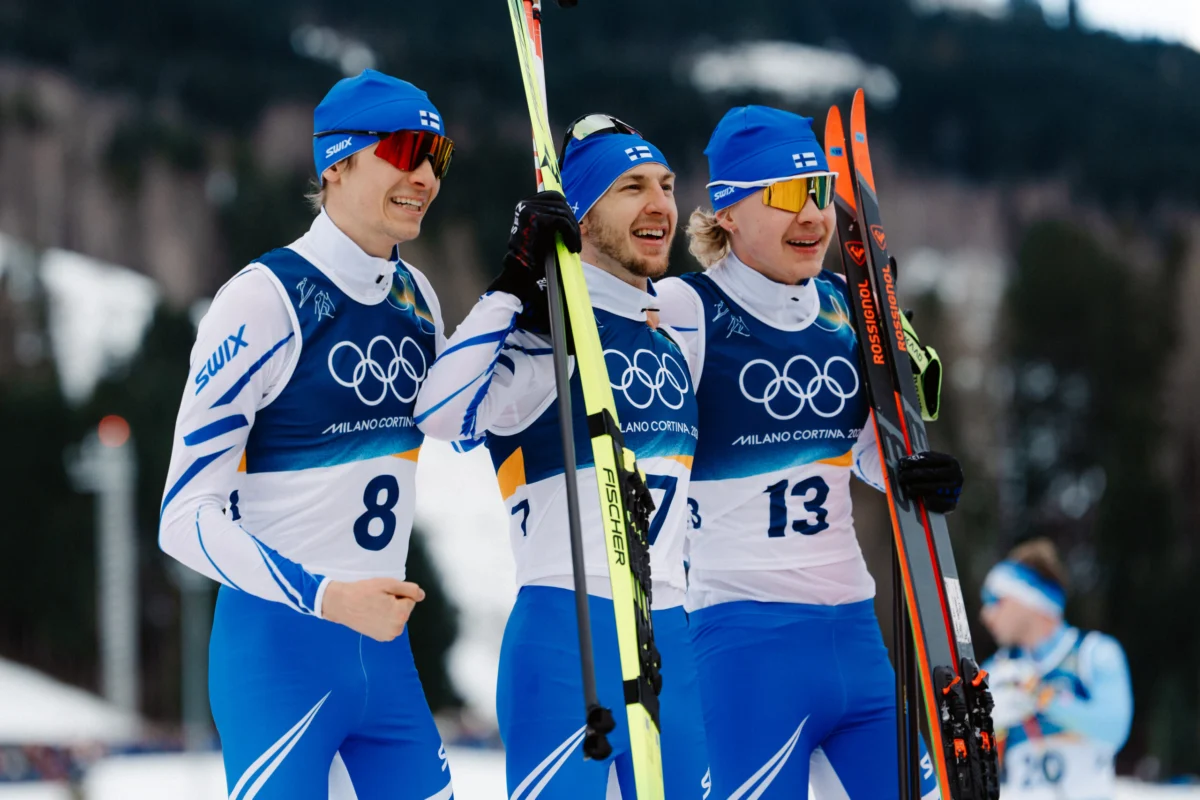
Janne Hänninen, High Performance Director of the Finnish Olympic Committee, did not mince words regarding the decision. "This is a major disappointment for us," Hänninen stated. "Nordic Combined is one of the most traditional sports of the Winter Olympics, and Finland has a remarkably strong history in it. It is particularly regrettable that the women of Nordic Combined were not given the opportunity to compete in the Olympics. It is a letdown for the athletes and the entire international sports community."
Hänninen emphasized that while the Olympic status is vital for a sport’s prestige, the intrinsic value of Nordic Combined remains unchanged. "The sport has a strong history, world-class athletes, and a passionate community. We believe in the future of the sport and will continue to work together with the Finnish Ski Association and the international sports community to ensure its survival."
Conversely, the inclusion of Synchro 9 has been met with enthusiasm from the figure skating community. "While the Nordic Combined decision is a disappointment, we are simultaneously very happy that Synchro 9 has gained Olympic status," Hänninen noted. "Finland has a strong international position and a long, successful history in this discipline. We look forward to the first Olympic competitions and are ready to support its development in cooperation with the Finnish Figure Skating Association."
Supporting Data: Why the IOC Changed Course
The criteria used by the IOC to evaluate sports for the 2030 program were rigorous. According to the "Fit for the Future" guidelines, every sport must demonstrate:
- Global Participation: The sport must be practiced in a wide range of countries, not limited to a few traditional "powerhouse" nations.
- Youth Engagement: The sport must show a high capacity for attracting younger demographics.
- Cost-Efficiency: The infrastructure required to host the event must be manageable within the budget of the host city, minimizing the need for new, specialized, and expensive venues.
- Broadcast Appeal: The sport must generate high engagement across digital and traditional media platforms.
Critics of the exclusion argue that Nordic Combined has struggled to broaden its base beyond the traditional Central and Northern European strongholds. While the passion of the fans remains high, the IOC’s metrics appear to favor sports with broader appeal and lower barrier-to-entry costs, such as the new freestyle and team-based disciplines.
Implications for the Future of Winter Sports
The removal of Nordic Combined sends a clear, albeit harsh, message to all Olympic sports: history is no longer a guarantee of survival.
1. The Professionalization of "New" Sports
The inclusion of Synchro 9 represents a shift toward team-based, highly visual sports that perform well on social media. By incorporating a nine-skater format, the IOC is aiming to create high-energy, synchronized performances that appeal to audiences accustomed to fast-paced entertainment.
2. The Pressure on Traditional Disciplines
Federations overseeing traditional sports must now work harder than ever to prove their relevance. This includes investing in grassroots programs in non-traditional countries and modernizing the rules to make the sport more spectator-friendly. The "Fit for the Future" framework essentially treats the Olympic program as a dynamic product that must constantly justify its existence.
3. A Blow to Gender Equality?
The decision to leave women’s Nordic Combined out of the 2030 Games contradicts the broader Olympic goal of achieving full gender parity. By failing to provide a path for women in this specific discipline, the IOC faces significant criticism from advocacy groups who argue that the sport should have been reformed and expanded rather than discarded.
4. The Shift Toward "Event-Based" Hosting
The inclusion of freestyle skiing and snowboarding reflects the IOC’s desire to capitalize on the success of the X-Games model. These events are often cheaper to produce, utilize existing mountain infrastructure, and resonate strongly with younger, global audiences.
Conclusion: Adapting to a New Reality
The French Alps 2030 Winter Olympics will undoubtedly be a historic milestone. However, it will also be remembered as the Games that broke the mold. As the Olympic movement continues to evolve, the tension between preserving the heritage of the past and embracing the demands of the future will only intensify.
For athletes like those in the Nordic Combined community, the path forward is uncertain. Yet, as Janne Hänninen remarked, "A single decision does not define the value of the sport." The resilience of the Nordic Combined community—and the excitement surrounding the debut of Synchro 9—suggests that while the Olympic program may be changing, the passion for winter sports remains as vibrant as ever.
The IOC’s "Fit for the Future" strategy is now the definitive standard. Whether this leads to a more robust, popular, and sustainable Olympic movement remains to be seen, but one thing is certain: the era of "tradition for tradition’s sake" has officially ended.
For further information regarding the IOC’s long-term strategy and the specifics of the 2030 Olympic program, please visit the official International Olympic Committee website or consult the Finnish Olympic Committee’s resources on global sporting policy.