The European Commission (EC) has taken a significant step toward bolstering the Netherlands’ economic and environmental future by granting a positive preliminary assessment for the country’s fourth payment request under the Recovery and Resilience Facility (RRF). Valued at €661 million ($768m), this disbursement is a cornerstone of the EU’s flagship NextGenerationEU program, designed to accelerate the bloc’s transition toward a sustainable, digitized, and resilient economy.
The approval marks a critical juncture in the Dutch national recovery plan, reflecting the government’s progress in navigating complex structural reforms. By meeting nine rigorous milestones and 15 specific targets, the Netherlands has demonstrated its commitment to aligning national infrastructure with the broader European Green Deal objectives.
Main Facts: A Financial Milestone for Green Transition
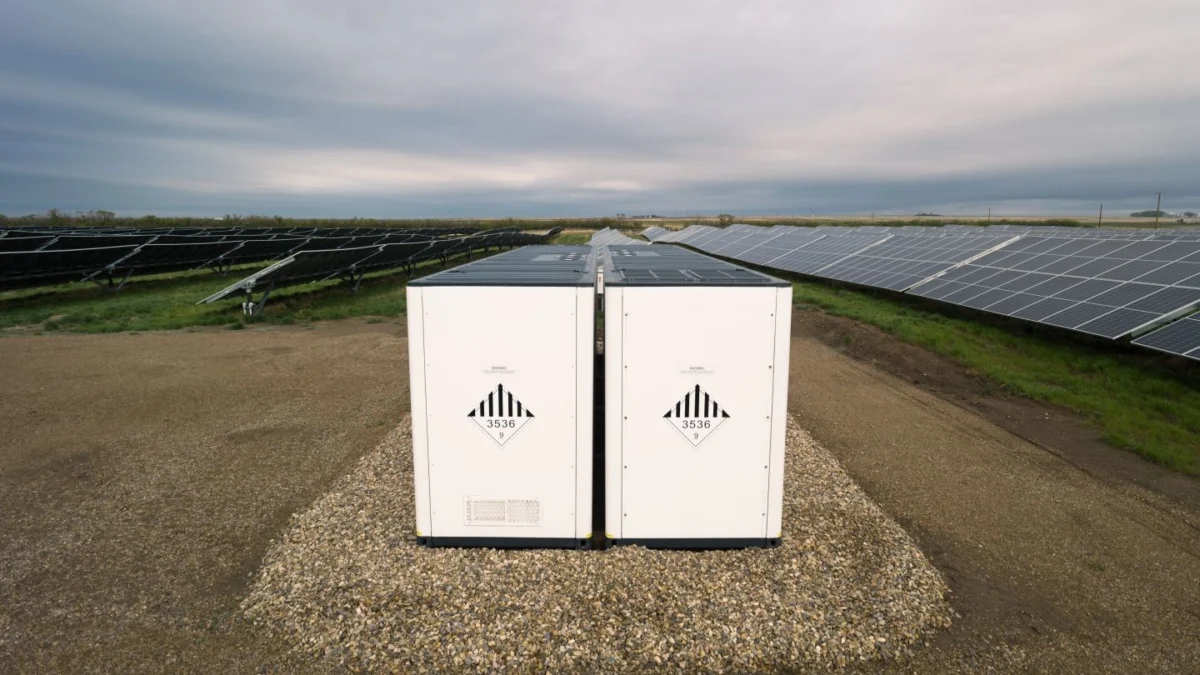
The €661 million in grants represents more than just a financial transaction; it is a strategic investment in the long-term viability of the Dutch energy grid and social infrastructure. The funds are earmarked for a diverse array of projects, with a primary focus on decarbonization.
Key focus areas for this tranche include:
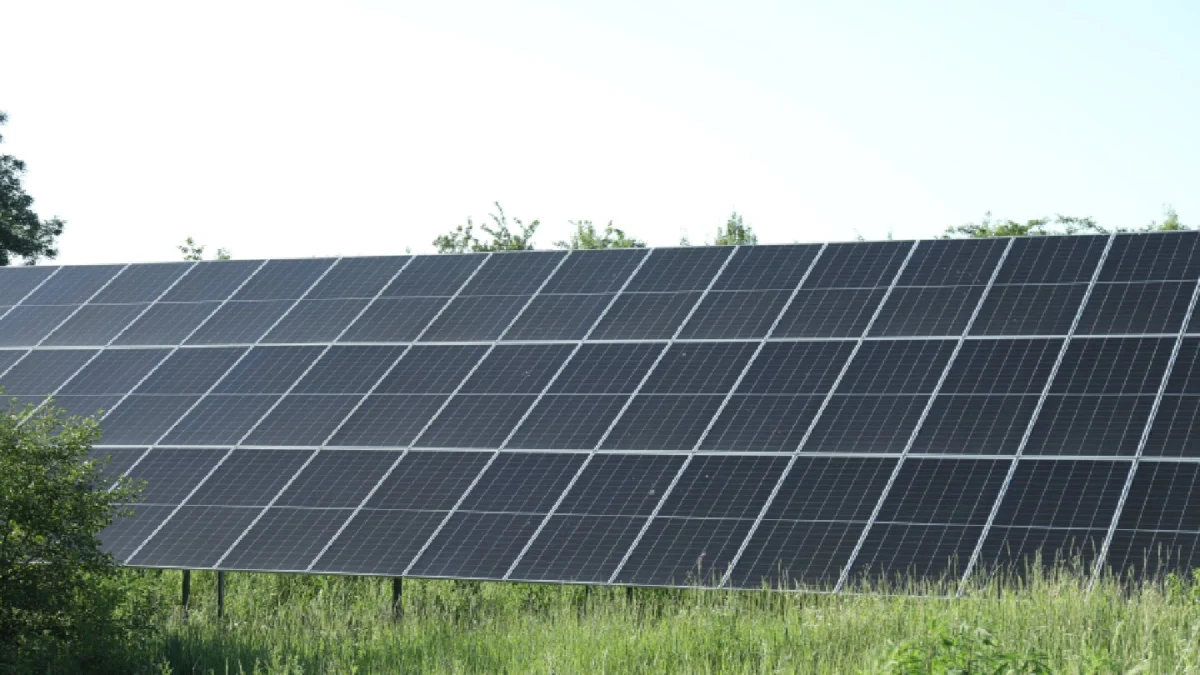
- Offshore Wind Expansion: Scaling up renewable energy capacity in the North Sea to meet increasing industrial demand for clean electricity.
- Green Hydrogen Research: Funding demonstration projects that aim to make the Netherlands a hydrogen hub, essential for decarbonizing heavy industries that cannot rely solely on electrification.
- Energy Efficiency: A massive undertaking to renovate and retrofit over 820,000 Dutch homes, significantly reducing household energy consumption and lowering carbon footprints.
Beyond energy, the payment is inextricably linked to systemic institutional reforms, including critical tax policy adjustments aimed at closing loopholes and the implementation of a landmark national pension system overhaul.
Chronology: The Road to the Fourth Payment
The path to this assessment has been defined by precise milestones and diligent reporting.
- July 2, 2026: The Dutch government officially submitted its fourth payment request to the European Commission, signaling that it had fulfilled the necessary requirements set out in the initial Recovery and Resilience Plan (RRP).
- Late July to August 2026: The Commission conducted a comprehensive review of the evidence submitted, verifying that the milestones—ranging from legislative changes in taxation to physical infrastructure benchmarks—were indeed met.
- September 2026 (Current Phase): The Commission issued its positive preliminary assessment. This triggers the next stage of the process: the file is now under review by the Economic and Financial Committee (EFC).
- The Next Four Weeks: The EFC is tasked with providing an expert opinion on the Commission’s assessment. Once the EFC delivers its verdict and the Commission adopts the formal payment decision, the funds will be transferred to the Dutch treasury.
This timeline is particularly tight, as the EU has set a deadline of late September 2026 for Member States to submit their final RRF payment requests, putting the Netherlands on track to conclude its RRF obligations within the intended timeframe.
Supporting Data: The Scale of Investment
The RRF is the largest stimulus package in the history of the European Union, and the Dutch allocation is a significant component of this massive effort.
The total Dutch RRP is valued at €5.44 billion in grants. With the current approval of the fourth payment, the Netherlands stands to have received approximately €3.73 billion, which accounts for 68.6% of its total RRF allocation.
The implications of this progress are measurable. Upon the successful disbursement of these funds, the Netherlands will have achieved 81.1% of the total milestones and targets outlined in its national plan. This high completion rate positions the Netherlands as a frontrunner in executing the structural reforms required by Brussels.
The scope of the projects—ranging from digital transformation in public administration to educational reforms—highlights that this is not merely an energy project, but a holistic effort to modernize the Dutch state.
Official Responses and Strategic Implications
While the European Commission has remained objective in its assessment, the implications for the Dutch government are profound. By tying the funding to specific reforms, the EU has incentivized the Netherlands to tackle politically sensitive issues, such as the comprehensive reform of the pension system.
In a broader context, these investments support the "fit for 55" goals—the EU’s objective to reduce net greenhouse gas emissions by at least 55% by 2030. The emphasis on green hydrogen and offshore wind is particularly strategic; the North Sea is currently being transformed into Europe’s "power plant," and the Netherlands is positioning itself as a vital node in this regional network.
Moreover, the focus on energy efficiency for 820,000 homes addresses a critical social and economic challenge: energy poverty. By reducing the energy demand of the domestic housing stock, the government is insulating citizens against price volatility in global energy markets, thereby enhancing the country’s social stability.
Broader Context: A Challenging Energy Landscape
The move comes at a time of heightened scrutiny and transformation within the European energy sector. Earlier in July 2026, the European Commission launched an in-depth investigation into the proposed merger between offshore engineering giants Saipem and Subsea 7. This investigation highlights the Commission’s commitment to maintaining competitive markets even as it pushes for rapid industrial expansion in the offshore energy sector.
For the Netherlands, the balance between fostering industrial giants capable of building massive offshore wind farms and ensuring that these companies operate within fair, competitive frameworks remains a delicate tightrope walk. The government’s ability to secure RRF funding while navigating these industrial shifts underscores the complexity of the current energy transition.
The Path Forward: What Comes Next?
As the EFC completes its four-week review, the attention of policymakers will shift toward the finalization of the RRF program. With the September 2026 deadline for final payment requests looming, the Dutch administration must maintain its momentum.
The remaining ~31% of the allocation will be contingent on the successful completion of the final, often most difficult, reforms. These include long-term fiscal sustainability measures and further integration of digital services across public sector departments.
The Dutch public and private sectors are currently witnessing a period of intense capital deployment. The combination of state-backed RRF grants and private sector investment in hydrogen and wind energy is expected to create a "multiplier effect," attracting further international interest in the Dutch energy transition model.
Conclusion: A Blueprint for European Recovery
The positive assessment of the Netherlands’ fourth payment request is a testament to the efficacy of the Recovery and Resilience Facility. It serves as a blueprint for how member states can leverage EU-wide financial support to execute deep-seated, systemic changes.
By prioritizing energy efficiency and cutting-edge research, the Netherlands is not only fulfilling its commitments to the EU but is also building a competitive advantage for its own economy. As the global energy landscape continues to evolve, the investments being made today—in the wind, in hydrogen, and in the very fabric of Dutch housing—will prove to be the foundation of a modern, sustainable, and prosperous nation.
The coming months will be decisive. As the funds begin to flow, the focus will transition from legislative milestones to the physical delivery of projects. For the citizens of the Netherlands, the promise is clear: a more efficient home, a more stable energy supply, and a modern economy that is prepared for the challenges of the mid-21st century.
As the European Commission continues to oversee this transition, the progress in the Netherlands will likely be cited as a benchmark for other Member States as they navigate their own paths through the NextGenerationEU framework. The success of this program is not just about the money; it is about the transformation of the European project into a cleaner, smarter, and more unified force.