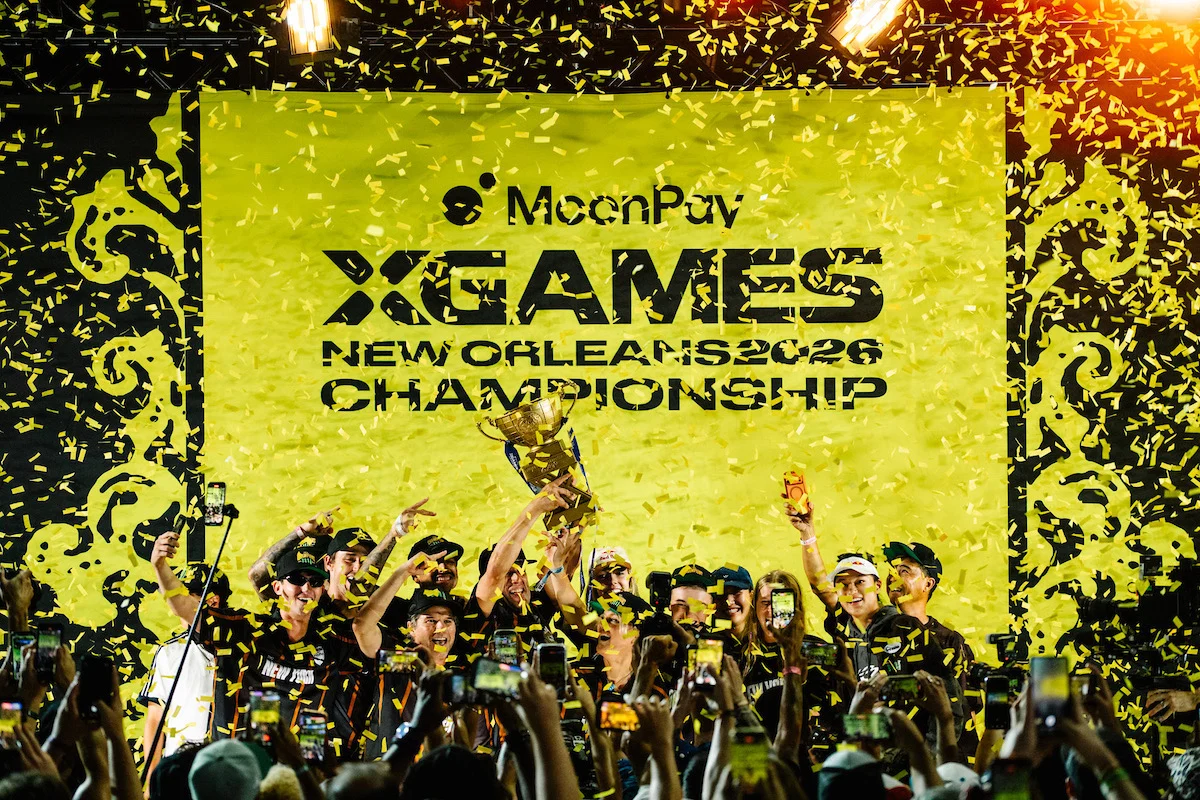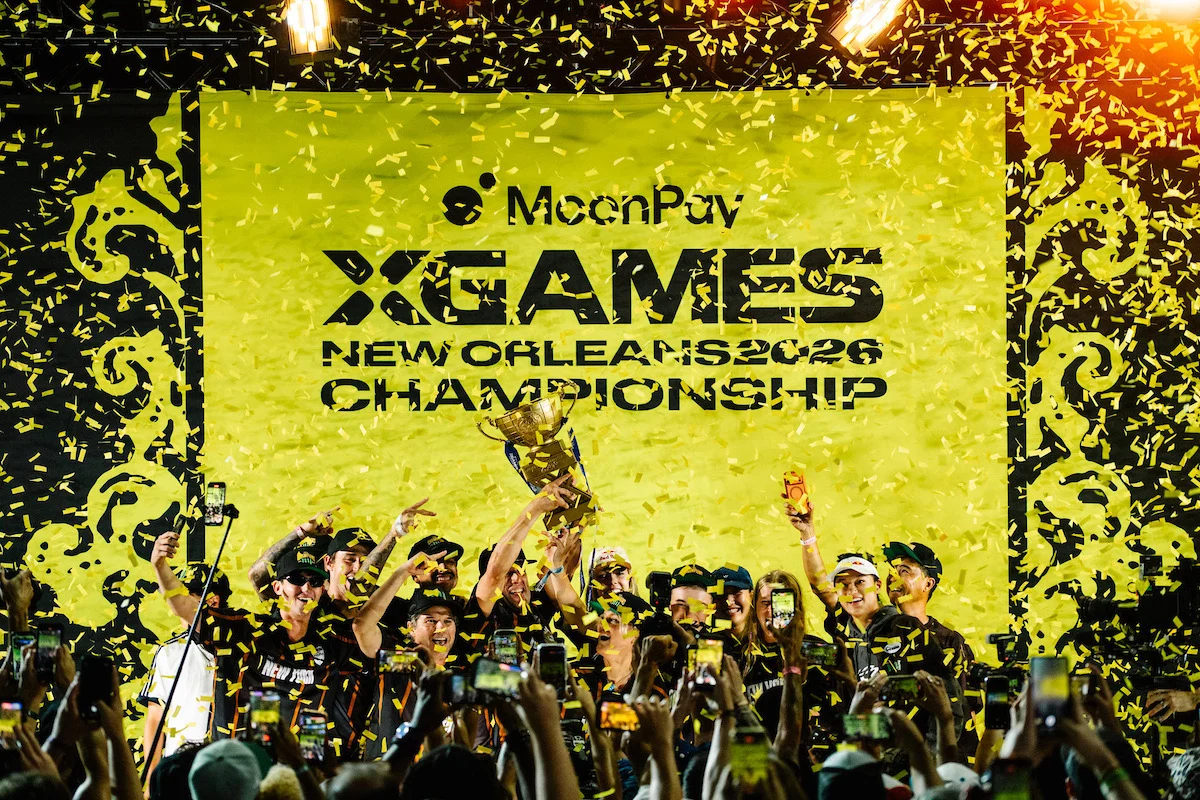
NEW ORLEANS (July 26, 2026) — In a conclusion that defied the laws of sports probability and pushed human endurance to its absolute limit, X Games Club New York (XC New York) captured the inaugural MoonPay X Games League (XGL) championship at the Caesars Superdome. The victory was secured in the final run of the final event of the 2026 season, cementing a $500,000 payday and etching the team’s name into the history books of action sports.
The season-long tension culminated in a razor-thin margin: XC New York finished with 2,640 total points, narrowly edging out XC Tokyo, who concluded their stellar campaign with 2,630 points. XC Los Angeles secured the third-place position with 2,380 points, while XC São Paulo rounded out the top tier with 2,350 points.
The Heroics of Daniel Sandoval
The narrative of the final day was dominated by the extraordinary grit of Daniel Sandoval. Competing in the Stake Men’s BMX Park, Sandoval arrived at the Superdome battling a series of severe injuries, including torn ligaments and a fractured kneecap. Despite the debilitating pain, Sandoval delivered a masterclass in resilience, stomping his second run to secure a critical fourth-place finish.
His performance was the pivot point of the entire championship. With XC Tokyo’s stars Kevin Peraza and Bryce Tryon faltering under the immense pressure of the final heat, Sandoval’s calculated risk-taking proved to be the deciding factor that swung the pendulum toward New York.
Chronology of a Championship Season
The 2026 XGL Summer Season was designed as a global marathon, taking the world’s best skateboard and BMX athletes through high-stakes stops in Sacramento, Chiba, and finally, New Orleans.
The Road to the Big Easy
- Sacramento (The Opener): The league debuted with a high-energy launch that set the tone for team-based competition. Athletes, long accustomed to individual glory, were forced to recalibrate their focus toward collective club points.
- Chiba (The Global Pivot): As the tour moved to Japan, the international talent pool began to separate itself. XC Tokyo utilized their home-field advantage to surge in the standings, creating a rivalry with the New York and LA squads that would dominate the remainder of the summer.
- New Orleans (The Grand Finale): Entering the Superdome, XC New York held a 20-point cushion. The day featured seven intense disciplines: Women’s BMX Park, Men’s Skateboard Vert, Women’s Skateboard Park, Men’s BMX Dirt Best Trick, Men’s Skateboard Park Best Trick, Women’s Skateboard Street Best Trick, and the climactic Men’s BMX Park.
Moment-by-Moment Highlights
The day’s action began with Miharu Ozawa (XC Tokyo) continuing her historic run in Women’s BMX Park, becoming the first rider since Dave Mirra to win three consecutive BMX Park competitions. Her victory provided a massive injection of points for Tokyo, keeping the pressure squarely on New York.
The atmosphere shifted during the MoonPay Men’s Skateboard Vert event, where Tom Schaar (XC Los Angeles) demonstrated why he is considered the ultimate tactician of the sport. Schaar, who began his X Games journey as a 12-year-old prodigy, claimed gold to become the first-ever double gold medalist at X Games to achieve the feat without relying on a 900.
However, the tide began to turn in favor of New York during the Monster Energy Women’s Skateboard Street Best Trick. Momiji Nishiya (XC New York) executed a flawless crooked grind nollie heelflip on the 13-stair rail, a maneuver that effectively neutralized the scoring gains made by Tokyo’s Yumeka Oda and Coco Yoshizawa.
The Rise of an MVP: Mizuho Hasegawa
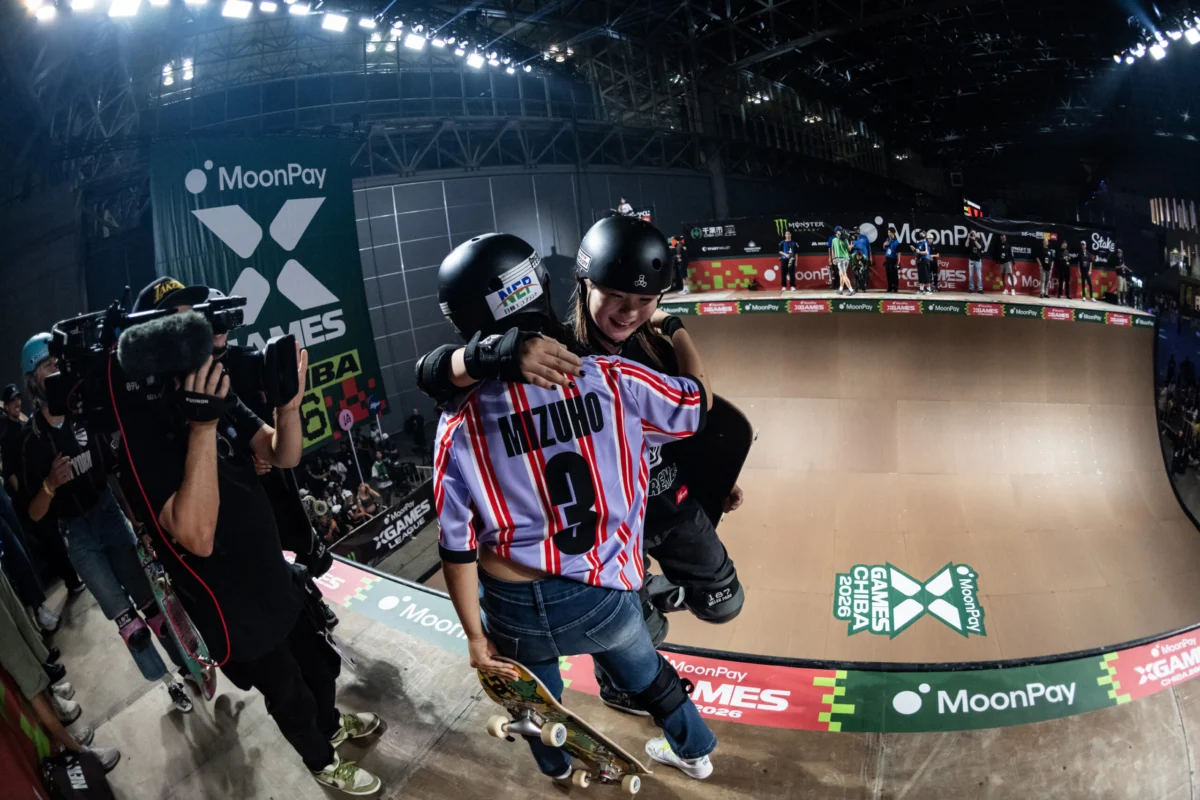
While the team trophy went to New York, individual brilliance was defined by 15-year-old Japanese wunderkind Mizuho Hasegawa. Representing XC Tokyo, Hasegawa finished the 2026 season as the inaugural XGL MVP, a title earned through sheer consistency.
Hasegawa’s season statistics are staggering: eight medals (two gold, five silver, one bronze) across nine events. No athlete in the history of the X Games has ever medaled six times in a single calendar year, let alone eight. She finished the season with 680 individual points. Despite her personal success, her post-event comments highlighted the team-first culture fostered by the XGL.
"I’m really happy that I was able to get the MVP, but of course, I’m really bummed about XC Tokyo not winning the whole thing," Hasegawa remarked. "This would have never happened without the support of my teammates. I’m just grateful to all the athletes who competed."
Supporting Data and Performance Analysis
The inaugural XGL season was not merely a series of competitions; it was a radical shift in how action sports are consumed and measured.
- Tom Schaar’s Historic Feat: In the newly introduced Skateboard Park Best Trick, Schaar achieved the unthinkable: winning four medals in a single event. He finished the weekend with a career total of 24 X Games medals, moving into elite company with legends like Travis Pastrana.
- The Depth of Talent: The competition featured a mix of established veterans and rising stars. Brandon Loupos (Free Agent) secured his first gold in eight years in Men’s BMX Dirt Best Trick, demonstrating that the XGL format provides a pathway for redemption as much as it does for new stars.
- Injury Resilience: League CEO Jeremy Bloom noted that the defining characteristic of the 2026 season was the refusal of athletes to be sidelined by injury. From Hannah Roberts (XC New York) competing on a fractured leg to Daniel Sandoval’s heroic final run, the "team-first" mentality redefined the sport’s culture.
Official Responses and League Vision
The success of the inaugural season has set a high bar for the future of the MoonPay X Games League.
"The first championship in any league becomes part of its history forever," said Jeremy Bloom, CEO of X Games. "This one will be remembered for the extraordinary grit of these athletes. I’ve never seen so many competitors refuse to let injuries define them. They kept showing up, kept dropping in, and kept putting everything on the line for their teammates. That’s the culture we wanted to build."
Steve Rodriguez, the General Manager of the champion XC New York squad, was equally effusive. "I felt like we won the draft," Rodriguez said. "This group of individuals was always into it from the start. They always showed up, always performed, and they always had each other’s backs. Mayor Mamdani, get the bus ready because XC NY is coming for the parade!"
Implications for the Future of Action Sports
The 2026 season serves as a proof-of-concept for the XGL’s team-based model. By fusing geographic identity with individual athletic prowess, the league has successfully created a narrative structure that carries across an entire year.
Expanding the Ecosystem
The XGL format has significantly impacted the sport in three key areas:
- Financial Sustainability: By moving toward a team-based contract model, the league has provided athletes with consistent income, shifting the focus from "winner-take-all" prize purses to a more stable professional career path.
- Fan Engagement: The introduction of team colors, local branding, and inter-club rivalries has allowed casual fans to follow the sport more closely, similar to how fans follow major league sports franchises.
- Broadcasting Innovation: With live coverage across ESPN, Disney+, Roku, and digital platforms, the XGL has maximized its global footprint, proving that high-octane action sports can sustain year-round, multi-platform media interest.
As the dust settles in New Orleans, the legacy of the 2026 season is clear: the X Games League has transitioned from an experimental concept to a foundational pillar of modern sports. With the bar set by the grit of Sandoval, the consistency of Hasegawa, and the strategic mastery of Schaar, the 2027 season is already poised to be an even more competitive endeavor.
The trophy may be headed to New York, but the true winner is the sport of action sports itself—now organized, professionalized, and ready to capture a global audience for years to come.