Origis Energy Accelerates Energy Transition with Landmark Expansion of Rockhound Solar Complex
Posted on by
Executive Summary: A New Titan in the Texas Energy Landscape
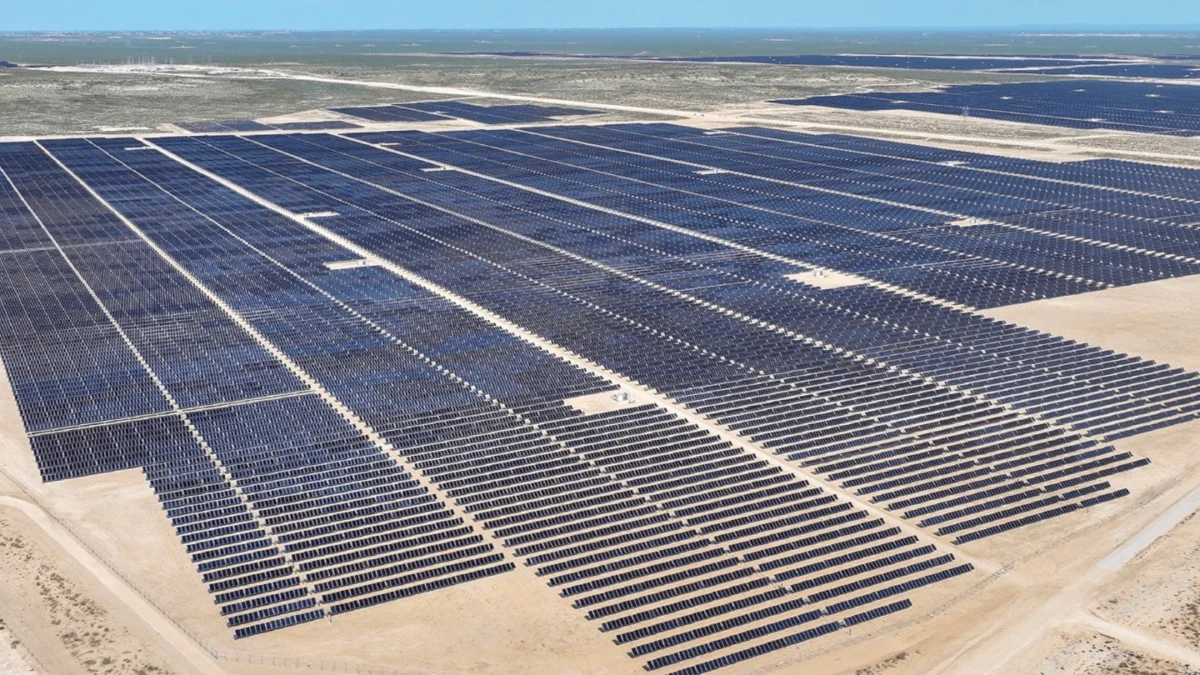
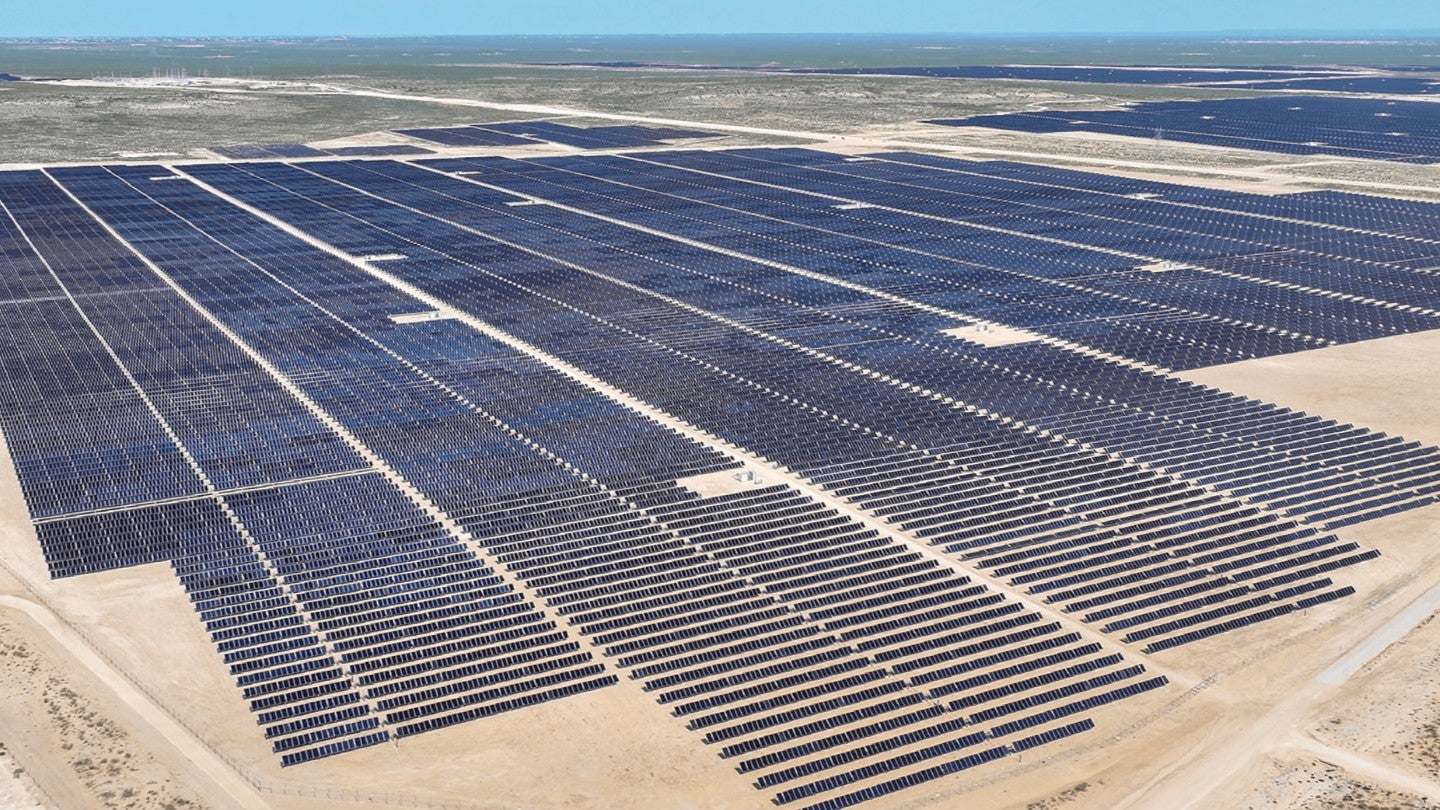
In a significant stride for the United States’ renewable energy infrastructure, Origis Energy has officially announced the commencement of commercial operations for three additional phases of its Rockhound Solar complex in Ector County, Texas. This milestone pushes the facility’s operational capacity to nearly 1GW (gigawatt) of direct current (DC), cementing its status as one of the most formidable renewable energy assets in the country.
The expansion is more than a mere increase in megawatts; it represents a strategic pivot toward meeting the insatiable power demands of the modern industrial sector, particularly as the demand for data centers and high-capacity manufacturing surges. With the project now operating at a near-gigawatt scale, Origis Energy is firmly on track to exceed 2GW of combined solar and storage capacity by 2029.
Chronology of Development: From Concept to Gigawatt-Scale Reality
The journey of the Rockhound complex serves as a blueprint for modern utility-scale project execution. Situated in the heart of the Permian Basin, a region traditionally synonymous with oil and gas, Rockhound represents the "Energy Transition" in its most literal form.
Initial Conception and Site Selection: Origis Energy identified Ector County as a prime location due to its high solar irradiance and proximity to robust transmission infrastructure.
The Swift Air Foundation: The early stages of the complex were anchored by the Swift Air Solar sites, which established the operational and logistical framework for subsequent expansions.
Strategic Financing (March 2026): The project received a major boost earlier this year when Origis Energy secured approximately $545 million in senior secured project financing. This capital was earmarked specifically for three utility-scale solar developments within Ector County, providing the necessary runway to accelerate construction.
Current Expansion (July 2026): The commissioning of the latest three phases adds 500MW of solar capacity. This phase was characterized by a focus on "safety, quality, speed, and certainty," according to project stakeholders.
The Path to 2029: With current capacity at 1GW, the development roadmap now turns toward the next phase, which targets an additional 1GW of solar and integrated battery energy storage systems (BESS).
Supporting Data: Infrastructure and Technical Scope
The technical specifications of the Rockhound project reflect the current industry trend of "oversizing" DC capacity to maximize yield through sophisticated inverter configurations.
Scale and Performance Metrics
Current Operational Capacity: ~1GW (DC).
Projected Capacity (2029): >2GW (Combined Solar and Storage).
Regional Impact: The site acts as a major pillar for grid stability in West Texas, an area historically susceptible to volatility due to the intermittent nature of renewable generation. By integrating future storage capacity, Origis Energy is effectively transitioning the site from a "generation-only" facility to a "dispatchable" power plant.
The Corporate Offtake Ecosystem
The success of the Rockhound complex is underpinned by a robust list of long-term power purchase agreements (PPAs). These are not merely energy contracts; they are strategic partnerships with global leaders who require decarbonized, reliable energy to meet their ESG (Environmental, Social, and Governance) targets. Notable partners include:
Meta: Aligning with the tech giant’s massive data center power requirements.
Occidental: Supporting industrial-scale decarbonization in the energy sector.
DSM-Firmenich and Bekaert: Demonstrating the cross-sector appeal of large-scale renewable sourcing.
Official Responses and Strategic Vision
The scale of this development has drawn significant attention from energy sector analysts, who view the "Origis platform" as a highly efficient mechanism for capital deployment.
Vikas Anand, CEO of Origis Energy, emphasized the importance of the milestone:
"This milestone underscores Origis Energy’s ability to consistently execute at scale. Reaching nearly 1GW of operating capacity in Ector County, Texas, demonstrates the strength of our platform, the depth of customer demand, and our ability to deliver complex, multi-phase infrastructure projects with safety, quality, speed, and certainty."
Anand’s comments highlight a key differentiator: the ability to execute "multi-phase" infrastructure. In an environment where supply chain bottlenecks and labor shortages have plagued many renewable developers, Origis has managed to maintain a steady cadence of commissioning, a feat that is being closely monitored by institutional investors and grid operators alike.
Implications: The Future of Industrial Power
The expansion of Rockhound has far-reaching implications for the Texas power market and the broader US energy strategy.
Data Center Co-location and the AI Boom
One of the most critical aspects of the upcoming 1GW expansion is the potential for data center co-location. With the explosion of Artificial Intelligence (AI) and cloud computing, the demand for power-dense, reliable electricity is at an all-time high. By offering co-location services, Origis Energy is effectively positioning Rockhound as a "behind-the-meter" or "near-the-meter" solution for hyperscalers, bypassing some of the transmission congestion issues that currently plague the ERCOT (Electric Reliability Council of Texas) grid.
Economic and Grid Stability
Beyond the balance sheets of corporate clients, the Rockhound complex is a cornerstone of economic development in West Texas. The project has created significant construction and operations-phase employment, contributing to the tax base of Ector County. Furthermore, the integration of energy storage in the next phase will provide the grid with essential ancillary services—frequency regulation and ramping support—which are vital as more renewables are integrated into the Texas power mix.
A Blueprint for the Future
The success of the Rockhound model proves that large-scale solar is no longer a peripheral energy source; it is a primary utility-grade asset capable of meeting the complex needs of international industrial operators. As Origis Energy pushes toward its 2029 target, the industry will be watching to see how the company balances the complexities of BESS (Battery Energy Storage Systems) integration with the existing solar infrastructure.
Conclusion: Setting the Pace for 2030
As the Rockhound complex continues to grow, it serves as a powerful reminder of the speed at which the energy transition is accelerating. With 1GW already online and another 1GW in the pipeline, Origis Energy is not merely building solar panels; they are building the backbone of the next generation of industrial energy.
The convergence of corporate sustainability mandates, the rise of the data-driven economy, and the technological maturity of utility-scale storage has created a "perfect storm" for developers like Origis. If the progress in Ector County is any indication, the path toward a decarbonized industrial grid is not just possible—it is already under construction.
About Origis Energy
Origis Energy is a leading US renewable energy developer, dedicated to providing clean, reliable energy solutions. With a focus on utility-scale solar and storage, the company operates across the United States, supporting the transition to a low-carbon future through rigorous engineering, financial strength, and a commitment to long-term community partnerships.
In a significant milestone for New Zealand’s transition to a low-carbon economy, renewable energy major Mercury has officially commissioned the second stage of the Kaiwera […]
In a landmark move for European energy infrastructure, the Canada Pension Plan Investment Board (CPP Investments) and Elia Group have announced a definitive agreement to […]
In a decisive move that signals a broader re-evaluation of the renewable energy sector’s near-term commercial viability, Norwegian state-owned energy giant Statkraft has officially finalized […]