In the high-altitude wilderness, the line between physical exertion and medical distress is often dangerously thin. For experienced backcountry travelers, the symptoms of Acute Mountain Sickness (AMS)—headache, nausea, fatigue, and dizziness—are well-known. However, attributing these symptoms to a single cause is rarely straightforward. A recent case study, documented by a veteran guide with over 30 years of experience, highlights a critical reality for mountain travelers: our symptoms are rarely the result of altitude alone. Instead, they are frequently the product of a "perfect storm" involving energy deficits, hydration status, sleep quality, and physical workload.
The Case Study: A Veteran’s Unexpected Struggle
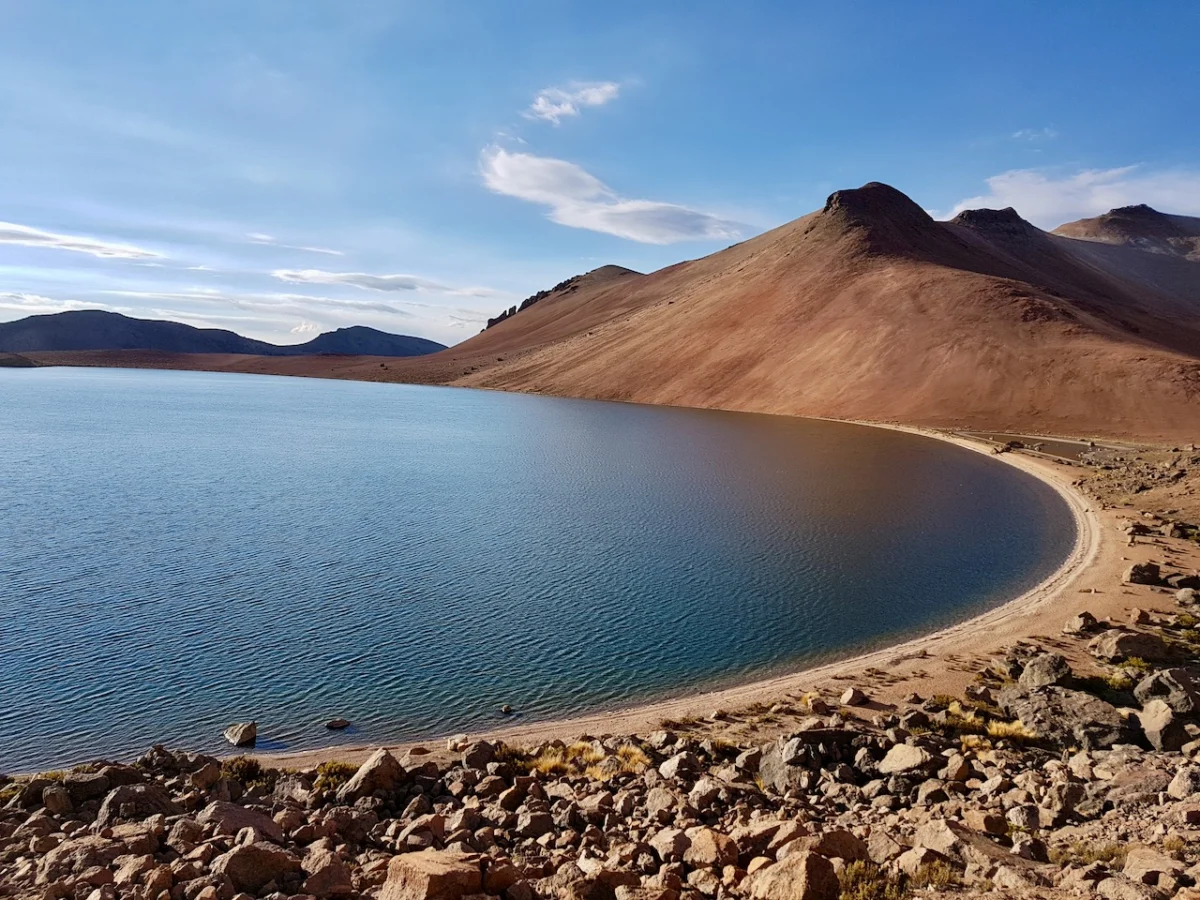
The subject, an experienced outdoorsman living at 7,600 feet in Estes Park, Colorado, considered himself well-acclimatized. Despite his regular exposure to high-altitude environments, a recent one-night backpacking trip to a 11,500-foot lake in northern Colorado resulted in a textbook case of moderate AMS.
Within hours of arriving at the high-alpine campsite, the hiker experienced a rapid onset of symptoms: a throbbing headache, nausea, profound fatigue, dizziness, uncontrollable chills, shakiness, and significant anxiety. Using the 2018 Lake Louise Acute Mountain Sickness Score, his retrospective self-assessment yielded a score of 7, firmly placing him in the "moderate" category of AMS.
This incident serves as a sobering reminder that even seasoned professionals are not immune to the physiological stressors of the mountains, especially when multiple variables converge.
Chronology of a High-Altitude Failure
To understand how an experienced hiker could succumb to these symptoms, one must examine the specific timeline of the trip. The expedition was not merely a simple hike; it was a high-intensity, high-stakes physical endeavor.
- 05:30 AM: Departure from Estes Park (7,600 ft). The subject began the day with pre-existing sleep debt, a factor often overlooked in alpine planning.
- 08:11 AM: Commencement of the hike at approximately 8,600 feet.
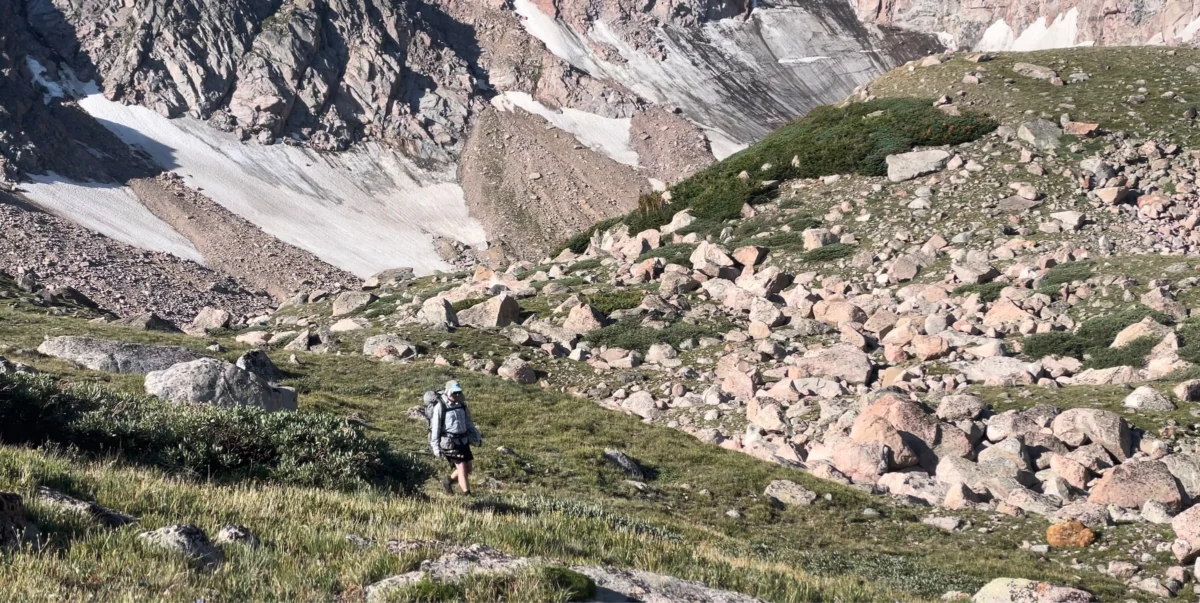
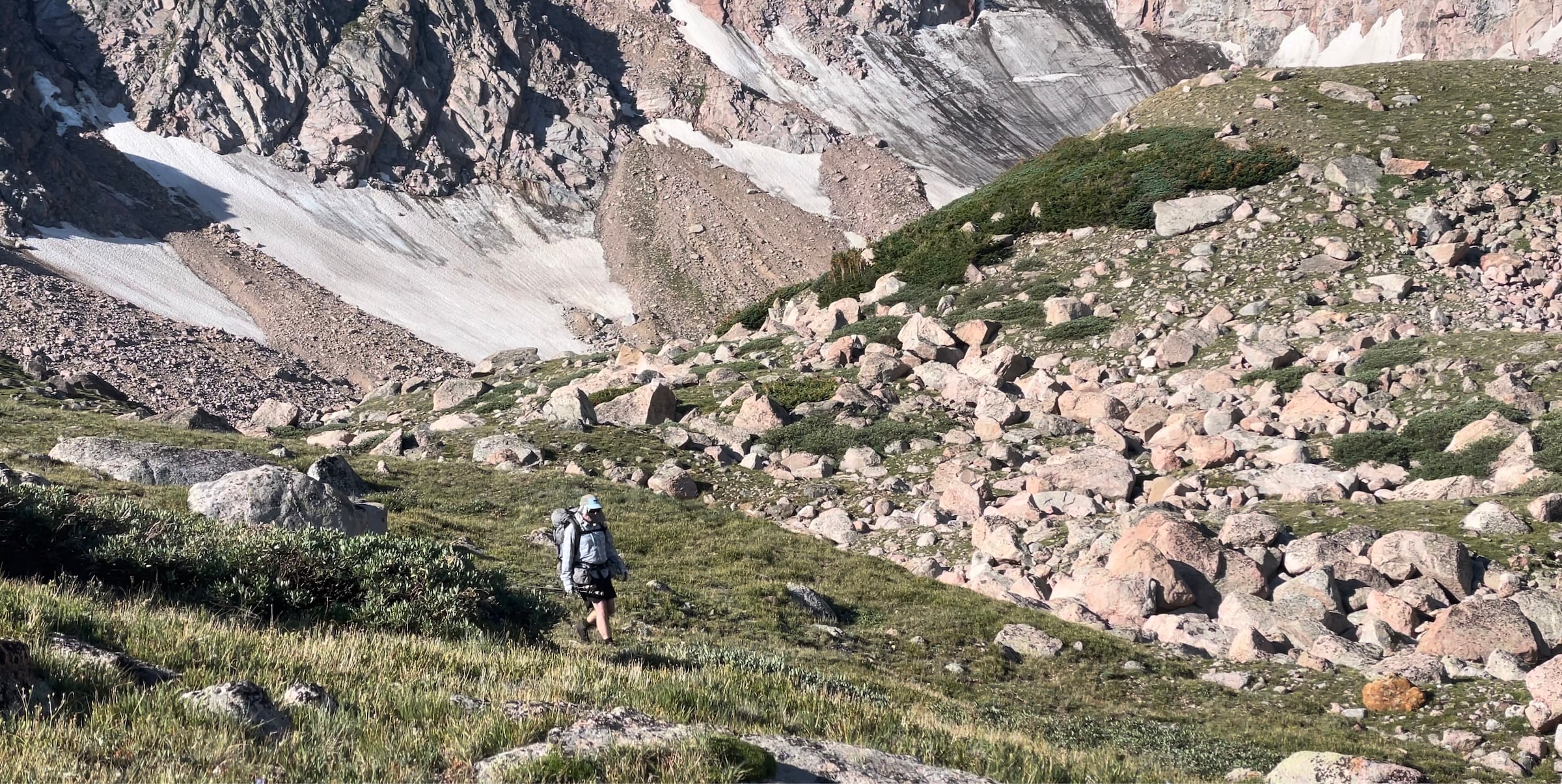
- 08:11 AM – 06:24 PM: The approach. The hiker covered 13 miles of challenging, often off-trail terrain through dense forest and rugged alpine meadows. The route involved 3,800 feet of cumulative elevation gain.
- The Burden: The physical toll was exacerbated by the gear. Carrying a 48-pound pack—excluding water—the hiker started with roughly 52 pounds of gear, representing approximately 32% of his 165-pound body weight.
- 06:24 PM: Arrival at 11,500 feet. The subject reached his destination after over 10 hours of strenuous movement.
- Evening (Post-Arrival): The onset of physiological distress. Within a few hours of stopping, the body, deprived of adequate fuel and hydration, began to react violently to the combination of hypoxic stress and extreme physical depletion.
Supporting Data: The Digital Autopsy
The value of this case study lies in the integration of wearable technology data and nutritional logging. By reconciling Garmin telemetry with a detailed retrospective of caloric intake and fluid consumption, the hiker was able to identify that he was operating in a severe physiological deficit.
1. Carbohydrate Depletion and Energy Deficit
The most striking finding was the massive energy gap. The human body requires significant glycogen stores to power muscle contractions during strenuous climbs. The hiker’s retrospective log revealed that his caloric intake was insufficient to match the caloric expenditure of a 13-mile, heavy-load hike at altitude. This "bonking" or hypoglycemia can mimic the cognitive and physical symptoms of AMS, leading to confusion, shakiness, and fatigue.
2. Hydration and Thermoregulation
Altitude increases respiratory water loss. In the dry, thin air of the Rockies, dehydration is often silent. The hiker’s data suggested inadequate fluid replacement, which impairs blood volume and cardiovascular efficiency. When combined with the body’s attempt to regulate core temperature in the cooling air of an alpine evening, the result was the chills and temperature dysregulation reported in the case.
3. The "Acclimatization Fallacy"
Living at 7,600 feet provides a base level of adaptation, but the jump to 11,500 feet represents a significant "sleeping elevation" increase. While the hiker was technically acclimated to his home elevation, the acute stress of the ascent—coupled with physical exhaustion—meant his body could not compensate for the thinner air.
Implications for Backcountry Safety
The primary implication of this case is the danger of "symptom overlapping." In a medical emergency at high altitude, a hiker or guide must determine if they are suffering from AMS, heat exhaustion, hypothermia, or simple hypoglycemia.
- Diagnostic Difficulty: Because AMS, dehydration, and calorie depletion share symptoms like headache and fatigue, responders often misdiagnose the underlying issue. If a hiker is treated for AMS with descent or medication when they are actually suffering from an acute energy deficit, they may delay life-saving caloric intervention.
- The Role of Wearables: The use of heart rate variability (HRV), pulse oximetry, and sleep tracking in the study suggests that data-driven mountaineering can help differentiate between symptoms. A drop in blood oxygen saturation (SpO2) points toward altitude, whereas a sharp rise in resting heart rate overnight can indicate physical overexertion and poor recovery.
Expert Perspectives and Official Guidelines
While there is no "official" medical response to this specific anecdotal case, it aligns with existing protocols from groups like the Wilderness Medical Society (WMS). The WMS emphasizes that while AMS is a distinct clinical entity, its severity is almost always amplified by systemic stressors.
"The ‘mountain’ is rarely just about oxygen," notes a representative from a regional alpine safety group. "It is about the total stress load. We see many clients who blame the altitude for a headache that is actually caused by 4,000 calories of deficit and a liter of dehydration. When you add the physical stress of a heavy pack and the neurological stress of off-trail navigation, the body’s threshold for hypoxia drops significantly."
Conclusion: Lessons for the Future
The key takeaway from this incident is the importance of "holistic preparation." Hikers often focus on gear weight and physical training while neglecting the finer details of nutritional timing and recovery.
- Prioritize Sleep: Arriving at a trailhead with sleep debt is a significant risk factor for altitude illness.
- Caloric Management: For high-intensity, high-altitude days, the "eat before you are hungry" rule is non-negotiable. Carbohydrate loading before the hike and active refueling during the ascent are critical to maintaining blood sugar and metabolic stability.
- Recognize the Synergy: Hikers must treat their physical status as a cumulative account. If you are dehydrated and tired, your tolerance for altitude will be lower than if you were rested and fueled.
Ultimately, the mountains demand a high degree of humility. Even for those with decades of experience, the physiological reality of 11,500 feet remains a formidable challenge. By viewing our symptoms as complex data points rather than simple labels, we can make better, safer decisions in the backcountry. This case study serves as a masterclass in self-awareness, urging all mountain travelers to look beyond the obvious when the air gets thin and the body begins to falter.