By Alice Broderick | June 18, 2026
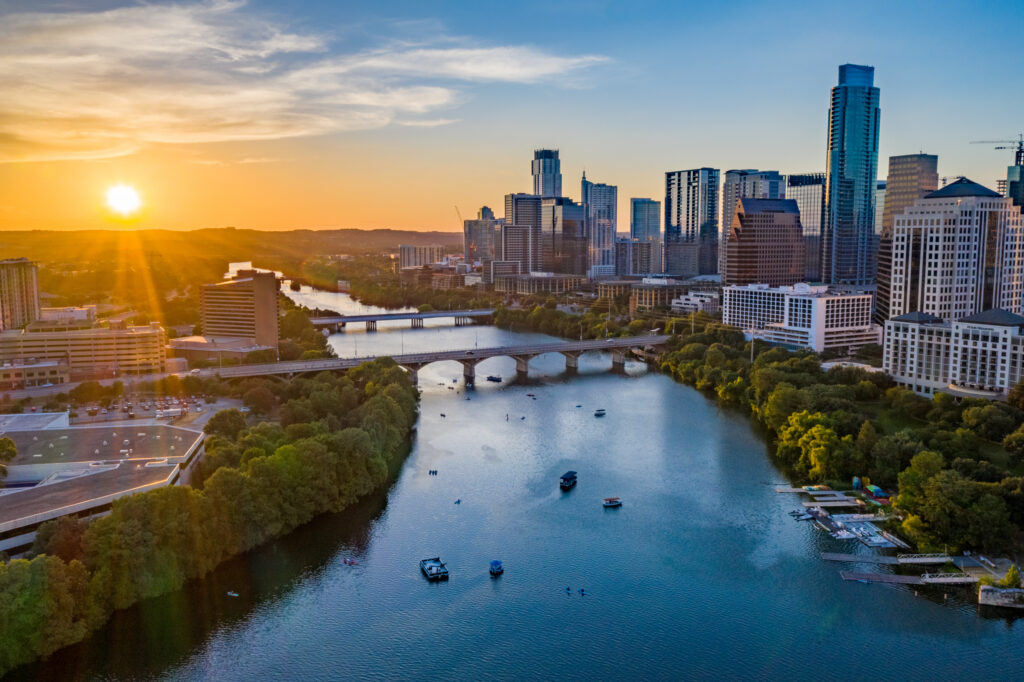
As the summer solstice approaches, the rhythm of the season invites us back to the water. Whether it is the meditative rush of a mountain stream, the steady flow of a major artery like the Colorado, or the quiet, grounding presence of a local creek, rivers are the beating heart of our landscape. For many, summer is defined by these waterways—fishing at dawn, kayaking through afternoon rapids, or simply finding solace in the sounds of a riparian ecosystem.
However, beneath the recreational joy of National Rivers Month lies a sobering reality: our rivers are under unprecedented stress. From industrial pollution to the degradation of natural flow, the threats to our water security are mounting. Yet, as we reflect on the past year, we find a narrative defined not just by these challenges, but by the extraordinary resilience and progress achieved through collective action. At American Rivers, we operate under the foundational truth that Life Depends on Rivers®. As we celebrate this month, we look back at a year of historic victories that prove when communities, policymakers, and advocates unite, we can secure a cleaner, freer future for our nation’s waterways.
The State of Our Rivers: A Chronology of Progress
The past twelve months have served as a testament to the power of persistent advocacy. What began as a series of daunting environmental hurdles transformed into a record-breaking period for river restoration.
2025: A Landmark Year for Dam Removal
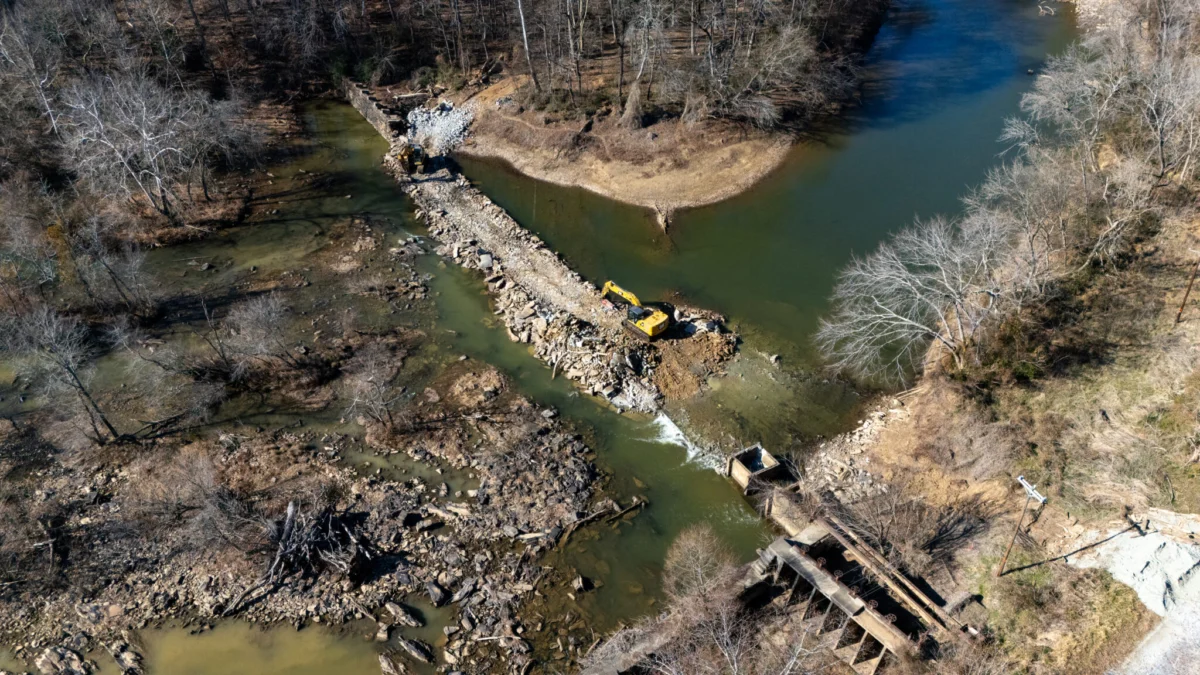
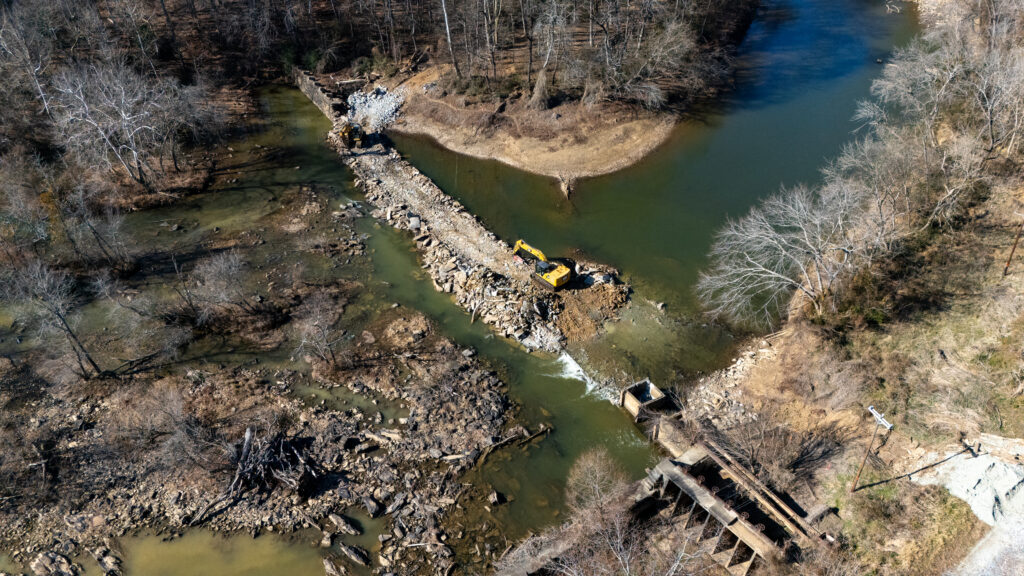
The most significant shift in national river health occurred through the strategic removal of aging infrastructure. In 2025, the United States reached a staggering milestone: the removal of 100 dams. These structures, many of which had outlived their functional purpose, were often decaying, unsafe, and significant barriers to aquatic migration. By dismantling these barriers across 30 states, we reconnected over 4,893 miles of river—the largest single-year expansion of free-flowing water in American history.
Spring 2025: Addressing the Tijuana Crisis
In April 2025, the release of the America’s Most Endangered Rivers® report brought the dire situation of the Tijuana River into the national spotlight. Ranking #2 due to toxic pollution, the river had long been a source of public health crises for border communities. The designation acted as a catalyst for immediate federal engagement, culminating in high-level discussions between environmental advocates and the Environmental Protection Agency.
November 2025: The Ballot Box Breakthrough
Perhaps the most significant financial victory occurred during the November elections. Voters in Texas approved a monumental $20 billion investment in water infrastructure. This bipartisan initiative, aimed at bolstering flood resilience and restoring critical wetlands, marked the largest state-led investment in water resources in the history of the United States.
February 2026: Urban Restoration in the Pacific Northwest
The momentum carried into the new year with the celebration of a major urban wetland restoration project in West Seattle. This headwater recovery project serves as a blueprint for how metropolitan areas can integrate natural infrastructure to mitigate flooding and enhance biodiversity.
Supporting Data: The Mechanics of Restoration
To understand the magnitude of these achievements, one must look at the data driving the conservation movement. The reconnection of 4,893 miles of river is not merely a topographical change; it is a biological rebirth.
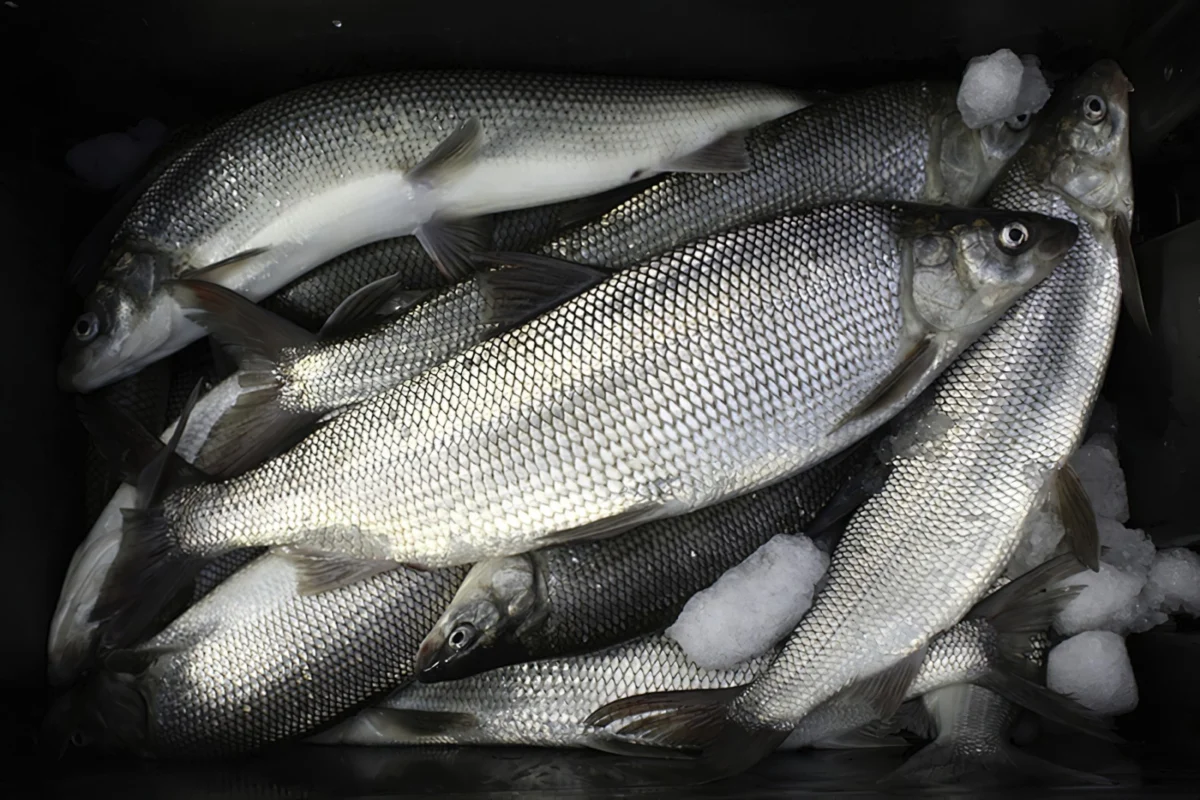
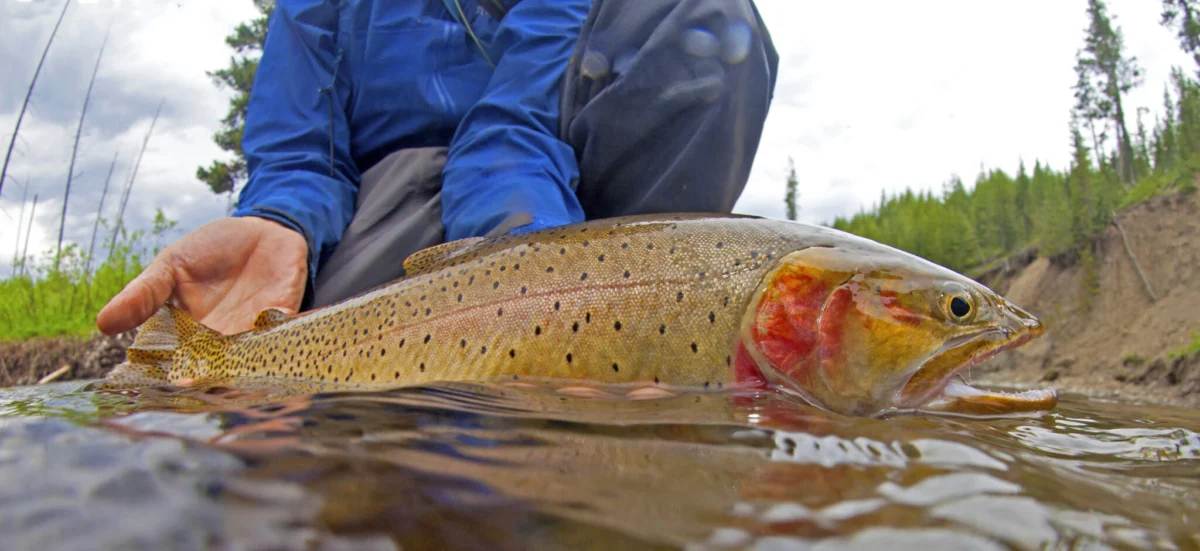
When a dam is removed, the riverine system begins a process of "autogenic restoration." Sediment transport resumes, water temperatures stabilize, and fish species that have been blocked from spawning grounds for decades—such as salmon, shad, and sturgeon—return to their ancestral habitats.
The $20 billion Texas investment provides a similarly robust data set. By allocating $1 billion annually for two decades, the state is moving away from reactive, "hard" engineering (like concrete walls) toward proactive, "soft" infrastructure. Wetlands act as natural sponges; every acre of restored floodplain reduces the potential for catastrophic downstream flooding by thousands of gallons per storm event. The economic multiplier of this investment is estimated to be significant, as every dollar spent on restoration generates local jobs in construction, ecology, and environmental engineering.
Official Perspectives and Advocacy Impact
The successes of the past year were not coincidental; they were the result of a strategic alignment between grassroots organizers and federal policymakers.
The Federal-Community Partnership
The Tijuana River agreement represents a new model for cross-border environmental diplomacy. By elevating the issue through the America’s Most Endangered Rivers® program, American Rivers and partners like the Surfrider Foundation were able to move the issue from the local periphery to the desks of EPA administrators.
"This demonstrates how strategic advocacy, combined with persistent community leadership, drives solutions," said an American Rivers spokesperson. The dialogue with EPA Administrator Lee Zeldin proved that federal agencies are increasingly responsive when local data is presented alongside clear, actionable solutions.
Bipartisan Success at the Ballot Box
The Texas ballot initiative proved that water security is a non-partisan issue. Through the efforts of the American Rivers Action Fund, alongside the National Wildlife Federation and local coalitions, the message was clear: climate resilience is a fiscal necessity. By framing the $20 billion investment as a proactive measure against property loss and infrastructure failure, the campaign successfully moved voters across the political spectrum to support the initiative.
Implications: The Road Ahead
While we celebrate these victories, the work is far from finished. The challenges facing our rivers—from climate-driven drought in the West to nutrient loading in the Midwest—are intensifying. However, the events of the last year provide a roadmap for the future.
The Rise of Urban Resilience
The Seattle wetland project highlights a shift in how we perceive urban centers. We are no longer viewing cities as separate from nature, but as integral components of the watershed. Future initiatives will likely focus on "Daylighting"—the process of uncovering buried or piped streams—to improve urban air quality, reduce the heat-island effect, and provide community green spaces.
The "Free-Flowing" Movement
The momentum behind the 100-dam removal target of 2025 has created a cultural shift. Where dams were once symbols of industrial progress, they are now increasingly viewed as liabilities. We expect to see a continued push for the removal of "zombie dams"—structures that serve no power-generating or flood-control purpose but remain in place due to bureaucratic inertia.
A Call to Continued Action
The success of the past year relies on the engagement of individuals. As we celebrate National Rivers Month, it is vital to remember that policy change is only as strong as the public support behind it. Whether it is signing up for newsletters to stay informed on local water policy or participating in community river cleanups, the individual is the final link in the chain of protection.
As we head into the height of summer, take a moment to visit your local river. Observe the life that flourishes there. The riffles, the rapids, the birds, and the fish—they are all part of a delicate, interconnected system that supports us all. We have proven this year that we have the capacity to heal these systems. With continued dedication, we can ensure that our rivers remain vibrant, healthy, and flowing for generations to come.
Stay Informed
We are hard at work, but the threats to our clean water are constant. To receive the most important news affecting your local watershed and to learn how you can participate in future advocacy campaigns, sign up for our mailing list. Together, we can ensure that every community, in every state, has access to the clean, healthy water upon which all life depends.
Life Depends on Rivers®. Let’s keep them flowing.