In the specialized, high-stakes world of ultralight backpacking, the "one-pound barrier" remains the holy grail. Packs that slide under this weight threshold often sacrifice structural integrity, relying on the user’s ability to pack a perfect "virtual frame" using a sleeping pad. Enter the Durston Wapta 30: a pack that seeks to disrupt this paradigm by integrating premium materials—specifically Aluula Graflyte—with a sophisticated, feature-rich harness system that claims to offer both the weight savings of a frameless pack and the "refinement" of a traditional internal frame pack.
But does the Wapta 30 actually achieve meaningful load transfer, or is it simply a masterclass in ergonomic comfort that masks the inherent limitations of a frameless design? This analysis explores whether the Wapta marks a true mechanical evolution or merely a refinement of existing ultralight conventions.
Main Facts: The Anatomy of the Wapta 30
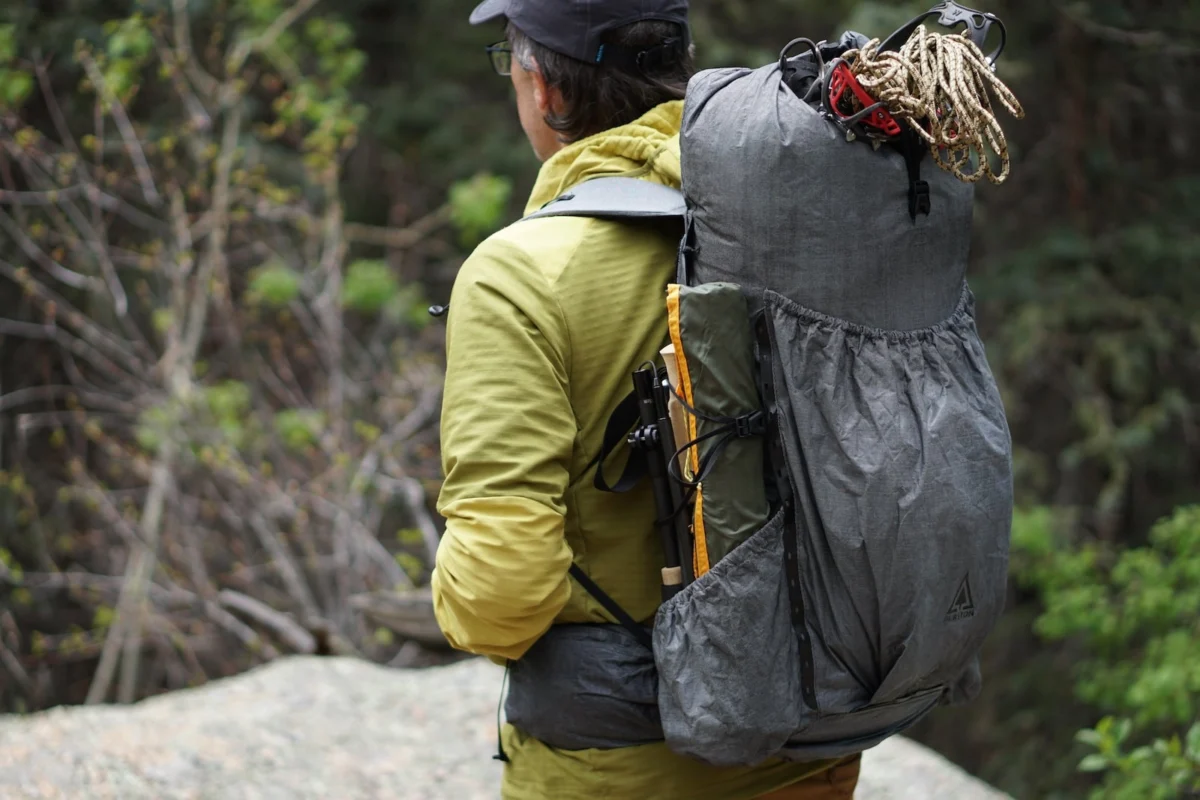
The Durston Wapta 30 arrives at a featherweight ~14 ounces. Its standout feature is the application of Aluula Graflyte, a composite material known for its exceptional strength-to-weight ratio and tear resistance. Unlike traditional Dyneema Composite Fabrics (DCF), Aluula offers a unique hand-feel and structural rigidity that Durston leverages to create a pack that stands upright and holds its shape even when empty.
The pack features an S-shaped padded shoulder harness, a padded removable hipbelt with integrated pockets, and a back panel constructed of dual vertical foam pads that facilitate a center ventilation channel. While the market often conflates these comfort features with mechanical load-bearing capability, the Wapta 30 is, fundamentally, a frameless pack. It lacks the internal stays or rigid framesheets required to bridge the gap between the shoulder straps and the hipbelt, which is the mechanical requirement for true weight distribution.
Chronology of Development and Positioning
The trajectory of the Wapta 30 follows a clear pattern of "feature creep" within the ultralight sector. In the early days of the cottage industry, frameless packs were strictly utilitarian—sacks with straps. Over the last decade, manufacturers like Gossamer Gear and Pa’lante moved toward more specialized designs, incorporating vest-style harnesses and better-organized pocket layouts.
Durston Gear’s entry into this space represents the current culmination of this trend. By integrating high-end aerospace materials (Aluula) with a design language focused on "refinement," the Wapta is positioned for the modern hiker who wants the weight of a minimalist pack but the organizational capacity and perceived comfort of a thru-hiking workhorse. The development of the Wapta reflects a deliberate choice to prioritize "carry stability"—the sensation that the pack is a part of the body—over the traditional "structural load transfer" found in heavier, framed packs.
Supporting Data: The Mechanics of the Carry
To understand the Wapta 30, one must look at the data derived from field testing. During our evaluation, we put the pack through its paces with a standard mountain kit, including 3-season insulation, a solo tent, technical scrambling equipment, and three days of food. Tested weights ranged from 22 to 29 pounds.
Comparative Load Mechanics
| Pack | Structure | Load Path Strategy |
|---|---|---|
| Durston Wapta 30 | Frameless | Relies on torso-wrap and packbag structure. |
| Gossamer Gear Mirage 40 | Framed | X-frame transfers load to hipbelt. |
| Arc’teryx Alpha SL 30 | Semi-Structural | Bonded framesheet provides rigidity. |
The crucial distinction here lies in the load path. In a framed pack like the Gossamer Gear Mirage, the frame acts as a bridge; weight is physically diverted from the shoulders and directed onto the iliac crest via a rigid interface. In the Wapta 30, the hipbelt is "floating"—it is not structurally integrated with the back panel or a frame. Consequently, while the hipbelt is comfortable and provides stability, it does not physically lift weight off the trapezius muscles in the way a frame would.
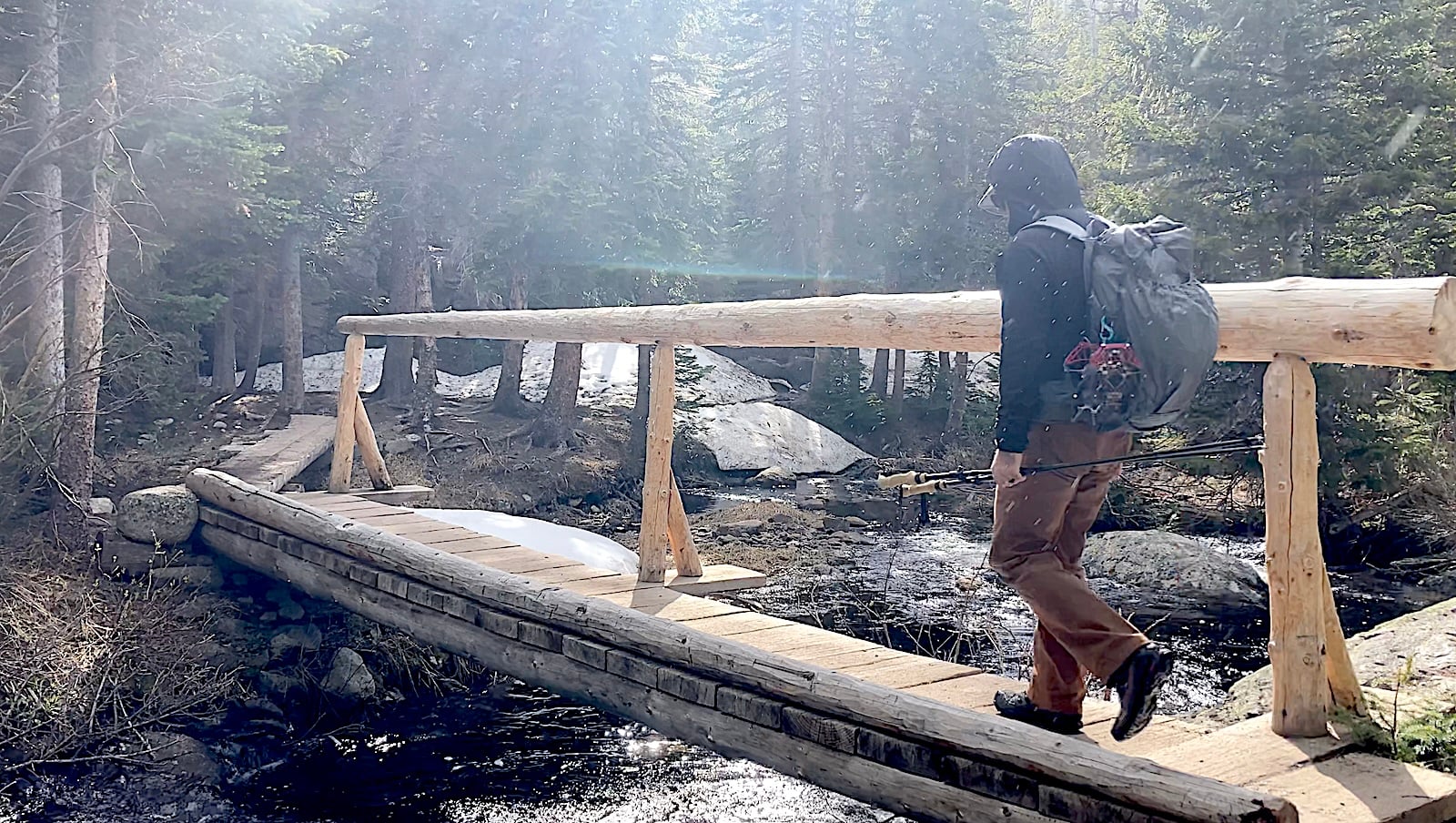
Instead, the Wapta relies on "torso coupling." The padding and the harness geometry create a high-friction, high-contact interface that distributes pressure evenly across the back and chest. This effectively reduces "bounce" and makes the pack feel lighter, but the actual weight remains largely supported by the shoulders.
Official Perspectives and Market Response
Durston’s marketing copy for the Wapta 30 focuses heavily on the "comfort" and "refinement" of the harness. By emphasizing the ergonomic shaping of the shoulder straps and the efficacy of the hipbelt, the brand appeals to users who have previously found frameless packs "digging in" or shifting uncomfortably on technical terrain.
Industry experts have noted that the Wapta occupies a "Goldilocks" zone. It is significantly more comfortable than a minimalist sack like the Gossamer Gear Murmur, yet it avoids the weight penalty of a full-frame pack. However, there is a clear divide in the community:
- The Traditionalists: Argue that a pack without a frame is simply a sack, and that any "load transfer" claims are marketing hyperbole.
- The Modern Ultralighters: Argue that by optimizing the harness and using rigid, high-performance fabrics like Aluula, the "need" for a frame is reduced, provided the user keeps their total carry weight within the 20–25 lb range.
Implications for the Future of Backpack Design
The Wapta 30 serves as a case study for the limits of frameless design. Its existence suggests that we may have reached the mechanical ceiling of what can be achieved without a frame.
The Illusion of Load Transfer
The most significant implication of the Wapta is the distinction between "perceived comfort" and "mechanical efficiency." Hikers often equate a pack that doesn’t bounce with a pack that transfers load. The Wapta is exceptionally stable—it does not bounce—but it does not offload the shoulders. For the user, this is a distinction without a difference as long as the weight remains low. However, for those looking to carry heavier loads (approaching 30+ lbs), the lack of structural coupling becomes the limiting factor.
The Material Revolution
The use of Aluula Graflyte in the Wapta is arguably more transformative than the harness design. By utilizing a fabric that does not "bag out" or deform under tension, Durston has created a frameless pack that maintains its intended geometry even after miles of rugged use. This creates a more consistent carry experience than traditional nylon or even standard DCF packs, which may lose their shape over time, leading to a "saggy" fit that ruins the harness’s intended ergonomics.
Conclusion: Who is the Wapta 30 For?
The Durston Wapta 30 is not a magic bullet for heavy loads. It is a highly refined, technologically advanced tool for the experienced ultralight hiker who understands the limitations of their kit. If you are a hiker who prioritizes movement, speed, and the ability to navigate technical terrain without a pack "fighting" your center of gravity, the Wapta offers a superior interface. It provides a level of stability and comfort that genuinely elevates the frameless experience.
However, for those seeking true load transfer—the ability to carry significant weight for extended periods without shoulder fatigue—a frame remains non-negotiable. The Wapta 30 proves that you can make a frameless pack feel incredibly refined, but it also underscores the enduring physics of the trail: when the weight goes up, the frame must follow. As materials like Aluula continue to evolve, the line between "frameless" and "framed" may continue to blur, but for now, the Wapta 30 stands as the pinnacle of what a frameless, comfort-focused pack can achieve.