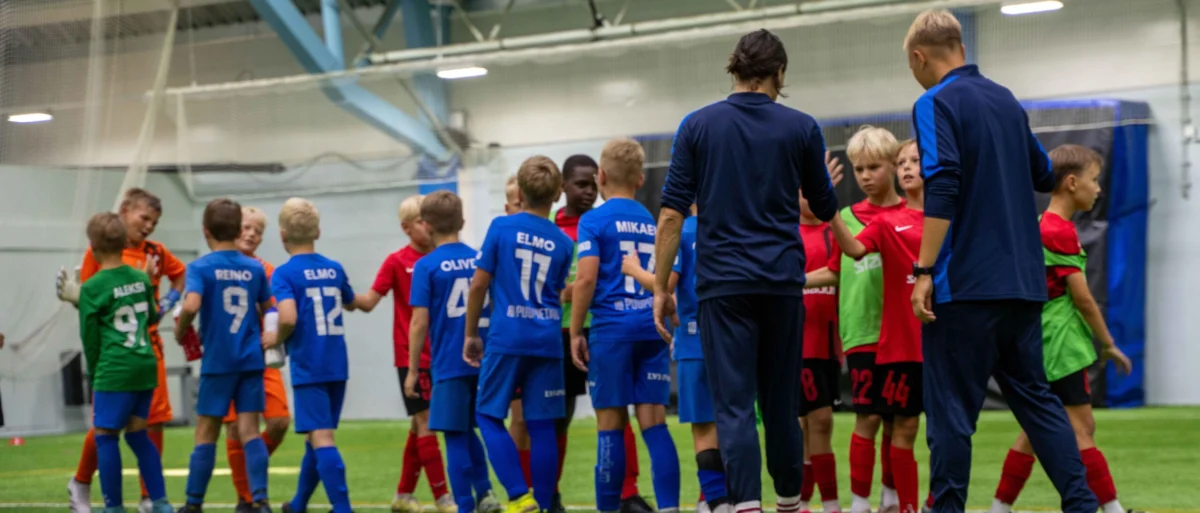
In a world where youth sports are often characterized by rigid structures, relentless competition, and early specialization, the Finnish Football Association (Palloliitto) is charting a bold new course. For the third consecutive year, the association—in partnership with the Eerikkilä Sport & Outdoor Resort—has hosted the "Huuhkaja- ja Helmaripolku" (Eagle Owl and Helmar Path) development event for 10-year-olds. This two-day initiative, which brings together 50 teams from across the country, is more than just a tournament; it is a laboratory for pedagogical innovation in youth sports. By dismantling traditional barriers and prioritizing the child’s autonomy, Finland is fostering a new model of athletic development that emphasizes joy, oivallisuus (insight), and long-term participation over early results.
The Core Philosophy: Moving Beyond the Rulebook
At the heart of this initiative is a fundamental shift in how we perceive the role of rules in children’s sports. Antti Kekkonen, Manager of Football Services at Eerikkilä, acknowledges that change can be uncomfortable for those accustomed to traditional frameworks.
"We are deeply conditioned to certain boundaries and rules," Kekkonen notes. "Abandoning them can feel daunting at first. However, if we focus on the developmental needs of 10-year-olds, it becomes clear that while rules have a function, they must be adapted to the child’s world. The game needs to be insightful and inspiring. We must strengthen the child’s own sense of self-efficacy."
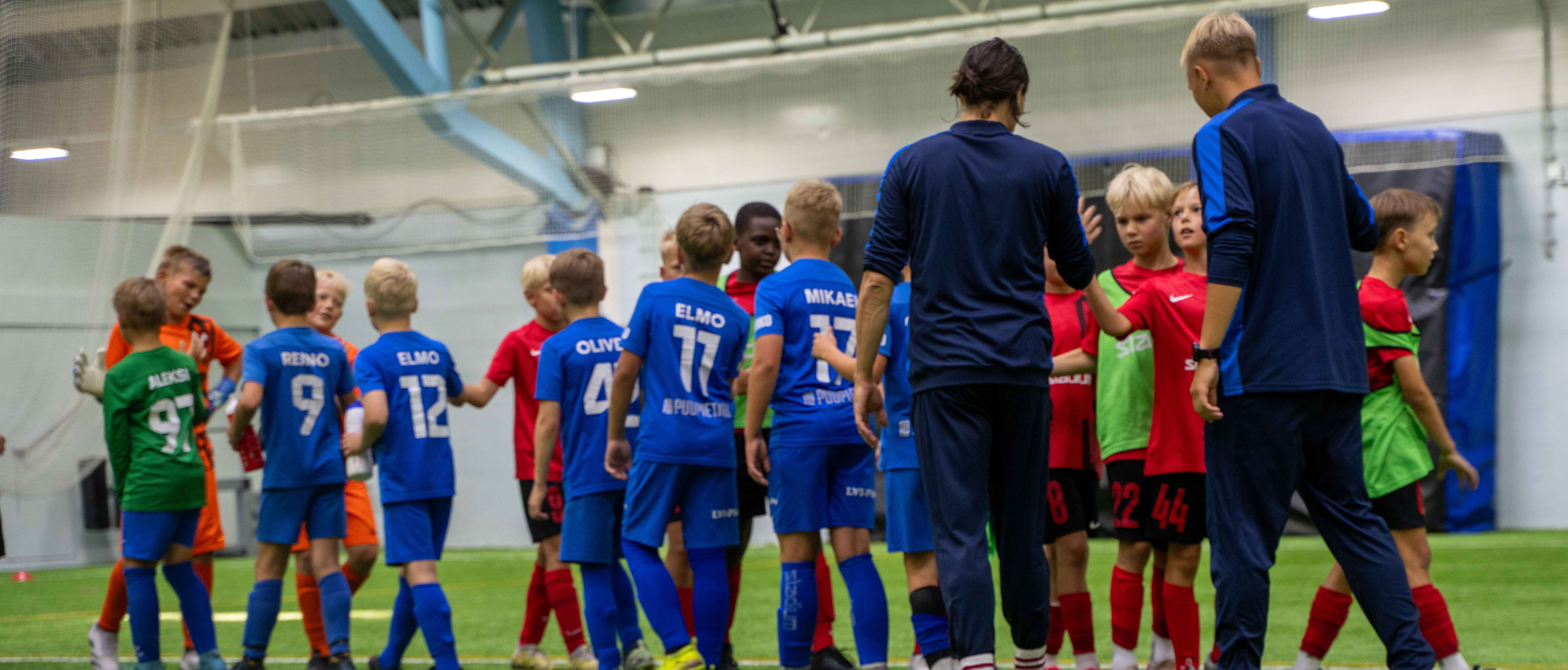
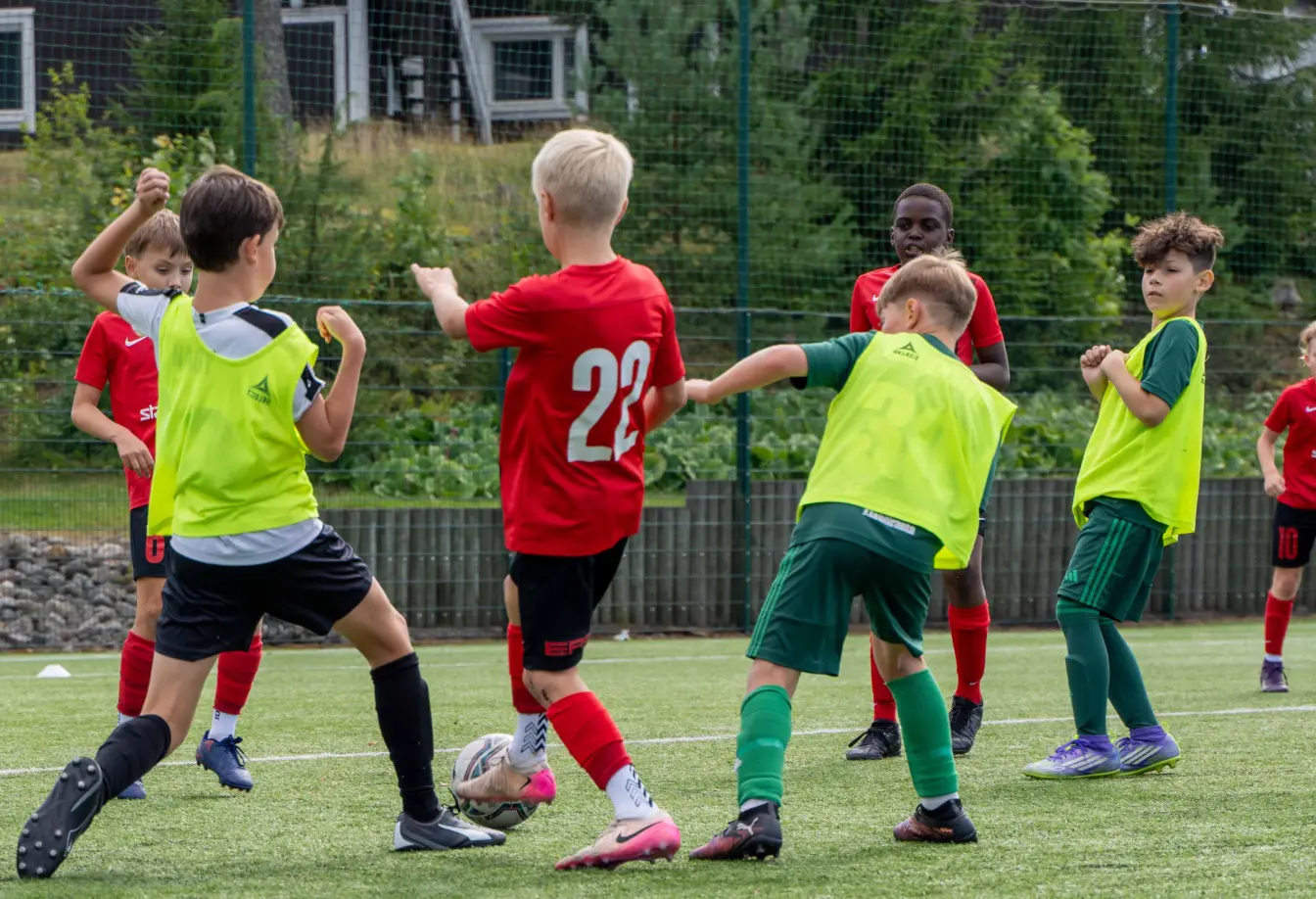
The event’s organizers have actively sought to "re-engineer" the game, tweaking field sizes and player counts to ensure that the environment serves the child, rather than forcing the child to serve the environment. The most radical of these changes is the removal of adult referees in game situations, a move designed to cultivate autonomy and problem-solving skills.
Chronology of Change: From Rigid Structures to Adaptive Play
The evolution of the Huuhkaja- and Helmaripolku program has been a deliberate process, rooted in the broader development of the Finnish Football Association’s coaching curriculum.
The Foundational Phase
The program began as a response to the "childhood phase" of the national development process. The goal was never to create a trophy-winning event, but to create a holistic environment where families, coaches, and children could engage in a shared learning experience.
The Implementation Phase (2023–2024)
During the first two years, the organizers focused on scaling the event to reach 50 teams nationwide. This involved extensive collaboration between the Football Association, regional clubs, and Eerikkilä. During this period, the concept of "fluid play" was introduced, where teams would switch between 7v7 and 4v4 formats, forcing players to adapt to varying spatial requirements.
The Refinement Phase (2025–Present)
By the 2025 iteration, the "radical" changes—such as the absence of referees—had become the new norm. Feedback indicated that the initial confusion felt by parents and coaches had dissipated, replaced by a realization that children are, in fact, remarkably capable of resolving their own conflicts. Today, the program is recognized as a cornerstone of Finland’s attempt to combat the national trend of early sport abandonment.
Supporting Data: Why "More Play" Matters
The pedagogical foundation of the program is built on the concept of "deliberate play." According to Jani Tulehmo, Manager of Children’s Coaching Development at the Finnish Football Association, the variety of formats provides children with essential cognitive and physical stimuli.
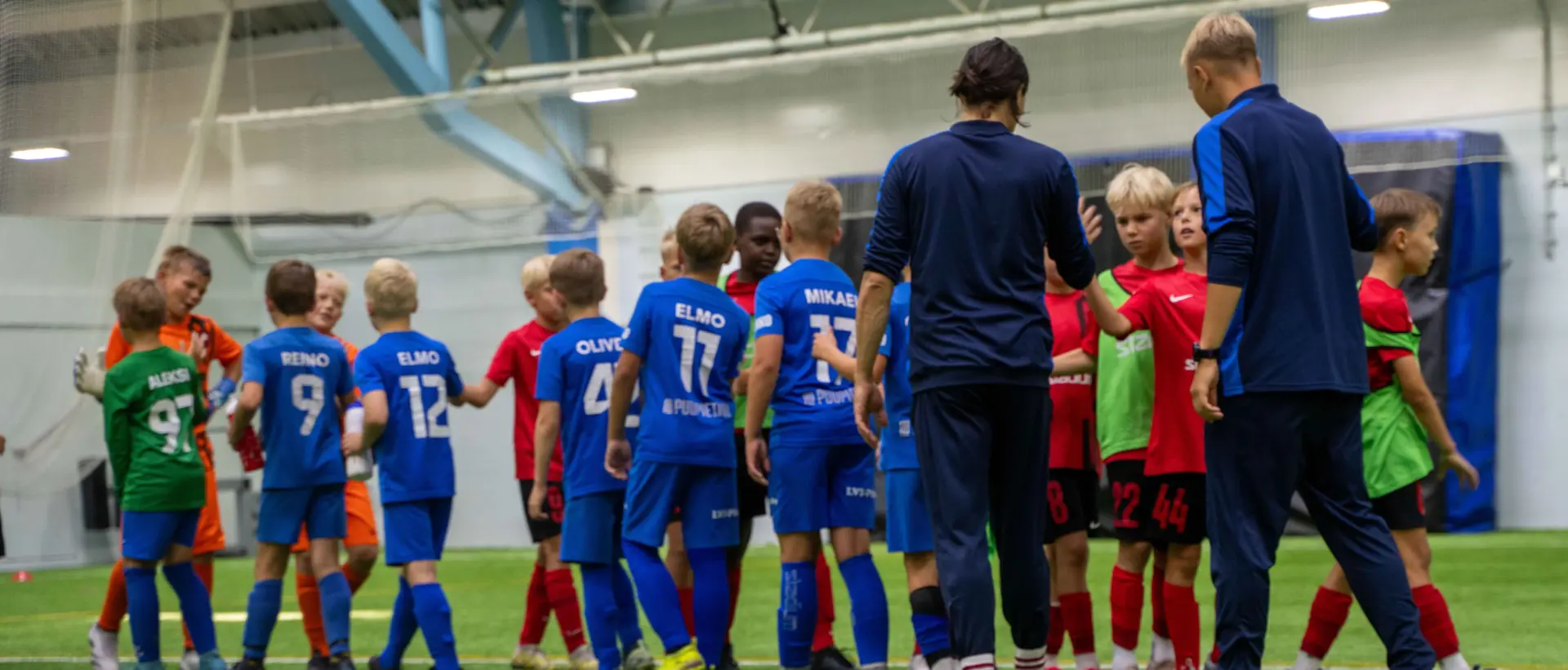
"Different game formats and field sizes allow for different stimuli and footballing actions," Tulehmo explains. "We are moving away from the ‘waiting room’ culture of youth sports. We don’t want players sitting on a bench for half the game. When they aren’t on the field, they are engaged in active, guided 1v1 exercises."
Key data points regarding the impact of the program:
- Volume of Play: Players participate in a significantly higher number of matches than in standard weekend tournaments, leading to increased technical repetition.
- Spatial Awareness: By alternating between large (7v7) and small (4v4) fields, players are forced to switch their focus between high-speed open-field play and tight-space, high-frequency decision-making.
- Cognitive Engagement: The removal of the referee requires players to communicate and negotiate, which contributes to the development of emotional intelligence and team cohesion.
Official Responses: Voices from the Pitch
The success of the event is best captured by those directly involved—the players and the organizers.
The Children’s Perspective
For the participants, the new format is refreshing. Timofei, a 10-year-old participant, noted his excitement for the 4v4 games, describing them as "fast-paced, with lots of movement." Aaro, another participant, was surprised by the absence of referees, observing, "I haven’t seen many free kicks. Actually, I haven’t seen any at all."
For many children, the game is no longer interrupted by the whistle, allowing for a "flow state" that is often broken in traditional matches. Leo, Rasmus, and Eetu, reflecting on their team’s strengths, expressed a preference for the variety: "We are used to playing on different fields. It helps us feel more comfortable regardless of the space."
The Coaches’ Perspective
Antti Kekkonen reflects on the feedback from the adult side: "The feedback has been overwhelmingly positive. Coaches appreciate that players are getting more touches on the ball and that the format forces them to learn new concepts through play rather than through lectures. The parents have also been supportive, appreciating the focus on volume and development over the final score."
Implications: A National Crossroads
The urgency of this initiative cannot be overstated. Finland, like many Western nations, is currently at a turning point in youth sports. Participation rates are fluctuating, and the "drop-out" age is creeping lower. Research consistently shows that the causes—reduced daily physical activity, premature specialization, and an over-emphasis on competitive results—are damaging to both long-term health and the development of future talent.
The Role of the Family
A critical component of the Huuhkaja- and Helmaripolku event is the inclusion of the family unit. The event serves as a seminar for parents, addressing topics such as:
- The "Sports-Life" Balance: How to support a child’s development without adding unnecessary pressure.
- Total Activity Volume: Understanding that a child’s development is influenced by their entire day, not just the hour spent on the practice field.
- Self-Directed Training: Encouraging the "play for fun" culture where children take initiative in their own spare time.
Shaping the Future
The collaboration between the Finnish Olympic Committee and 40 national sports federations represents a unified front. The goal is clear: to ensure that every Finnish child can find the joy of sports, belong to a group, dream big, and participate on their own terms.
By removing the barriers that turn sports into a bureaucratic, performance-driven grind, the Finnish Football Association is not just building better footballers; it is building more resilient, active, and joyful citizens. The 10-year-olds currently running across the indoor halls of Eerikkilä are the test subjects for a new national strategy—one that recognizes that the most important development happens when the kids are left to play, learn, and grow, largely on their own terms.
As Jani Tulehmo aptly summarizes, "We compete in every game, and we play to win, but we do not play for the sake of rankings. The development of the player is the only metric that truly matters." In this light, the Huuhkaja- and Helmaripolku program stands as a beacon for the future of global youth sports.