In a significant move to fortify India’s electrical infrastructure, Tata Power has successfully commissioned the second phase of its Jalpura-Khurja transmission project in Uttar Pradesh. Executed through its wholly-owned subsidiary, TP Jalpura Khurja Power Transmission Ltd (TPJKPTL), this milestone marks a pivotal advancement in connecting the burgeoning power demand centers of the National Capital Region (NCR) with the strategic generation nodes of Western Uttar Pradesh.
The commissioning of this high-voltage corridor underscores Tata Power’s growing footprint as a critical infrastructure developer in India’s energy transition. By enhancing the transmission architecture, the company is not only facilitating the seamless flow of electricity but also addressing the urgent need for grid stability in one of the world’s most rapidly urbanizing regions.
Main Facts: A Technical Overview of the Expansion
The newly operational segment of the Jalpura-Khurja project is a sophisticated engineering feat designed to handle high-capacity power loads. The project comprises two core components that significantly augment the regional transmission capacity:
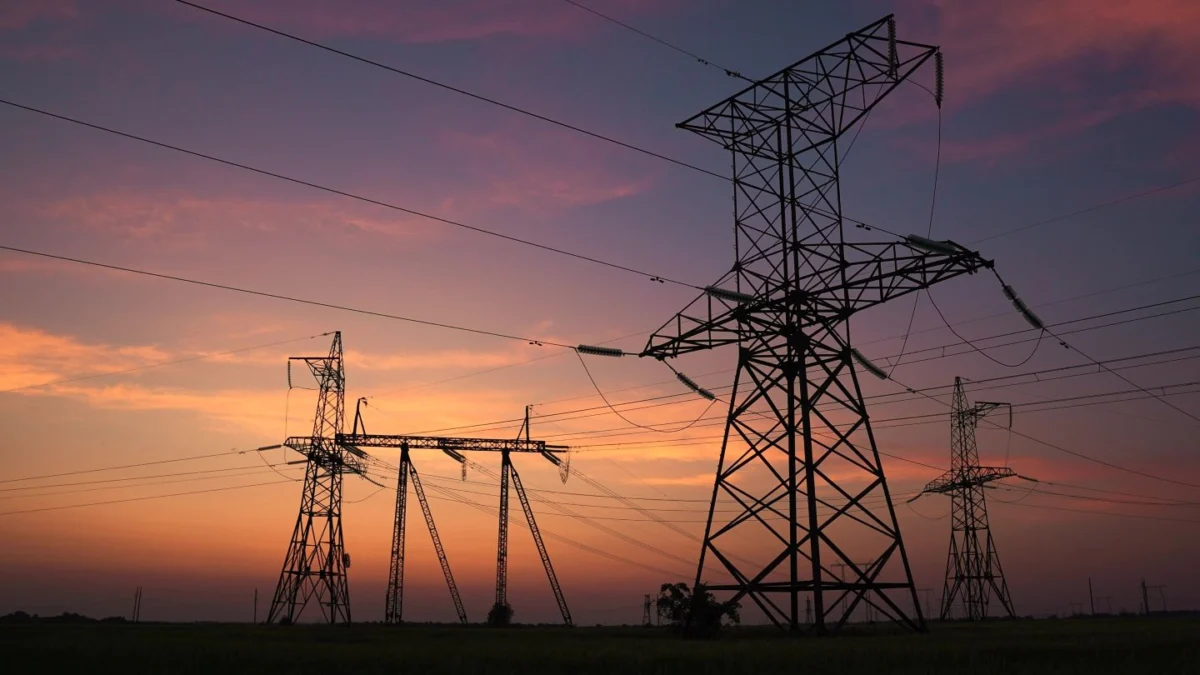
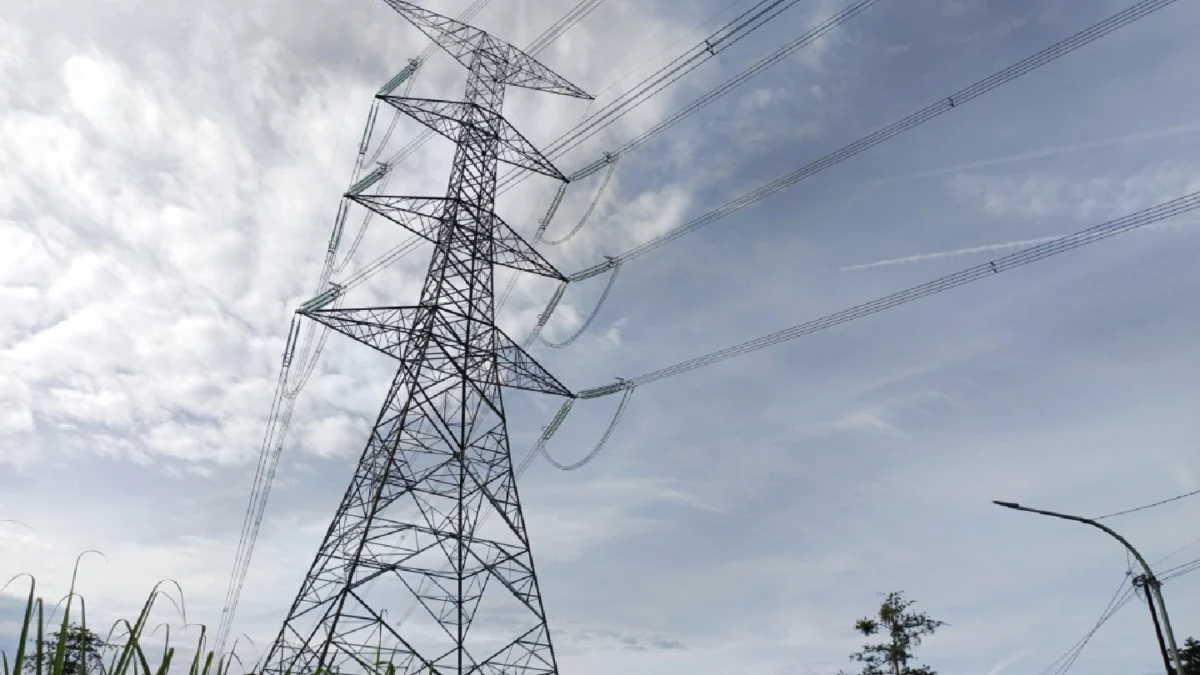
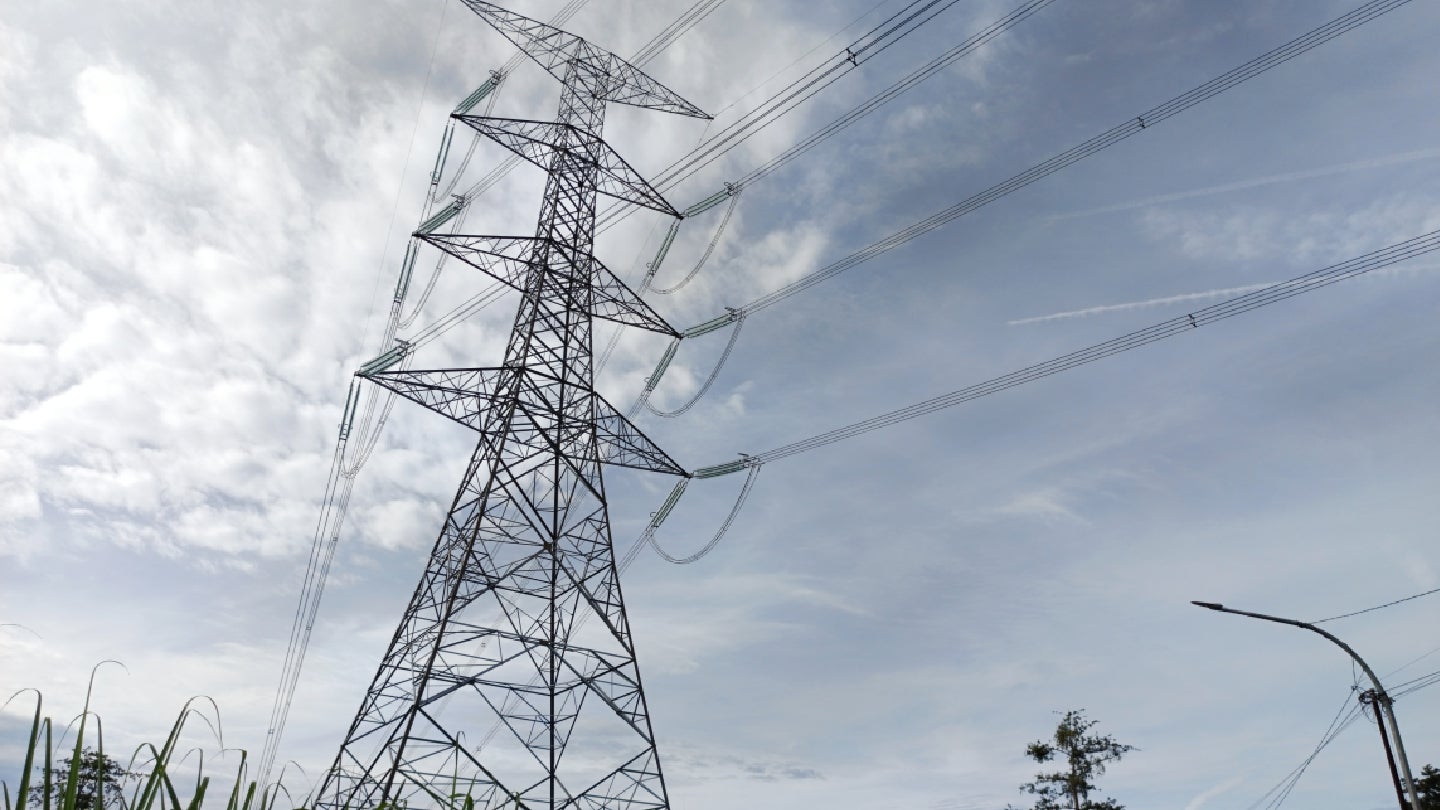
- High-Voltage Transmission Lines: The project adds 162 circuit kilometers (CKM) of 400kV double-circuit transmission lines. Spanning approximately 81 kilometers each, these lines form a vital link between the Khurja node and the Jalpura destination.
- Jalpura Substation: At the heart of this expansion is the new 400/220kV gas-insulated substation (GIS) at Jalpura. With a transformation capacity of 1,000 MVA, the facility acts as a strategic gateway, stepping down extra-high voltage (EHV) power to the 220kV level for local distribution.
By utilizing gas-insulated switchgear technology, the substation provides a compact and highly reliable solution, essential for the space-constrained landscape of the NCR. This infrastructure ensures that power generated in the industrial hubs of Western Uttar Pradesh can be efficiently transported and distributed to meet the escalating energy demands of Noida and the surrounding metropolitan areas.
Chronology: A Trajectory of Growth
Tata Power’s recent achievements in Uttar Pradesh are part of a broader, long-term strategy to expand its transmission holdings. The timeline of these developments reflects a consistent commitment to grid modernization:
- March 2026: Tata Power completed the commissioning of the South East UP Power Transmission Company project. This massive undertaking included the 400kV Tanda-Gonda and 400kV Gonda-Basti lines, covering 154 CKM. This project collectively established a complex network of 765kV and 400kV lines alongside massive substation capacities, effectively creating a backbone for the state’s eastern power distribution.
- June 2026: Expanding its reach beyond the northern states, Tata Power received a Letter of Intent (LoI) from REC Power Development and Consultancy for the acquisition of the Ryapte Power Transmission project in Karnataka. This signaled the company’s intent to diversify its geographical presence.
- September 2026: The successful energization of the Jalpura-Khurja transmission corridor serves as the latest chapter in this aggressive growth strategy, demonstrating the company’s operational efficiency in delivering large-scale, complex projects on time.
Supporting Data: Infrastructure Scale and Capacity
The scale of Tata Power’s transmission portfolio is a testament to its pivotal role in the Indian power sector. With the latest additions, the company’s total transmission holdings—encompassing both operational assets and projects currently under execution—have scaled to an impressive 7,900 CKM.
The technical depth of their network is highlighted by the sheer volume of transformation capacity installed. The South East UP Power Transmission project alone boasts:
- Three 765kV lines totaling 951 CKM.
- 14 400kV lines totaling 566 CKM.
- Three 765/400kV substations providing a combined 3.46 GV-ampere transformation capacity.
These figures illustrate the magnitude of the infrastructure Tata Power is managing. The integration of the Jalpura-Khurja project adds another layer of resilience to this system, ensuring that the 1,000 MVA capacity at Jalpura is not an isolated gain, but a well-integrated component of a larger, state-wide grid architecture.
Official Responses and Strategic Vision
According to representatives from Tata Power, the commissioning of the Jalpura-Khurja line is a cornerstone of their mission to build a "future-ready" national grid. The company emphasized that this project is not merely about stringing wires or building substations; it is about providing the foundational support required for the next phase of economic and industrial growth in the NCR.
"The assets support the next phase of growth in these areas and contribute to wider efforts to build a robust and future-ready national grid," a company spokesperson stated. Tata Power further noted that this project reinforces its capabilities in developing large-scale, critical power infrastructure. By prioritizing reliability and resilience, the company is positioning itself as a primary partner for the Government of India in its ongoing efforts to modernize the nation’s transmission sector, ensuring that electricity supply remains uninterrupted despite surging consumption patterns.
Implications: The Road Ahead for NCR and Beyond
The implications of this transmission expansion are profound, touching upon the daily lives of residents, the stability of industrial zones, and the national objective of energy security.
1. Strengthening the NCR Demand Centers
The NCR, including Noida and Greater Noida, serves as one of India’s primary industrial and commercial engines. As these areas continue to witness rapid urban expansion and data center proliferation, the demand for stable, high-voltage power is unprecedented. The Jalpura-Khurja link acts as a "power highway," ensuring that the transmission bottleneck previously limiting the supply to these zones is effectively removed.
2. Grid Reliability and Efficiency
By facilitating the flow of power from high-capacity generation nodes in Western Uttar Pradesh, the project minimizes transmission losses and enhances the overall efficiency of the regional grid. The 1,000 MVA transformation capacity ensures that the system can handle peak loads without risking frequency fluctuations or grid instability, which are often the causes of power outages.
3. Enabling Future-Proofing
India’s energy landscape is shifting, with a greater emphasis on integrating renewable energy sources into the national grid. Infrastructure projects like the Jalpura-Khurja transmission line provide the flexibility required to manage variable loads, setting the stage for a more diversified energy mix. As the national grid evolves toward a more integrated, "One Nation, One Grid" model, Tata Power’s investments provide the necessary infrastructure to handle the complexities of modern energy distribution.
4. A Template for Future Projects
The successful execution of the TPJKPTL project serves as a template for future developments. By demonstrating the ability to navigate regulatory, geographical, and technical challenges, Tata Power has solidified its reputation among stakeholders. The acquisition of the Ryapte project in Karnataka suggests that this model of transmission development—one defined by high-voltage efficiency and strategic substation placement—will be replicated across other Indian states.
5. Economic Catalyst
Infrastructure development is a primary driver of economic growth. By ensuring that energy-intensive industries have reliable access to power, Tata Power is effectively lowering the cost of doing business in Uttar Pradesh and the NCR. This attracts further investment into manufacturing and services, creating a virtuous cycle of infrastructure development and economic prosperity.
Conclusion
Tata Power’s commissioning of the Jalpura-Khurja transmission project represents a significant stride in the development of India’s power sector. By connecting vital industrial nodes with robust, high-capacity infrastructure, the company is actively mitigating the risks associated with rapid urbanization and energy demand surges.
As Tata Power continues to expand its reach—from the plains of Uttar Pradesh to the industrial hubs of Karnataka—it remains a pivotal player in the effort to transition India toward a more reliable, efficient, and resilient electrical grid. The completion of this project is not the finish line, but rather a vital waypoint in the broader journey toward energy self-sufficiency and long-term economic stability for the nation.