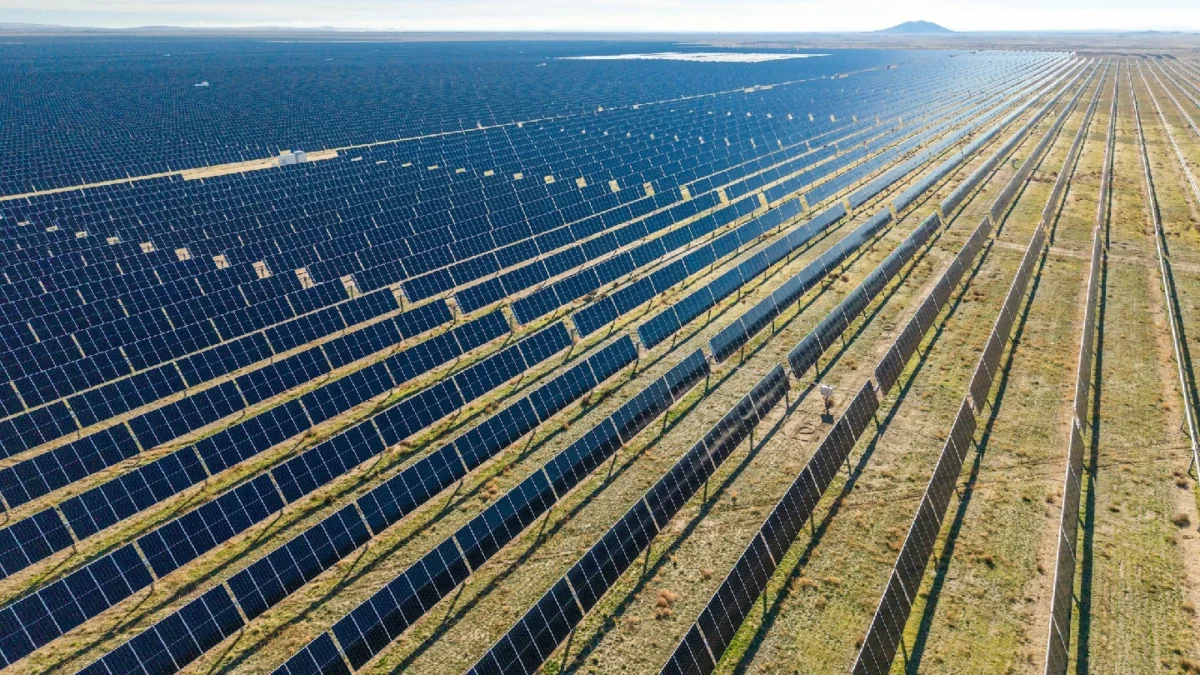
In a significant stride toward strengthening the Pacific Northwest’s energy grid, developer rPlus Energies has announced a major inflection point in its Idaho operations. The company has officially commissioned the 125MW-alternating current (MWac) Pleasant Valley Solar 2 project, while simultaneously breaking ground on the 400MWac Blacks Creek Energy Center. Together, these projects solidify rPlus Energies’ presence in the region, pushing its total project portfolio in Idaho—encompassing operational, under-construction, and contracted assets—past the 1GW threshold.
Representing a combined capital investment of more than $750 million, these developments underscore a broader trend of private-sector investment in Idaho’s transition toward a more diversified and resilient power infrastructure. As the state grapples with rapid population growth and increasing energy demands, these projects provide a vital buffer, ensuring that the local grid can maintain reliability while integrating a higher percentage of renewable generation.
The Pillars of Growth: Project Specifications
The dual development strategy in Ada County highlights the scale at which rPlus Energies is operating within the Idaho energy market.
Pleasant Valley Solar 2: Online and Delivering
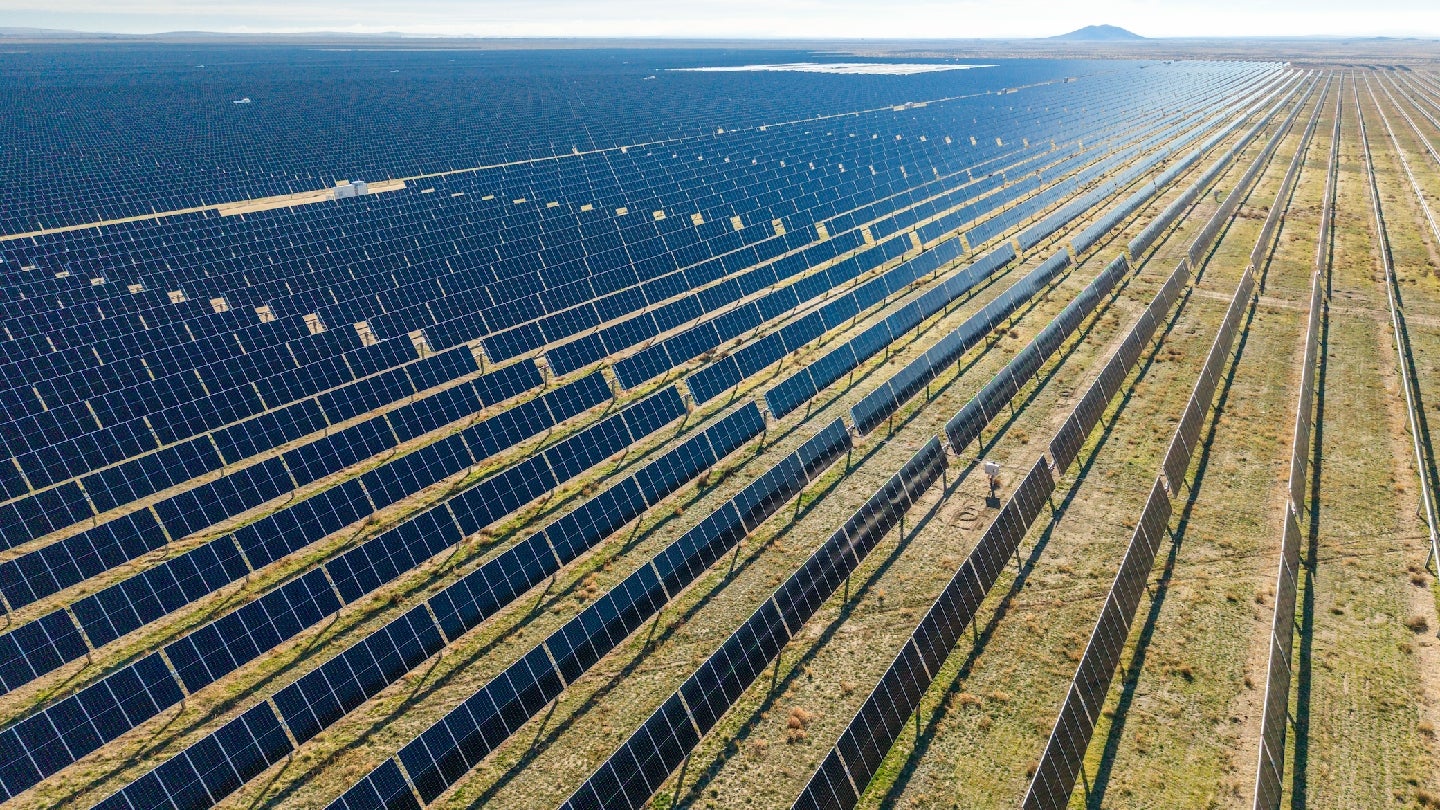
The commissioning of Pleasant Valley Solar 2 marks the completion of a key component in the company’s regional strategy. With a capacity of 125MWac, the facility is now feeding clean, renewable energy into the Idaho Power grid. The project serves as a cornerstone of the state’s current solar capacity expansion, utilizing advanced photovoltaic technology to maximize yield throughout the high-irradiance months of the Idaho summer.
Blacks Creek Energy Center: The Path to Construction
In contrast to the operational status of Pleasant Valley 2, the Blacks Creek Energy Center represents the next generation of energy infrastructure. As a 400MWac facility, it dwarfs many contemporary solar installations in the region. The project is currently in the initial phases of construction, with site preparation and infrastructure layout now underway. Given the scale of the facility, the construction phase is expected to be a multi-year effort, serving as a primary driver for local job creation and secondary economic activity in Ada County.
A Chronology of Strategic Expansion
The path to achieving this 1GW milestone was neither overnight nor accidental. It is the result of years of strategic planning, land acquisition, and regulatory navigation.
- Initial Development Phase: Over the past five years, rPlus Energies focused on identifying high-yield sites in Idaho that offered proximity to transmission infrastructure and optimal solar exposure.
- Financing Milestone (March 2026): A pivotal moment in the development timeline occurred in March 2026, when the company secured over $650 million in debt and tax equity financing. This capital injection was the decisive factor that allowed the Blacks Creek Energy Center to move from the drawing board to the construction phase.
- Operational Transition (Mid-2026): With the formal commissioning of Pleasant Valley Solar 2 in July 2026, the company successfully transitioned from a purely developmental focus to an operational one, demonstrating its capacity to deliver complex energy projects on time.
- Future Outlook: Looking ahead, rPlus Energies has indicated that these projects represent merely a "chapter" in their long-term commitment to the state, suggesting that additional projects may be in the pipeline as the state’s energy requirements continue to evolve.
Economic Implications: Beyond the Megawatts
The economic footprint of these two projects extends far beyond the electricity they generate. The $750 million investment is acting as a catalyst for local economic development through several distinct channels.
Employment and Workforce Development
The construction phase of these facilities is responsible for creating hundreds of high-paying jobs in the region. These roles span from heavy equipment operation and electrical engineering to project management and site security. However, the company has taken a proactive approach to ensure that the economic benefits remain local.
As part of their commitment to community development, partners involved in the Pleasant Valley Solar 2 project contributed $375,000 toward development scholarships. These funds have been awarded to students at the College of Western Idaho and Boise State University. By investing in the local workforce, rPlus Energies is helping to cultivate a pipeline of skilled technicians and engineers who will be essential for maintaining the state’s burgeoning renewable energy infrastructure for decades to come.
Tax Revenue and State Coffers
The projects are also set to become long-term contributors to the public treasury. Under Idaho’s tax code, solar energy production is subject to a 3.5% tax on gross earnings. By generating significant revenue, these facilities will contribute directly to state and local coffers, providing funds that can be allocated toward public services, education, and infrastructure maintenance across Idaho.
Official Responses and Strategic Partnerships
The success of these projects is deeply rooted in the partnership between rPlus Energies and Idaho Power. For a utility provider, the integration of 525MW of combined solar capacity is a complex operational task that requires precise coordination.
Lisa Grow, President and CEO of Idaho Power, highlighted the necessity of these projects in the face of Idaho’s rapid growth. "Pleasant Valley Solar 2 and Blacks Creek Energy Center represent important additions to Idaho’s energy infrastructure as we work to meet the evolving needs of the communities we serve," Grow stated. She emphasized that the partnership with rPlus Energies is central to the utility’s mission of providing "reliable, affordable energy" to its customer base.
Luigi Resta, President and CEO of rPlus Energies, echoed these sentiments, framing the developments as a testament to the company’s long-term vision. "Pleasant Valley Solar 2 and Blacks Creek Energy Center are critical for supporting Idaho’s continued economic growth," Resta said. "We envision this development as the next chapter in our long-term investment and commitment to the state."
The Technological and Regulatory Landscape
To understand why these specific projects are significant, one must consider the broader energy landscape of the United States. Idaho is part of a regional market that is increasingly moving away from legacy fossil fuel generation toward a diversified mix of renewables and storage.
The inclusion of storage capacity in the broader portfolio is particularly notable. While solar provides power during daylight hours, the integration of energy storage systems (ESS) is what transforms variable renewable energy into a baseload-like product. By balancing the intermittent nature of solar with storage, developers like rPlus Energies are addressing the primary criticism of renewable energy: reliability during peak demand hours or when the sun is not shining.
Furthermore, the regulatory environment in Idaho has been supportive of this transition. By providing a clear pathway for solar taxation and grid interconnection, the state has positioned itself as an attractive destination for capital-intensive energy projects. This "business-friendly" approach has allowed companies to scale rapidly, as evidenced by the quick transition of the Blacks Creek project from financing to construction.
Future Projections and Industry Impact
As rPlus Energies looks toward the future, the 1GW milestone serves as both a destination and a jumping-off point. The renewable energy sector is characterized by intense competition and rapid technological advancement. The success of the current Idaho portfolio demonstrates that the company possesses the technical expertise and financial backing required to navigate the complexities of utility-scale projects.
Industry analysts suggest that the Idaho market will continue to see increased interest from renewable developers. As population growth in Boise and the surrounding Ada County continues to outpace the national average, the demand for power will only grow. Projects like Pleasant Valley and Blacks Creek are effectively "future-proofing" the grid, providing the necessary capacity to support new businesses, residential developments, and the electrification of various industrial sectors.
In conclusion, the dual development of Pleasant Valley Solar 2 and the Blacks Creek Energy Center is a major win for Idaho. It signals a shift in the state’s energy narrative, moving toward a cleaner, more sustainable, and economically vibrant future. By balancing the immediate need for energy capacity with a long-term commitment to education, local jobs, and tax revenue, rPlus Energies has set a high standard for how renewable energy projects should integrate into the local community. As the Blacks Creek facility nears completion in the coming years, it will likely be viewed as a cornerstone of Idaho’s 21st-century power infrastructure.