As June 2026 draws to a close, the European continent is currently held in the iron grip of a historic atmospheric phenomenon. A massive "Heat Dome"—a high-pressure weather system that acts as a thermal lid—has descended upon Europe, obliterating June and all-time high-temperature records from the United Kingdom to the Baltic States. This is not merely a summer heatwave; meteorologists are describing the event as a "meteorological apocalypse" that is pushing regional infrastructure and human resilience to their absolute limits.
The Anatomy of the Heat Dome: A Silent Killer
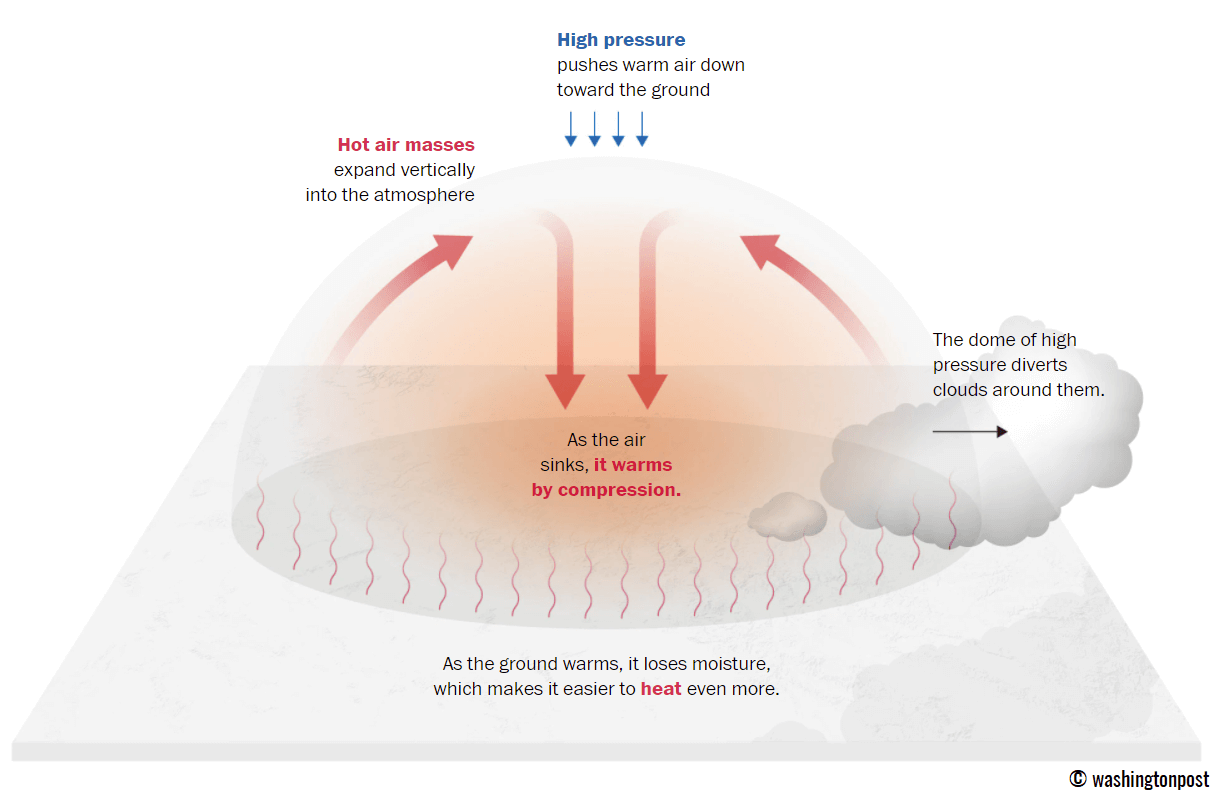
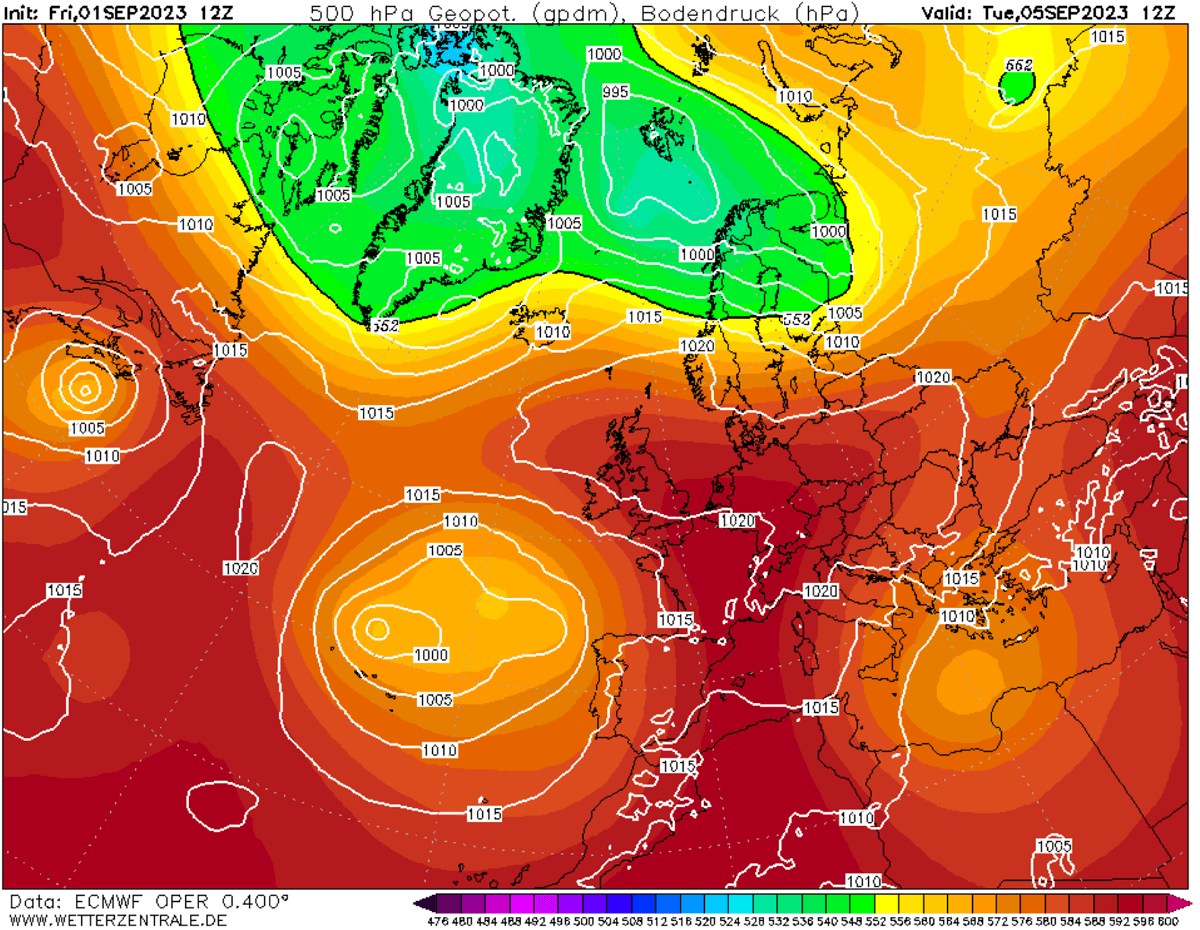
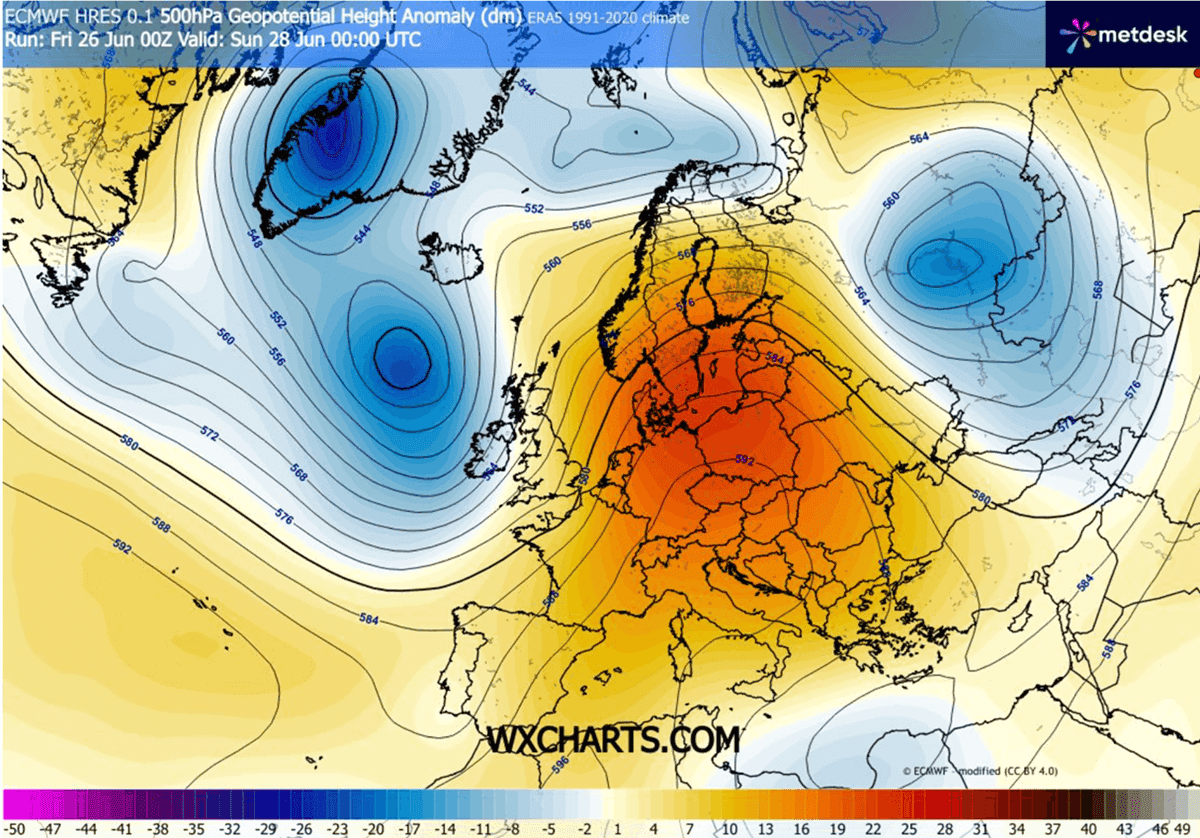
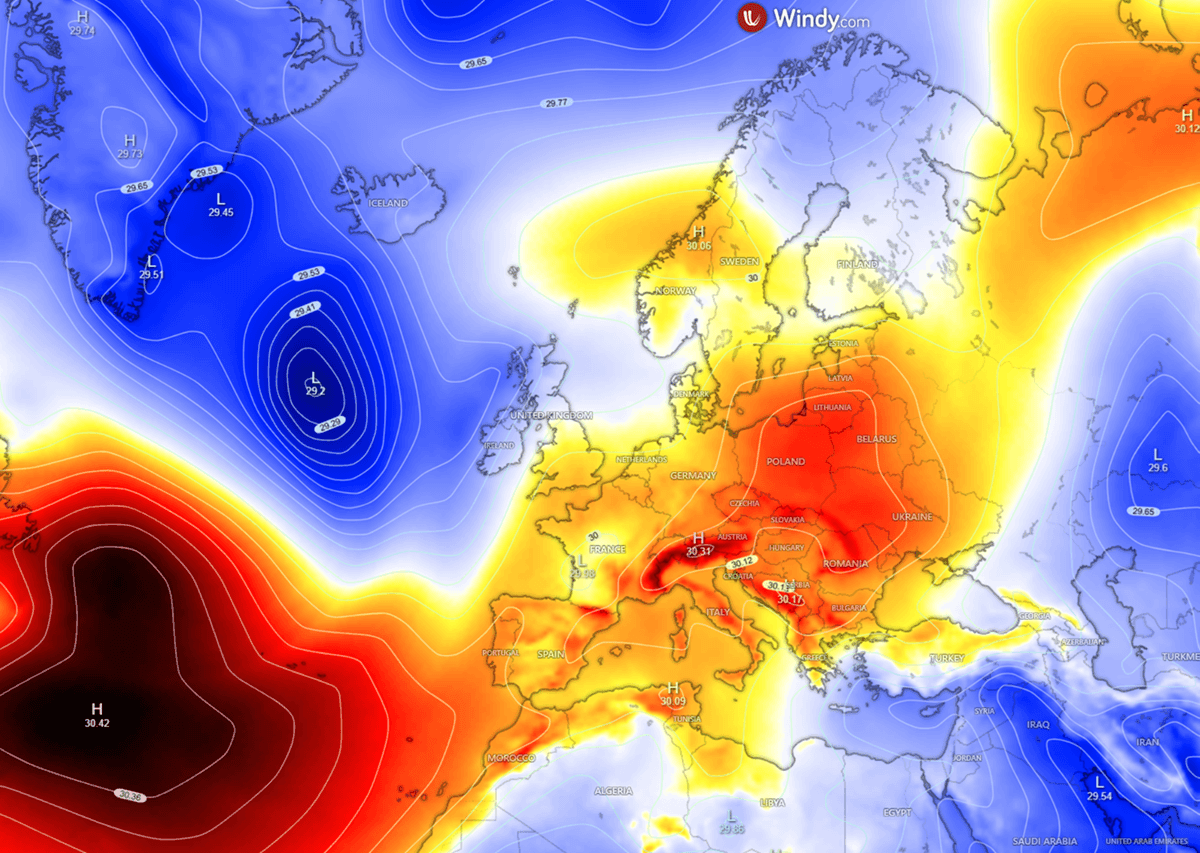
At its core, a heat dome is the result of a powerful, stationary "Omega Block" weather pattern. This occurs when a high-pressure ridge becomes trapped, effectively acting like a lid on a pot. Within this system, warm air is captured at all levels of the atmosphere and forced downward toward the surface. As this air descends, it compresses and heats up significantly.

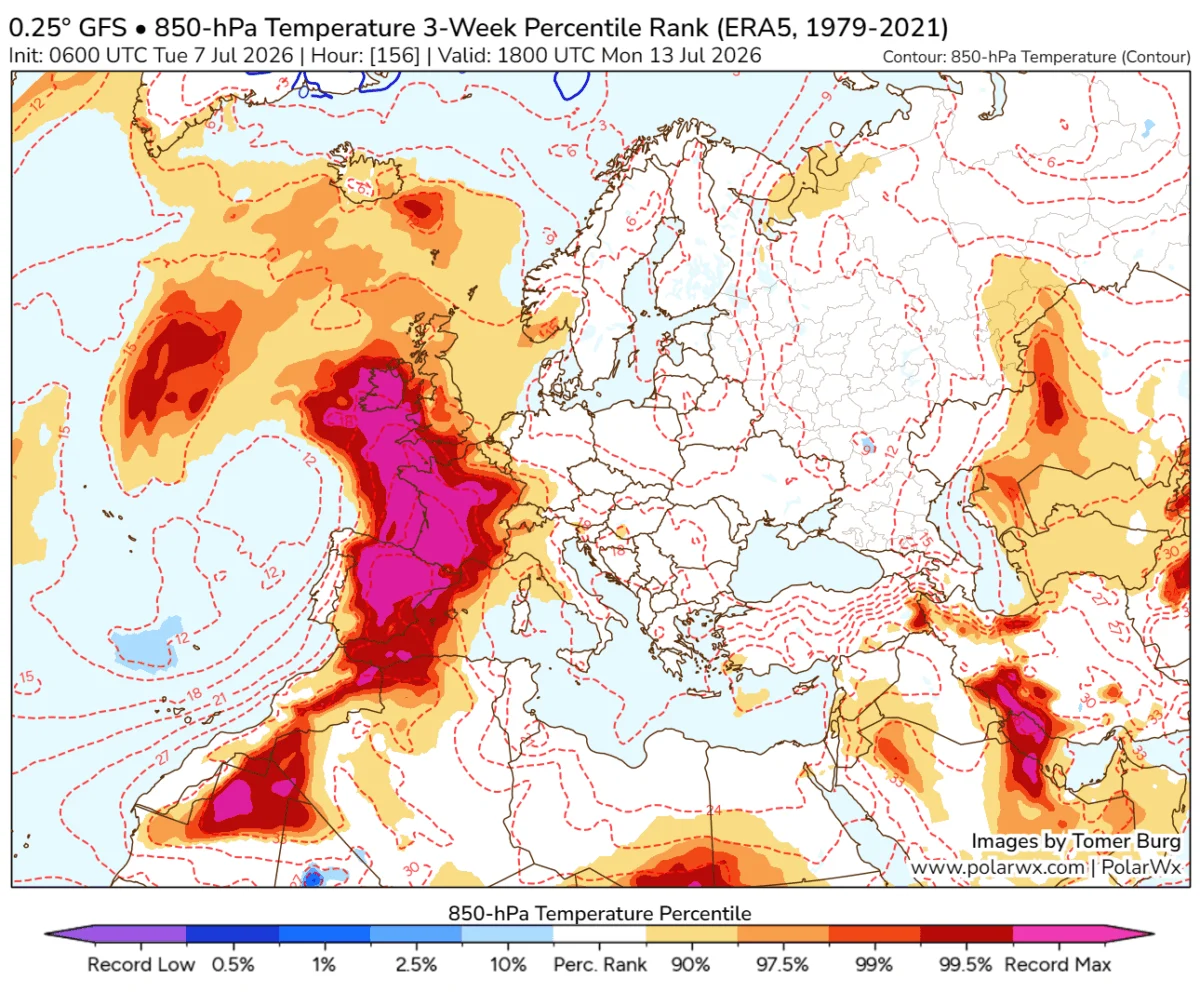
Because the system is remarkably stable, it remains parked over a specific region for days or even weeks. For the affected areas, this means an unrelenting cycle of scorching daytime temperatures and dangerous, non-relenting "tropical nights," where temperatures refuse to drop below 24°C, denying the human body the vital physiological recovery period it requires. The current event has already claimed hundreds of lives across Spain and France, highlighting the lethal nature of sustained extreme heat.
Chronology of the Crisis: From the Atlantic to the Balkans
The heatwave began its assault in Western Europe, shattered records in the United Kingdom, France, and Benelux, and is now migrating eastward into the heart of the continent.
Phase 1: The Western Onslaught
In late June, France and the United Kingdom found themselves at the epicenter of the crisis. France recorded an unprecedented national average of 30°C, with specific stations reporting a staggering 44.3°C—a new June record. Across the English Channel, the UK Met Office issued consecutive red alerts, an emergency classification used for the first time in such a widespread manner, as southern England baked in mid-to-upper 30s heat.
Phase 2: The Central European Shift
As the "Omega Block" shifted its center of gravity toward Germany, Central Europe, and the Baltic states, the intensity of the heat increased. Meteorological models, which had already predicted record-breaking figures, found that the actual temperatures were consistently outperforming projections. Berlin, Prague, and surrounding areas saw thermometers spike toward 40°C, triggering red alerts for extreme fire danger.
Phase 3: The Eastern Expansion
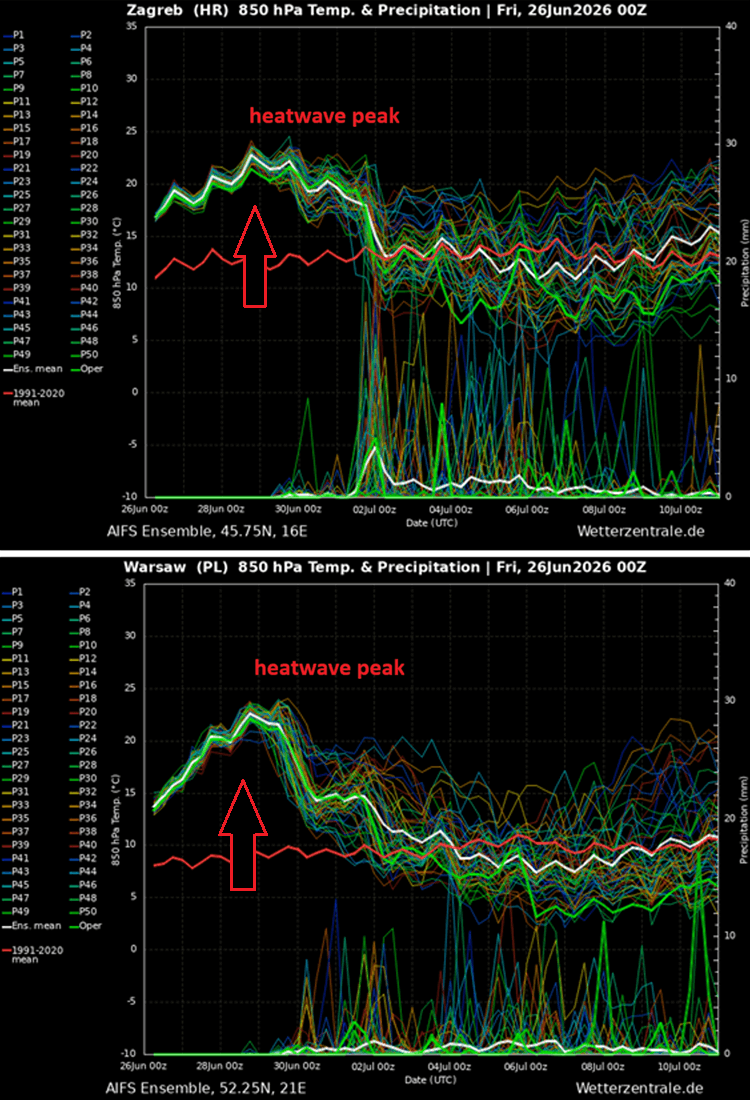
Moving into the final days of June and the start of July, the core of the dome is now positioned over Poland, Belarus, and Ukraine, while simultaneously beginning to impact the Balkan Peninsula. Current data suggests that the peak of this heatwave will continue through early next week, with temperatures in the low-40s expected across the region.
Supporting Data: By the Numbers
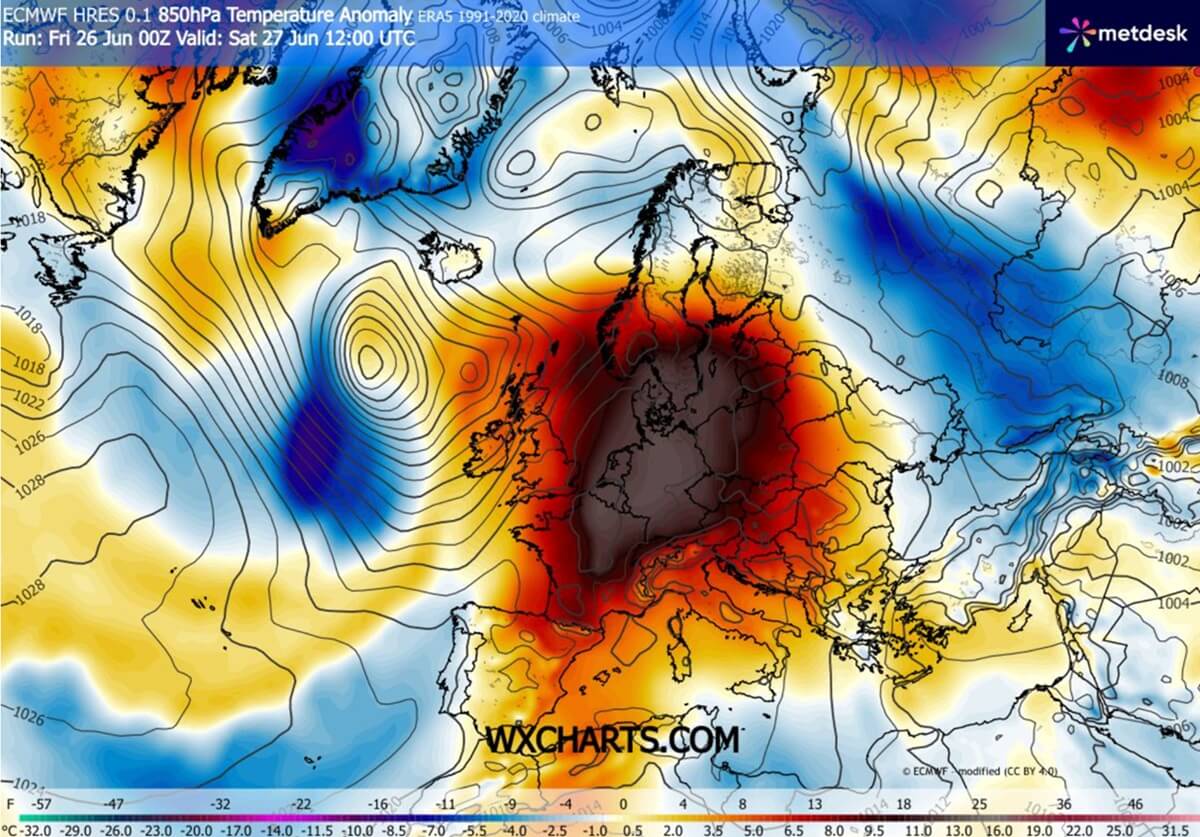
The statistical breakdown of this event is nothing short of historic. The temperature anomalies—the difference between observed temperatures and the historical average for late June—are sitting at 16-18°C above normal in the low-to-mid levels of the atmosphere.
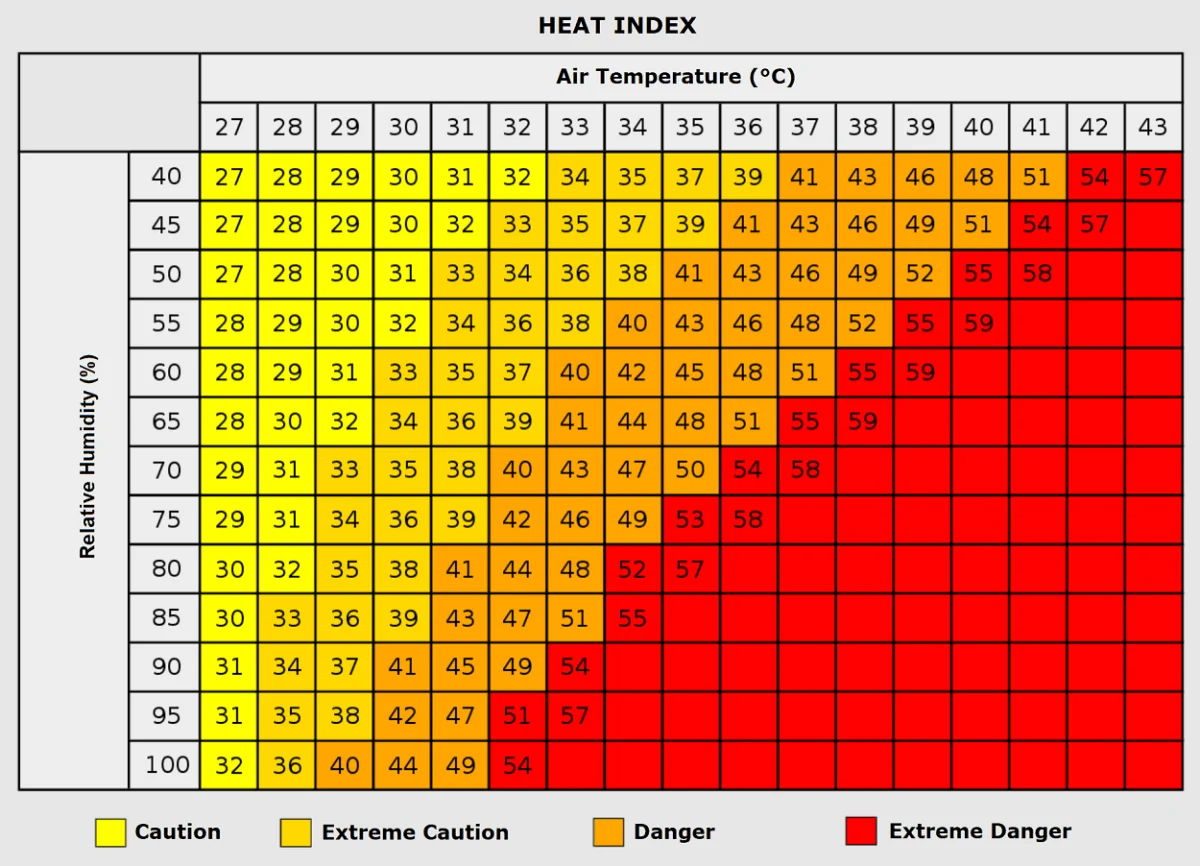
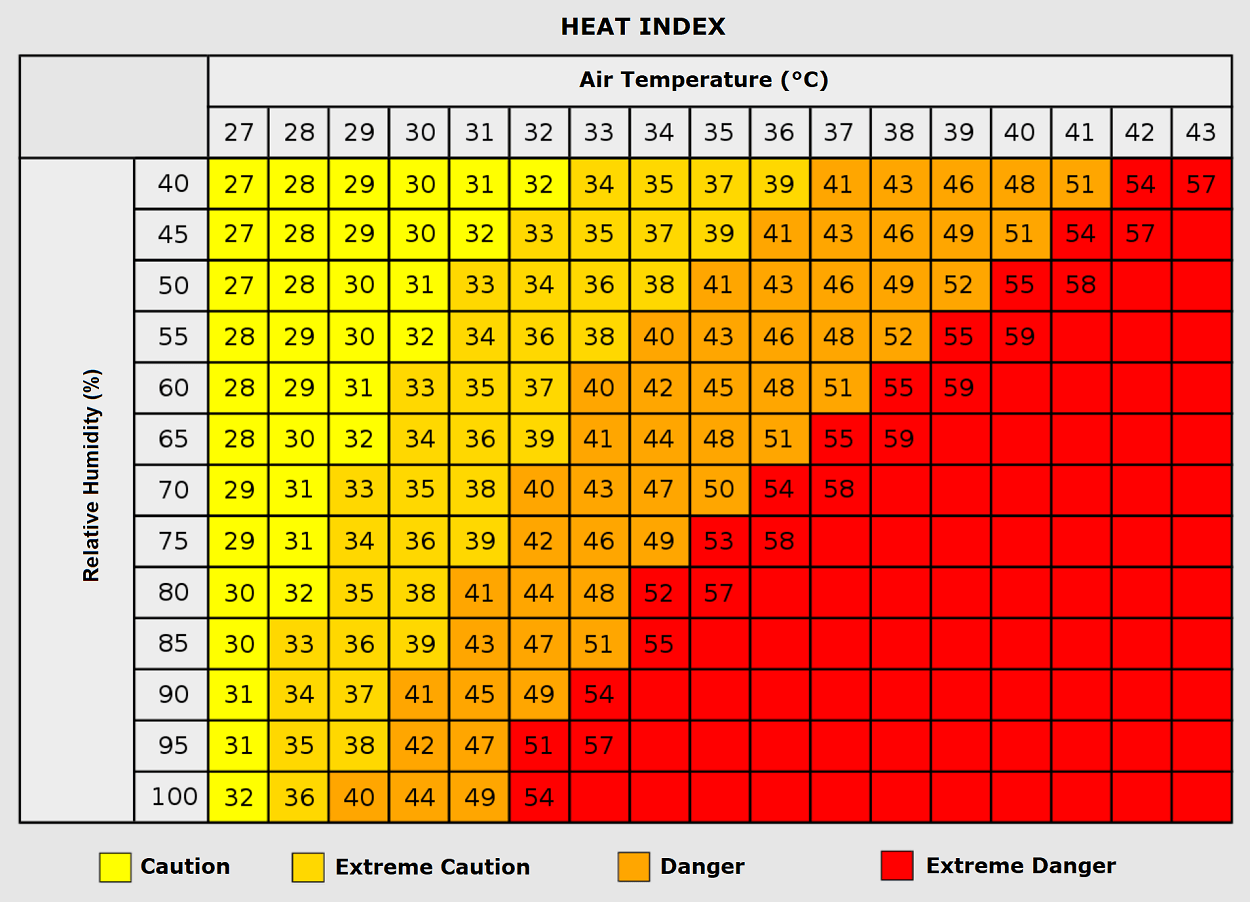
- Humidity and the "Feels Like" Factor: High relative humidity, when paired with temperatures exceeding 35°C, creates a lethal Heat Index. In areas where humidity remains high, the "perceived temperature" can reach as high as 50°C, far exceeding what the human cardiovascular system can handle.
- The Soil Drought: The extreme heat, combined with exceptionally dry air and sustained winds, has triggered rapid evapotranspiration. This is causing significant stress to vegetation, leading to immediate leaf loss and severe mortality for young crops, further exacerbating drought conditions that have left the soil parched.
- Station Records: Hundreds of weather stations have already recorded their highest-ever June and all-time temperature readings. As the dome moves eastward, experts anticipate that nearly every station in its path will see long-standing historical records fall.
Official Responses and Public Safety
National weather services from Berlin to Bucharest have issued severe warnings, urging citizens to treat the heat as a life-threatening disaster. In regions where centralized residential air conditioning is a rarity, the public is being advised to seek out government-designated cooling centers.
The primary concern for public health officials is the sheer volume of heat-related illnesses anticipated at emergency rooms. Heat exhaustion, which can rapidly progress to heat stroke, is the leading concern for the elderly, children, and individuals with pre-existing cardiovascular or respiratory conditions. Furthermore, the economic impact is mounting, as outdoor workers in agriculture and construction face a heightened risk of mortality due to prolonged exposure.
Implications for Environment and Infrastructure
The consequences of this heat dome extend far beyond the immediate discomfort of the population.
The Wildfire Threat
The combination of low humidity, high winds, and a desiccated landscape has created the perfect "fuel" environment for wildfires. Authorities have implemented strict bans on open fires in forests and agricultural zones, as even a single spark in these conditions could lead to an uncontrollable inferno. The risk is classified as "extreme" to "very extreme" across much of Central and Eastern Europe.
Ecological Strain
The wildlife and livestock sectors are currently under severe stress. Farmers are reporting significant challenges in keeping herds cool, with many animals suffering from thermal stress that impacts productivity and health. Similarly, wild flora is undergoing a process of rapid drying, which has long-term implications for the local biodiversity of the affected regions.
Infrastructure Fragility
The European power grid is facing an unprecedented test. As the demand for electricity surges to power cooling systems, the grid is being pushed to its limit. Furthermore, transport infrastructure—including rail tracks and road surfaces—is susceptible to buckling under the extreme heat, leading to potential disruptions in travel and supply chain logistics.
Looking Ahead: The Road to Relief
While the forecast for the remainder of June remains bleak, there is a glimmer of hope on the horizon. Meteorological models suggest that as July begins, the Atlantic will begin to exert influence, bringing lower pressure and cooler, maritime air masses to Western Europe.
However, for those in Central and Eastern Europe, the struggle is far from over. The heat is expected to persist through the weekend and into the early days of July. As the system slowly begins to decay, the long-term impacts of this "atmospheric siege" will become clearer. The scientific community continues to monitor the situation, with many experts noting that the frequency and intensity of such events serve as a sobering indicator of the changing climate patterns globally.
For now, the advice from authorities remains consistent: stay indoors, stay hydrated, monitor the vulnerable, and remain vigilant for official updates from local weather services. The "Heat Dome of 2026" will undoubtedly be studied for years to come as a watershed moment in European meteorology.