In a landmark decision that marks a profound shift in the governance of international sport, the International Olympic Committee (IOC) has announced the creation of the "Fit for the Future Olympian Grant." This initiative, representing an unprecedented commitment to athlete welfare, ensures that every single athlete who competes in the Olympic Games will be eligible for a direct $10,000 USD grant.
The announcement, delivered by the chair of the IOC Athletes’ Commission, Pau Gasol, at the IOC Session in Lausanne, Switzerland, signifies a historic departure from previous funding models. By institutionalizing direct financial support, the IOC is moving beyond providing organizational infrastructure to directly investing in the individual lives and careers of the athletes who define the Olympic movement.
Main Facts: Empowering the Modern Olympian
The core of the program is straightforward yet transformative: any athlete who qualifies for and competes in an Olympic Games, starting with the Milano-Cortina 2026 Winter Olympics, becomes eligible for a $10,000 USD stipend.
This grant is not designed to replace existing support structures but to augment them. It is explicitly intended to serve two primary purposes:
- Supporting ongoing training: Providing financial breathing room for athletes to continue their pursuit of athletic excellence at the highest level.
- Facilitating career transition: Assisting athletes as they navigate the often-difficult shift from professional sports to post-athletic careers.
The program is backed by a massive $140 million USD allocation per Olympiad. This funding is sourced independently of the existing budgets earmarked for National Olympic Committees (NOCs), International Federations, or the Olympic Solidarity program. The IOC has guaranteed that this new financial commitment will not detract from any existing obligations to global sports organizations, ensuring that the "Fit for the Future" grant represents a net increase in total financial support for the Olympic ecosystem.
Chronology of a Landmark Decision
The path to this announcement was not an overnight development. It is the culmination of years of internal debate, athlete advocacy, and strategic planning within the IOC.
The Foundation (2020–2023)
For several years, the IOC Athletes’ Commission, led by figures like Pau Gasol, engaged in extensive consultations with national athlete commissions worldwide. The consensus was clear: while elite athletes receive substantial support through federations, many struggle with the financial instability that accompanies the high-intensity training required for Olympic qualification.
The Strategic Vision (2024–2025)
Under the "Fit for the Future" strategic framework, the IOC began evaluating how to bridge the gap between high-performance training and life after sport. The goal was to find a mechanism that was equitable, scalable, and globally accessible.
The Lausanne Announcement (June 2026)
During the IOC Session in Lausanne, the decision was finalized. Pau Gasol presented the plan to the international community, framing it as an essential investment in the human capital of the Olympic Games. Following the announcement, the IOC began the process of designing the administrative infrastructure required to distribute these funds to thousands of athletes across over 200 nations.
Supporting Data: Why This Matters
To understand the scale of this initiative, one must look at the numbers. With approximately 14,000 athletes participating in a typical Olympiad (combining Summer and Winter Games), the financial commitment reaches $140 million every four years.
Economic Impact on the Athlete
For many athletes, particularly those in niche or non-commercial sports, $10,000 is a significant sum. It can cover costs ranging from specialized coaching and medical recovery to educational courses and professional certifications. By providing this grant directly, the IOC removes the bureaucratic hurdles that often prevent smaller or underfunded sports from effectively supporting their athletes.
The "No-Claim" Mechanism
A unique feature of the program is the management of unclaimed funds. If an athlete chooses not to accept the grant—whether due to existing sponsorship conflicts or personal choice—their allocated share is not clawed back into the IOC’s general treasury. Instead, it remains within the grant fund, explicitly reserved for the benefit of future Olympians. This ensures that the $140 million remains a "living" fund, perpetually reinvested in the athlete community.
Official Responses and Stakeholder Perspectives
The reception to the news has been largely positive, with leaders from across the sporting world praising the move as a long-overdue acknowledgment of the athlete’s role as the heartbeat of the Olympic movement.
Kirsty Coventry: A Long-Held Ambition
IOC Executive Board member and former Olympic champion Kirsty Coventry captured the sentiment of the session when she stated, "This has been a topic of discussion for many years, and I am extremely proud that we are now able to implement this." For Coventry and other former athletes now in leadership roles, the grant represents a personal victory, as many recall the precarious financial situations they faced during their own competitive years.
The Role of National Olympic Committees
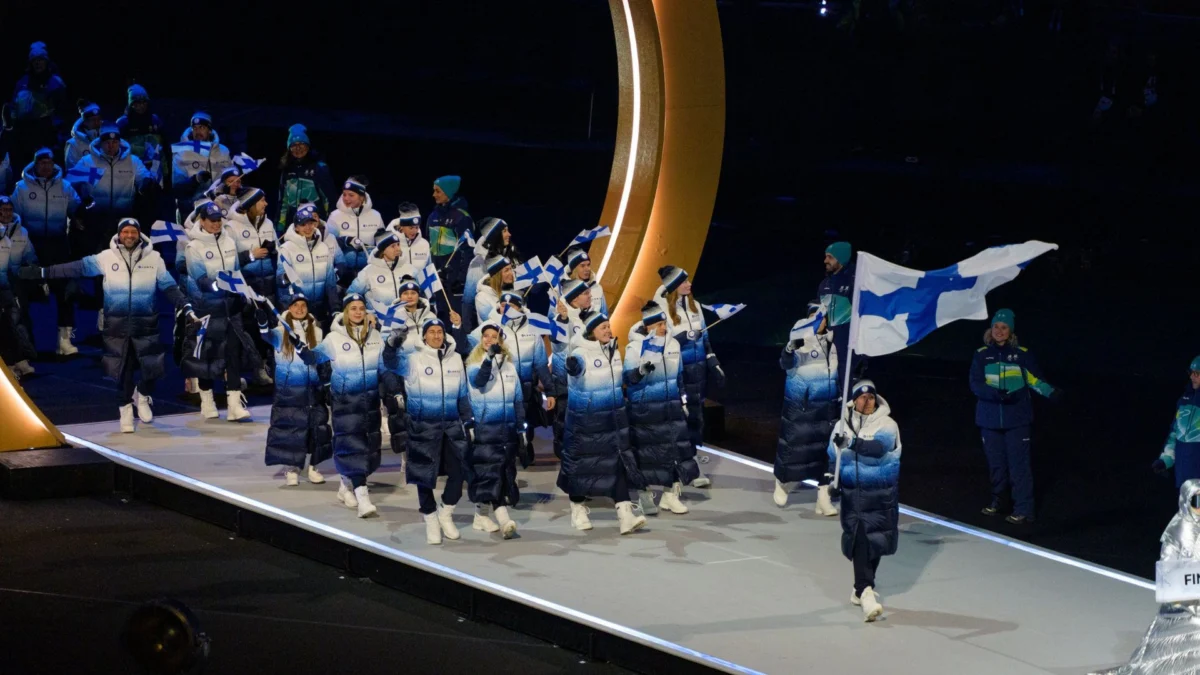
The distribution of these funds will be managed through existing National Olympic Committee (NOC) structures. The Finnish Olympic Committee, for example, has already signaled its intent to assist its athletes in navigating the application process. This decentralized approach ensures that the money reaches athletes through organizations they already know and trust, while the IOC maintains oversight to ensure global consistency.
The Strategic Implications: "Fit for the Future"
The "Fit for the Future" framework is more than just a financial handout; it is a fundamental shift in the relationship between the IOC and the athletes.
Professionalizing the Olympic Path
By providing this grant, the IOC is acknowledging that training for the Olympics is, in many respects, a full-time profession. The financial burden of competing at the highest level should not be a barrier to entry, nor should it be a cause of poverty for those who reach the pinnacle of their sport.
Strengthening the Olympic Legacy
One of the primary concerns of the IOC has been the "post-Olympic slump"—the psychological and economic struggle that athletes face after the spotlight fades. By framing the grant as both a training stipend and a transition aid, the IOC is attempting to ensure that the "Olympic experience" is a foundation for success, rather than a peak followed by a decline.
A Global Standard
By setting a global, uniform grant amount, the IOC is establishing a standard of equity. Whether an athlete represents a wealthy nation with extensive state funding or a smaller nation with limited resources, the $10,000 grant remains the same. This creates a baseline of support that empowers athletes to take ownership of their own professional development.
Moving Forward: Implementation and Logistics
The operational rollout of the "Fit for the Future Olympian Grant" is set to commence shortly. The IOC is currently finalizing the digital infrastructure that will allow athletes to apply for the funds.
- Application Phase: The process for Milano-Cortina 2026 athletes is expected to open in late 2026.
- Distribution: The first payments are scheduled to be disbursed in 2027.
- Communication: Organizations like the Finnish Olympic Committee are already preparing to communicate with their athletes, ensuring that every qualified individual understands the application criteria and the timeline for receiving their grant.
Looking Beyond 2026
While the program begins with the Winter Games in Italy, the framework is designed to be permanent. It will apply to the Los Angeles 2028 Summer Olympics and all subsequent Games. This long-term commitment is essential for providing athletes with the security they need to plan their careers, knowing that the Olympic movement is invested in their success both on and off the field.
Conclusion
The "Fit for the Future Olympian Grant" is a watershed moment in the history of the Olympic movement. By choosing to allocate $140 million per Olympiad directly to the athletes, the IOC is sending a clear message: the future of the Olympic Games depends on the well-being of the individuals who compete in them.
As the world looks toward Milano-Cortina 2026, the focus will not only be on the records broken and the medals won, but on the tangible support being offered to those who have dedicated their lives to the pursuit of the Olympic ideal. For thousands of athletes, this grant will provide the stability needed to continue their journey, ensuring that the spirit of the Games continues to thrive in the years to come.