Sonnedix Secures €730m Financing to Accelerate Renewable Hybridization Across Southern Europe
Posted on by
In a significant move to solidify its position as a leading independent power producer (IPP), global renewable energy developer Sonnedix has successfully secured €730 million ($840.9 million) in project financing. This massive capital injection is earmarked for the refinancing, optimization, and aggressive development of a diversified portfolio of renewable energy assets spanning Italy, Spain, Portugal, and France.
The financing package marks a pivotal moment in the company’s expansion strategy, focusing not only on traditional photovoltaic (PV) capacity but also on the critical integration of Battery Energy Storage Systems (BESS). As Europe accelerates its transition toward a decarbonized power grid, Sonnedix’s latest financial milestone underscores the growing importance of hybrid energy models in maintaining grid stability and meeting the continent’s ambitious climate targets.
The Core Transaction: Powering the Energy Transition
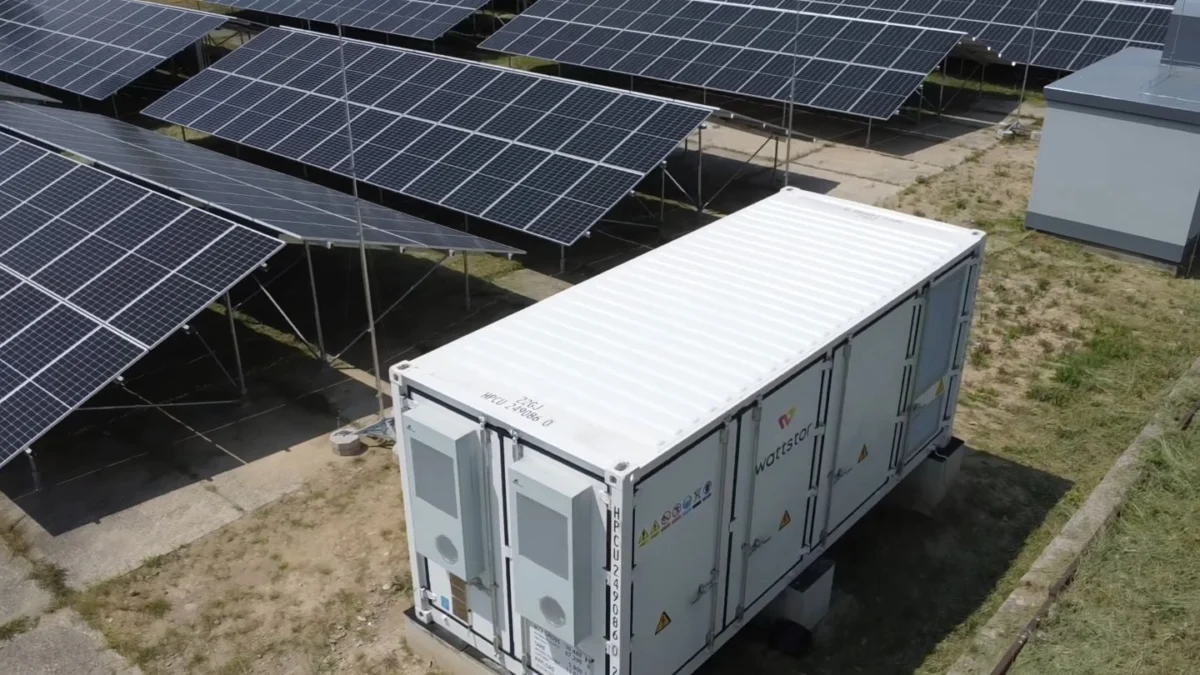
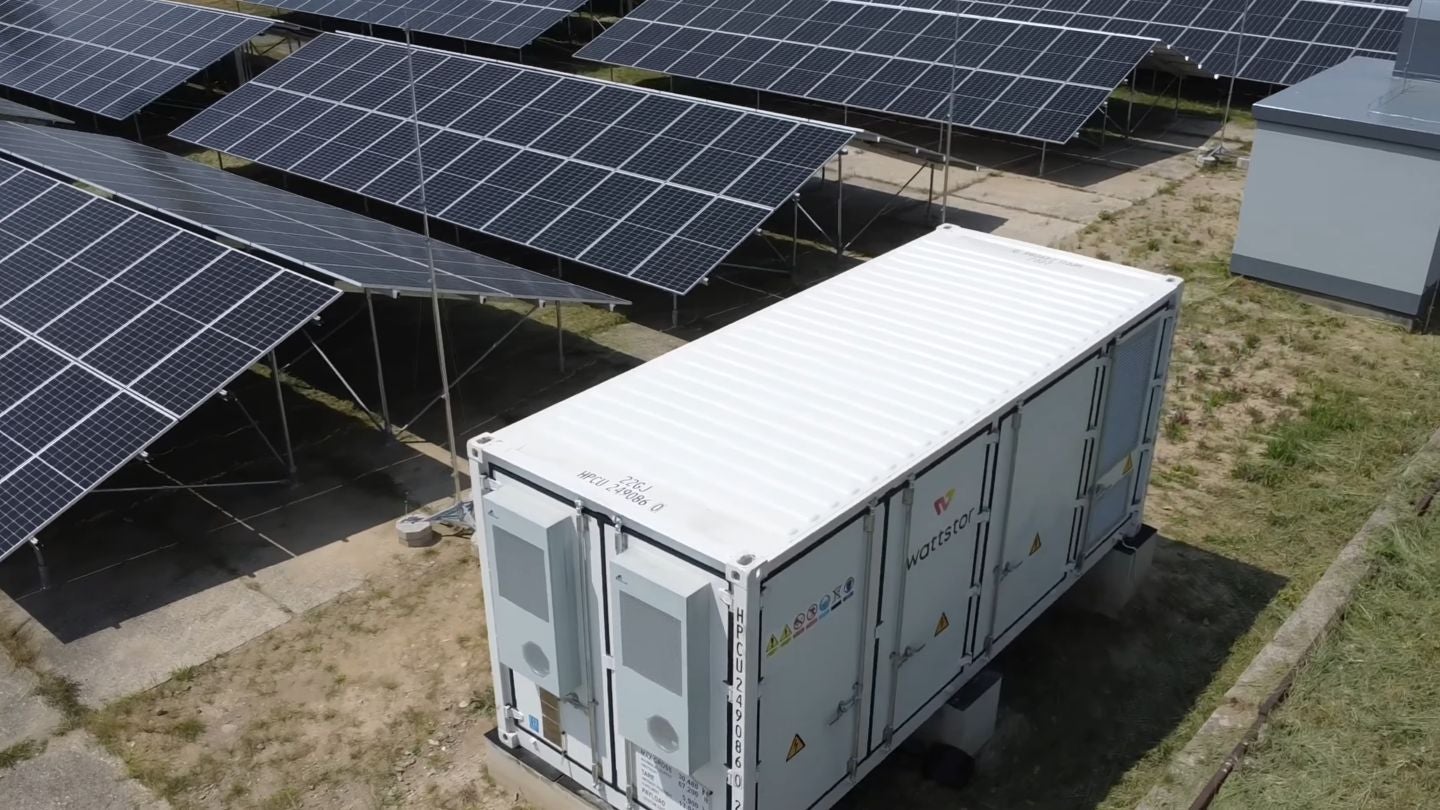
The €730 million financing facility is designed to support a total of 540MW of PV plants, alongside the integration of two major battery energy storage assets. This capital will be deployed across four of Sonnedix’s most strategic European markets, with a primary emphasis on Italy.
Geographical Distribution and Strategic Focus
Italy remains the cornerstone of this financial arrangement, with more than 350MW of the total capacity located within the country. This allocation aligns with Italy’s national energy strategy, which seeks to drastically increase solar penetration while addressing the intermittent nature of renewables through storage. By concentrating its resources in the Mediterranean region, Sonnedix is leveraging favorable solar irradiance and supportive policy frameworks in these four nations to maximize the return on its infrastructure investments.
The inclusion of BESS technology is perhaps the most critical aspect of this transaction. By pairing solar generation with large-scale battery storage, Sonnedix is effectively moving away from simple "generation-only" models to "dispatchable" energy solutions. This transition allows the company to store excess energy produced during peak sunlight hours and release it into the grid when demand—and market prices—are highest.
Chronology: A Trajectory of Growth
Sonnedix’s latest success is the culmination of a sustained, multi-year strategy to scale its global footprint. The company has moved systematically from a developer focused on early-stage projects to a diversified IPP with a 12GW global portfolio.
Foundation and Early Growth: Sonnedix established its reputation by acquiring and optimizing solar assets across Chile, Japan, and Southern Europe, building a core operational base that allowed for stable cash flows.
Expansion into Hybridization: Recognizing the limitations of solar-only portfolios, the company began integrating storage technologies into its pipeline, a move that gained significant momentum in the 2023–2024 period.
Recent Acquisitions: Just last month, the company made headlines with the acquisition of a 260MW BESS portfolio in Tuscania, Italy. This acquisition was a clear precursor to the current financing, demonstrating that Sonnedix was preparing the infrastructure necessary to utilize such significant capital.
The Current Milestone: The €730 million deal represents one of the largest debt-financing arrangements for a renewable portfolio in the region this year, involving a consortium of top-tier global financial institutions.
Supporting Data: By the Numbers
To understand the scale of Sonnedix’s operations, one must look at the breadth of its current portfolio and the weight of the institutions supporting this latest deal.
Portfolio Composition
Total Capacity: 12GW
Operational Assets: 4GW
Projects Under Construction: 1GW
Development Pipeline: 6GW
Geographic Reach: Chile, France, Germany, Italy, Japan, Poland, Portugal, Spain, and the UK.
The Financing Consortium
The transaction is backed by a powerhouse syndicate of banks, highlighting the "bankability" of Sonnedix’s projects and the confidence the financial sector has in the European renewable energy market. The participating banks include:
AIB (Allied Irish Banks)
CACIB (Crédit Agricole Corporate and Investment Bank)
CIBC (Canadian Imperial Bank of Commerce)
ING
Intesa Sanpaolo
Sabadell
Santander CIB
Société Générale
UniCredit
The inclusion of these institutions, ranging from regional powerhouses to global investment banks, signals a broad market belief in the long-term viability of PV-BESS hybridization.
Official Responses and Strategic Vision
The executive leadership at Sonnedix views this financing not merely as a transaction, but as a validation of the company’s long-term business model.
Axel Thiemann, CEO of Sonnedix, commented:
"This financing reflects Sonnedix’s commitment to developing high-quality renewable projects in our strategic markets. It follows our recent BESS portfolio acquisition in Italy, and underscores the pace at which we are scaling our storage capabilities across Europe."
Thiemann emphasized that the integration of BESS into their solar power generation is central to their future strategy. By hybridizing their plants, Sonnedix is positioning itself to be a primary provider of flexible, carbon-free energy to grid operators and commercial customers, effectively widening their competitive moat.
Miguel García Mascuñán, CFO of Sonnedix, added:
"A €730m financing is a major milestone for Sonnedix, offering significant financial flexibility and capacity to accelerate our development pipeline across core markets. This also reflects the continued trust and confidence of our partners, and we are proud to continue building on these relationships."
The company’s ability to secure such favorable terms during a period of fluctuating interest rates in the Eurozone highlights its strong credit profile and the rigorous due diligence performed by its financial and legal partners.
Professional Advisory Support
The complexity of the deal necessitated a multidisciplinary advisory team.
Financial Advisors: Crédit Agricole CIB and Santander CIB acted as co-financial advisors.
Legal Counsel: A&O Shearman led the legal efforts for the borrower.
ESG Coordination: ING played a critical role as the Environmental, Social, and Governance coordinator, ensuring the financing aligns with the EU’s stringent sustainable finance taxonomy.
Specialized Advisories: Centrus provided hedging advice, while Aurora Energy Research provided essential energy market analysis to ensure the portfolio’s revenue models were stress-tested against volatile energy prices.
Lender Support: White & Case, DNV, Watson Farley & Williams, Morais Leitão, and EY provided legal and technical due diligence for the lending syndicate.
Implications: The Future of Renewable Hybridization
The implications of this €730 million funding are twofold: it marks a maturation of the storage market in Southern Europe and sets a new benchmark for how renewable projects are financed.
1. The Shift to Dispatchable Renewables
Historically, solar power has faced the "duck curve" challenge—the phenomenon where solar generation peaks during the day when demand is lower, and drops off just as the evening peak begins. By integrating BESS, Sonnedix is solving this, transforming its solar plants into reliable power stations that can perform "load shifting." This makes renewable energy more valuable to the grid, potentially securing better long-term Power Purchase Agreements (PPAs) with industrial and utility-scale customers.
2. Setting a Regional Benchmark
This deal sets a precedent for developers in Italy, Spain, Portugal, and France. As these countries push for a higher percentage of their energy mix to come from renewables, they require massive investment in both generation and storage. By successfully bundling these assets under a single, large-scale financing facility, Sonnedix has provided a roadmap for other developers to streamline their own capital-raising efforts.
3. Strengthening the European Energy Security
With the ongoing focus on energy independence in Europe, the accelerated development of domestic renewable capacity is a matter of national security. Every megawatt added to the grid by Sonnedix reduces the continent’s reliance on imported fossil fuels. The scale of this investment, particularly in Italy, acts as a stabilizer for local energy markets that have seen significant volatility in recent years.
4. Future Outlook
Looking ahead, Sonnedix is well-positioned to continue its trajectory. With a 6GW development pipeline and the liquidity provided by this new financing, the company is likely to pursue further acquisitions of both greenfield projects and existing storage assets. As the cost of battery technology continues to fall and energy management software becomes more sophisticated, the returns on these hybridized assets are expected to increase, further strengthening Sonnedix’s balance sheet for future endeavors.
In conclusion, the €730 million financing is more than a financial arrangement; it is a strategic maneuver that places Sonnedix at the forefront of the next phase of the energy transition. By blending traditional solar PV with cutting-edge storage technology, the company is helping to build the resilient, dispatchable, and sustainable energy infrastructure that Europe requires for the decades to come.
The landscape of European energy production shifted significantly this week as EnBW Energie Baden-Württemberg (EnBW) officially inaugurated the He Dreiht offshore wind farm. Located in […]
In the rapidly maturing wind energy sector, the focus is shifting from initial deployment to long-term asset optimization. As wind farms globally begin to age, […]
In a landmark move to unshackle the UK’s energy ambitions, the government has unveiled the "Great British Grid" (GBG), a new publicly owned entity designed […]