Executive Summary: A Milestone for India’s Wind Energy Landscape
In a significant move that underscores the accelerating pace of India’s energy transition, GE Vernova has secured a major contract to supply 43 of its advanced onshore wind turbines to Enfinity Global. The order, which carries a total capacity of 163.4MW, is earmarked for the Fatehgarh Wind Farm project located in the wind-rich state of Rajasthan.
This collaboration represents more than just a procurement deal; it is a strategic alignment between two global energy powerhouses committed to supporting the Indian government’s ambitious goal of reaching 500GW of renewable energy capacity and 100GW of wind capacity by 2030. The project highlights the increasing integration of "Make in India" manufacturing excellence with cutting-edge, AI-driven technology designed to optimize power generation in diverse climatic conditions.
The Fatehgarh Project: Technical Specifications and Scope
The Fatehgarh Wind Farm is a centerpiece of Enfinity Global’s expansive renewable portfolio in India. The company, which currently manages a portfolio of approximately 4GW across the country, has already brought nearly 300MW of that capacity into operation. The addition of the 163.4MW Fatehgarh site is a critical step in scaling its footprint to meet the country’s surging industrial and residential electricity demand.
The Hardware: The 3.8MW-154m Turbine
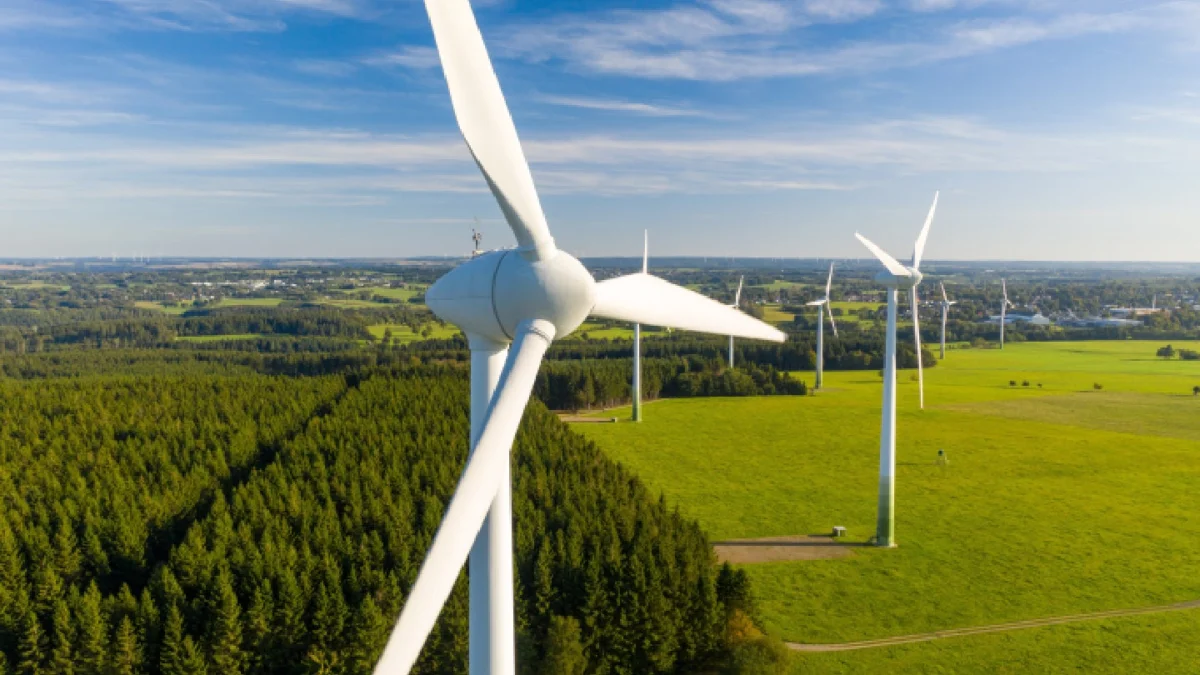
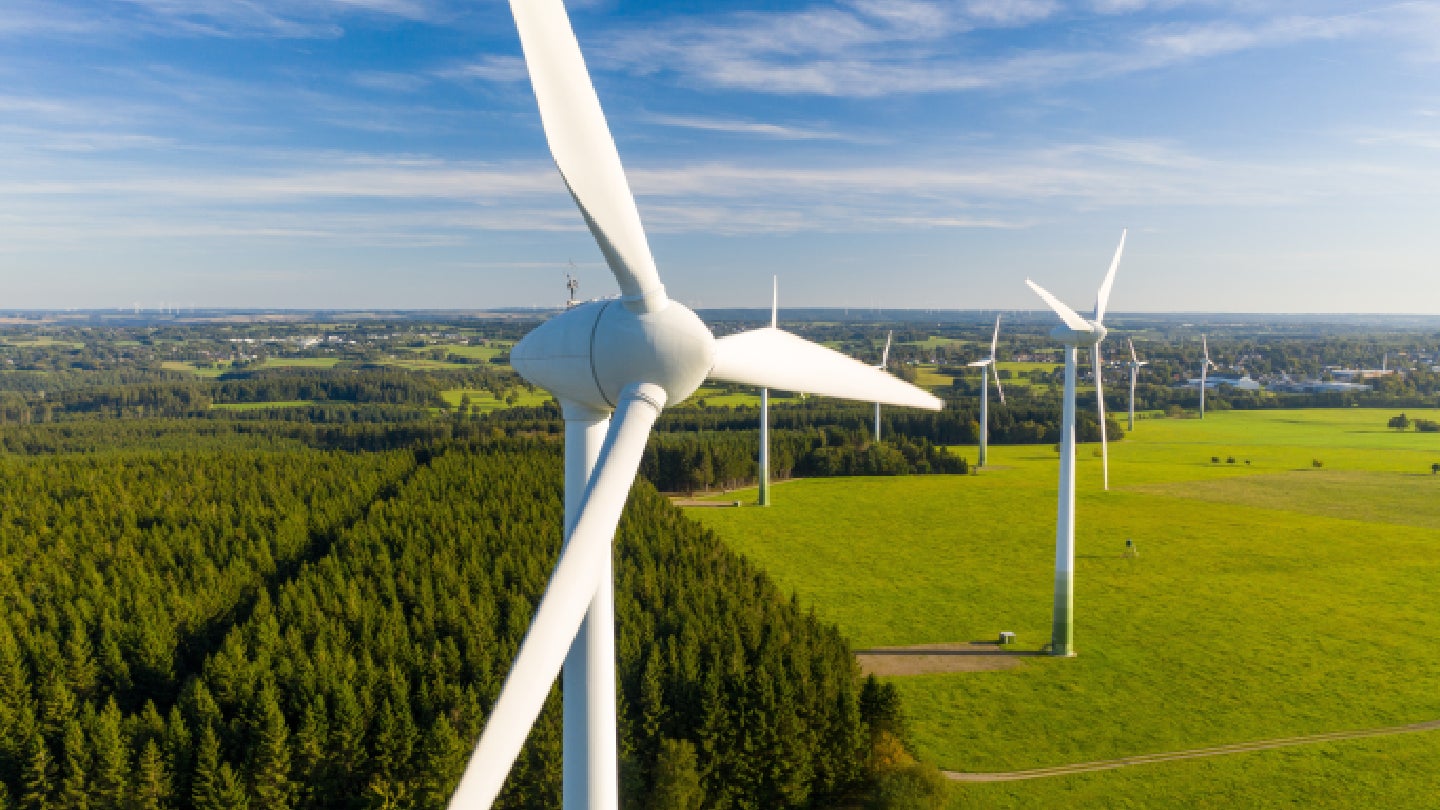
The turbines selected for this project are GE Vernova’s 3.8MW-154m models. These turbines are specifically engineered for the unique, often low-to-medium wind speed conditions frequently encountered across the Indian subcontinent.
Key technical features include:
- High-Efficiency Performance: The 154-meter rotor diameter is designed to maximize the swept area, capturing more wind energy even at lower speeds.
- AI-Integrated Digital Blade Certification: A standout feature of this contract is the inclusion of GE Vernova’s AI-powered digital blade certification technology. By leveraging machine learning, the system provides real-time monitoring and predictive maintenance, significantly enhancing turbine uptime and operational longevity.
- Reliability Engineering: Built to withstand the harsh environmental factors of Rajasthan, these turbines emphasize durability, ensuring that the project remains a long-term, high-yield asset for Enfinity Global.
Chronology of Expansion: GE Vernova’s Growing Indian Footprint
The deal with Enfinity Global is the latest in a string of successes for GE Vernova in the Indian market. The company has systematically built its presence by combining global technological expertise with a localized supply chain.
- Manufacturing Roots: GE Vernova’s manufacturing capabilities in India are anchored by its facility in Pune, which boasts an annual production capacity of up to 1.5GW. It is at this facility that the turbines for the Fatehgarh project will be manufactured, directly supporting the "Make in India" initiative.
- Technological Infrastructure: Beyond manufacturing, the company maintains a robust support ecosystem, including a specialized technology centre in Bengaluru and a dedicated blade manufacturing site in Vadodara.
- Recent Momentum: The Fatehgarh order follows closely on the heels of a June 2026 agreement, in which GE Vernova committed to supplying 28 of the same 3.8MW-154m turbines to Powerica for the 100MW Botad Wind Farm in Gujarat.
This consistent flow of contracts suggests a maturing market where developers are increasingly opting for proven, high-capacity, and digitally-enabled technology to ensure project bankability.
Strategic Implications: Powering the 2030 Goal
India’s energy sector is at an inflection point. As the country urbanizes and industrializes at an unprecedented rate, the demand for stable, green energy has become a matter of national security and economic stability.
Supporting the 500GW Renewable Target
The Indian government has set one of the world’s most ambitious renewable energy targets: 500GW of non-fossil fuel capacity by 2030. Within this, wind energy is expected to play a foundational role. With over 5GW of wind capacity already installed in India, GE Vernova is positioned as a critical enabler of this transition. By providing high-capacity, reliable turbines, the company helps developers like Enfinity Global mitigate the risks associated with grid integration and intermittency.
The Role of AI in Renewable Infrastructure
The integration of AI into wind turbine maintenance represents a paradigm shift in the industry. Historically, turbine downtime—caused by mechanical wear or unexpected component failure—has been a primary driver of lost revenue for wind farm operators. By utilizing AI-powered digital blade certification, the Fatehgarh project will benefit from a proactive maintenance cycle, shifting from reactive repairs to predictive interventions. This, in turn, lowers the Levelized Cost of Energy (LCOE), making wind power increasingly competitive with traditional fossil fuel sources.
Perspectives from Leadership
The partnership between GE Vernova and Enfinity Global is characterized by a mutual commitment to technical excellence and safety.
GE Vernova’s View
Deepak Maloo, General Manager of GE Vernova’s India Onshore Wind business, emphasized the tailored nature of the technology:
"The 3.8MW-154m turbine being used is designed to deliver efficiency, reliability, and strong performance for India’s wind conditions. Our focus remains on empowering our customers to maximize their output while adhering to the highest standards of engineering."
Enfinity Global’s View
Sandip Agarwal, CEO of Enfinity Global India, highlighted the collaborative spirit of the agreement:
"This partnership with GE Vernova is built on shared values and a common commitment to accelerating India’s energy transition. By combining world-class technology, innovation, and expertise with deep local market knowledge, the partnership brings together two leading global energy companies with an unwavering commitment to quality, health and safety, and strong governance."
Economic and Industrial Impact: "Make in India"
The "Make in India" strategy remains a cornerstone of the country’s industrial policy, and the GE Vernova-Enfinity deal serves as a prime example of its success. By producing the Fatehgarh turbines in Pune, GE Vernova is not only reducing lead times and logistics costs but also fostering a local supply chain ecosystem.
The creation of high-skilled jobs in manufacturing, combined with the operation and maintenance roles that will follow once the wind farm is commissioned, provides a significant economic boost to the region. Furthermore, the localization of technology—transferring design and manufacturing knowledge to Indian facilities—enhances the domestic capacity to innovate and compete globally.
Challenges and Future Outlook
While the outlook for the Indian wind sector is overwhelmingly positive, stakeholders recognize that challenges remain. Grid infrastructure upgrades, land acquisition processes, and the complexities of regulatory frameworks are hurdles that developers like Enfinity Global must navigate.
However, the success of large-scale projects like Fatehgarh, backed by global technological leaders, demonstrates that these challenges are surmountable through strategic planning and collaboration. The shift toward larger, more efficient turbines (such as the 3.8MW models) indicates that the market is moving toward greater economies of scale.
Looking Ahead
As shipments for the Fatehgarh project are scheduled to commence in the fourth quarter of 2026, the industry will be watching closely. The project’s success will likely serve as a benchmark for future wind farm developments in Rajasthan and beyond.
With its combination of localized manufacturing, advanced AI integration, and strong corporate leadership, the partnership between GE Vernova and Enfinity Global serves as a blueprint for the next phase of India’s energy evolution—one where renewable energy is not merely an alternative, but the primary driver of economic and industrial growth.
Conclusion
The 163.4MW order for the Fatehgarh Wind Farm is more than a commercial contract; it is a vital contribution to India’s green future. By deploying the latest wind turbine technology and integrating it with AI-driven digital oversight, GE Vernova and Enfinity Global are helping ensure that India’s path toward its 2030 energy targets is not only achievable but sustainable and efficient.
As India continues to refine its energy strategy, the success of such projects will remain instrumental in attracting further investment, driving down costs, and ultimately providing the clean, reliable energy required to power a rapidly growing nation. The integration of local manufacturing with global expertise stands as a testament to the resilience and ambition of the Indian renewable energy sector.