By [Your Name/Journalistic Desk]
In an era defined by rapid urbanization, digital saturation, and the relentless pace of modern consumerism, humanity finds itself at a critical psychological and ecological crossroads. As global populations drift further from their ancestral roots in the natural world, a profound "nature deficit" has emerged. Naturalist and conservationist William E. Simpson II argues that this growing abyss of understanding is not merely a cultural loss, but an existential threat to the stewardship of our planet.
As we grapple with the depletion of finite natural resources, the call for a more symbiotic relationship with the environment has never been louder. While high-definition documentaries and virtual reality experiences provide a window into the wild, they are increasingly viewed as insufficient. The consensus among leading conservationists is clear: there is no substitute for the tactile, sensory immersion provided by ecotourism.
The Sensory Imperative: Bridging the Gap Between Man and Nature
The modern human experience is often filtered through screens and sterile, climate-controlled environments. Ecotourism serves as the antidote to this detachment. It is not merely a leisure activity; it is a pedagogical tool that utilizes the senses to foster environmental literacy.
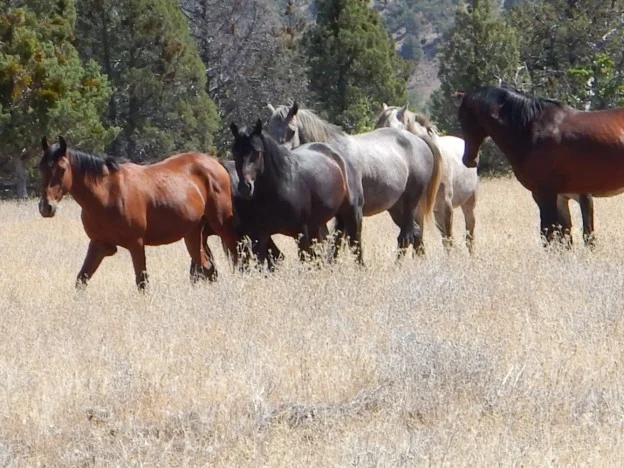
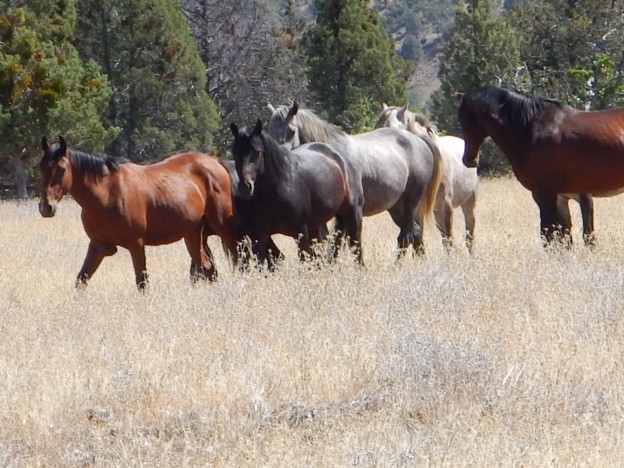
When a traveler inhales the sharp, resinous scent of a pine forest, hears the piercing cry of an eagle, or witnesses the rhythmic gait of a wild stallion in its natural habitat, a cognitive shift occurs. This is "experiential learning." It moves beyond abstract data points about climate change or biodiversity loss and anchors those concepts in visceral, emotional reality.
According to Simpson, this communion with nature is the foundation of effective conservation. "Ecotourism allows for an educational communion with nature that provides numerous levels of fulfillment," Simpson explains. "It leads to a greater understanding of the natural world, which inevitably results in compassion and better stewardship of our remaining natural wonders."
Chronology of a Shifting Conservation Paradigm
To understand the current emphasis on ecotourism, one must look at the evolution of environmental management over the last several decades:
- The Mid-20th Century (Preservationist Era): Conservation was largely centered on "locking away" nature. The focus was on designating National Parks and wilderness areas where human presence was minimized to protect fragile ecosystems.
- The 1980s–1990s (Sustainable Development): As economic pressures grew, the concept of "Sustainable Development" emerged, attempting to reconcile economic growth with environmental protection.
- The Early 2000s (The Rise of Ecotourism): Organizations like The International Ecotourism Society (TIES) began to codify the practice of responsible travel. The focus shifted from merely "observing" to "participating" in the protection of the land through revenue generation and local involvement.
- 2020–Present (Rewilding and Ecological Restoration): The current era is characterized by active restoration. Ecotourism is now being leveraged as a financial and logistical engine to support rewilding projects—the return of native species to landscapes where they have been marginalized.
Supporting Data: The Case for Wild Horse Rewilding
One of the most compelling intersections of ecotourism and resource management is the ongoing debate regarding American wild horses. Historically viewed by some as an intrusive species, a growing body of evidence suggests that when managed correctly, these animals serve as vital ecological assets.
Economic Viability
A survey conducted in Moffat County, Colorado, provides a clear roadmap for how wildlife can anchor a local economy. The study highlighted that wild horse populations were a significant driver of tourism revenue, drawing visitors from across the country to witness these iconic animals. By shifting the focus from the cost of removal to the revenue of observation, rural economies can find a sustainable financial path that does not rely solely on extractive industries.
Fiscal Responsibility
The Bureau of Land Management (BLM) currently spends nearly $100 million annually on the round-up and long-term storage of wild horses in government facilities. Simpson posits that this is a failed model of resource management. By relocating these horses to appropriate wilderness areas—a process known as strategic rewilding—the government could eliminate the massive overhead of holding facilities while simultaneously stimulating local tourism economies.
Ecological Engineering: Fire Mitigation
Perhaps the most overlooked benefit of wild horses is their role as natural land managers. In an age of catastrophic wildfires, the horses’ natural grazing habits provide a tangible solution. By consuming excessive grass and brush—the primary "fuel" for forest and range fires—horses can help maintain fire-resistant buffers in sensitive landscapes. This is not just environmental theory; it is a practical application of nature’s own systems to combat man-made climate crises.
Official Responses and Perspectives
The debate remains polarized. Traditional livestock production enterprises often view wild horses as competitors for grazing land, leading to lobbying efforts for population control through gathers and removals.
However, the perspective of conservationists like Simpson challenges this binary narrative. The argument is not "livestock versus horses," but rather "intelligent land management versus outdated policies."
Official entities, including the BLM, face immense pressure from competing stakeholders. Yet, as the success of ecotourism-focused regions continues to grow, there is a mounting shift in sentiment. Legislative bodies are beginning to acknowledge that wildlife-centric tourism provides a more stable, year-over-year economic stimulus compared to the boom-and-bust cycles of traditional ranching or resource extraction.
Implications for the Future: A New Stewardship Model
The implications of integrating ecotourism into the national land-management strategy are profound.
1. The Decentralization of Conservation
By promoting ecotourism, we decentralize the responsibility of conservation. It is no longer just the burden of federal agencies; it becomes the pride and livelihood of local communities. When a town’s prosperity is tied to the health of the surrounding wild, the local population becomes the most effective line of defense against habitat destruction.
2. The Cultural Re-anchoring
As Simpson suggests, humanity is in the midst of a disconnect. Ecotourism acts as a bridge. By facilitating deep, immersive experiences, we do not just save landscapes; we save the human connection to the land. A society that experiences the majesty of a wild stallion or the silence of a mountain stream is inherently more likely to advocate for the protection of those elements.
3. Policy Reform
The path forward requires a shift in legislative priority. This involves:
- Redirecting Funds: Moving budget allocations from costly removal and storage programs toward habitat improvement and tourism infrastructure.
- Science-Based Management: Utilizing ecological data to identify areas where rewilding can maximize both biodiversity and fire-mitigation efforts.
- Public Engagement: Providing educational platforms that explain the "why" behind rewilding, ensuring public support for these strategic relocations.
Conclusion: The Path Toward a Symbiotic Future
As we look toward the mid-21st century, the definition of "progress" must evolve. True advancement is not measured by the speed of our internet or the volume of our consumption, but by the health of the ecosystems we inhabit.
Ecotourism is more than a vacation; it is a philosophy of engagement. It is a recognition that the human experience is incomplete without the wild, and that the wild is increasingly dependent on the human experience for its survival. By embracing the rewilding of species like the American horse, and by prioritizing the immersion of our citizens into the natural world, we can foster a future that is not only economically robust but ecologically sound.
In the words of William E. Simpson II, ecotourism stands as an "important tool for both mankind and nature." It is the bridge between the modern world we have built and the natural world we must protect. As we navigate the complexities of the future, this path—one of observation, respect, and stewardship—may well be the most significant journey we take.
For more information on the intersection of wild horse management and ecological conservation, visit www.WHFB.us.