Tanzania, a crown jewel of East African biodiversity, is undergoing a profound transformation in how it presents its wilderness to the world. As global travelers pivot away from mass tourism toward sustainable, low-impact, and immersive experiences, Tanzania’s tourism sector is placing a renewed focus on its vast southern circuit and specialized northern trekking routes. Spearheaded by operators like Kilimanjaro Tanzanite Safaris, this shift aims to balance the economic necessity of tourism with the urgent need for environmental preservation.
Main Facts: The Southern Circuit’s Rise to Prominence
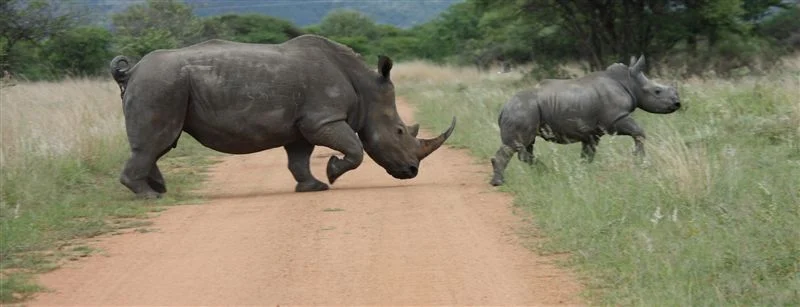
For decades, the Northern Circuit—comprised of the Serengeti, Ngorongoro, and Lake Manyara—has dominated the Tanzanian tourism narrative. However, the Southern Circuit is emerging as the premier destination for the conscious traveler. This region offers a raw, unfiltered encounter with nature that remains largely untouched by the heavy footfall of more popular hubs.
The Southern Circuit is defined by several key anchors of biodiversity:
- Nyerere National Park (formerly Selous): One of the largest protected wildlife areas in Africa, famous for its massive elephant populations and river-based safaris along the Rufiji River.
- Ruaha National Park: A rugged, vast landscape known for high concentrations of lions and a wilderness experience that feels truly remote.
- Mikumi National Park: Often described as the "accessible Serengeti," it provides an excellent entry point for those wanting to experience the savanna ecosystem without traveling to the far north.
- Udzungwa Mountains: A biodiversity hotspot, the "Galapagos of Africa," where hikers can explore lush tropical rainforests and encounter endemic species found nowhere else on earth.
The primary attraction of this circuit is the marriage of affordability and exclusivity. Because the infrastructure is less dense than in the north, "eco-lodges" in this region tend to be smaller, more environmentally integrated, and significantly more cost-effective for the budget-conscious traveler seeking a 10-day immersive holiday.
Chronology: The Evolution of Tanzanian Sustainable Travel
The shift toward ecotourism in Tanzania did not happen overnight; it is the result of a long-term strategy involving the government, conservationists, and private tour operators.
- Early 2000s: The Tanzanian government begins identifying "underutilized" areas in the south to alleviate pressure on the northern ecosystems, which were beginning to show signs of over-tourism.
- 2010–2015: Increased investment in the TAZARA railway and regional airstrips makes the southern wilderness more accessible to international tourists.
- 2019: The official designation of Nyerere National Park signifies a major commitment to upgrading the status of the Selous ecosystem, placing it firmly on the global ecotourism map.
- 2020–Present: Post-pandemic travel trends shift significantly toward private, open-air, and remote experiences. Kilimanjaro Tanzanite Safaris and other local Destination Management Companies (DMCs) begin standardizing "responsible travel" protocols, focusing on carbon-neutral logistics and community-integrated tourism.
Supporting Data: Why the Southern Circuit Wins on Sustainability
The "Ecotourism Value" of the Southern Circuit is backed by data regarding ecological footprints. When compared to the northern hubs, the southern parks utilize a lower density of vehicles per square kilometer.
- The 10-Day Advantage: A 10-day itinerary allows for a slower pace of travel. Statistics from regional operators suggest that tourists who spend 10 days in one circuit contribute 40% more to local conservation fees and community development funds than those who engage in "whirlwind" 3-day safaris.
- Cost Efficiency: Travelers booking through specialized DMCs often find that a 10-day southern package is roughly 20-30% cheaper than a comparable northern itinerary, primarily due to lower park entry fees and the prevalence of boutique, locally-owned eco-lodges that operate with lower overhead costs than large international hotel chains.
Official Responses and Strategic Management
Industry leaders, including the team at Kilimanjaro Tanzanite Safaris, have been vocal about the necessity of professionalizing the "responsible travel" experience. According to the DMC, the strategy involves three pillars: Education, Equipment, and Environment.
The Equipment Standard
There is a consensus among top-tier operators that the quality of the "safari vehicle" is a crucial component of the ecotourism experience. The use of modern, fuel-efficient 4×4 Toyota Landcruisers—equipped with either pop-up roofs or open-sided configurations—minimizes the mechanical footprint on the terrain. By utilizing the newest generation of vehicles, operators reduce the risk of oil leaks and excessive emissions in pristine environments.
The Professional Advice Protocol
The shift toward "responsible travel" requires a change in how trips are booked. Professional DMCs now provide:
- Timing Analysis: Advising clients on the best times to visit to ensure wildlife disturbance is kept to a minimum during calving or mating seasons.
- Photography Ethics: Providing specific training for nature photographers and filmmakers to ensure they remain at a respectful distance from wildlife.
- Logistical Planning: Coordinating complex multi-circuit tours that minimize travel time between hotspots, effectively lowering the total carbon cost of the trip.
Implications: The Future of Kilimanjaro Trekking
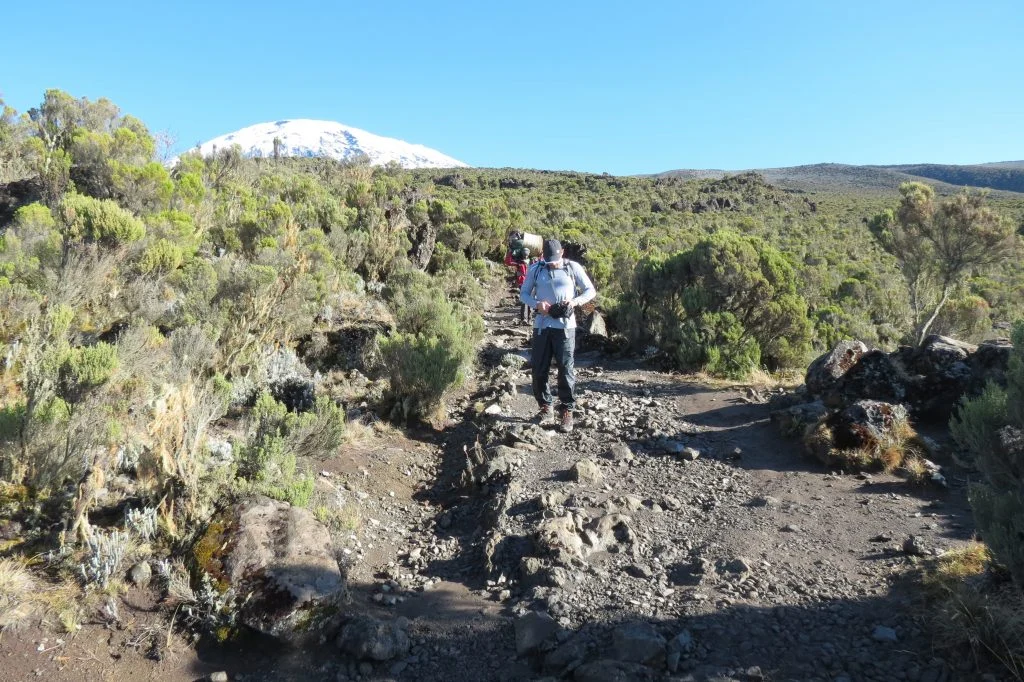
The principles of the Southern Circuit are now being applied to the iconic Kilimanjaro trekking experience. No longer is climbing the "Roof of Africa" simply about reaching the summit; it is becoming a study in environmental stewardship.
Climbing for Conservation
Kilimanjaro trekking is now being marketed with a heavy emphasis on "acclimatization safety" and "environmental footprint reduction." Potential climbers are now required to engage in pre-trip discussions regarding:
- Route Selection: Choosing trails like Lemosho or Shira, which are less crowded and offer a more sustainable distribution of foot traffic across the mountain’s fragile alpine zones.
- Gear Integrity: Ensuring that all equipment brought to the mountain is durable and does not contribute to micro-waste.
- Safety Standards: The industry is moving toward a standardized safety protocol, where acclimatization is prioritized over speed, ensuring the long-term health of both the trekkers and the mountain staff who support them.
A Holistic Approach: Combining Circuits
The modern Tanzanian safari is no longer a binary choice between the North and the South. The most sophisticated travelers are opting for "Combo Packages" ranging from 9 to 16 days. By combining the dramatic wildlife spectacles of the Serengeti and Ngorongoro with the serene, untouched wildness of the Ruaha and Udzungwa regions, travelers are participating in a balanced tourism model.
This hybrid approach has significant implications for local economies. It spreads tourism revenue across the entire country, rather than concentrating wealth solely in the northern corridor. It encourages the preservation of diverse habitats, from the high-altitude forests of the Kilimanjaro foothills to the miombo woodlands of the south.
Conclusion: How to Plan Your Sustainable Journey
For the traveler looking to make an impact, the process begins with proper planning. Engaging with a reputable DMC—one that understands the nuances of local ecosystems—is the most important step. Whether you are aiming for a high-altitude trek or a river-based safari in Nyerere, the keys to success are simple:
- Prioritize Longer Stays: Avoid the urge to rush. Ten days is the sweet spot for a deep-dive into the southern circuit.
- Consult on Timing: Work with experts to align your visit with the natural rhythms of the ecosystem.
- Pack Responsibly: Adhere to strict packing lists that minimize plastic and maximize the use of sustainable gear.
- Support Local: Choose operators that demonstrate clear links to community-based conservation projects.
Tanzania stands at a crossroads. By choosing the path of ecotourism, visitors are not merely observers of the wild; they are partners in its protection. As the Southern Circuit continues to rise, it offers a blueprint for how a nation can celebrate its natural heritage while ensuring it remains vibrant for generations to come.