The modern athlete’s recovery room—once defined by simple foam rollers and ice baths—has undergone a radical transformation. In recent years, sleek, high-tech compression boots have become the new gold standard for muscle care. These devices, which wrap around the legs and use sequential air pressure to mimic a deep-tissue massage, promise to accelerate recovery, flush out metabolic waste, and reduce the stubborn ache of delayed onset muscle soreness (DOMS). But as these gadgets migrate from elite physical therapy clinics into the living rooms of weekend warriors and commuters alike, a central question remains: Are they a medical necessity or a luxury fitness fad?
The Science of Squeeze: Understanding Pneumatic Compression
At their core, compression boots rely on a concept known as intermittent pneumatic compression (IPC). For decades, IPC has been a staple in medical settings, used primarily to prevent deep vein thrombosis (DVT) and manage chronic venous insufficiency in patients who are immobilized.
The physiological mechanism is elegant in its simplicity: by applying external pressure in a rhythmic, sequential fashion, the boots encourage venous return—the process of blood moving back toward the heart. This action helps clear out stagnant blood and metabolic byproducts like lactate and creatine kinase, which accumulate in muscles after intense exertion. By improving blood flow, these devices also deliver oxygen and essential nutrients to damaged tissue, theoretically speeding up the body’s natural repair process.
Unlike many wellness trends that lack clinical backing, the medical pedigree of pneumatic compression is solid. However, the translation of this technology into consumer-grade, high-end "recovery systems" has introduced new variables: vibration, heat, and red-light therapy. These additions aim to move beyond simple circulation improvement, targeting neurological comfort and inflammation, though the empirical data on these auxiliary features remains less robust than the foundational compression technology.
A Chronological Evolution of Recovery Tech
The journey of compression technology from hospital wards to locker rooms was not an overnight success.
- 1960s–1980s: Intermittent pneumatic compression is refined in clinical environments, primarily as a tool to prevent blood clots in bedridden post-surgical patients.
- Early 2010s: Early prototypes of recovery boots appear, primarily used by professional NFL and NBA training staffs. These were bulky, tethered to large, noisy compressor units, and prohibitively expensive.
- 2015–2020: The rise of brands like Normatec (now owned by Hyperice) brings recovery technology to the mass market. The introduction of portable, battery-operated units marks a turning point, allowing athletes to use the devices in transit.
- 2021–Present: The market saturates with "all-in-one" systems. Companies like Therabody enter the space, integrating advanced features like infrared LED therapy and haptic vibration, catering to a demographic that values multi-modal recovery.
The High-End Contenders: Testing the Best in Class
To determine which systems truly deliver, we put a variety of top-tier models to the test, evaluating them on comfort, pressure consistency, battery life, and overall recovery efficacy.
1. The Powerhouse: Therabody JetBoots Pro Plus
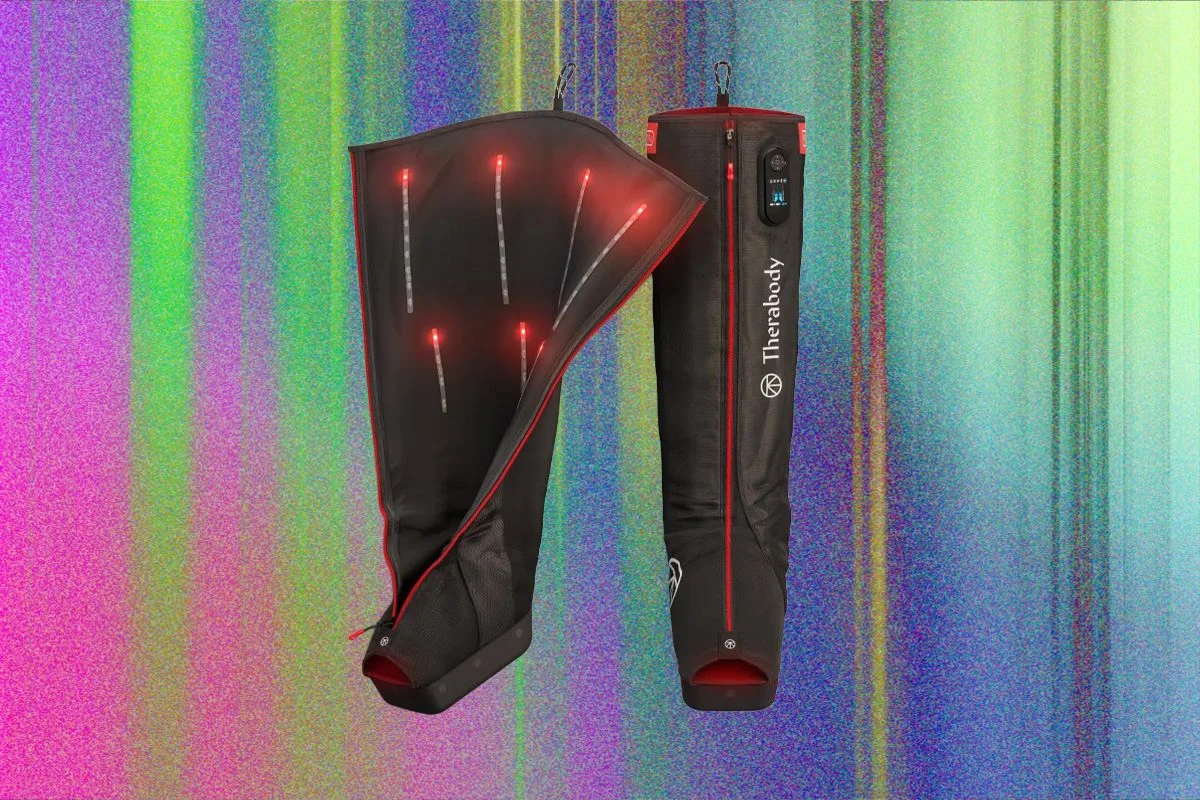
As the gold standard for feature-rich recovery, the Therabody JetBoots Pro Plus ($1,150) stands out. It integrates compression, vibration, and infrared LED light in one wireless unit. The elimination of a separate controller—everything is managed via an LCD screen on the boot—is a massive quality-of-life upgrade.
- Performance: The combination of compression and vibration is undeniably therapeutic. It excels at reducing the "heavy leg" feeling after long endurance sessions.
- Considerations: The infrared LED therapy lacks transparent technical specifications, and the lack of app integration might irk data-focused users. However, for those needing serious recovery, the build quality justifies the premium.
2. The Reliable Essential: Therabody JetBoots Prime
For those who find the Pro Plus overkill, the JetBoots Prime ($550) offers a more accessible entry point. It strips away the fancy lighting and vibration but keeps the core pneumatic technology that works. It is portable, foldable, and provides enough pressure to satisfy most users.
3. The Travel Essential: Hyperice Normatec Go
The Hyperice Normatec Go ($379) represents a departure from the "boot" philosophy. By focusing on the calves, these sleeves provide portable relief that can be used anywhere, from an airplane seat to a desk chair. While they lack the full-leg coverage of their larger counterparts, their mobility is unmatched.

4. Targeting the Core: Hyperice Normatec Elite Hips
Tight hips are the bane of runners and cyclists. The Normatec Elite Hips ($599) addresses this specific pain point with overlapping air chambers that cover the glutes, IT bands, and lower back. It is a highly specialized tool that performs its singular task better than any generalized boot system.
Supporting Data and User Experience
In our testing, we found that the most important metric isn’t the number of "modes" a device has, but the consistency of the pressure gradient. A good system should feel like a firm, steady massage moving from the foot upward.
- Pressure Settings: Models like the Urevo AI-Powered boots offer high pressure (up to 180 mmHg), but our tests suggested that higher is not always better. Excessive pressure can lead to discomfort and may even exacerbate inflammation if not applied correctly.
- Portability: The transition to wireless, internal-pump designs has been the most significant advancement for the consumer. The ability to "recover on the go" means users are far more likely to stick to a consistent recovery schedule, which is where the real physiological benefits lie.
Official Industry Perspectives
The consensus among sports physiologists is that compression boots are a "force multiplier" rather than a magic bullet. According to various clinical white papers, while pneumatic compression can significantly reduce subjective feelings of soreness, it does not necessarily improve performance markers (like VO2 max or muscle power) in the short term. Instead, it serves as a tool to improve readiness—helping the athlete return to training sooner by managing the fatigue that would otherwise cause them to skip a workout.
Brands like Hyperice and Therabody emphasize the "pre-hab" aspect, encouraging users to use the devices not just for recovery, but for warm-ups. By stimulating blood flow before activity, these devices can help prime the muscles for load, a claim that is increasingly supported by feedback from professional training facilities.
The Implications: Is it Time to Buy?
Before investing upwards of $1,000, potential buyers should weigh the cost against their actual training volume.
Who Should Buy?
- Serious Endurance Athletes: Marathoners, triathletes, and cyclists who put their legs through daily, high-impact stress.
- Individuals with Medical Needs: Those managing lymphedema, venous insufficiency, or chronic swelling. Note: Always consult a doctor before using these for medical conditions.
- High-Intensity Lifters: Individuals who train heavy and struggle with DOMS that impacts their ability to maintain a consistent routine.
Who Should Skip?
- Casual Exercisers: If you are walking a few times a week, simple stretching and hydration will provide 90% of the benefits of these devices for a fraction of the cost.
- Budget-Conscious Beginners: If the price of a mid-tier boot equals your entire gym membership for the year, you are better off investing in a quality foam roller or a massage gun first.
Final Verdict: The Value of Recovery
The market for recovery tech is clearly moving toward integration. As we look to the future, we expect to see more "smart" boots that use biometric sensors to adjust pressure in real-time based on your heart rate or skin temperature.
However, technology cannot replace the fundamentals. A session in a $1,150 pair of JetBoots cannot compensate for poor sleep, inadequate nutrition, or a lack of proper warm-ups. If you are already checking those boxes and find that muscle soreness is the primary barrier to your consistency, then a pair of compression boots is a worthwhile investment. They are not a shortcut to fitness, but for those who train hard, they are a powerful, science-backed ally in the pursuit of longevity.
When choosing, focus on the basics: comfortable fit, reliable battery life, and ease of use. Whether you opt for the full-leg coverage of the premium boots or the targeted relief of the calf-only sleeves, the best recovery tool is the one you will actually use.