As the frantic pace of spring runoff subsides, the Montana landscape has transformed, signaling a shift in the operations of the region’s premier water experts. Montana River Guides (MRG), having successfully concluded their intensive spring schedule of swiftwater rescue certifications, has officially pivoted to the height of their commercial whitewater season. With the Alberton Gorge currently sitting at an ideal flow rate, the Clark Fork River has become the focal point for both thrill-seekers and those looking to develop professional emergency response skills.
Main Facts: The State of the Clark Fork
The transition into summer in Western Montana brings with it a specific set of hydrological conditions that define the recreational and professional character of the Clark Fork River. Currently, the Alberton Gorge—a rugged and scenic stretch of river located just west of Missoula—is flowing at approximately 4,000 cubic feet per second (CFS).
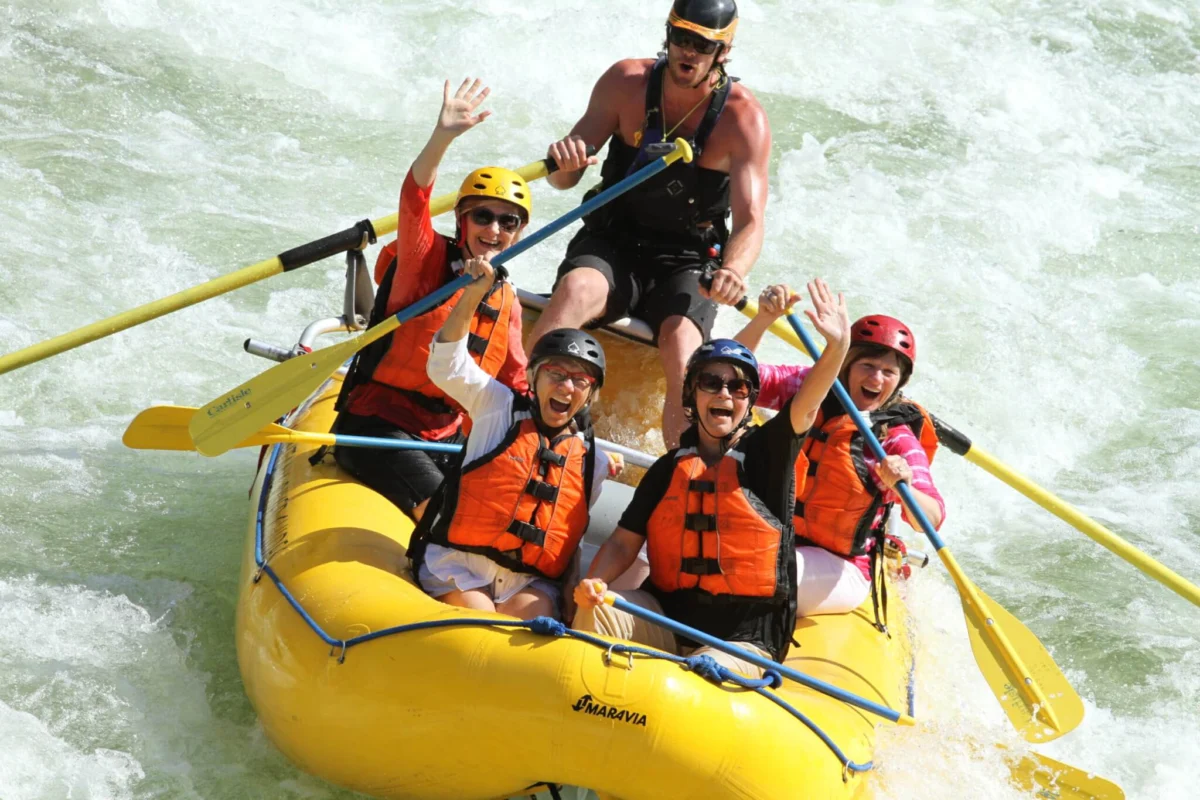
For the average recreationist, this level is considered the "sweet spot." It offers the perfect balance between the high-octane intensity of early-season melt and the technical, rocky navigation required during the late-summer low-flow period. The current conditions have rendered the river’s most iconic features, such as Tumbleweed and Fang rapids, accessible for family-friendly adventure while maintaining enough "punch" to keep seasoned paddlers engaged. As the water continues to recede, new navigational challenges are emerging in the upper gorge, where rocks previously submerged by high spring volumes are beginning to break the surface, demanding heightened attention from guides and private boaters alike.
Chronology: From Rescue Training to Recreational Peak
The operational calendar at Montana River Guides is meticulously synchronized with the river’s seasonal pulse.
- Early Spring (March – May): The primary focus for the MRG team is the delivery of professional swiftwater rescue training. During this window, the river’s volume is often unpredictable, providing the ideal training environment for emergency personnel, industrial contractors, and river guides to hone their life-saving skills.
- Late Spring Transition (June): As the snowpack in the Bitterroot and Cabinet mountains begins to stabilize, the river enters its high-volume period. During this time, the focus shifts toward managing the intensity of the Gorge for commercial guests.
- Summer Peak (July – August): This is the current phase. The water has reached its "friendly" class II and III status. The primary mission shifts to public education, guided tourism, and the continued professional development of the guide staff.
- Late Summer (August – September): As the season wanes, the company pivots back toward specialized industrial training, specifically their Swiftwater Spill Response curriculum, which utilizes the river’s lower flow rates to conduct complex environmental protection simulations.
Supporting Data: Hydrology and Safety Metrics
The management of whitewater activities requires a granular understanding of the river’s behavior. The 4,000 CFS flow rate is a critical benchmark for the Alberton Gorge. At this level, the hydraulic pressure exerted by the river is sufficient to move large volumes of water through the narrow granite chutes of the Gorge, yet the recirculating features (often called "holes" or "stoppers") are predictable and generally forgiving for commercial rafts.
Data collected by local river management agencies suggest that the Alberton Gorge is one of the most frequently navigated sections of whitewater in the Pacific Northwest. The popularity of the river is not merely a result of its proximity to Missoula, but also its unique geological profile. The Gorge features a high density of rapids within a relatively short distance, allowing for a concentrated "white-knuckle" experience that fits within a half-day trip.
However, the emergence of rocks in the upper gorge serves as a reminder of the river’s dynamic nature. When flows exceed 10,000 CFS, these rocks are invisible, creating a different set of hazards. At 4,000 CFS, the visibility of these obstructions requires guides to utilize precise maneuvering, a skill set that remains the backbone of the Montana River Guides’ commercial and instructional operations.
Official Responses and Professional Standards
The leadership at Montana River Guides emphasizes that the shift from rescue training to recreation is not just a change in business model, but a change in the philosophy of risk management.
"We are constantly evaluating the river, not just as a playground, but as a complex ecosystem that requires deep respect," says a spokesperson for the organization. "While the rapids like Tumbleweed are providing great fun for our summer guests, the reality is that the river is a moving, changing entity. Our guides are trained to act as stewards, constantly monitoring the water and each other. We advocate for a ‘buddy system’ culture, even for those who are highly experienced."
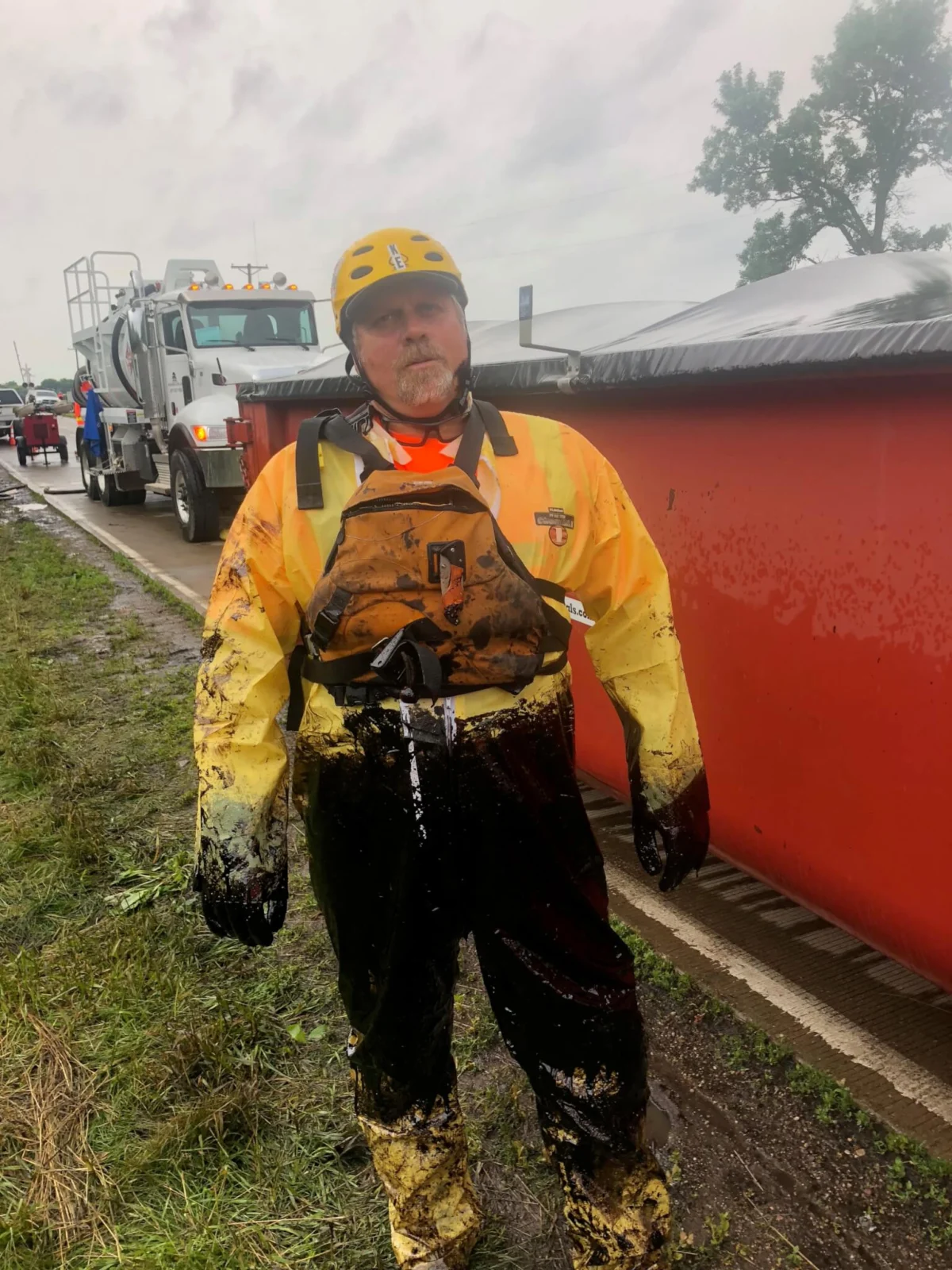
The company’s commitment to safety is further evidenced by their upcoming Swiftwater Spill Response classes. Unlike traditional whitewater rescue, which focuses on human recovery, these courses are designed for environmental professionals. The curriculum covers the deployment of containment booms, oil skimmers, and absorbent materials in a swiftwater environment. By simulating a wastewater or chemical spill, participants learn how to utilize the river’s current to their advantage—or, conversely, how to prevent the current from compromising a containment site. This curriculum bridges the gap between recreational river use and industrial environmental responsibility.
Implications: The Future of River Stewardship
The long-term implications of Montana River Guides’ dual-pronged approach—commercial rafting and specialized technical rescue training—are significant for the Missoula community.
Economic Impact
The whitewater tourism industry is a vital component of Missoula’s summer economy. By providing professional, guided access to the Alberton Gorge, firms like MRG ensure that the public can experience the natural splendor of the Clark Fork safely. This drives tourism revenue into local restaurants, hotels, and retail shops, while ensuring that the river remains a managed, rather than chaotic, environment.
Environmental Stewardship
There is a profound environmental implication to the company’s focus on spill response. By training professionals on how to react to environmental disasters in a riverine setting, Montana River Guides is contributing to the long-term health of the Clark Fork watershed. As industrial infrastructure grows alongside the increasing popularity of outdoor recreation, the ability to rapidly deploy spill containment measures becomes a critical safeguard for the region’s water quality.
The Human Element
Finally, the transition into the peak summer season serves as a reminder of the importance of community vigilance. Whether a family is embarking on a scenic kayak trip or a seasoned veteran is running the Gorge, the fundamental tenets of river safety remain the same:
- Proper Gear: Always wear a high-floatation personal flotation device (PFD) and appropriate thermal protection.
- Situational Awareness: Never assume the river is the same as it was yesterday.
- Mutual Responsibility: Keep an eye on your teammates.
As the sun sets over the Clark Fork this season, the work being done by Montana River Guides serves as a blueprint for how a community can balance the thrill of the outdoors with the rigorous demands of safety and professional expertise. With the Alberton Gorge in its prime, the season ahead promises to be a successful blend of high-adventure tourism and critical environmental training, ensuring the river remains a cherished asset for all who navigate its currents.